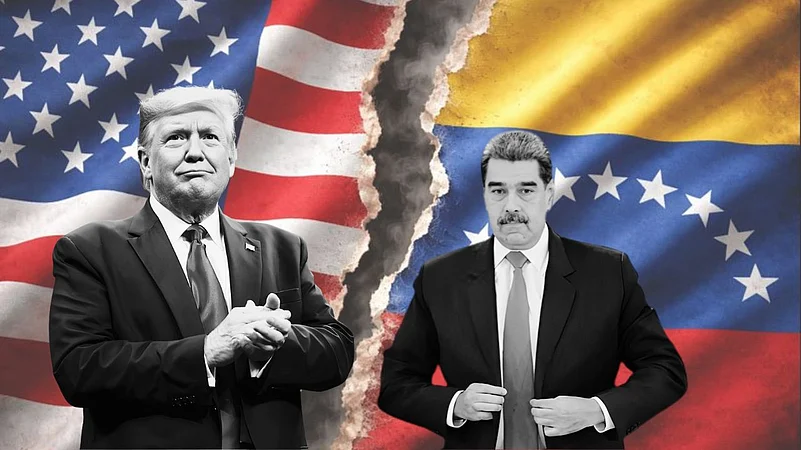
The United States insists its actions toward Venezuela are driven by a commitment to democracy and human rights. That claim no longer withstands scrutiny. What is unfolding is not principled foreign policy but a campaign of coercion, punishment, and force designed to impose political outcomes favourable to Washington. This is about power, resources, and control — and Venezuela is paying the price for resisting all three.
Years of sanctions have already inflicted severe damage on Venezuela’s economy. These measures have restricted access to global financial systems, weakened public services, and made everyday life harder for ordinary citizens. Yet, sanctions were only one stage of the pressure campaign. Hence, when economic suffocation failed to produce submission, the United States escalated.
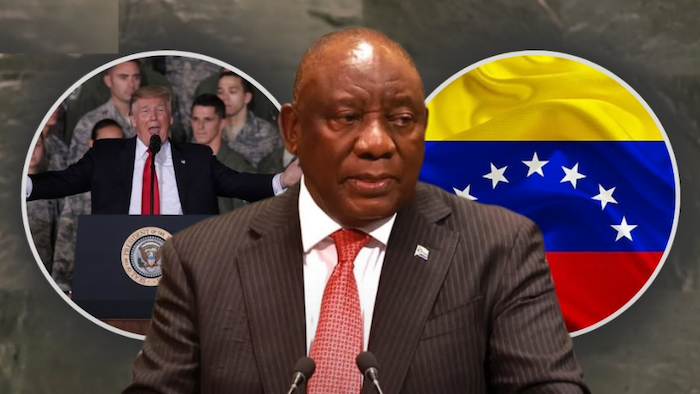
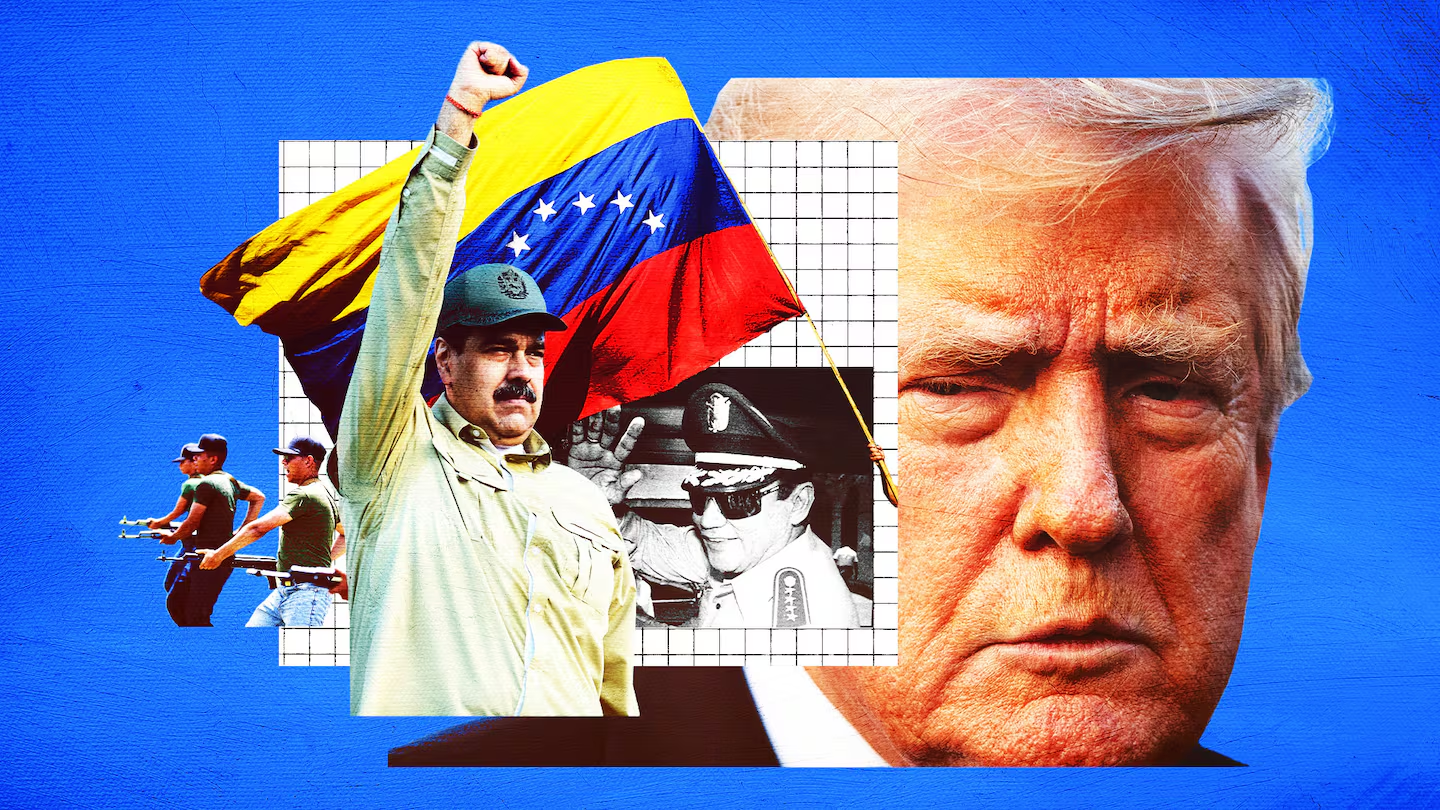
That escalation reached a dangerous new level when President Donald Trump ordered a direct military intervention which resulted in the capturing of Venezuela’s sitting head of state, Nicolás Maduro. This act is not only reckless, but it is a clear violation of international law.

Under the UN Charter, the use of force against a sovereign state is prohibited except in cases of self-defence or when authorised by the UN Security Council. Neither condition applied. Venezuela did not attack the United States. No international mandate existed. Ordering a military operation to seize a foreign president constitutes illegal intervention, an assault on sovereignty, and an attempted act of regime change by force. There is no legal framework in international law that legitimises such behaviour.
This was not law enforcement. It was not counter-terrorism. It was political kidnapping dressed up as foreign policy.
Such actions expose the emptiness of Washington’s democratic rhetoric. A state that claims to uphold a “rules-based international order” cannot simultaneously ignore the most basic rule of all: the sovereign equality of states. Military intervention to remove a sitting government is not democracy promotion but it is imperial practice.
Therefore, the underlying motive is difficult to ignore. Venezuela possesses vast reserves of oil, gold, and strategic minerals critical to global energy and industrial systems. At the same time, it has refused to align its political and economic model with U.S. preferences. This combination of resource wealth plus ideological independence has long triggered aggressive responses from great powers.

The situation with Venezuela exposes how the language of democracy is selectively applied. The United States maintains close relationships with authoritarian regimes when they serve American interests, yet reserves moral outrage for governments that resist U.S. dominance. This double standard strips Washington of credibility and reveals democracy discourse as a tool of convenience rather than a guiding principle.
Sanctions, military threats, and covert destabilisation are not acts of diplomacy. They are forms of coercion meant to break states into compliance. They weaken economies, fracture institutions, and create humanitarian crises — conditions that are then cynically used to justify further intervention. It is a self-reinforcing cycle of pressure and punishment.
International law was designed precisely to prevent this kind of behaviour. It exists to restrain power, not enable it. When powerful states violate these rules without consequence, the entire legal order is undermined. Sovereignty becomes conditional. Independence becomes negotiable. And smaller states are reminded that their security depends not on law, but on alignment.

Venezuela’s future must be decided by Venezuelans — not by foreign sanctions, not by military operations, and not by external attempts to engineer leadership change. Defending sovereignty does not require endorsing any particular government; it requires defending the principle that no state has the right to impose its will on another through force.
If the United States were genuinely committed to democracy, it would pursue dialogue, lift measures that harm civilians, and respect Venezuela’s territorial integrity. Instead, it has chosen escalation — including actions that openly defy international law.

This is not leadership. It is bullying backed by military power.
Today, Venezuela is the target. Tomorrow, it may be any country that refuses to conform to U.S. strategic priorities. That is why this moment matters, not only for Venezuela, but for the future of global order.
The world does not need another reminder of American might. It needs respect for sovereignty, adherence to international law, and the courage to say plainly what this is:
Not the defence of democracy, but the enforcement of dominance.