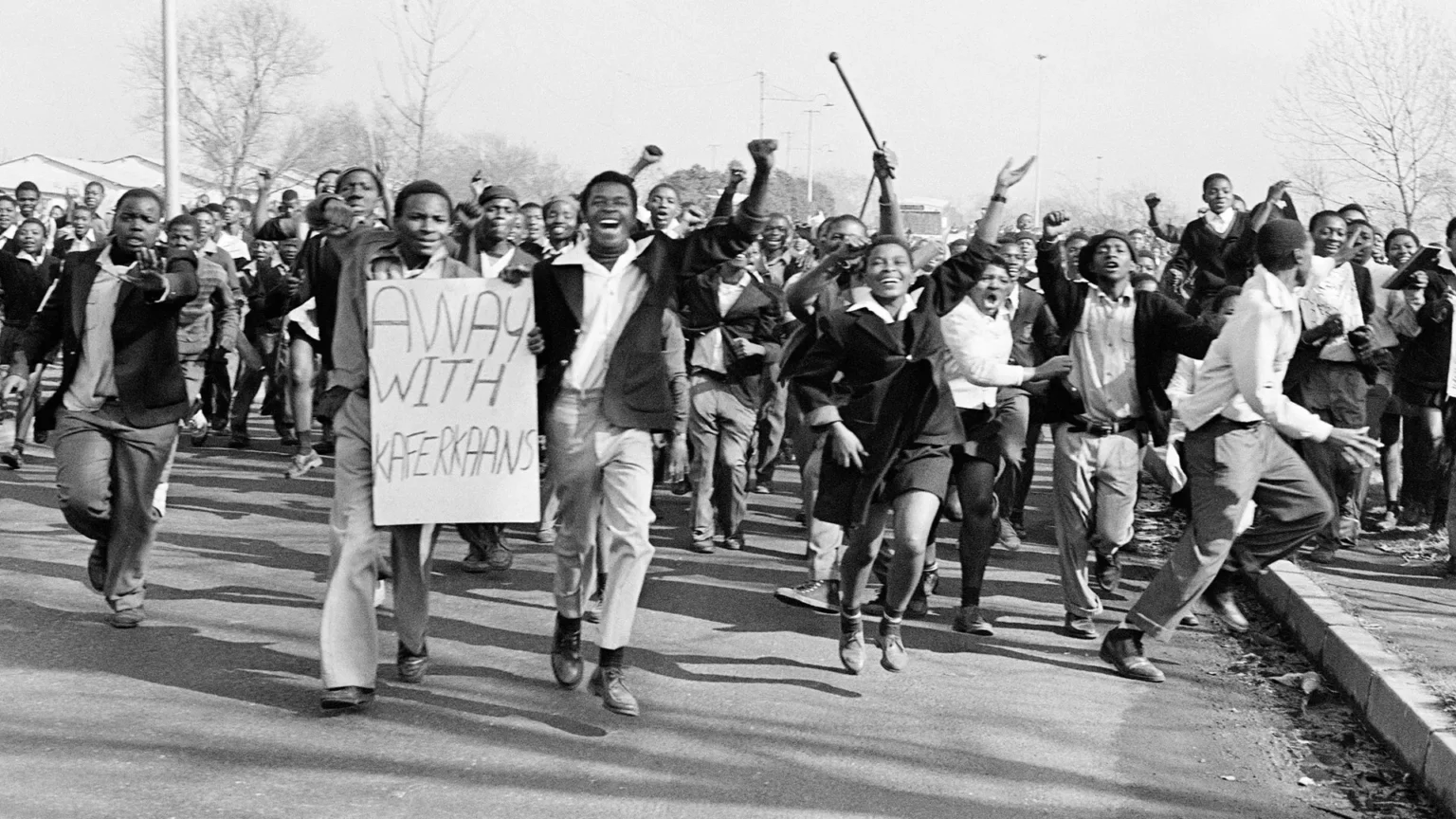
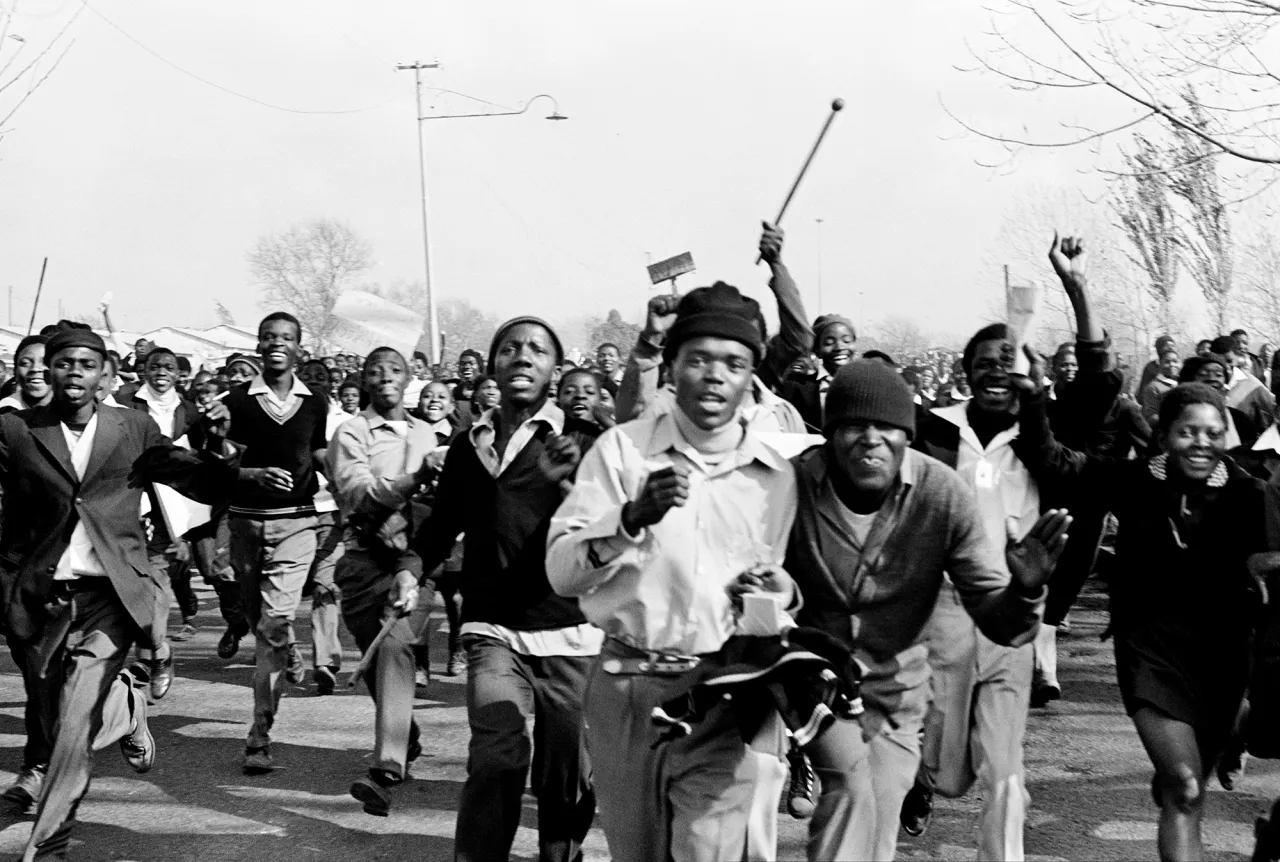
![Hordes of students marching against the Bantu Education system and the use of Afrikaans as a medium in schools, during the June 16, 1976, Student Massacres / Soweto Uprisings [Image: GSMN]](https://gsmn.co.za/wp-content/uploads/2026/06/Soweto-uprising-2-1-1.jpg)
The mother of the nation, Winnie Madikizela-Mandela once brilliantly said: “The power of the people is greater than the people in power.”
This is the sentiment that stands out when I think of the youth of 1976. Theirs was, and remains, one of the most profound sacrifices in our nation’s history. Yet today, it feels like an afterthought in the memory and identity of post-apartheid South Africa. Considering this insane disconnect, the daunting truth is simple: How dare we celebrate the youth of 1976 while tolerating conditions that would outrage them.
This year’s June 16 marks 50 years since the Soweto Massacres, where scores of students were gunned down whilst standing up to one of the most barbaric governments in modern history: apartheid.
Today, we are over three decades into democracy. And seemingly, our post-liberation society is riddled with inadequacies and contradictions.
We boast the most transcendent Constitution in the world, whilst being synonymous with the most rampant rates of inequality in the globe. We glorify our nation as being the top leading economy in the entire continent, yet 66.7% of the nation lives in poverty – which is repeatedly reported by StatsSA. We pump money and investments into places like Cape Town whilst wholly ignoring the thousands of homes in Eastern Cape that are washed away — with no alternative but mass displacement.
We are still fighting for basic rights and services in a nation that perpetually marginalises its people. Today, we have more citizens than ever before in our history. We have more businesses, more opportunities, more creativity, freedom and knowledge than we did three decades ago. Yet, the fabric of the nation is at an all-time low. Apathy amongst our citizens is at an all-time high.
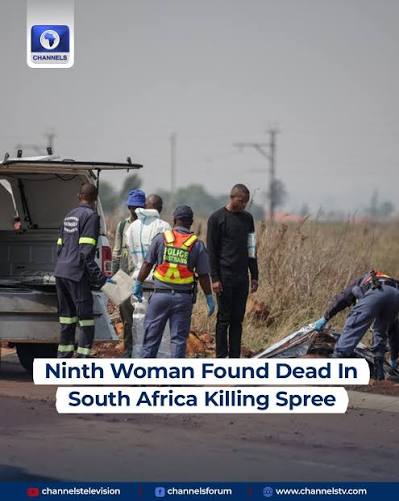
Every day, more people are starving, while prices continue to skyrocket. Our society is riddled with crime and violence to the point where international criminal networks blend in with ease. Our hospitals are so overcrowded that babies are birthed on filthy floors and body-bags are stacked up in waiting rooms. Our land and resources get extracted and extorted in the name of foreign investment, whilst everybody else — from grandmothers to young children — is still walking for kilometres crossing sunken bridges and rivers just to get to school and work.
As a nation, we have been bursting at the seams for a very long time. Yet, those in government are perpetually surprised by the outrage of South Africans. Those in leadership greedily scoff down the funds that are meant for infrastructure, education, health, systemic development, and so much more. They boringly spew the same dull speeches to sidestep the very corruption that they so vehemently deny, whilst bridges, buildings and roads collapse beneath our feet.
And the worst part of it all? This is the same generation as the youth of 1976. The same children who so bravely lambasted the savage apartheid regime, today, have become the embodiment of the exact system they so passionately hated. The same children who were shot at and died for their right to a proper education so easily squandering the funds for the schoolbooks of an entire city. The same children whose families were forcefully confined to landlessness, poverty and squalor are now the leaders who constrain every new generation to the same horrible fate.
This is exactly why the profound Thandiswa Mazwai mournfully sang, “Are the beautiful ones really dead?”
I strongly believe that it dawns on every new generation of South Africans that we are flying further and further away from true liberation. Not on paper, but in the actual lived realities of our society. The ones that the youth of 1976 sacrificed their lives for. Not this neoliberal apartheid-esque sheeps-in-wolves-clothing system that we are living under.
Our acclaimed comedian Trevor Noah recently hit the nail on the head when he said, “a system that is failing its people, is inevitably going to have its people notice the people who are not ‘its people’.”
And South Africans have certainly noticed. We have seen a system that discards the poor, ignores the hungry, bullies the homeless, and systematically starves us of light and water. A system that lets the sick die, and lets criminals kill. A system that bars you from education because you are short one-red-cent. A system that will keep you unemployed, desperate and dependent. This is a system of pure lies and deception, which yaps on about human rights whilst damningly violating them when cameras switch off.
Our society today is not the dream of the youth of 1976, or the millions of lives that were sacrificed for our freedoms. Some attribute it to the intentional butchering of our culture our identities during our arduous history. Others attribute it to capitalism, greed and poverty-mindsets in governance.
None of the excuses really matter. Because all the faces we see when we look at the government, are people that were there. They were present. They saw the death, the cruelty, the shamelessness and ruthlessness of the apartheid government. And today, they choose to turn a blind eye. They choose to forget that trauma, that callousness, that mercilessness and rampant fear that was subjected onto millions of our people for generations.
Therefore, my biggest hope this June 16 is that, if nothing else, they remember. Remember where we came from. Remember the thousands of brave little children who were slaughtered for standing up to an unjust system. Remember the millions of grandmothers, uncles, cousins and neighbours who gave their lives so that the South Africa of today would be uplifted, empowered and protected with the same passion that they believe it deserved. Hopefully, this memory will ignite a fire that SA is so desperately yearning for.
Clearly, the work of the youth of 1976 is still incomplete. Their values, their passion, their spirit needs to be reawakened in our society. We thought liberation was a job completed in 1994. Today, we are realising that that was only the beginning. Liberation is not only incomplete, it is a continuous struggle.
Freedom is not an event frozen in history, it is a human right that we must actively instil and uphold in our society — before it’s too late. Because honestly, Freedom was never meant to be inherited passively, it was meant to be defended relentlessly.
The greatest insult to the youth of 1976 is not forgetting them, it is celebrating their sacrifice while tolerating the very conditions that appalled and infuriated them so many decades ago.
The youth of 1976 completely changed the course of our history. Now, the question is whether we are actually changing the course of our future.
As our revolutionary hero Oliver R. Tambo once said, “The fight for freedom must go on until it is won; until our country is free and happy and peaceful… we cannot rest.”