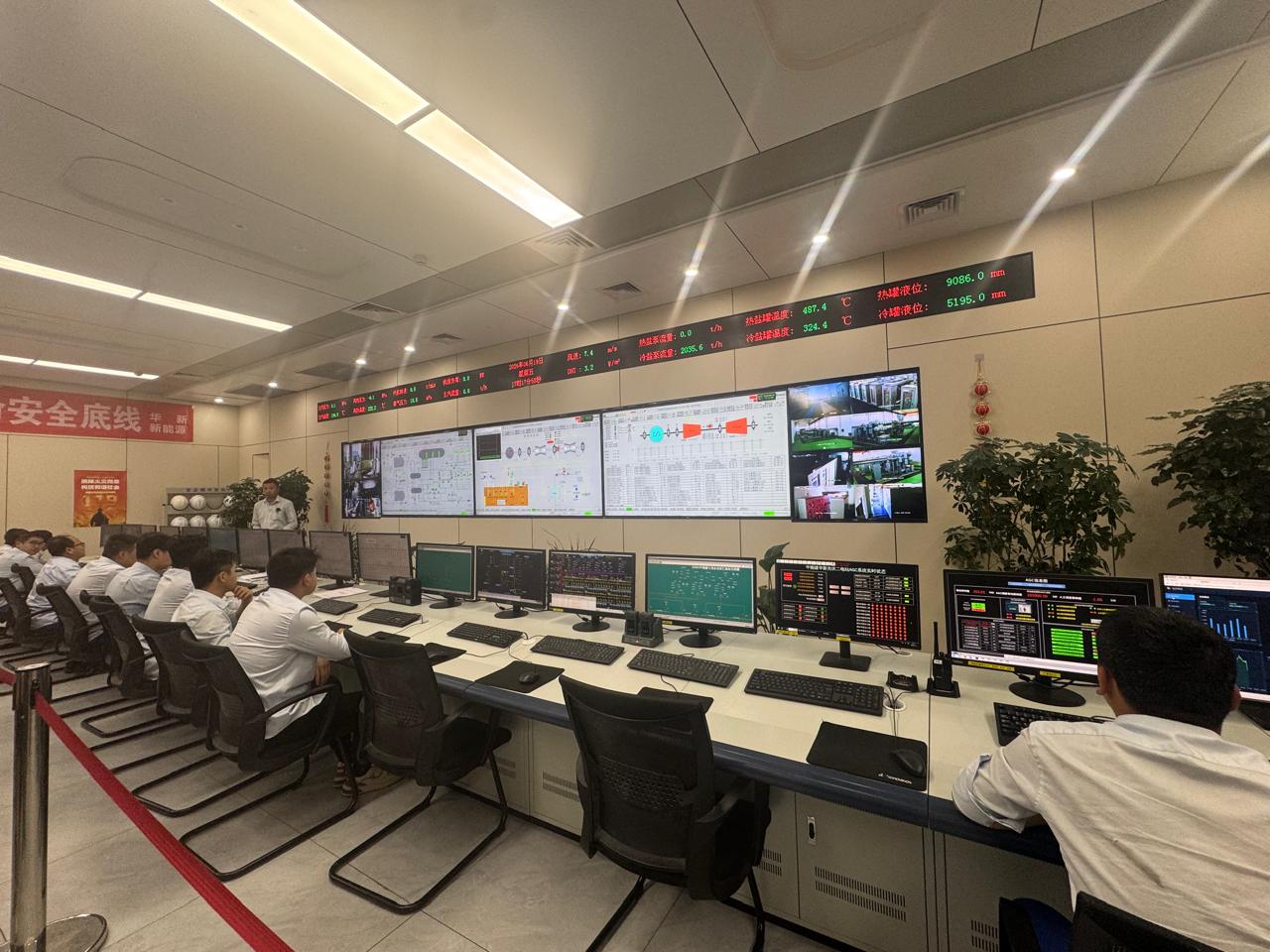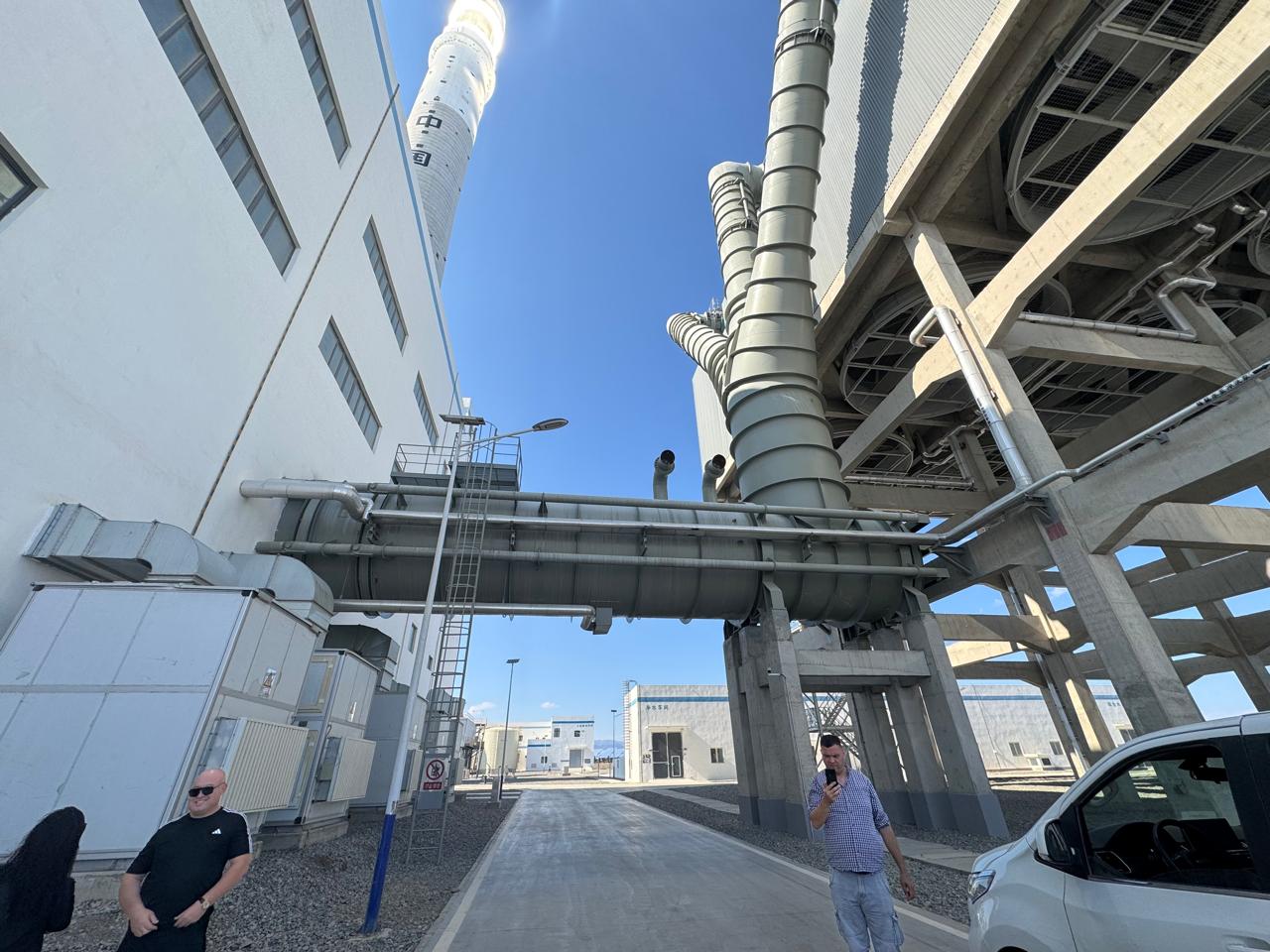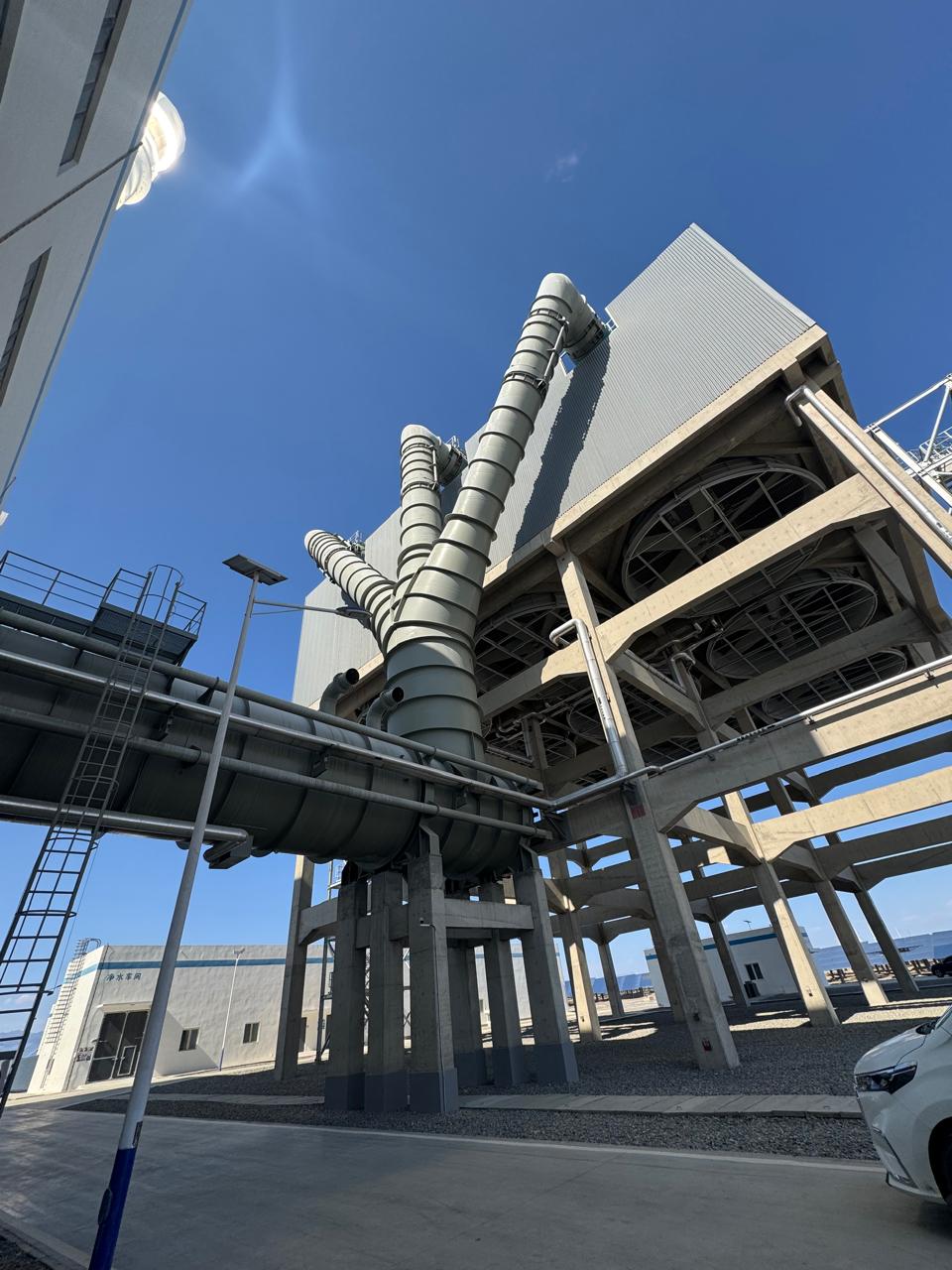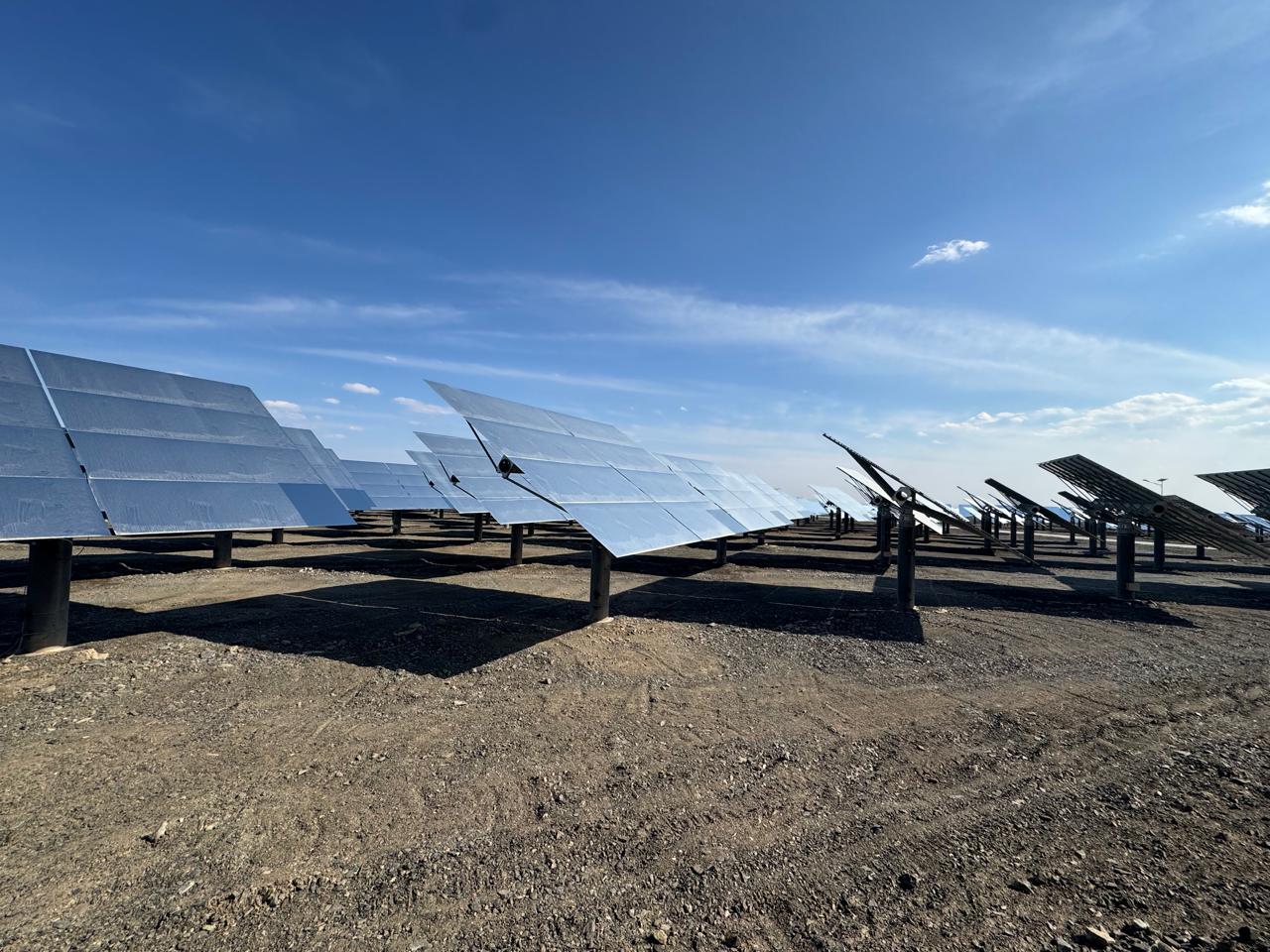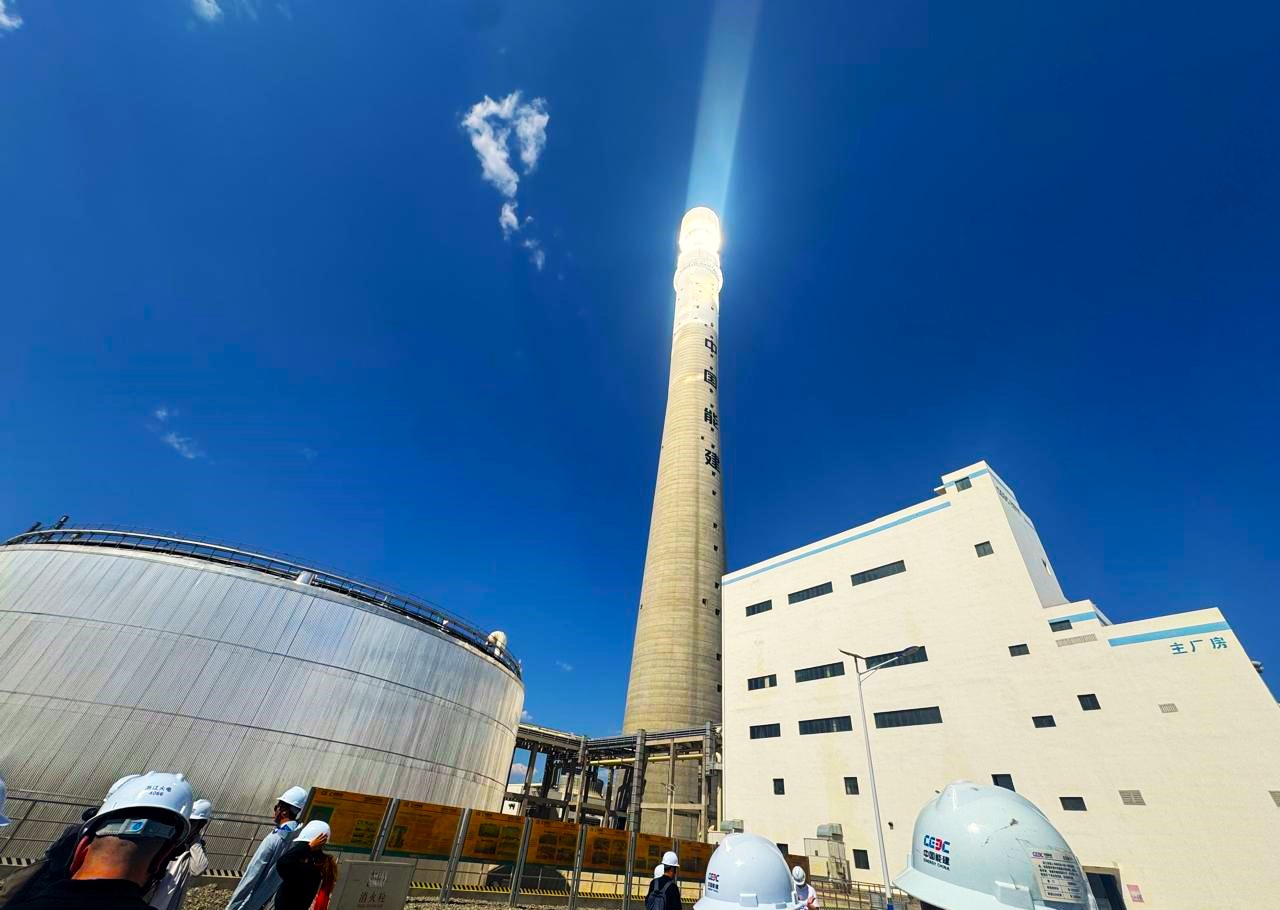
The Energy China Xinjiang Turpan Integrated Project, led by China Energy Construction Group Zhejiang Thermal Power Construction Co. Ltd., stands as one of China’s boldest demonstrations of renewable energy innovation. Combining concentrated solar power with wind generation, the project reflects a national commitment to building an energy system designed not only for today’s demands, but for tomorrow’s economy.
Completed in 2022 at an investment of five billion yuan, the project is capable of delivering up to 900 megawatts of electricity to China’s national grid. Yet its greatest achievement is not simply the scale of its output, but the ingenuity behind it. At a time when renewable energy is often criticised for its dependence on weather conditions, the Turpan Integrated Project demonstrates that clean energy can also be consistent, reliable and available around the clock.
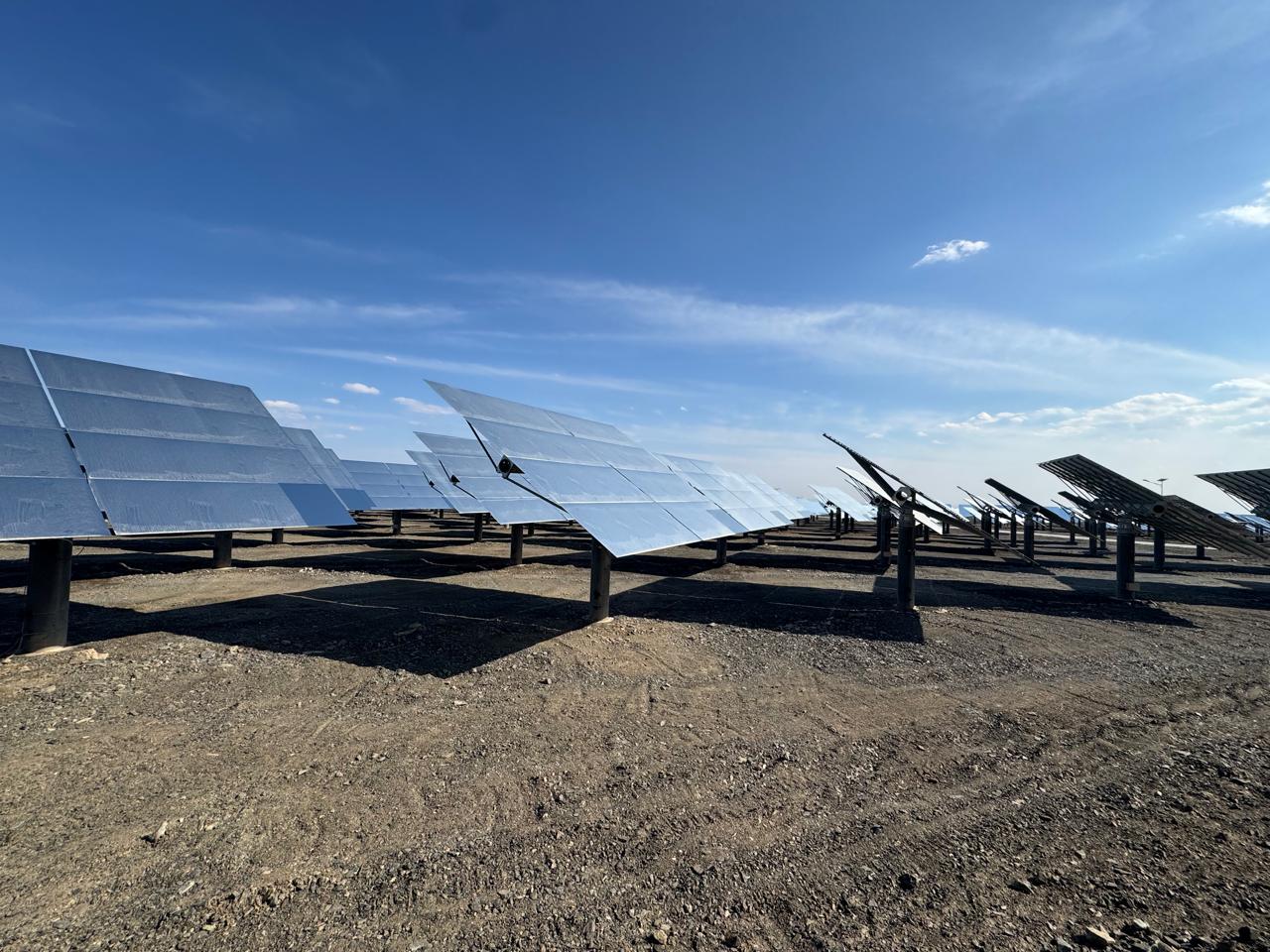
Dominating the landscape is a 205.5-metre central tower, surrounded by 21,165 heliostats—large mirrors that continuously track the movement of the sun. These mirrors reflect sunlight onto a receiver at the top of the tower, where molten salt is heated from approximately 290°C to 565°C. The heated salt is then stored in two massive tanks containing around 30,000 tonnes of molten salt before being used to generate steam, which powers turbines and produces electricity.
The significance of this technology lies in its ability to overcome one of renewable energy’s greatest challenges: intermittency. Unlike conventional solar farms that stop producing electricity after sunset, the Turpan Integrated Project stores heat collected during the day and continues generating electricity throughout the night. The result is a renewable energy facility capable of operating 24 hours a day, providing a stable and reliable supply of power.
Its environmental impact is equally impressive. The project is expected to generate around two billion kilowatt-hours of electricity annually while reducing coal consumption by approximately 450,000 tonnes each year. In doing so, it significantly lowers carbon emissions, reduces dependence on fossil fuels and contributes to cleaner air in the surrounding region.
Behind this achievement is Energy China, established in 2014 and consistently ranked among the Fortune Global 500 for the past nine years. While widely recognised for its expertise in power generation, the company’s work extends far beyond electricity. Its portfolio includes water infrastructure, roads, airports, high-speed rail, industrial construction, renewable energy, real estate and large-scale engineering projects across China and internationally.
Perhaps the most important lesson from Turpan is not simply technological—it’s strategic.
Infrastructure of this scale is not built overnight. It is the result of long-term planning, sustained investment and a recognition that energy is the foundation upon which modern economies are built. Manufacturing, digital industries, transport systems and economic growth all depend on one essential ingredient: reliable power.
For developing economies, that lesson is difficult to ignore. Too often, discussions around development focus on short-term political cycles while critical infrastructure is postponed. Yet energy security is not simply an environmental issue. It is an economic issue, an industrial issue and increasingly, a question of national competitiveness.
Projects such as the Turpan Integrated Project demonstrate that renewable energy is no longer merely about reducing emissions. It is about strengthening energy independence, attracting investment, supporting industrial expansion and preparing economies for the future.
As countries around the world accelerate the transition towards cleaner energy, those that invest today will shape tomorrow’s economy. The conversation is no longer whether renewable energy works. Facilities like the Energy China Xinjiang Turpan Integrated Project have already answered that question. The real question is which nations are prepared to build with the same level of ambition, and which will spend the next decade trying to catch up.