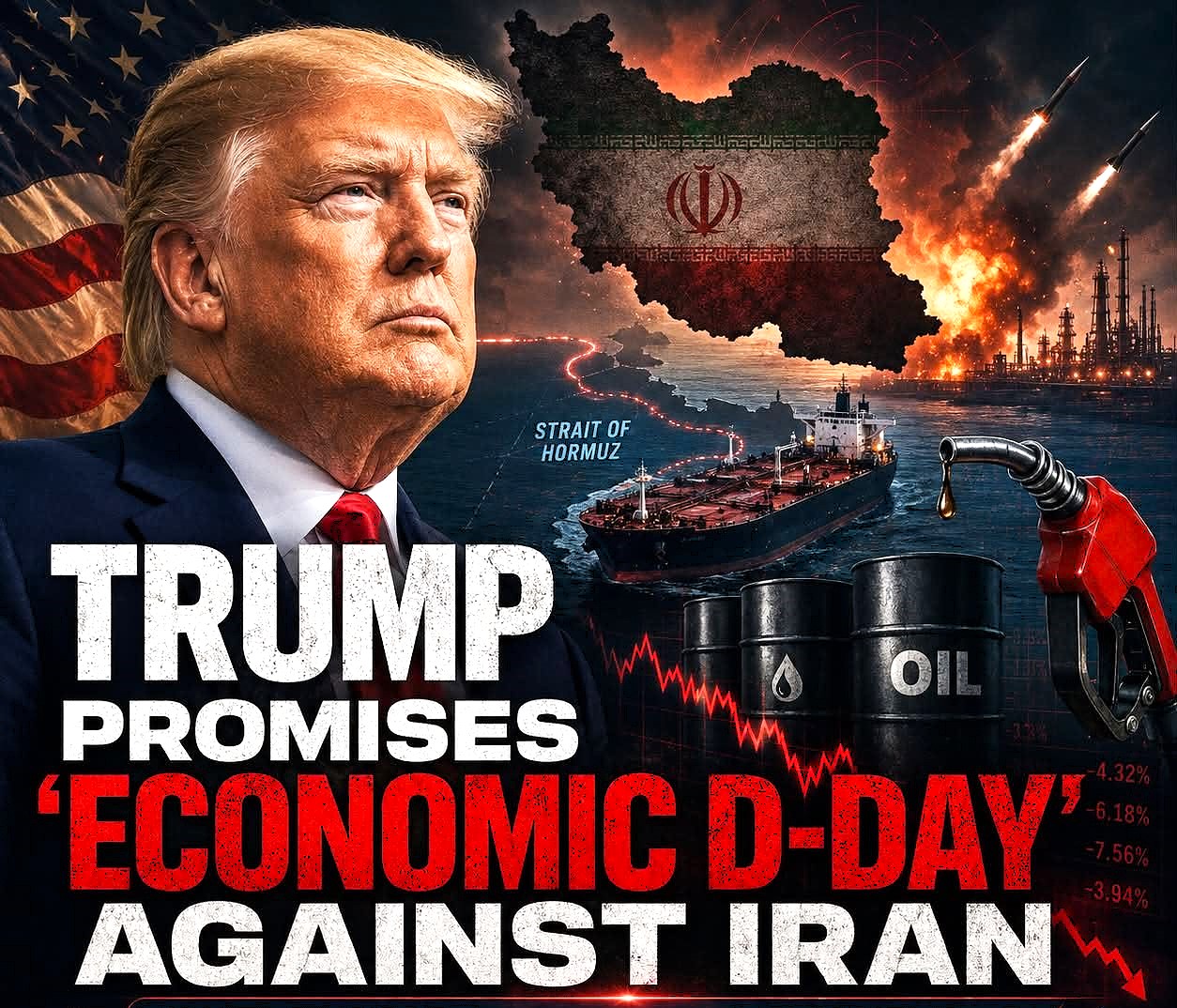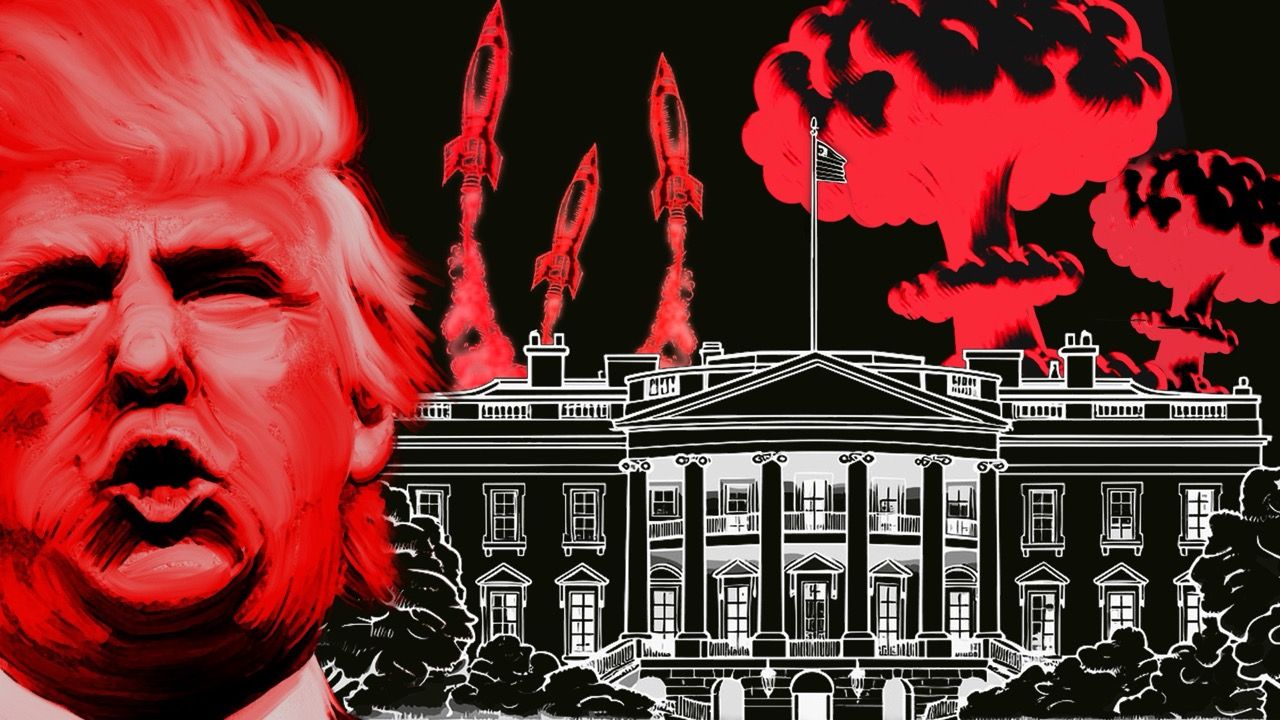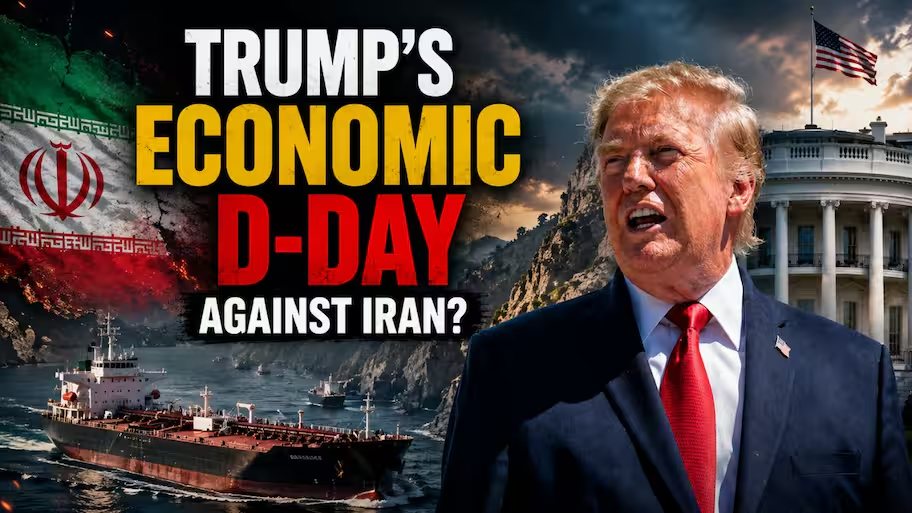
Take the day’s news as a single picture. Iranian missiles have targeted U.S. bases, including the Fifth Fleet headquarters in Bahrain, after U.S. bombers, the night before, struck the very rail line carrying millions of mourners to bury Iran’s assassinated leader.
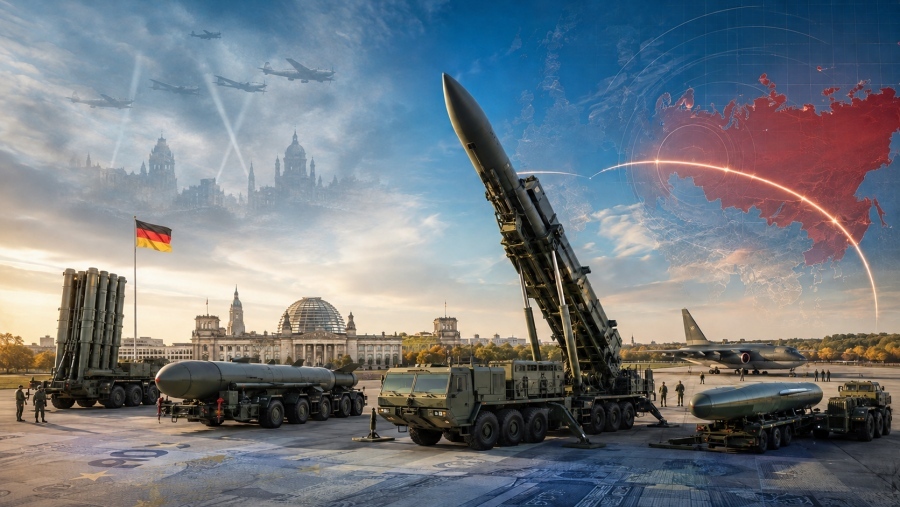
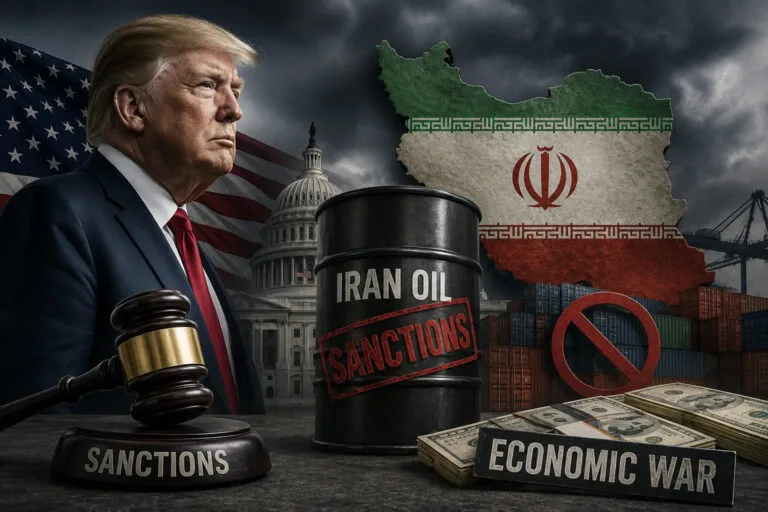
Oil leapt more than five percent and the Dow fell nearly 600 points as the President declared the ceasefire “over.” In Ankara, a NATO summit pledged seventy billion euros for the Ukraine war, cracked open a door to war on Iran, and loosened its trigger over the Baltic. Two wars, a fuse lit at both ends.
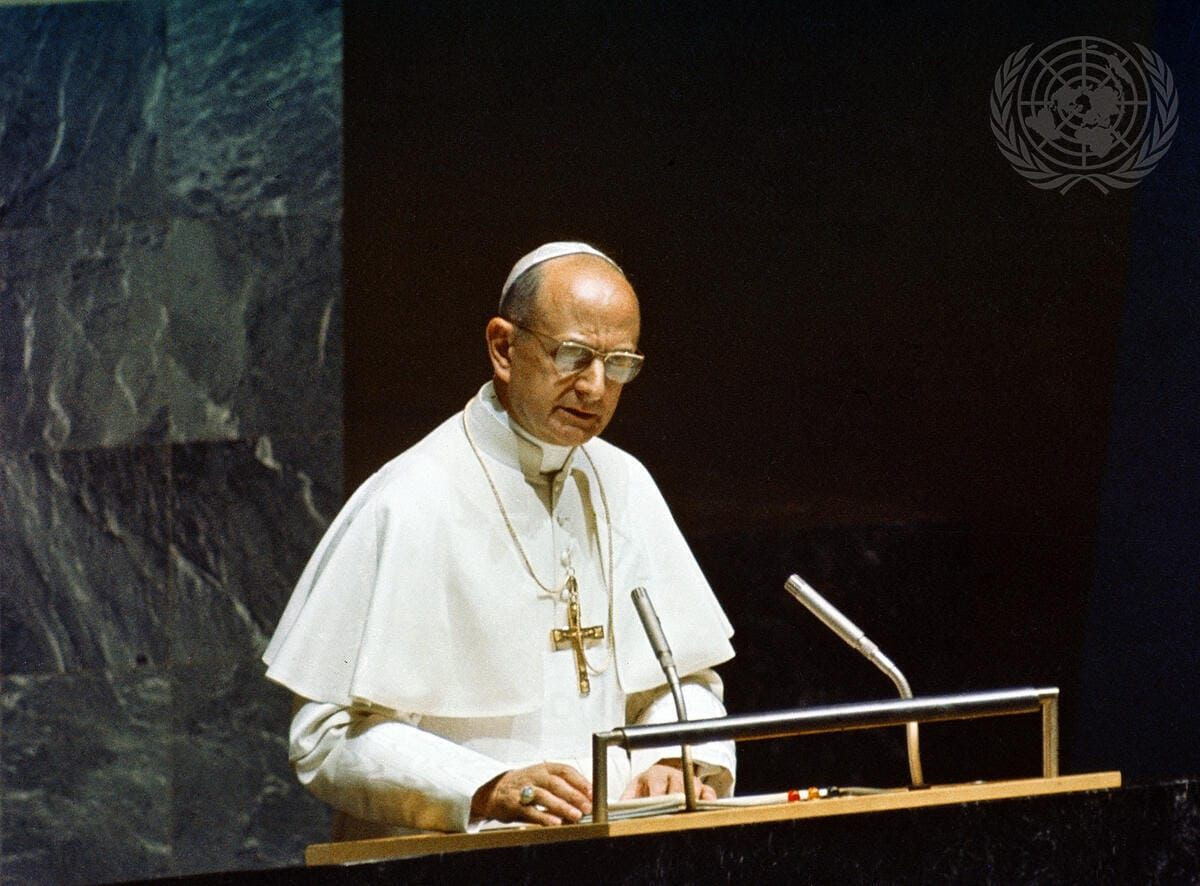
This is what a civilization looks like when it has forgotten its purpose—and it is precisely against this backdrop that what may be the most important intervention of the year has come from Rome. In his first encyclical, Magnifica Humanitas, issued May 15, Pope Leo XIV called humanity to act as one and to end colonialism in all its forms, grounding the appeal in a single principle: that “the desire for goodness, beauty and truth is rooted in the very DNA of humanity.”
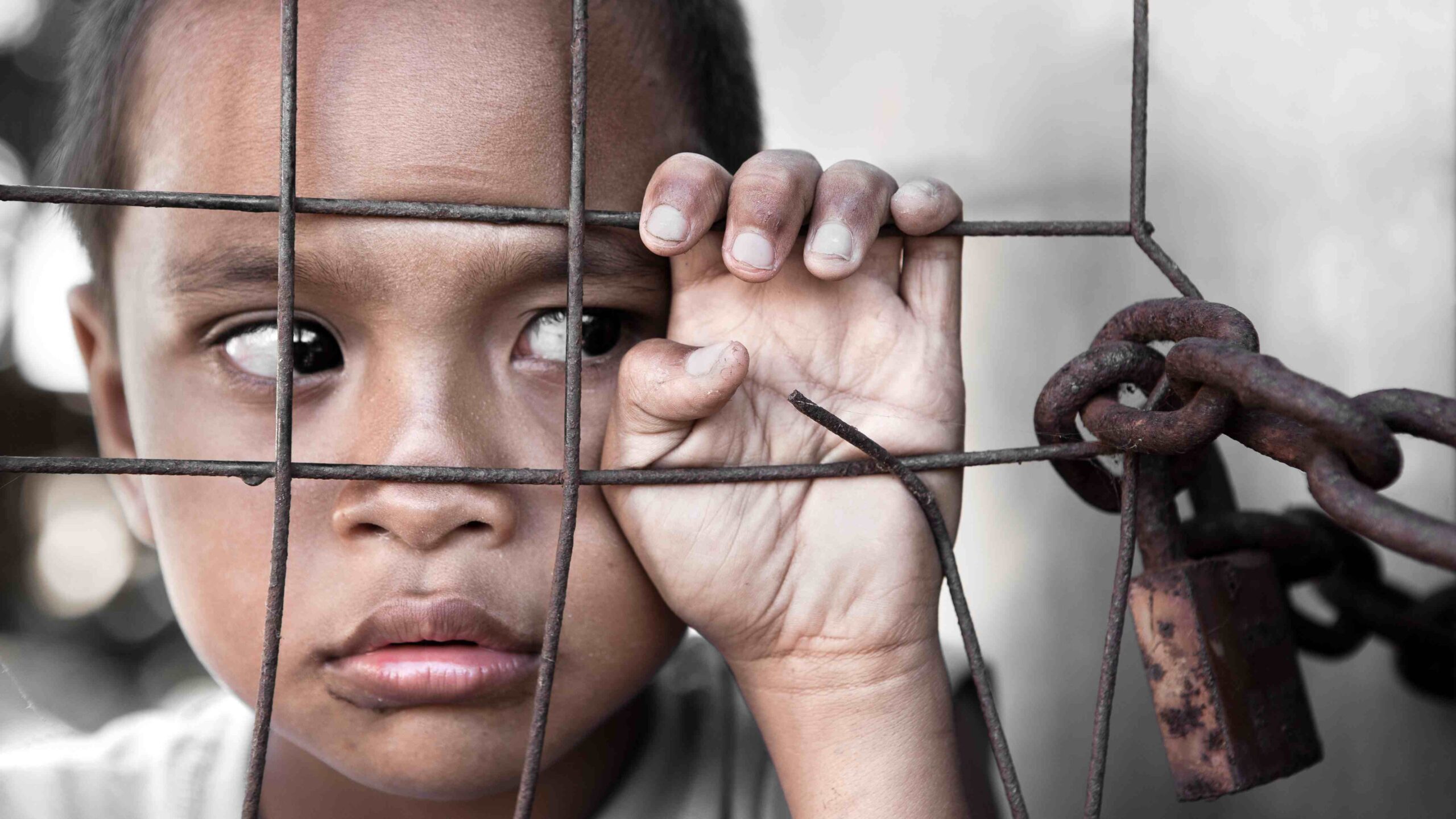
He applied it directly to the migration crisis now tearing the West apart, insisting that we are speaking “of people created in the image and likeness of God, rather than of legal categories or problems to be managed,” and that the answer lies in “the right to remain in one’s homeland in peace and security by addressing the root causes.”
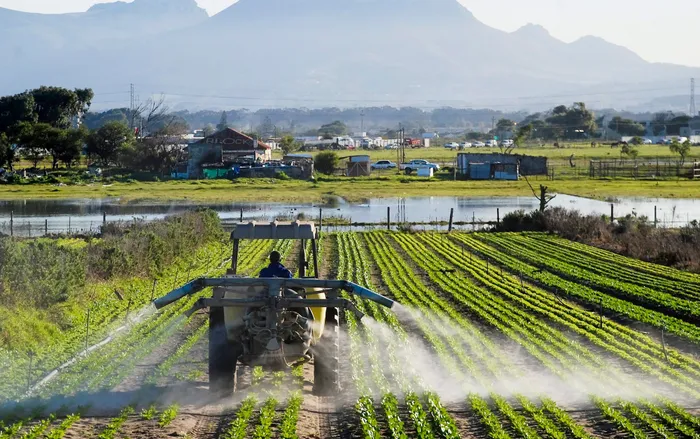
The anger over immigration convulsing Europe and America is real, and it will not be answered by choosing between impenetrable walls and open borders, but by development. The uncomfortable truth is that development, at first, increases migration—it takes rising incomes to move—and that the looting of the developing world now includes the quiet draining-away of its ablest people, the doctors and engineers a poor nation needs to build itself.
Can a nation develop while exporting the very people who would build it? As Helga Zepp-LaRouche has framed the task: Africa will have 2.5 billion people by 2050, and that means creating a billion new productive jobs in twenty-five years—through great projects and international partnership—rather than another generation of gunboats and camps.
This is where the United States must choose, and where Diane Sare’s independent campaign for President is the leading flank. She acts from the standpoint that America can still be recalled to its own founding ideals, that all are “endowed by their Creator” with both the right and the creative reason to develop, and that the true wealth of a nation is the mind of its every child.
It is the same conviction that sends a spacecraft a billion kilometers to help guard the Earth, and allows physicists to peer into the quantum structure of matter. “Magnificent humanity” is not just a slogan. It is a policy.
Bring that argument into full deliberation on Friday, July 31, when EIR convenes an Emergency Roundtable Dialogue—“Solve the Immigration Crisis with Development”— in two panels: “Pope Leo and the Dialogue of Civilizations”, and ”Development Drive Means Billions of New Jobs, No Refugees, No War.” It begins at 11 a.m. ET, streamed in English on YouTube, with Spanish, German, and French interpretation on Zoom. The wars will not stop themselves—but the alternative has never been more within reach.