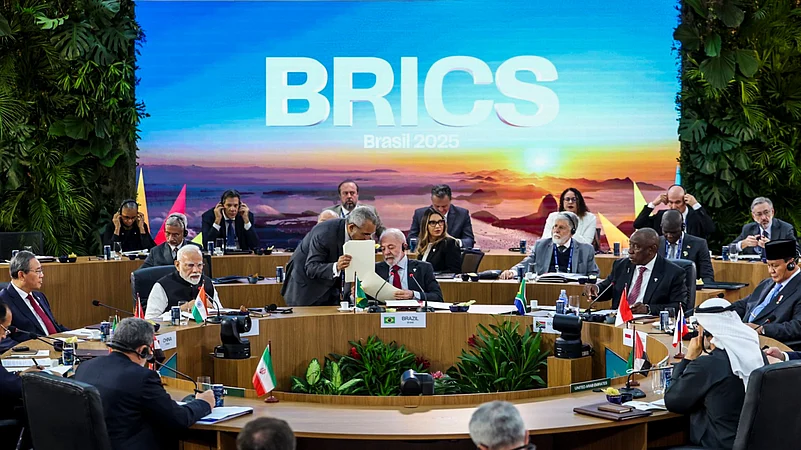
When BRIC incorporated South Africa in 2010 and added “S” at the end of its acronym – turning it into BRICS – many in International Relations believed something formidable was being birthed by the Global South in order to finally counter Western hegemony.
The initial members of BRICS – Brazil, Russia, India, China and South Africa were, and still are, formidable regional powerhouses with tentacles reaching and impacting geopolitics near and far.
In a world order overly dominated by the Global North since the establishment of the UN in a post-WWII in October 1945, the emergence of BRICS inspired hope for a counter force against Western domination.
It is fathomable to acknowledge Western domination and its origins after WWII when war-weary European powers and the US thrashed out modalities for a new world order. Establishing the UN system, they sought to ensure there would never again be a repeat of fertile ground for Hitler-like war mongers to trigger a global conflict.
The preamble to the UN Charter reads in part: “We the peoples of the United Nations (are) determined to save succeeding generations from the scourge of war, which twice in our lifetime (WWI: 1941-1918 and WWII: 1939-1945) has brought untold sorrow to mankind…”
Millions of men and women lost their lives in the two wars. But when the UN was established, a significant number of African and Global South nations were still under the yoke of European colonial powers such as the UK, France, Germany, Spain, Portugal and The Netherlands, among others.
Preceded to a large extent by the savagery that was slave trade, colonialism was racism and discrimination in its rawest form and left all colonies reeling from the dire economic consequences of Western thieving and plundering of resources of the colonized.
In my view, this history needs to be told at every opportunity, lest it is erased from memory, just as it has been gradually erased from international literature. It is a history that requires to be told repeatedly so that generations in the former colonies will know it and continue to seek reparations and apologies where none ever came till this day.
As the formerly colonized and oppressed peoples across the Global South, we must invoke the famous African proverb that says: “Until lions have their own historians the hunter will always be glorified.”
The composition of the UN consciously excluded the interests of the colonies of the times. When many nations, particularly in Africa, gained independence and joined the UN system, they only added to the numbers in terms of voting.
The UN system itself remains unchanged, with increasing choruses of calls for reforms led by nations such as ours, South Africa, the AU, Latin Americans, Caribbeans and Asians alike.
To a large extent, the voices of beneficiaries of the structural flaws of the UN system throughout the Global North remain noticeably muted.
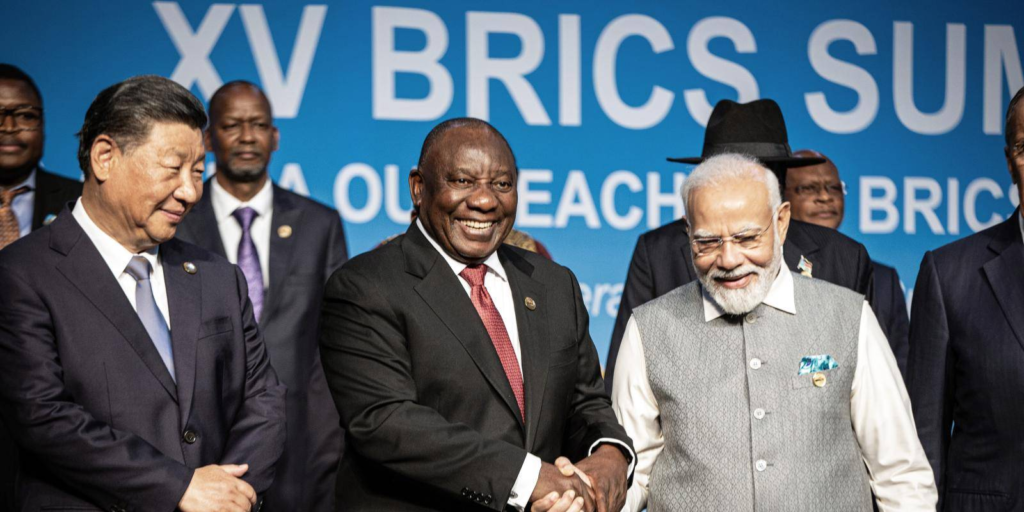
It is in this light, therefore, that the formation of BRICS created heightened expectation for freedom at last! The popularity of the BRICS bloc in global affairs has continued to grow unabatedly. During the 2023 BRICS heads of state summit held in South Africa, the membership of BRICS more than doubled – increasing by just over 100%. This was after the admission of Egypt, Ethiopia, Iran, Saudi Arabia, UAE and Indonesia.
More than 40 countries had initially applied to join the bloc when the above were carefully selected along with Argentina, who soon afterwards pulled out following a change of government in Buenos Aires. In addition to the expansion of BRICS since its inception in 2006, the bloc maintains an additional status for ten “partner countries”.
It is no wonder, therefore, that the rise of BRICS had been largely viewed in geopolitics as a representation of the marginalized societies reclaiming their own voices. BRICS has come to serve as a catalyst for Global South mobilization. Much more than that, the bloc is a rare agency of positivity in South-South relations. Such cooperation is particularly crucial at this point of unilateralism in world affairs.
Since 2006, BRICS has promised a lot. The bloc’s primary purpose was described as fostering “geopolitical and economic cooperation among emerging economies”.
According to Council on Foreign Affairs, BRICS “aims to counterbalance Western-dominated institutions, increase the influence of the Global South, and reduce reliance on the US dollar by exploring alternative financial networks”.
Many other subsequent themes of BRICS summits had assumed similar threads. Fast-forward to the SA summit in August 2023, the theme was: “BRICS and Africa: Partnership for Mutually Accelerated Growth, Sustainable Development and Inclusive Multilateralism.”
In 2024, the theme for BRICS Summit held in Russia was: “Strengthening Multilateralism and Just Global Development and Security.”
And then, the theme for the 2025 summit held in Brazil was: “Strengthening Global South Cooperation for a More Inclusive and Sustainable Governance.”
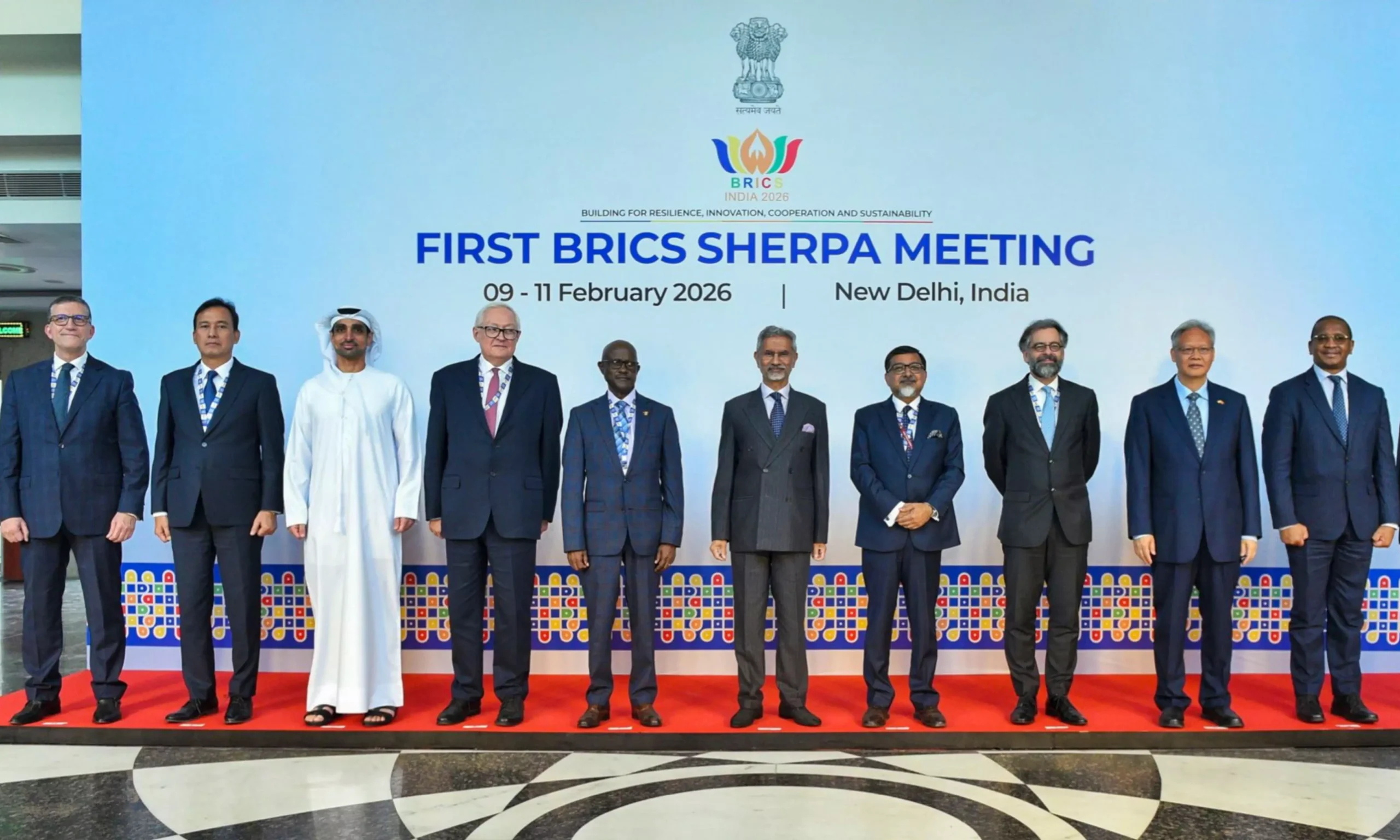
This year’s summit will be hosted by India in two months. The theme is as follows: “Building for Resilience, Innovation, Cooperation and Sustainability.”
As it can be seen, the golden thread cutting across several summits is cooperation and multilateralism. Economics are unmissable, too, so is security.
But all these sound like magic to the ears when verbalized. However, BRICS needs to walk the talk. The bloc needs to put into action their expressed desires. So far, sadly, they simply don’t. They pay lip service to their own stated objectives. At this rate, I am struggling to see how they can “counterbalance Western dominance”.
In theory, the bloc has promised so much, and yet offered so little. Never in the history of geopolitics has so much been promised by so few to so many.
Evidently, BRICS lacks the courage to speak in one voice on vital geopolitical matters. This is glaring in that the bloc fails to articulate its common stance even in situations where BRICS own members are involved, let alone so-called “partner countries”.
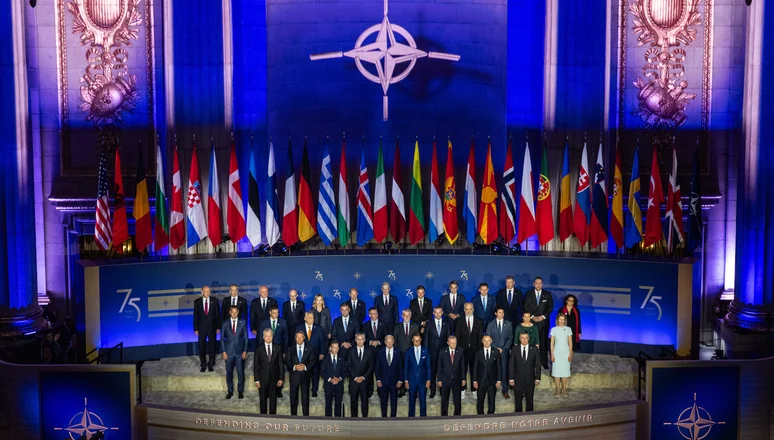
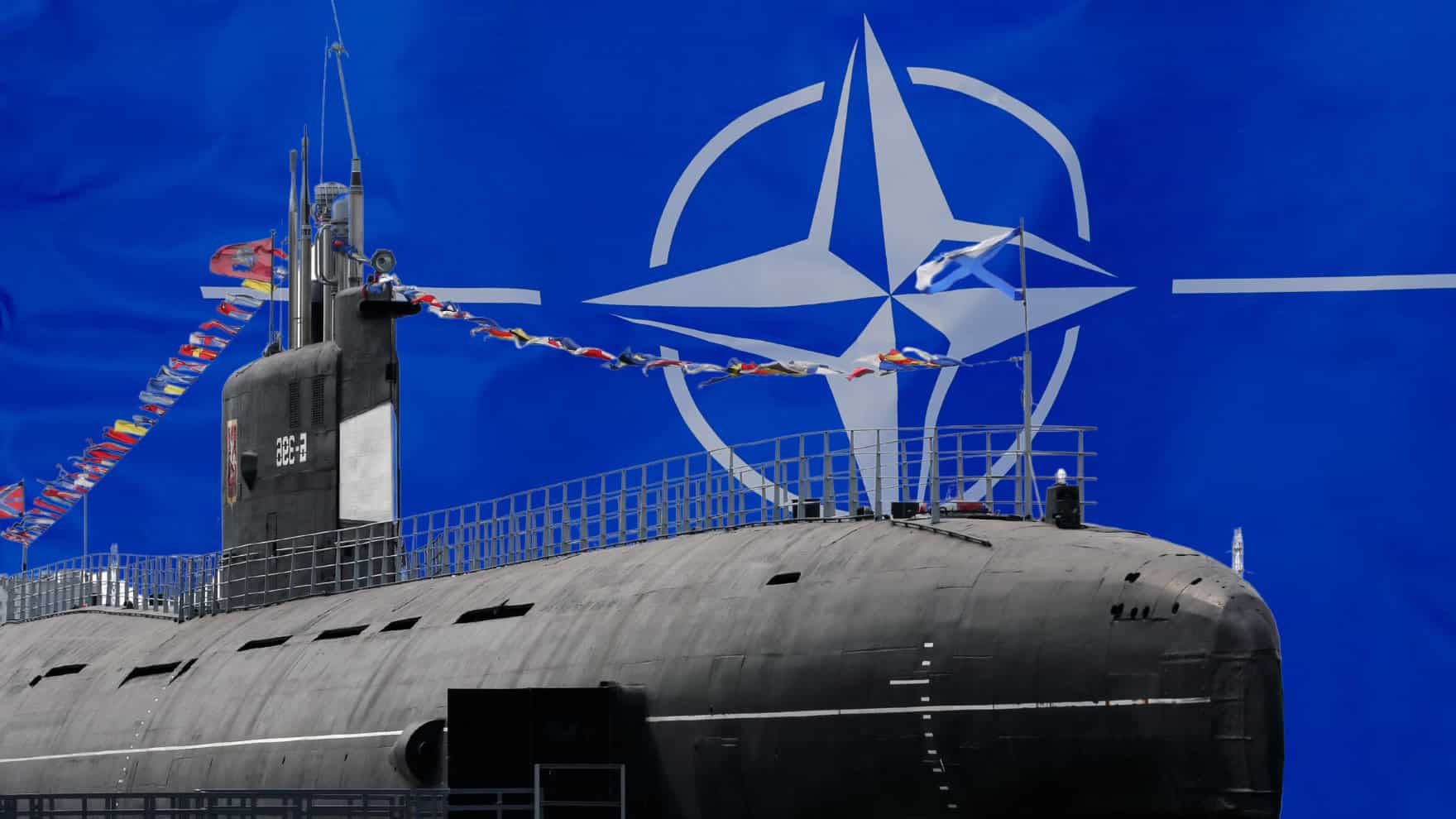
For instance, I have no recollection of BRICS’ common stance in support of Russia against the Western onslaught against Moscow in the wake of the outbreak of Ukraine war. Russia continues to almost single-handedly face a barrage of economic sanctions and relentless diplomatic isolation by the West. Additionally, NATO has openly admitted to being involved in a proxy war against Russia, using Ukraine as cannon fodder.
There was also the matter of US-sponsored Israeli genocide in Gaza, where the entire civilization has all but been erased through unprecedented bombardment in memory. Today, Israeli military occupies 70% of Gaza, according to the UN. This has compressed an entire population into a tiny 30% of the remaining land mass.
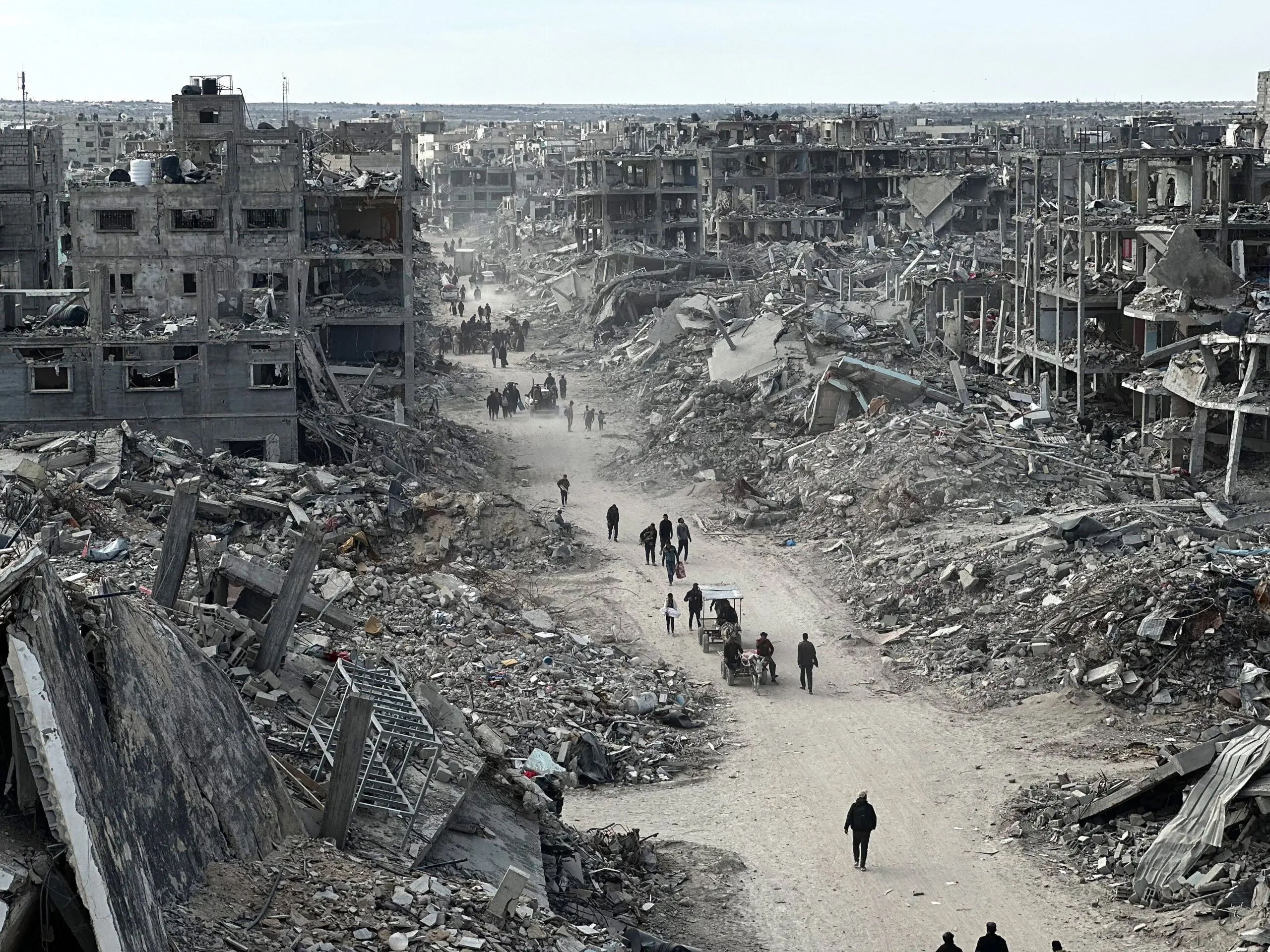
I’ve said this before, and I repeat: Israel’s treatment of Palestinians is much worse than apartheid. South Africa has taken Israel to the International Court of Justice over the ongoing genocide. Again, BRICS has issued no collective statement of the bloc in support of SA in the move.
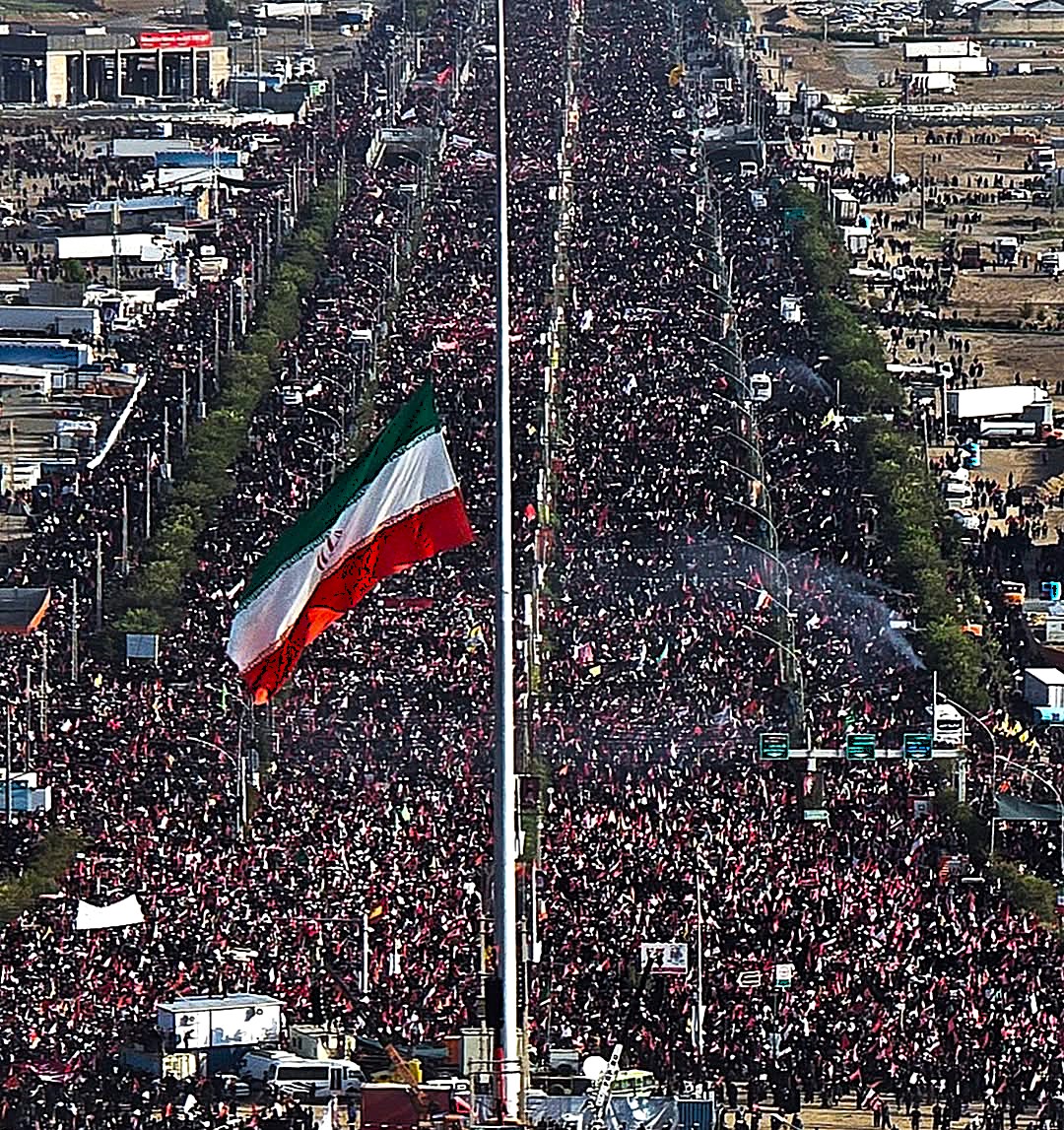
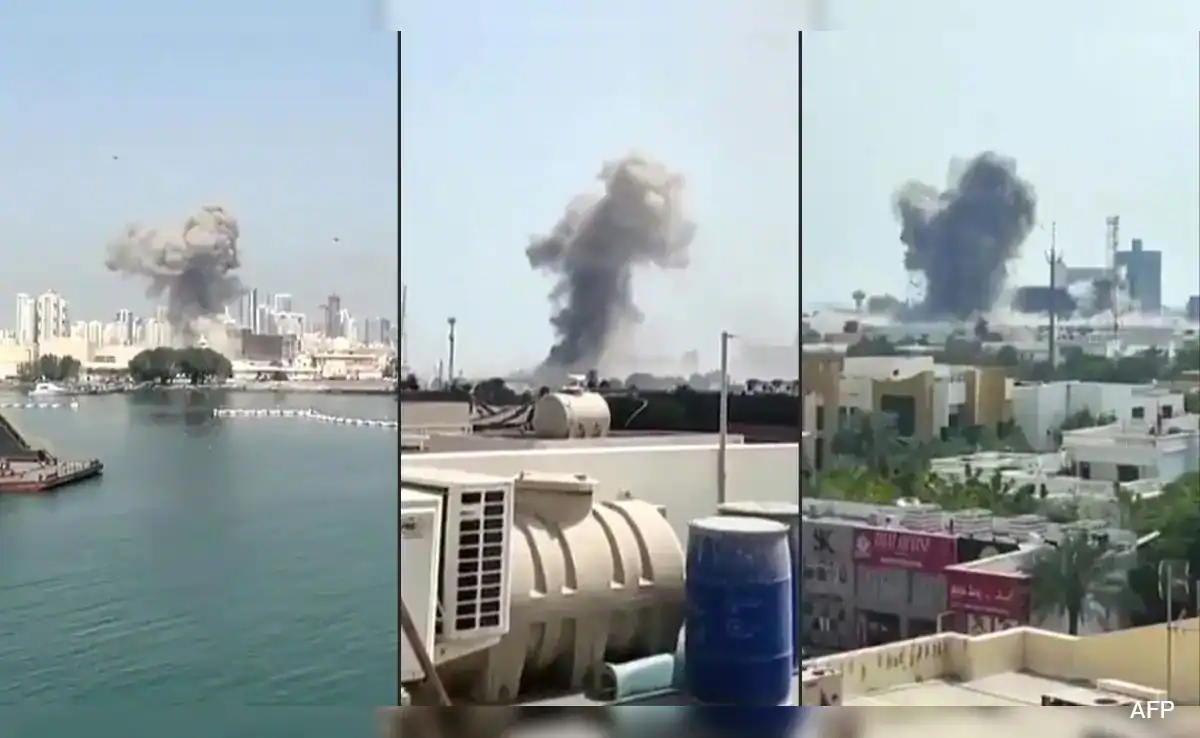
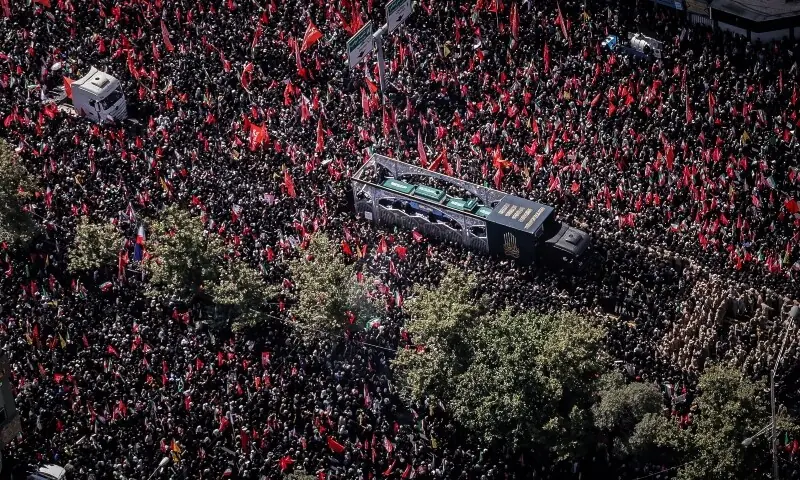
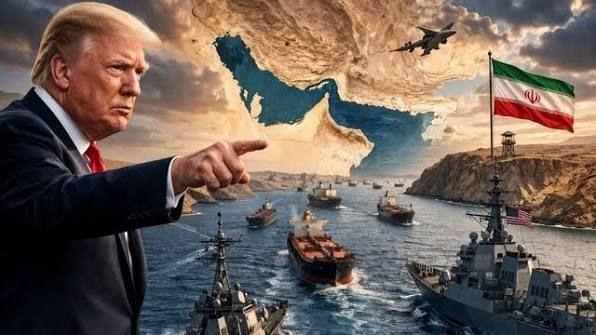
I can advance several other examples, but let me stop at Iran. Another member of BRICS involved in a major war of aggression by the US and Israel, yet BRICS’ silence remains too loud to ignore.
Juxtapose this with Western solidarity in the form of, among others, the G7. The group is unwavering in speaking in one voice on matters of mutual interest. They have a NATO-style Article 5, which refers to an attack on one is an attack on all.
They back Ukraine against Russia in every fundamental way – through international diplomacy, military hardware, personnel, finance and weapons manufacturing, among others. They hunt in a group. Together, they vote in the UN Security Council, and debate in unison on the floor of the UN General Assembly. When they hunt, no target can escape easily.
Three members of the G7 – US, UK and France, are permanent members of the UN Security Council with veto powers. Like the US protecting Israel with veto power all the time, the UK and France also operate in tandem in pursuit of common goals.
Within the G7 is also something called E3 countries, namely Britain, France and Germany. Together, they have issued a series of condemnation against Iran’s retaliatory tactics in the war against Israel and the US.
See, they attack you, and also want to issue you with instructions on how to react to their aggression.
The dichotomy in approach to geopolitics between the Global North and Global South led by BRICS is tantamount to chalk and cheese.
Western powers have a sense of duty to one another. Despite their internal differences – and there’s plenty – they quickly bury the hatchet when external challenges rear their ugly head.
President Donald Trump has sternly warned BRICS individual member-states against implementing de-dollarization, threatening sanctions. As if this was not a stated objective of BRICS, the bloc has remained timidly quiet in the face of finger-wagging Trump.
Very little is also said about the BRICS Bank that was supposed to counter the dominance of Western lenders such the World Bank and IMF.
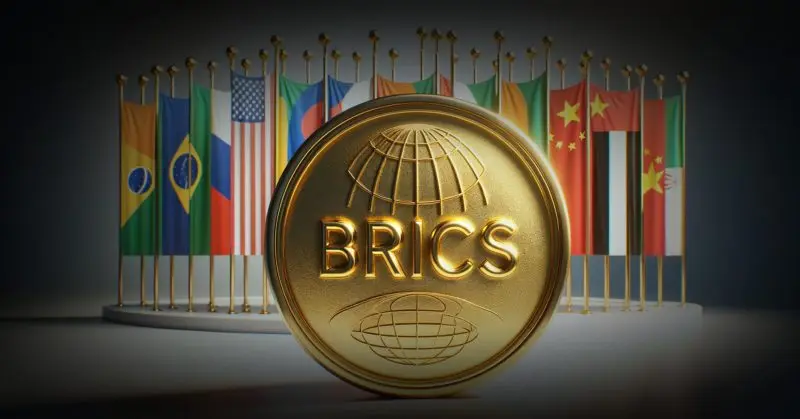
BRICS would like the world to believe that the bloc is united, yet their actions speak louder than words. They are fragmented to the core, and rely heavily on bilateral relations with each other than G7-style cooperation.
In my book, BRICS should rather close shop and carry on differently rather than to live a lie of close cooperation when the opposite is in fact true. On the strength of available evidence, BRICS seem to get at least one thing and only one thing right: They always agree to meet again! And truth is that they get it right here, and the case in point is the imminent heads of state summit in India in September.
Like the majority of people across the Global South, it pains me to watch such glaring shortcomings of a BRICS bloc that has so much potential. Hopefully, it is not too late to wake up. Better late than never. I rest my case.