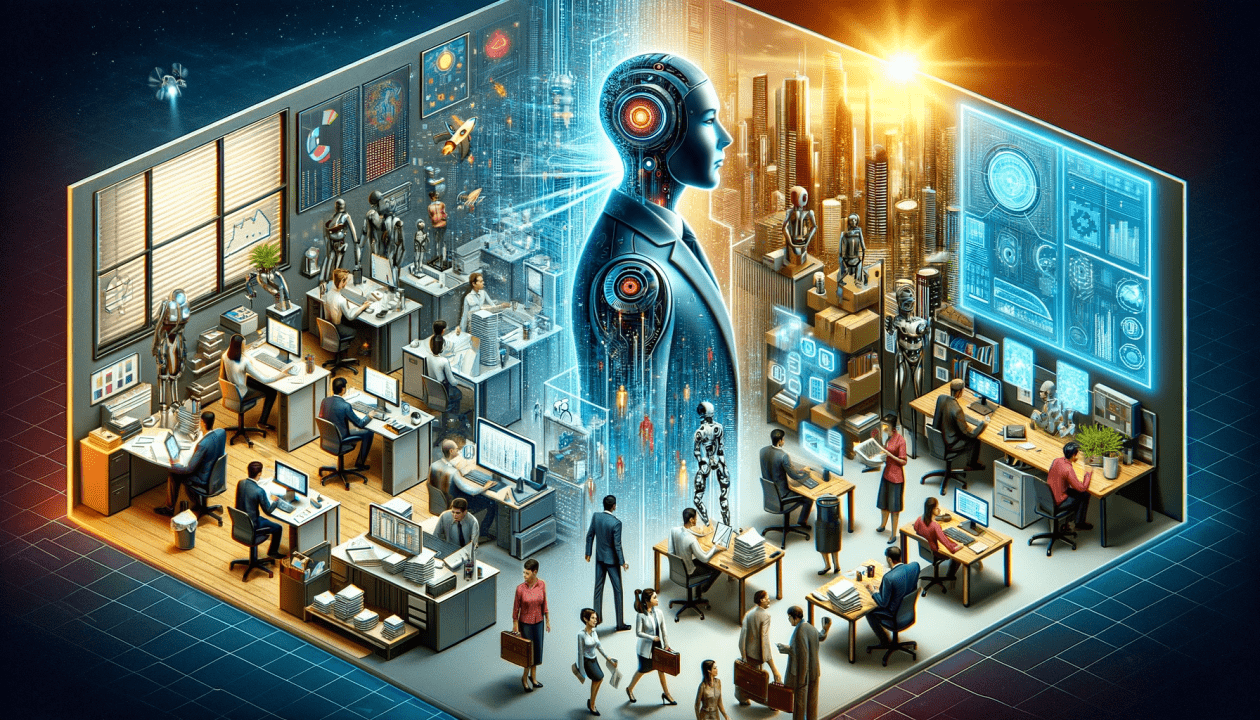
A major disruption is unfolding in global white-collar employment. According to Anthropic CEO Dario Amodei, up to 50% of entry-level white-collar jobs could vanish in the next five years due to advances in artificial intelligence. As detailed in Axios’ article “Behind the Curtain: A White-Collar Bloodbath”, this isn’t science fiction; it’s a forecast from one of the leading minds in the AI field. South Africa, already battling youth unemployment and graduate underemployment, is ill-prepared for this transformation.
According to StatsSA, South Africa’s youth unemployment rate stood at 45.5% in Q1 2024, and even university graduates struggle to find meaningful, skills-aligned work. Our economy continues to rely heavily on labour-intensive sectors like mining and retail while offering limited pathways into knowledge work. Now, with AI rapidly mastering entry-level professional tasks, such as document drafting, basic analysis, and customer interaction, the last buffer between graduates and long-term exclusion may collapse.

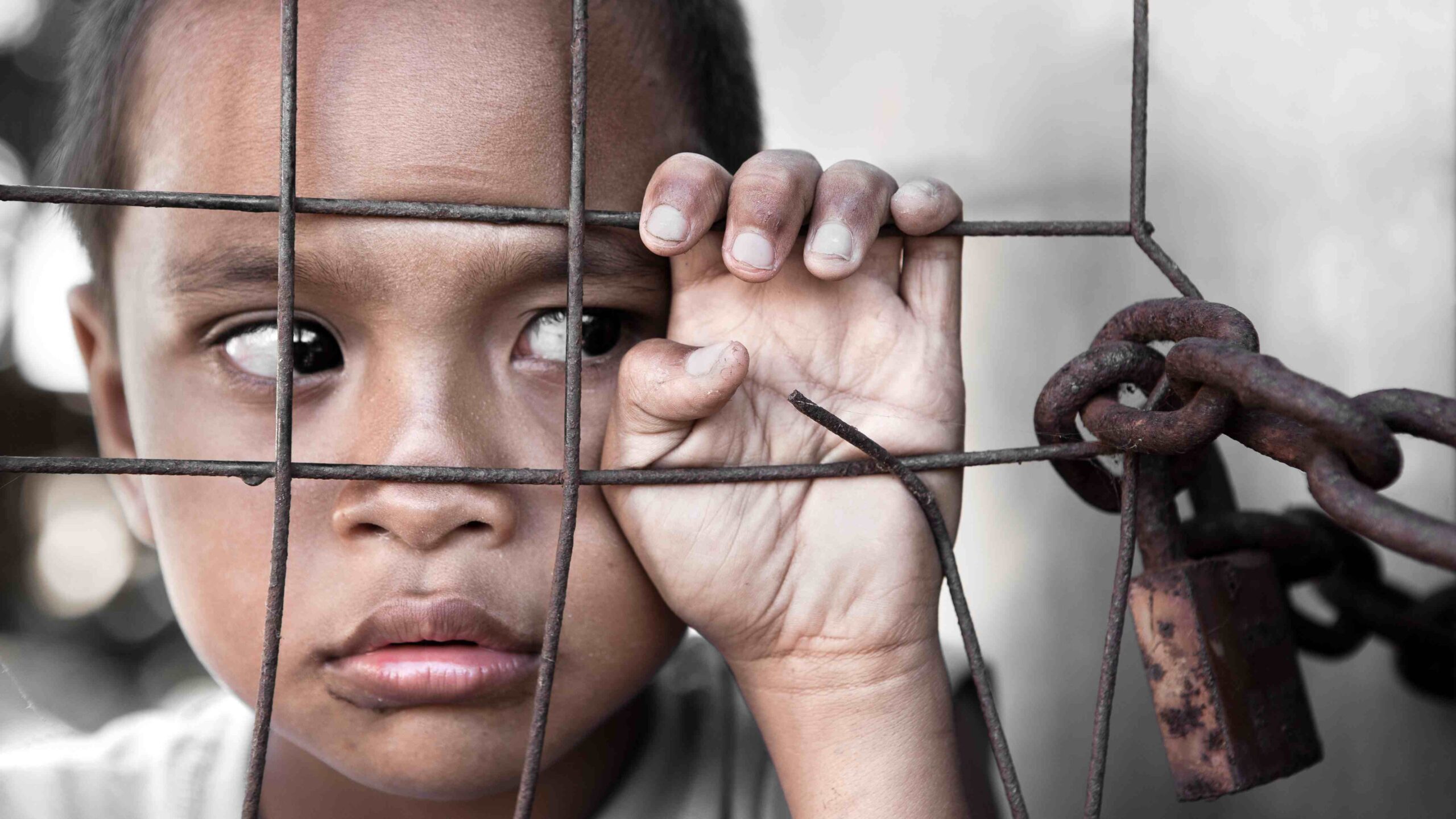
This shift is not about robots in factories; it is about machines replacing tasks traditionally assigned to junior professionals. Legal clerks, marketing interns, junior auditors, and admin graduates’ roles, meant to build workplace experience, are increasingly handled by AI systems that are faster, cheaper, and tireless. Employers may not downsize immediately, but they are already freezing hiring or redesigning roles to be “AI-first.” Without access to these stepping-stone roles, South Africa’s already marginalised youth may find themselves locked out of the formal economy altogether.

The government, academia, and business sectors are largely unresponsive to this looming crisis. Government conversations remain stuck in Fourth Industrial Revolution (4IR) rhetoric, disconnected from the speed and nature of current technological shifts. We are no longer preparing for change; we are reacting too late to one that is already here. To date, responses have been piecemeal. The Department of Communications and Digital Technologies has produced documents like the National Data and Cloud Policy and launched an AI Institute
with the CSIR and UJ. However, these efforts lack a coordinated AI-readiness strategy that connects automation with job protection, ethical deployment, and skills development. The 2020 Presidential Commission on the 4IR laid out strong recommendations, but implementation has stalled. Meanwhile, digital upskilling initiatives funded through the National Skills Fund or SETAs focus mostly on basic IT literacy and coding, not AI fluency or
workplace adaptation.

Universities and TVET colleges continue to produce graduates for roles vulnerable to automation. While some institutions offer data science or entrepreneurship programmes, the majority of curricula remain outdated. Employers, for their part, are adopting AI in operations, particularly in banking, consulting, and customer service, but without public commitments to ethical deployment, job transition planning, or internship preservation. Public discourse is also behind. Civil society and researchers have begun tackling data ethics and algorithmic bias, but little attention is paid to AI’s role in reshaping the graduate labour market. As a result, policy and pedagogy remain misaligned with the rapid automation of professional tasks.

South Africa urgently needs a coordinated national strategy for AI integration and labour resilience. This strategy must include:
- Regulation of AI deployment in sectors like finance, education, and HR.
- An AI usage tax or levy to fund reskilling, digital public employment schemes, or universal basic income pilots.
- Labour market forecasting that tracks which roles are most vulnerable and identifies growth sectors suited to human skills.

The education sector must act now. From basic education through to postgraduate study, curricula must equip students with data literacy, AI ethics, systems thinking, and interdisciplinary problem-solving. All disciplines, not just STEM, must be AI-aware. Pedagogies must evolve from rote learning to adaptive, applied learning.

Employers must also take responsibility. Ethical AI adoption should include commitments to preserving pathways for young professionals, supporting employee reskilling, and maintaining entry-level learning opportunities. Without these, automation will deepen inequality and economic exclusion.
We must also be bolder in where we look for future jobs. Care work, social entrepreneurship, the digital creative economy, rural innovation, and climate adaptation all require skills that AI cannot easily replicate, such as human judgement, emotional nuance, and cultural intelligence. If supported with funding and training, these sectors could provide both dignity and economic inclusion.

While structural change is vital, individuals, especially tertiary students, must act proactively. First, they must become AI literate, understanding how platforms like ChatGPT, Claude, and Scite.ai are transforming work. Many free or low-cost online courses are available. Second, students must strengthen human-centred skills such as ethical reasoning, creativity, communication, and teamwork, areas where machines still struggle. They should build real-world experience through volunteering, student leadership, and interdisciplinary collaboration. Third, graduates must build adaptable portfolios, showcasing skills through blogs, digital artefacts, or small projects. A certificate alone will no longer open doors.

Finally, students should demand more from their institutions, AI-informed teaching, curriculum updates, and exposure to emerging tools and thinking. This moment demands courage and clarity. AI is not on the horizon; it is in the room.
Without urgent, collaborative action across government, higher education, and business, South Africa risks cementing a two-tier society: those who build and manage the machines, and those left behind. If we act wisely, we can still shape a future where human talent and machine capability work together to create inclusive, ethical prosperity.










![Bishop Joe Seoka during The Funeral Service of Professor Itumeleng Mosala [Image: Mandla Seloane]](https://gsmn.co.za/wp-content/uploads/2026/08/WhatsApp-Image-2026-08-20-at-15.59.13-1.jpeg)