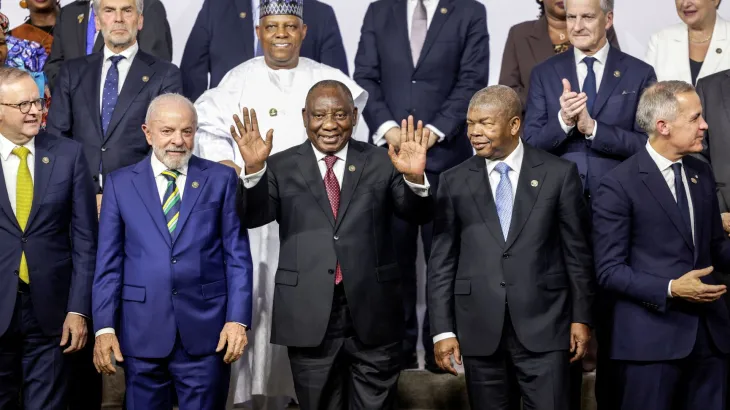
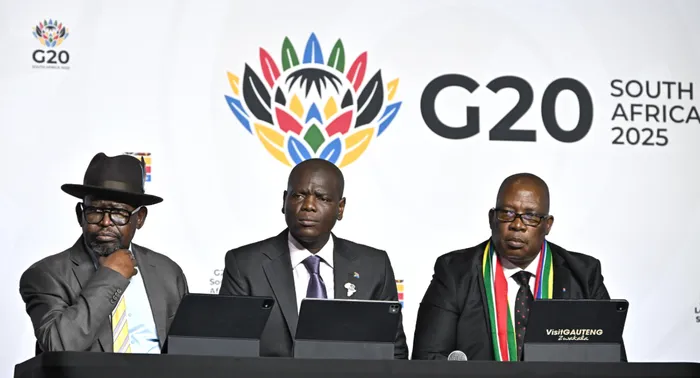
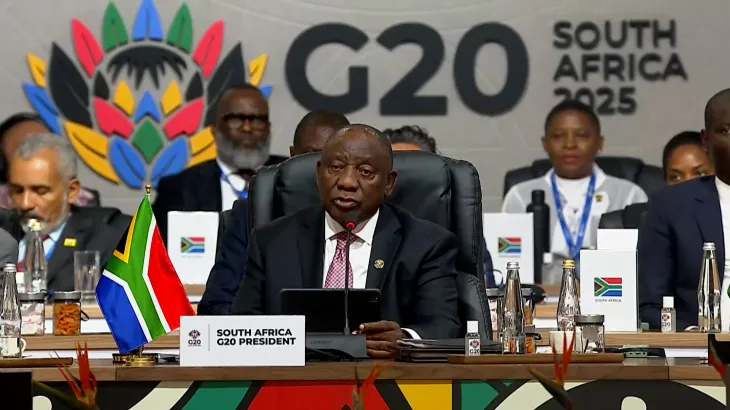
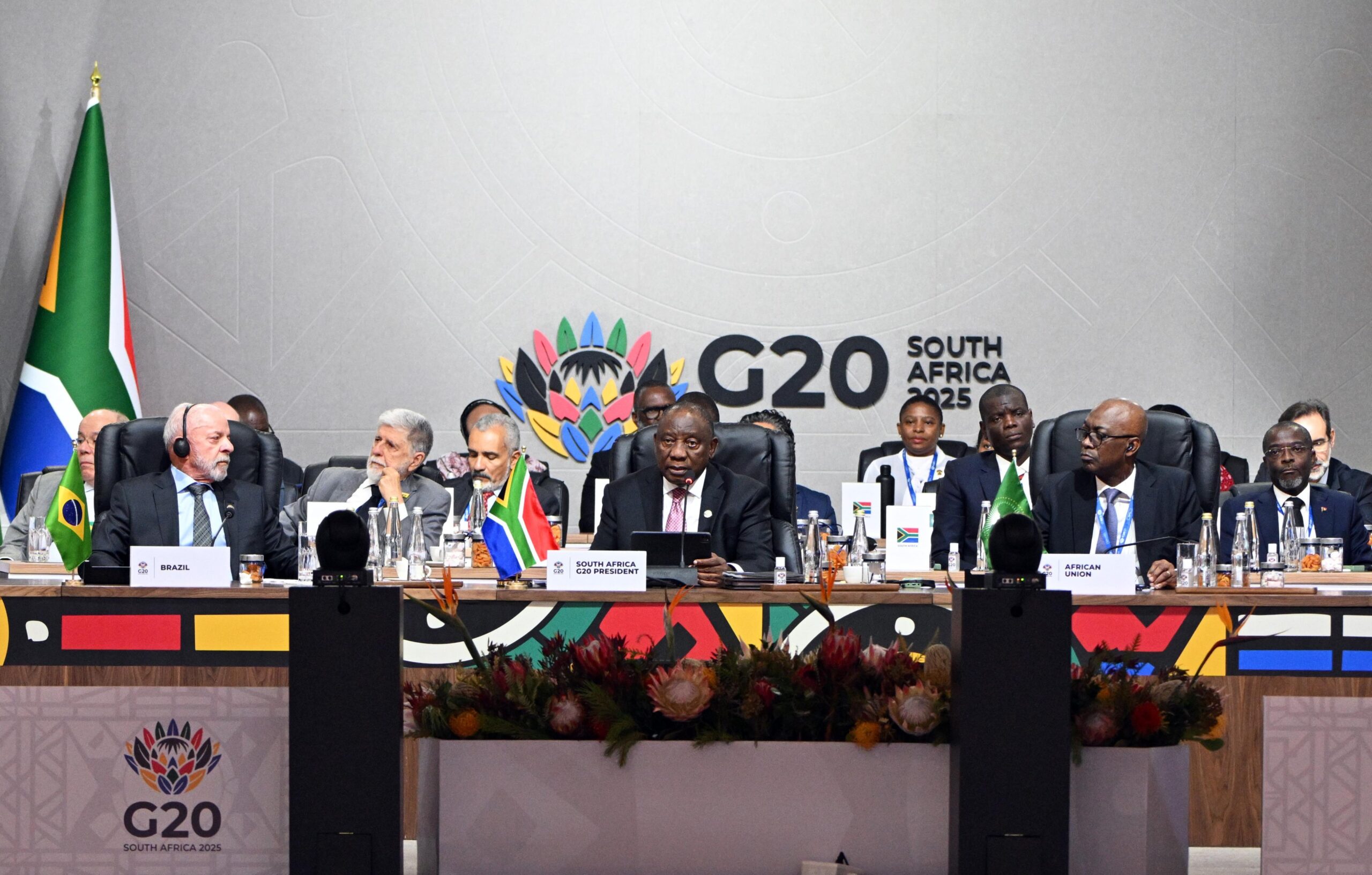
In a year defined by geopolitical fractures and waning Western dominance, South Africa’s G20 Presidency delivered something unexpected. It delivered clarity.
The Johannesburg Declaration doesn’t just elevate African priorities but it reframes the moral and political architecture of the global order. And in doing so, it reveals a South Africa the world may have underestimated.
Indeed, good things are happening in South Africa. But the significance of the 2025 G20 Summit lies not in spectacle or ceremonial prestige. It lies in the subtle yet unmistakable shift in global sentiment: a recognition that Africa’s voice is no longer optional but it is essential. And South Africa, despite its internal contradictions, has emerged as the continent’s most capable narrator.
From the outset, the 2025 Leaders’ Declaration carried a tonal signature that could only have come from the South. Its invocation of Ubuntu was not a stylistic indulgence but it was a philosophical reset. In a fractured geopolitical moment that is marked by proxy wars, economic nationalism, and political retreat, South Africa positioned humanity as a strategic framework. Where other powers offered competition, Johannesburg offered interdependence. Where others demanded alignment, South Africa demanded equity.
This imprint is visible throughout the Declaration, most notably in the Africa Engagement Framework (2025–2030), which shifts the G20’s understanding of development from a donor-recipient dynamic to one based on sovereignty and structural transformation. For the first time, Africa’s developmental blueprint is not relegated to the margins of global discourse, but it forms the backbone of it. Infrastructure, digital inclusion, regional connectivity, and industrial capacity-building are treated not as aspirational talking points but as material priorities.
The same imprint shapes the G20’s endorsement of Mission 300, the bold initiative to bring affordable and reliable electricity to 300 million African households. Only a country that has lived through its own energy crisis could articulate such a demand with both urgency and nuance. South Africa insisted—successfully—that energy justice is not a luxury in a warming world, but a prerequisite for survival.
Equally defining is the Ubuntu Legacy Initiative, a South African proposal to fast-track cross-border infrastructure and deepen regional integration. Its inclusion in the final text reveals how far Africa has travelled from the days when continental priorities were politely acknowledged and procedurally sidelined. This time, the G20 didn’t just nod. It agreed and committed.

Food security, often treated as a peripheral humanitarian matter, received unusually honest treatment in Johannesburg. The Declaration recognises the structural injustices embedded in global food markets such as; price volatility, trade distortions, and chronic underinvestment in local production. Here again, South Africa’s influence is unmistakable. A country that has seen the fragility of its own food systems understands that hunger is not merely a crisis of scarcity but a crisis of design.
Even in domains where Africa is typically excluded, such as artificial intelligence, South Africa carved out space for new thinking. The AI for Africa Initiative, embraced by the G20, pushes back against a digital future where the continent remains a consumer rather than a producer of technology. It argues instead for computational sovereignty, regional talent pipelines, and an Africa-centred data governance ecosystem. For a country grappling with uneven digital infrastructure, this is not ambition. It is foresight.
Climate, too, bears the South African stamp. The Declaration calls for affordable, accessible climate finance and robust support for adaptation — the very issues South Africa has raised for over a decade. This is not rhetorical victory; it is hard-won recognition that climate responsibility must be proportionate to historic emissions, not political convenience.
Most significantly, Johannesburg succeeded where many summits have stumbled: in securing concrete language on United Nations reform, including an expanded voice for Africa in global governance. While this does not remake the Security Council overnight, it signals the first meaningful shift in the G20’s stance in years — and it came from South Africa pressing relentlessly on the fault lines of an outdated world order.
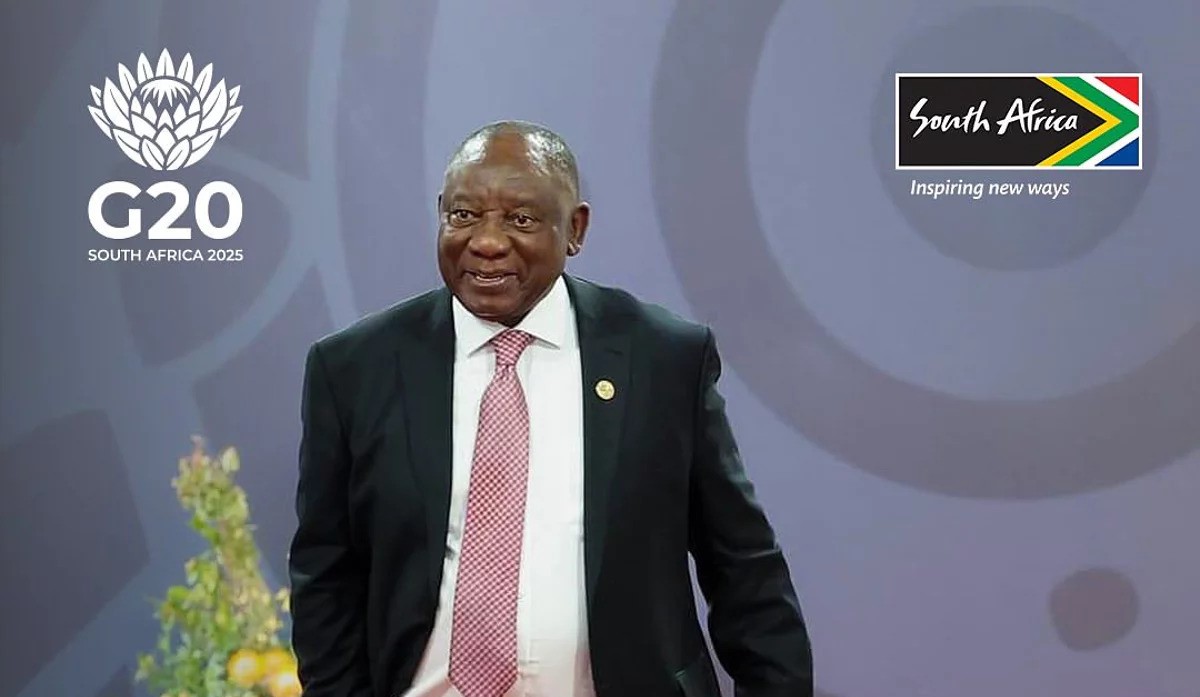
But the real revelation of the 2025 G20 is not what the world learned about Africa. It is what South Africa learned about itself. The country’s domestic crises from unemployment to energy instability are real. Yet its presidency proved that these challenges do not erase its regional stature or its diplomatic credibility. If anything, they sharpen them. South Africa speaks not with the insulated detachment of a global power but with the grounded authority of a country that knows what structural imbalance feels like.
That authenticity resonates globally. And it raises a provocative question: what if South Africa’s greatest strength is not perfection, but clarity of purpose?
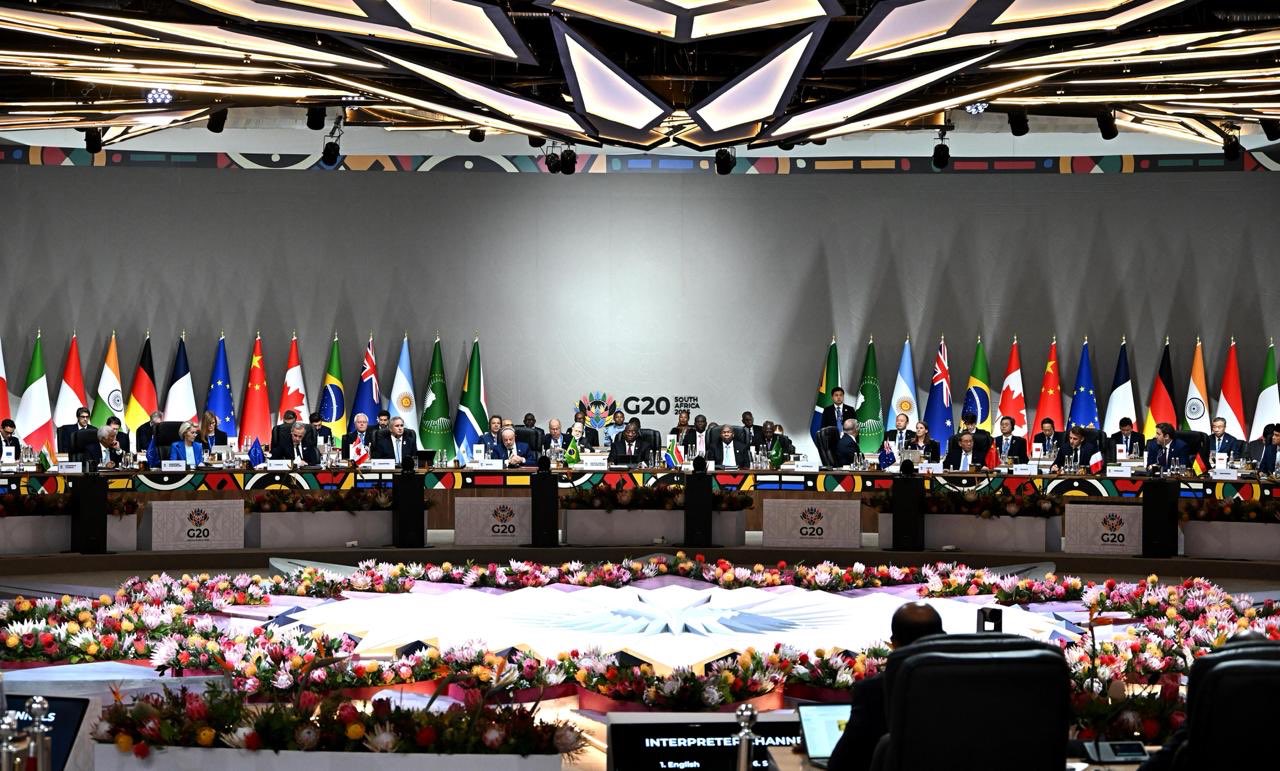
As the motorcades fade and Johannesburg returns to its charged, restless rhythm, the task ahead becomes clearer. Global admiration is not an end. It is capital — to be invested, not celebrated. South Africa must now translate diplomacy into domestic transformation by building the industries it championed abroad, reforming the institutions it defended on stage, and applying the same conviction at home that it wielded so effectively in the global arena.
If it succeeds and transformation reaches those in the margins, 2025 will be remembered not only as the year Africa hosted the G20, but as the moment South Africa helped rewire the architecture of global governance — and rediscovered its own possibilities in the process.
Good things are happening, indeed. But Johannesburg has shown something far more important, that the future is no longer waiting for South Africa. It is inviting it to lead. Because previously, the G20 by design, has always been more comfortable speaking the language of markets than the language of humanity. Yet in Johannesburg, the communique’s tone shifted. Suddenly, the world’s major economies were speaking about solidarity, equity, and shared responsibility with a fluency that sounded distinctly African and with a touch of Global South.