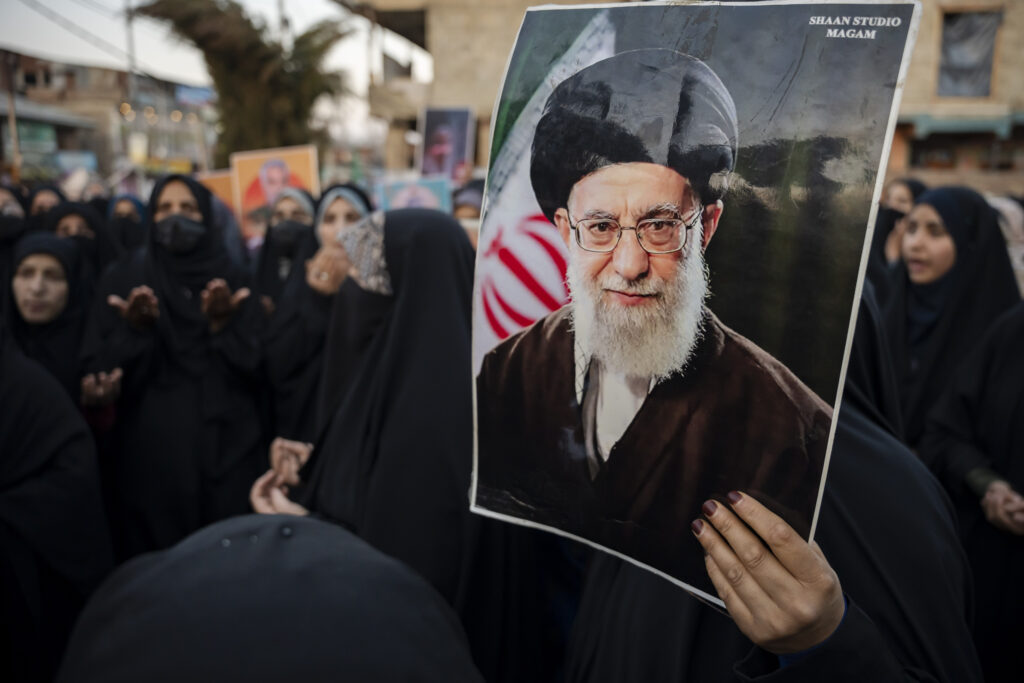
The devastation of the assassination of the Iranian Supreme Leader Ayatollah Ali Khamenei gripped the offices of the Brooklyn cultural offices of the embassy of Iran in South Africa.
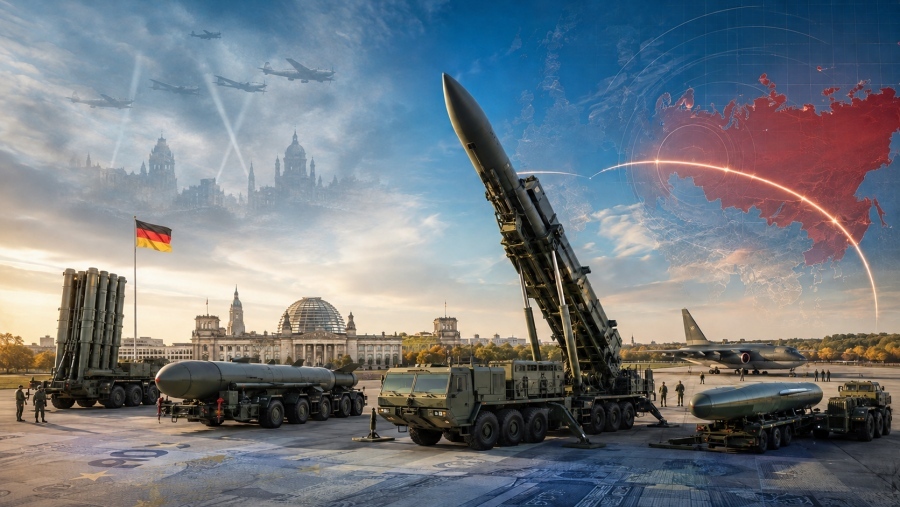
Twenty-four hours after Israel and the US launched a surprise military attack on the home of the Supreme Leader in Tehran, “martyring” him and several other leaders, a funeral atmosphere of grief and raw pain gripped the offices.
On arrival, it was dead still, and one could hear a pin drop. Mr Seyed Mostafa Daryabari, the Cultural Counsellor of the Embassy of the Islamic Republic of Iran, was overwhelmed with grief but managed to muster the strength to grant an interview.
The Supreme Leader had achieved basically every possible mission there is to fulfill, and after 36 years dedicated leadership to his people, he has now been martyred by the Zionists and Americans, Mr Daryabari opined, his eyes visibly teary and voice choking momentarily.
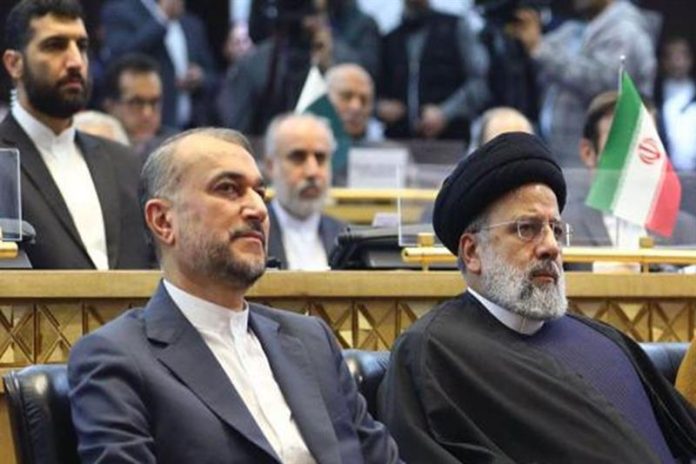
The most painful was the knowledge that the US was firmly in the midst of indirect negotiations with Iran in Geneva a mere three days prior to the attack. A third round of talks had been scheduled to take place within a week in Vienna, and the negotiating teams had returned to their principals for report back and taking fresh mandates, when suddenly, Israel and the US jointly pounced on the unsuspecting Iranians.
By all indications, the US had lulled Iran into a false sense of harmony. The Iranian Foreign Minister, Abbas Araghchi, had described the Geneva talks that were mediated by Oman as the most positive in a long time. The US Special Envoy, Steve Witkoff, who was in Geneva for the talks, also gave no hint about President Donald Trump’s cunning strategy of a lull before the storm.
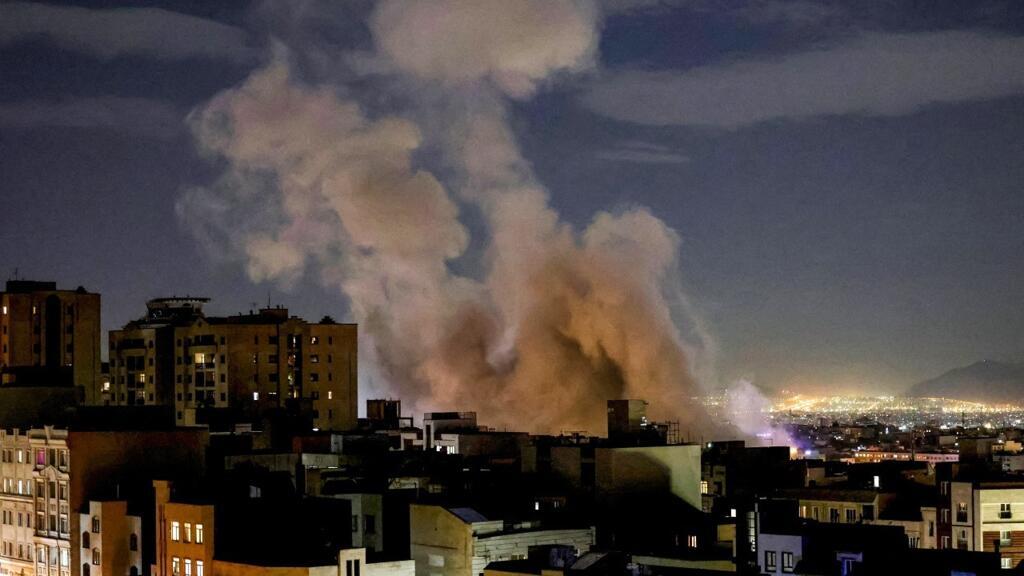
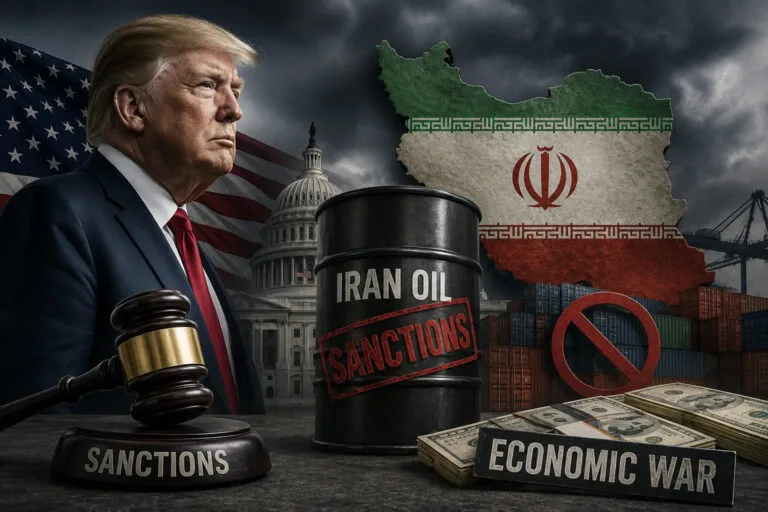
This prompted one Iranian politician to lament the complex history between Washington and Tehran, saying: “We’ve had a terrible experience of negotiating with the Americans,” indicating that the appetite for talks was no longer in the fray after the US had left Iran at the negotiating table and pounced during the most unsuspicious moment in the negotiations. The US and Israel’s unexpected attack was sly and cunning. But few could have expected that their joint military attack would target the Supreme Leader who has repeatedly indicated his wish for a negotiated settlement to the controversial Iran nuclear issue that was settled in 2015 until Trump tore it apart unilaterally in 2018.
During the interview with Daryabari, every question seemed too difficult to answer, but he strived nonetheless.
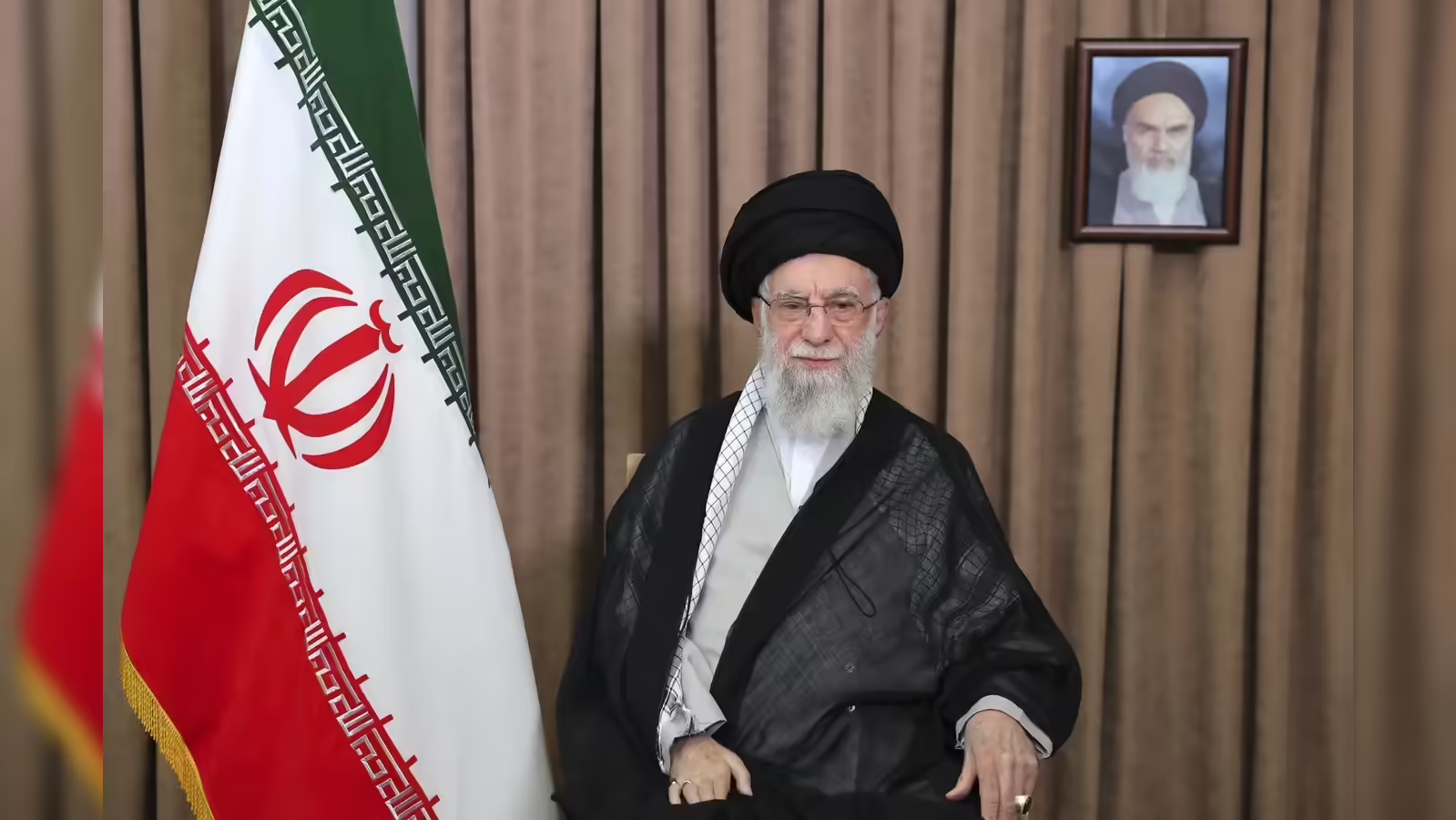
In the moment, it all seemed like Iran had few friends in the country’s hour of great need. In the Global North, allies of the US were already quick to condemn Iran retaliating, whilst Trump seemed to suggest that only a restrained retaliation would be permissible. It was as if to hit Iran, and dictating how Iran ought to react to the inflicted pain.
Inside the Brooklyn Cultural offices, Daryabari’s back was against a huge poster bearing the faces of the martyred Supreme Leader and Nelson Mandela. The poster also featured Mandela’s quote, saying about the slain Supreme Leader:
“He was one of the heroes we continued the fight against apartheid by relying upon him. Not only Imam Khomeini has been a great leader for Iran, but he has been a leader for all liberation movements in the world.”
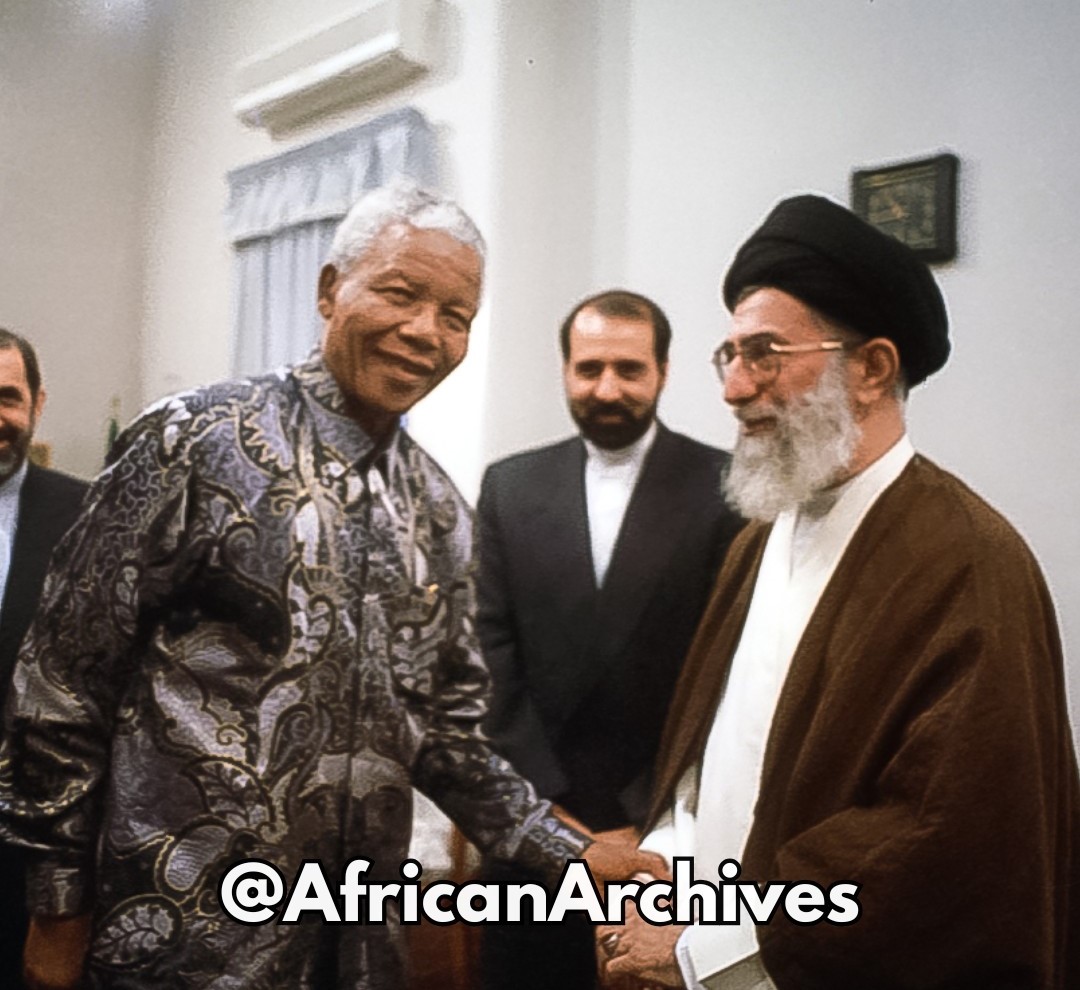
In his reflections on the life and times of the Supreme Leader, Daryabari said:
“We learn from our Supreme Leader to be brave to resist. And, to face the difficulties and climb the mountain to reach to the top. We lost our Supreme Leader who for 37 years ruled the country after the war. From underdeveloped to high technology, the Supreme Leader changed the picture of Iran,” he said.
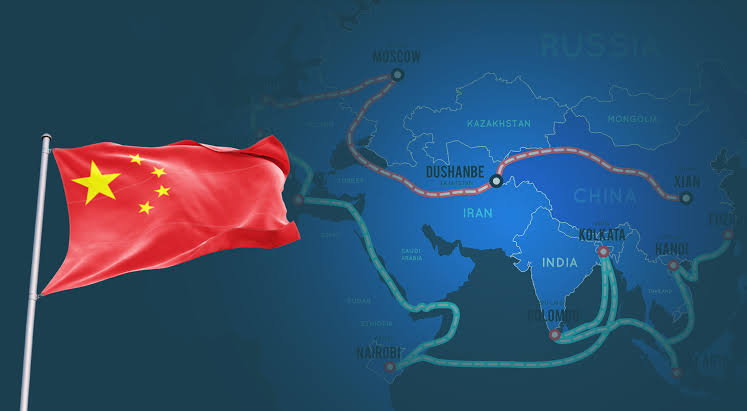
He thanked SA for standing with Iran especially as BRICS-plus members. Additionally, he thanks both Russia and China for speaking out in support of Iran during the Security Council meeting that met to discuss the conflict.
He said Iran was committed to peace, justice and sovereignty despite the current challenges. “We stand resolute in the face aggression,” he said.