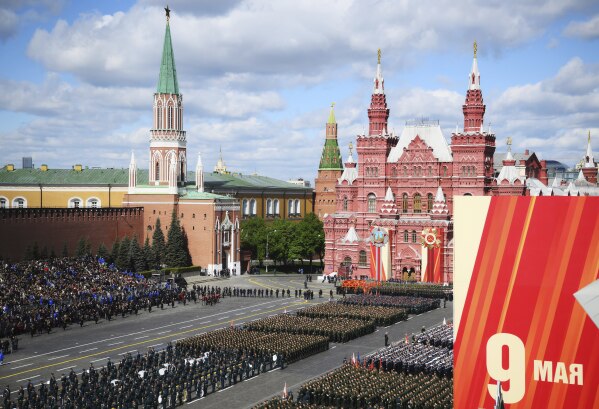
The 80th anniversary of Victory Day, marking a significant moment in history when the Red Army of the Soviet Union led the defeat of Hitler’s evil reign of terror that threatened mankind and humanity, reveals one sad truth about geopolitics.
What united Allies powers despite their gross ideological differences was the entrenched Nazism of Hitler’s Germany that sought to conquer the world, and amid that grave streak killed and maimed enemies, real or perceived. The Holocaust remains a tragic reminder of Hitler’s brutality and overall aggressive bestial nature.
Nations with deep-seated myriad of differences set them aside momentarily, appreciating the existential threat Germany under Hitler posed to the global architecture of a peaceful coexistence. The Allied powers were therefore united by sheer necessity. The alliance of forces led by the brave Soviets was not a consequence of pure goodwill. Survival demanded it. For 80 years since the end of the Second World War that started from 1939 and ended in 1945, the international community has succeeded to avoid a repeat of what Hitler and Germany represented.
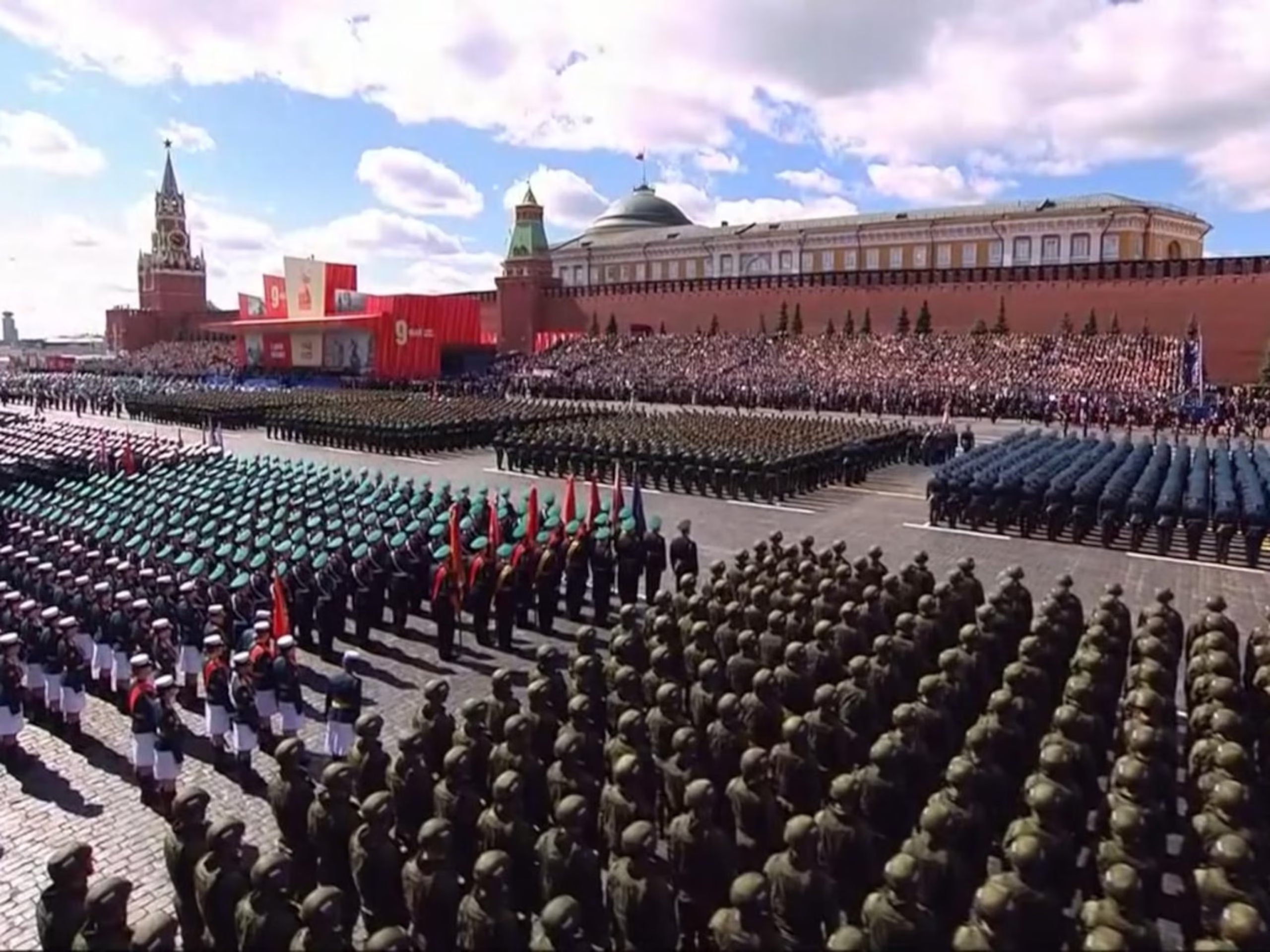
For years subsequent to 1945, the international community had converged in the Russian capital Moscow to mark Victory Day that had inadvertently united a fractious international community.
Sadly, history has become distant. The shared narrative of Victory Day has started to lose its glow of truth. As it weakens year after year, the foundations of a post-Hitler world order that is premised on the founding principles of the UN Charter are crumbling.
The utter divisions that characterize the international world order are more frightening and worrisome. Not even the Cold War brought the East and the West to the edge of the precipice as today’s ideological divisions that are stacked with nuclear weapons.
The mistrust runs deep. The relentless undermining of multilateralism has created a new global architecture that sees the West impose their brand of governance system on the rest of the world. The widening chasm between the Southern and Northern hemispheres is scary.
At the founding of the UN, the bulk majority of the Global South was under the yoke of colonialism. Dozens of states have subsequently emerged as former colonies gained their well-deserved independence from the British, French, Germans, Dutch, Portuguese, Spanish, et al.
These changes of course have yet to trigger the necessary changes in the UN system. The audible cries for reforms of the UN Security Council are but one example of the moribund nature of the UN that favours the former colonial powers over the so-called developing economies.
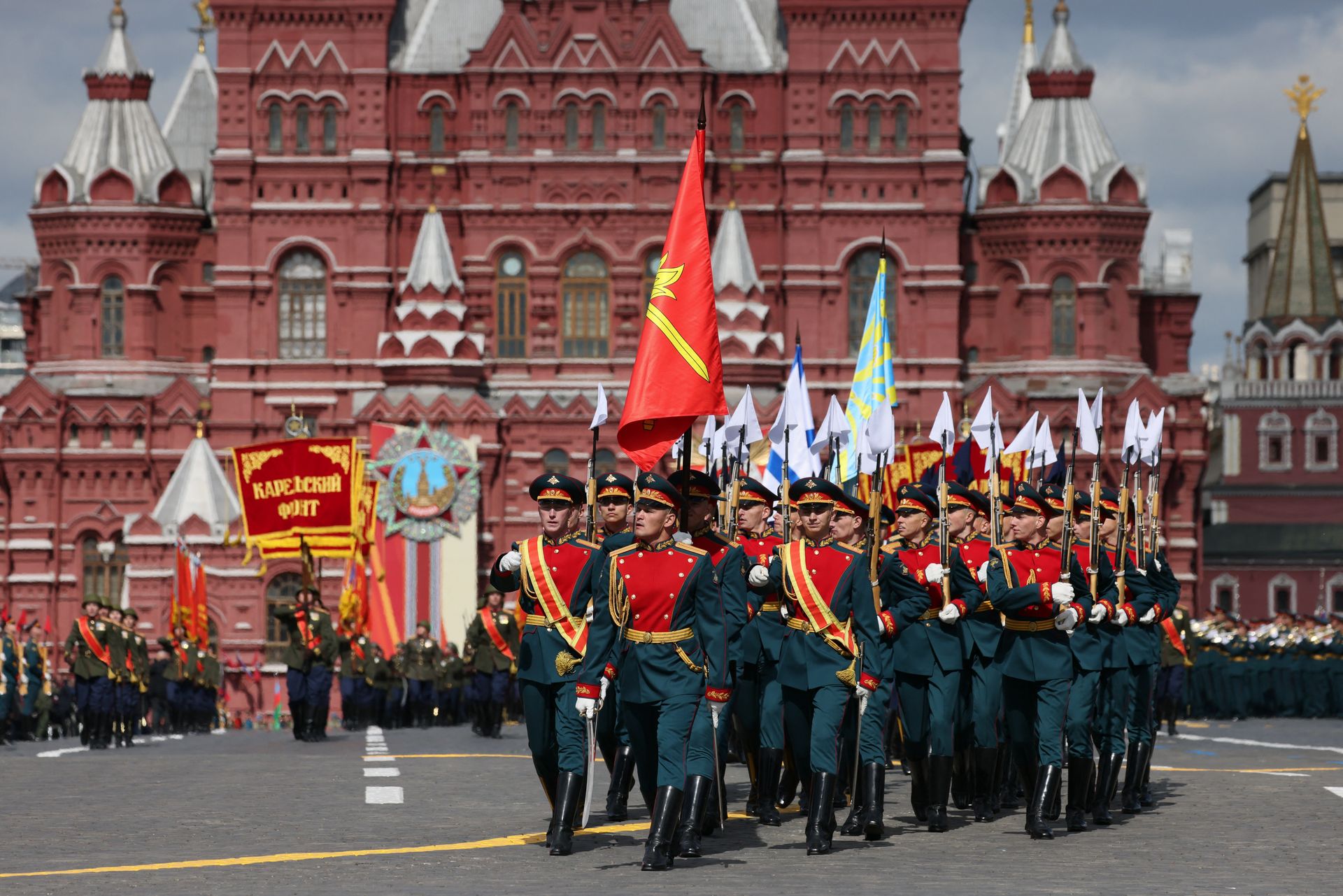
Victory Day, an event that should be uniting the UN member-states in remembrance of the inherent dangers that lurks permanently as threat to humanity, has become a bone of contention itself.
The shared narrative over what united Allied powers has sadly begun to fray, marked by the competing standpoints that never existed in the immediacy of Hitler’s annihilation of the Red Army of the Soviet Union.
President Xi Jinping of China was the most prominent foreign head of state to visit Russia this week to join his host, President Vladimir Putin, in the celebration of 80th anniversary of Victory Day.
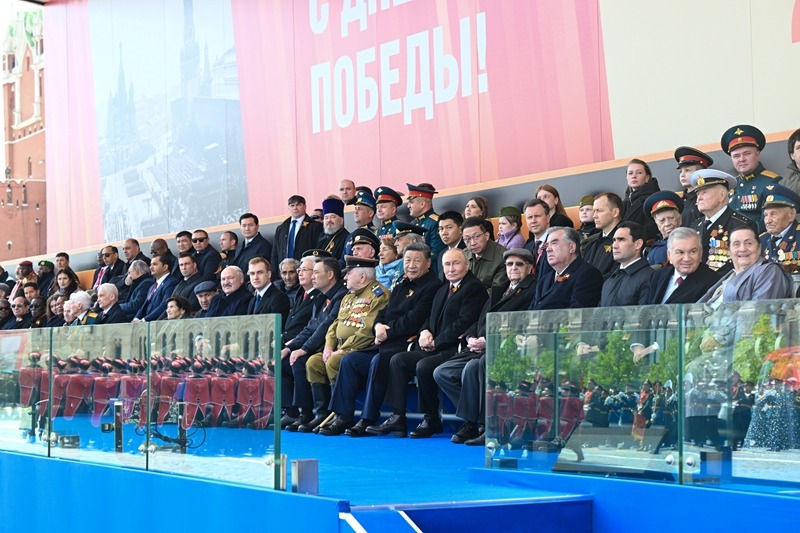
Elsewhere, the Western powers were doing their own thing. British King Charles led the Victory Day ceremony in London. Zelensky did his thing in Kiev. The undertones of the raging conflict around the world could not be missed.
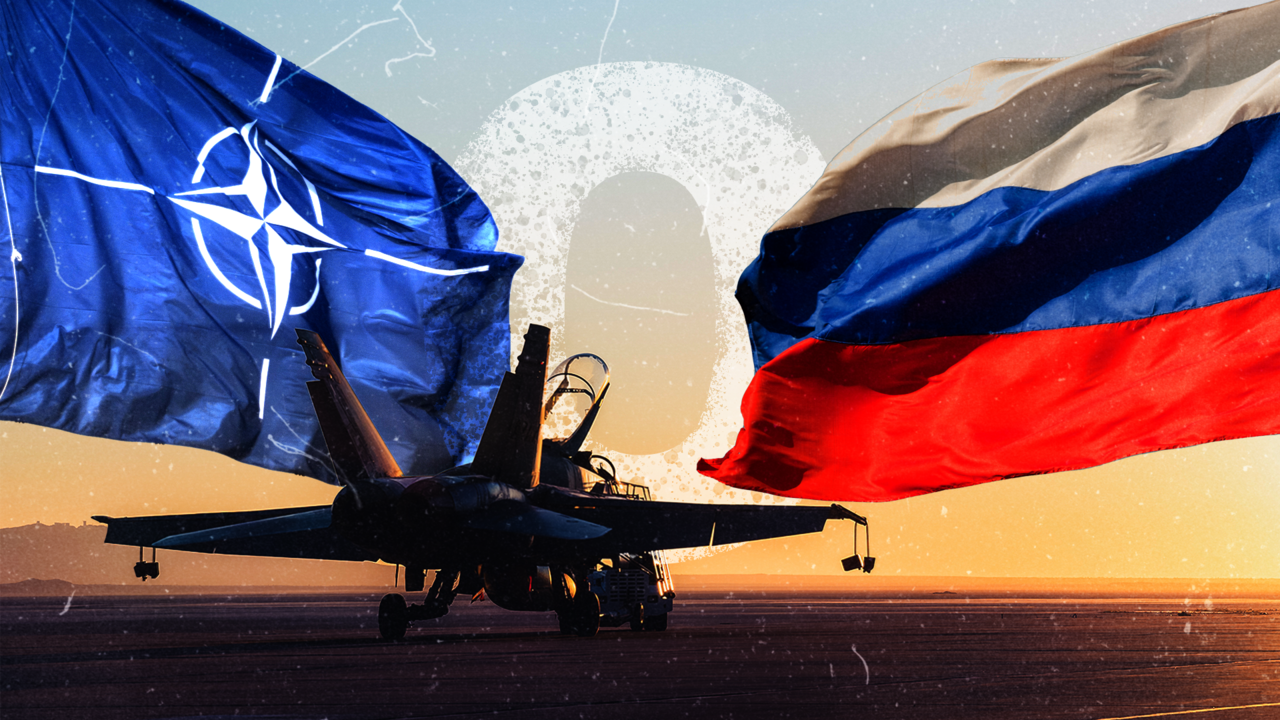
Russia has raised NATO’s expansion to the East – and on its door-step, as an existential threat to Moscow’s national security. The West laughed him off, instead of engaging in diplomacy. The existential threat to the Palestinians is perhaps the world’s singular most indictment. What Hitler did to the Jews then, the Jews are doing to the Palestinians today.
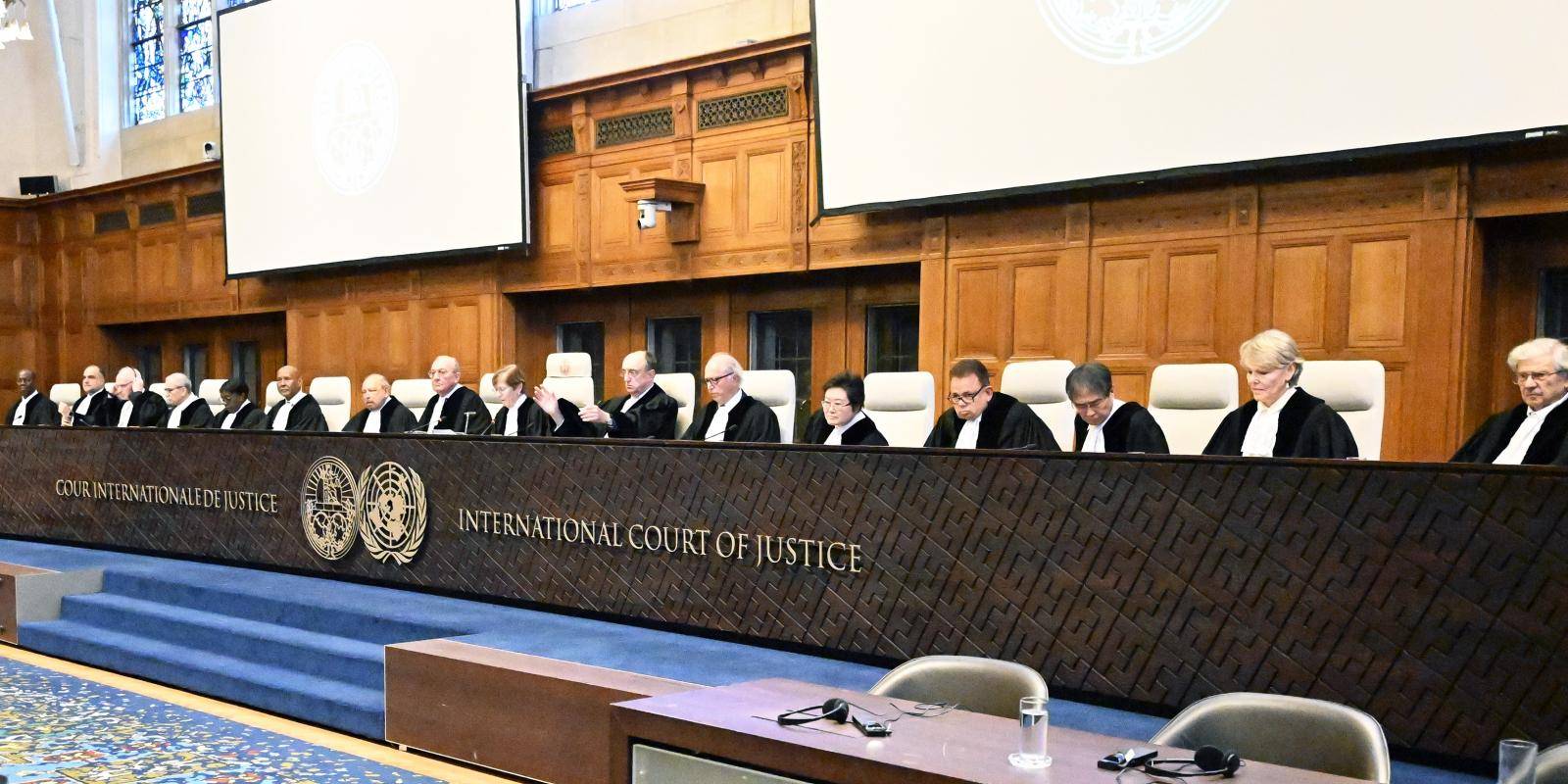
South Africa, the world’s leading moral light, has shone the torch on what Pretoria alleges is Israeli genocide against the occupied, helpless people of Palestine. The case is with the International Court of Justice, but that has not stopped Israel’s daily bombardment of a defenseless people. The inhumane blockade of aid into the desperate territory of Gaza amid a subjugated, starving populace is a page in history of Hitler reincarnated.
Indeed, history is doing what history so often does – repeating itself.
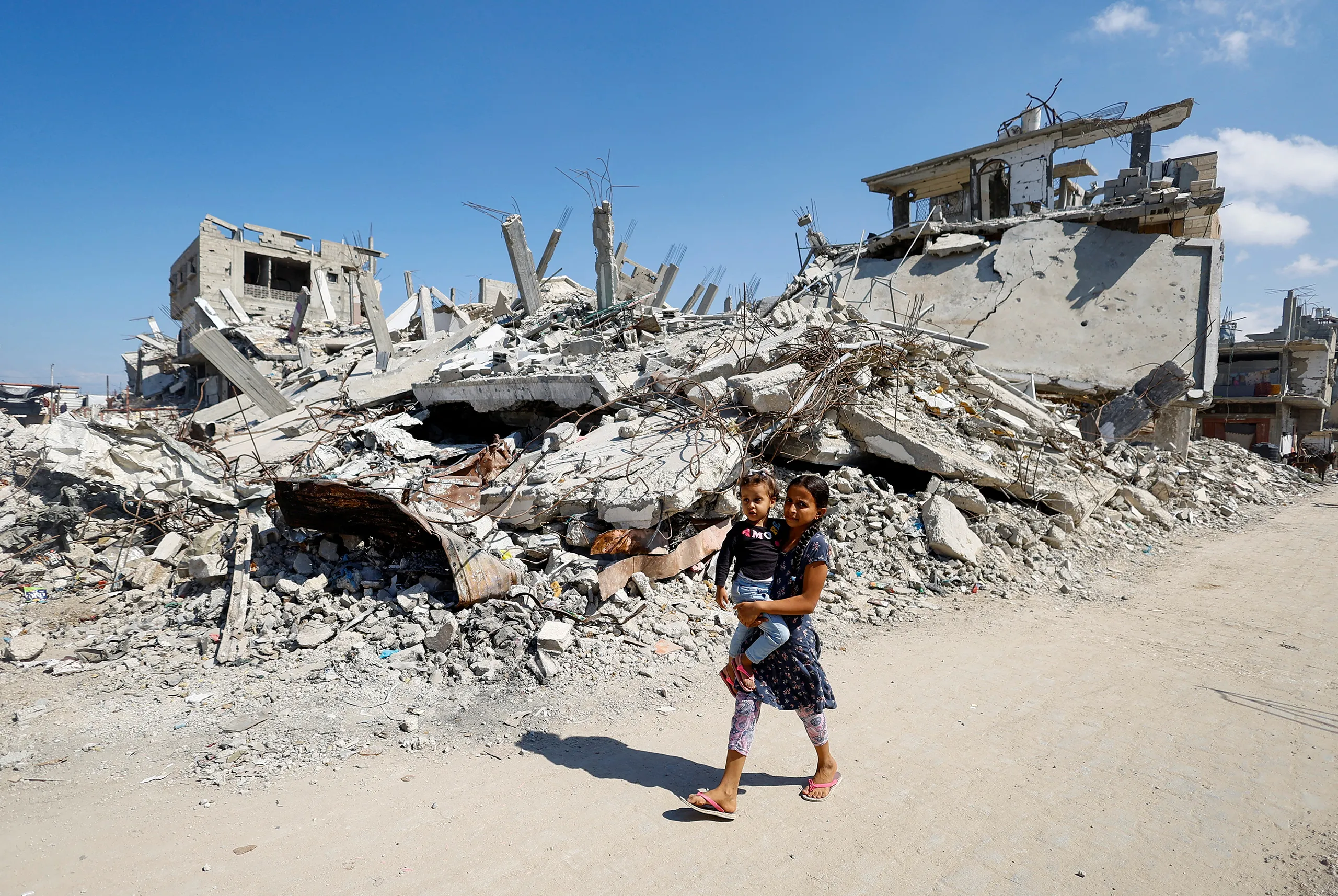
On the 80th celebration of Victory, the key lesson that we learn is that the post-WWII toolkit that has kept international peace intact is unraveling before our eyes.
The UN Charter has increasingly become meaningless. International treaties and agreements that once that once guaranteed global stability are a sham.
Former Soviet Union countries of Eastern Europe have been turned into the frontline of the West in the campaign to obliterate the glorious history and magnificent place of Russia in the celebration of Victory Day.
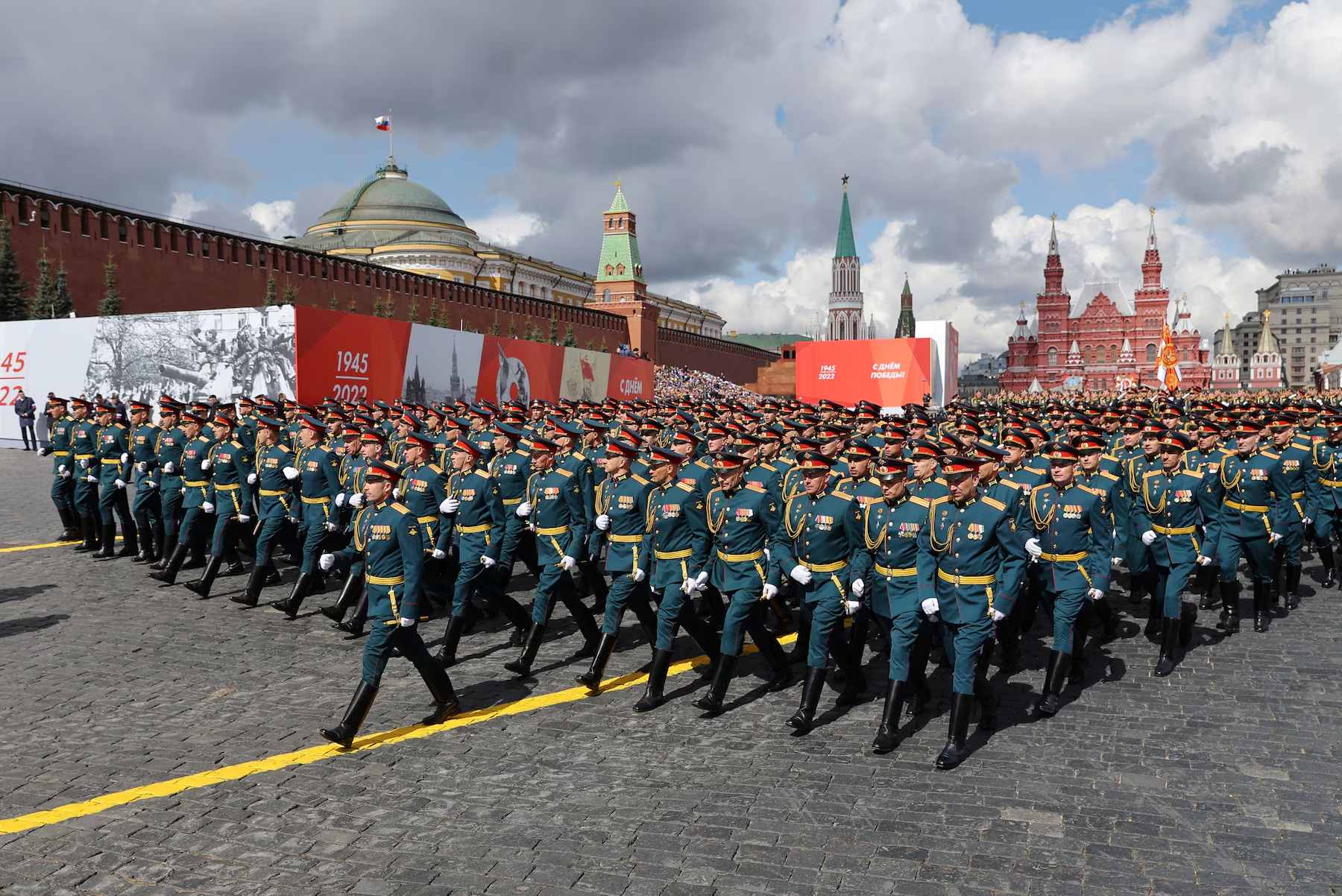
But then again, you can’t obliterate history. The current reconfiguration of the international world order brings with it tons of uncertain probabilities.
Victory Day should be reminding all of us about the great cost to peace, and indeed the brought about by revisionists who are on a mission to tear off pages out of the history book.
The foundations of the post-war framework for peace have been shaken with incredible ferocity. If Victory Day cannot today fail to unite nations that once put aside their fundamental differences when faced with evil, my question is: What will?