Roundtable: Harnessing the Blue Economy and Tourism for Africa’s Renaissance
Background
The Thabo Mbeki Foundation (TMF) and the University of South Africa (UNISA) in collaboration with several Tanzanian partners, will host the 15th Thabo Mbeki Africa Day Lecture in Dar es Salaam, Tanzania, from May 18–25, 2025.
Africa Day is a celebration of unity, solidarity, and diversity, reflecting on Africa’s shared struggles, aspirations, and achievements while recommitting to the AU’s vision.
In 2025, under the theme “The State of the Continent: Reigniting the African Renaissance,” the organisers will host over 2500 participants, including former and current heads of state, policymakers, business leaders, academics, youth representatives, and civil society from across Africa and the diaspora. Together, participants will engage in critical dialogue and catalyse action toward a prosperous, united future.
One of the activities include a Roundtable on ‘Harnessing the Blue Economy and Tourism for Africa’s Renaissance’ scheduled for Tuesday morning, 20 May 2025, at the Johari Rotana, Dar es Salaam.

Rationale For And Focus Of The Roundtable
Africa is surrounded by the Indian, Atlantic and Southern oceans and the Mediterranean and Red seas. As a crucial nodal point in global trade and commerce, these waters are a vital source of economic prosperity for the continent.
The oceans and seas are sites of contestation for commercialisation, subject to pollution and exploitation, and affected by climate change. The Mediterranean and Indo-Pacific have emerged as a focus of intense geopolitical competition, while the scramble for the Southern Ocean is getting started, and new challenges in the South Atlantic are on the horizon.
The continent suffers from weak strategies for identifying, protecting and promoting its political, economic, trade, marine, environmental and security interests relating to the oceans and seas surrounding the continent.
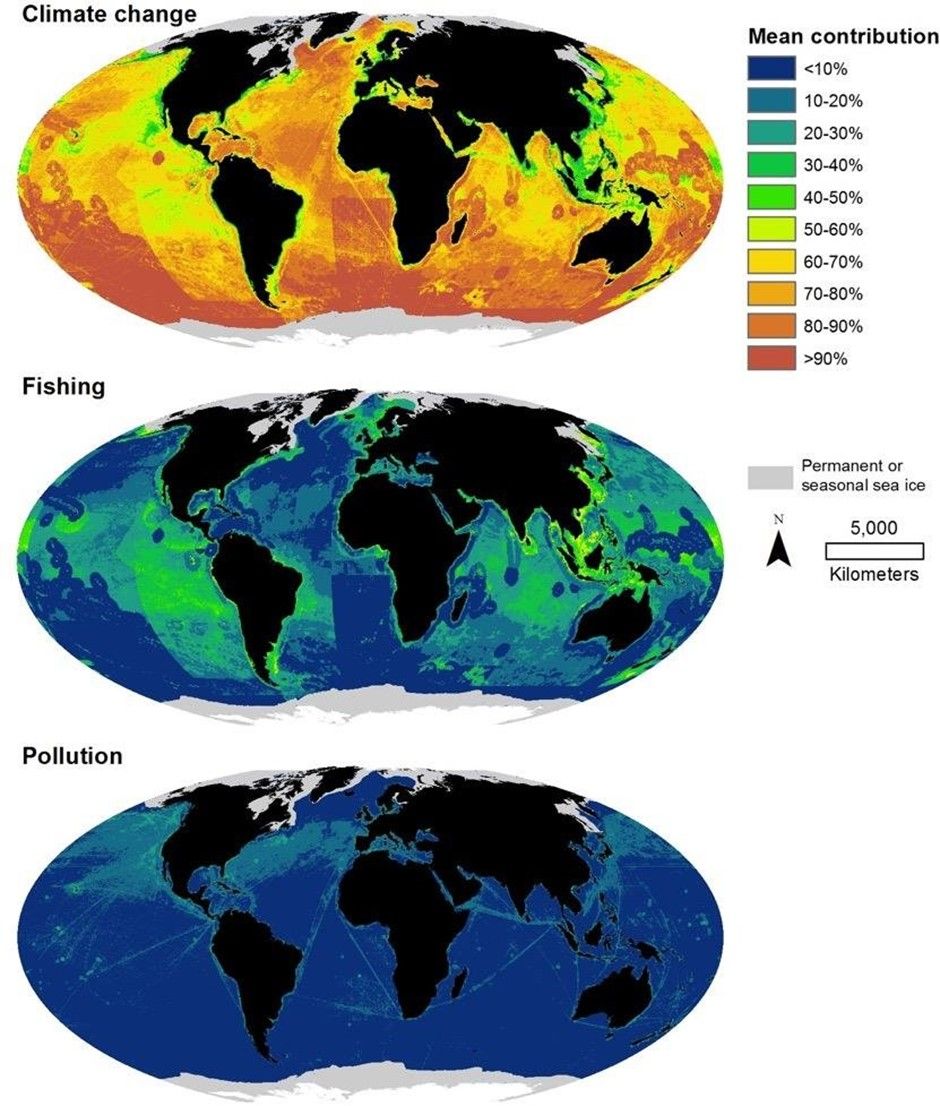
The Roundtable will examine the value of the blue economy for Africa.
The following questions are relevant to the discussion:
- What is the role of the blue economy in Africa’s plans to address poverty and development?
- How can policymakers consider the blue economy (inclusive of tourism), blue security, blue justice and blue health in an integrated manner to pursue strategic development objectives?
- What are the relationships between African free trade and the blue economy?
- What are the lessons for Africa of the United Republic of Tanzania and South Africa’s experiences with implementing blue economy agendas?

Proposed Programme
Programme Director: Prof Edith Phaswana, TM School, University of South Africa (UNISA)
Moderator of panel discussions: Prof Anthoni Van Nieuwkerk, TM School, UNISA
| Time | Session | Speakers | Notes |
| 11:00 | Opening sessionWelcome | Programme Director | |
| 11:15 | Keynote address: What is the blue economy and why is it important for Africa? | Captain Hamad B. Hamad, Principal Secretary, Ministry of Blue Economy and Fisheries, Zanzibar (TBC) | 20 minutes |
| 11:35 | Session one:Exploring economic and security dimensions of the blue economy | Prof Senia Nhamo, Department of Economics, UNISADr Lucy Shule, Director of Studies, Tanzania National Defence College | 15 minutes each |
| 12:05 | Discussion | ||
| 12:45 | Tea break | ||
| 13:15 | Session Two:Exploring marine and maritime dimensions of the blue economy;Zanzibar case study of the role of women in the blue economy | Dr Arthur Tuda, Executive Director, Western Indian Ocean Marine Science Association (WIOMSA)Prof Godwell Nhamo, Institute for Corporate Leadership, UNISADr Nariman Jiddawi, Marine Institute, Zanzibar | 15 minutes each |
| 14:00 | Discussion | ||
| 15:00 | Concluding session: Articulating a strategic vision for the way forward | HE Dr Ashatu Kijaji, Minister of Livestock and Fisheries, United Republic of Tanzania (TBC) | 20 minutes |
Intended Outcomes
- Educational: clarifying the concept blue economy for a broad audience (including media) and demonstrating its value for Africa’s renewal
- Engagement: Short, introductory, overview presentations allow for in-depth audience engagement
- Experiential: Case studies will allow the Roundtable to identify lessons and strategic guidelines for African policymakers
- Knowledge creation: The content of the Roundtable will be packaged into an academic article for submission to the accredited Journal of African Renaissance Studies or Journal of the Indian Ocean Region.