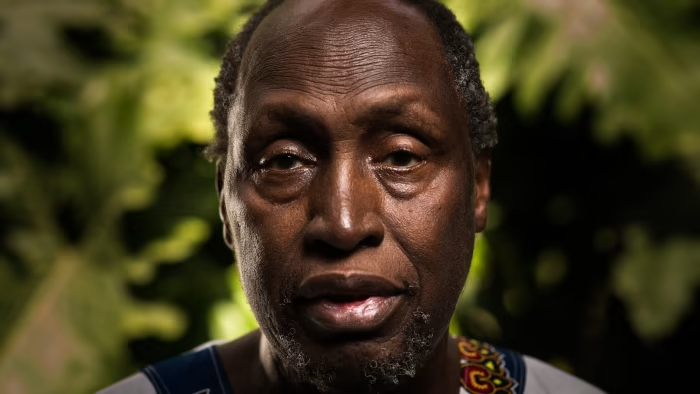
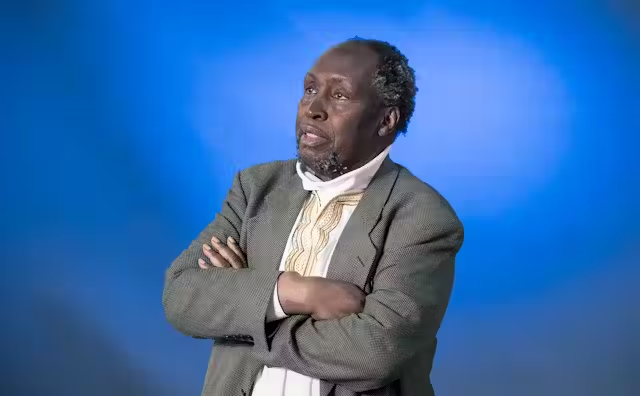
Ngugi wa Thiong’o, who passed away on 28 May 2025, leaves behind one of the most enduring and transformative legacies in the world of letters. Ngugi, a towering intellectual figure, a fierce advocate for linguistic decolonization, and a political dissident of global resonance, has produced an oeuvre that extends far beyond his fiction.
A many-sided intellectual, he is novelist, essayist, playwright, journalist, editor, academic and social activist. Ngugi wa Thiong’o stands as a towering figure in African literature, a writer whose prolific career has been inextricably linked with the political and cultural struggles of his native Kenya and the broader African continent. His early life was marked by the Mau Mau uprising, a pivotal anti-colonial struggle that profoundly influenced his nascent political consciousness and literary themes.
He redefined the purpose of African literature, insisting that it must speak to its people in their own languages, reflect their histories, and resist the epistemic violence of colonial modernity.
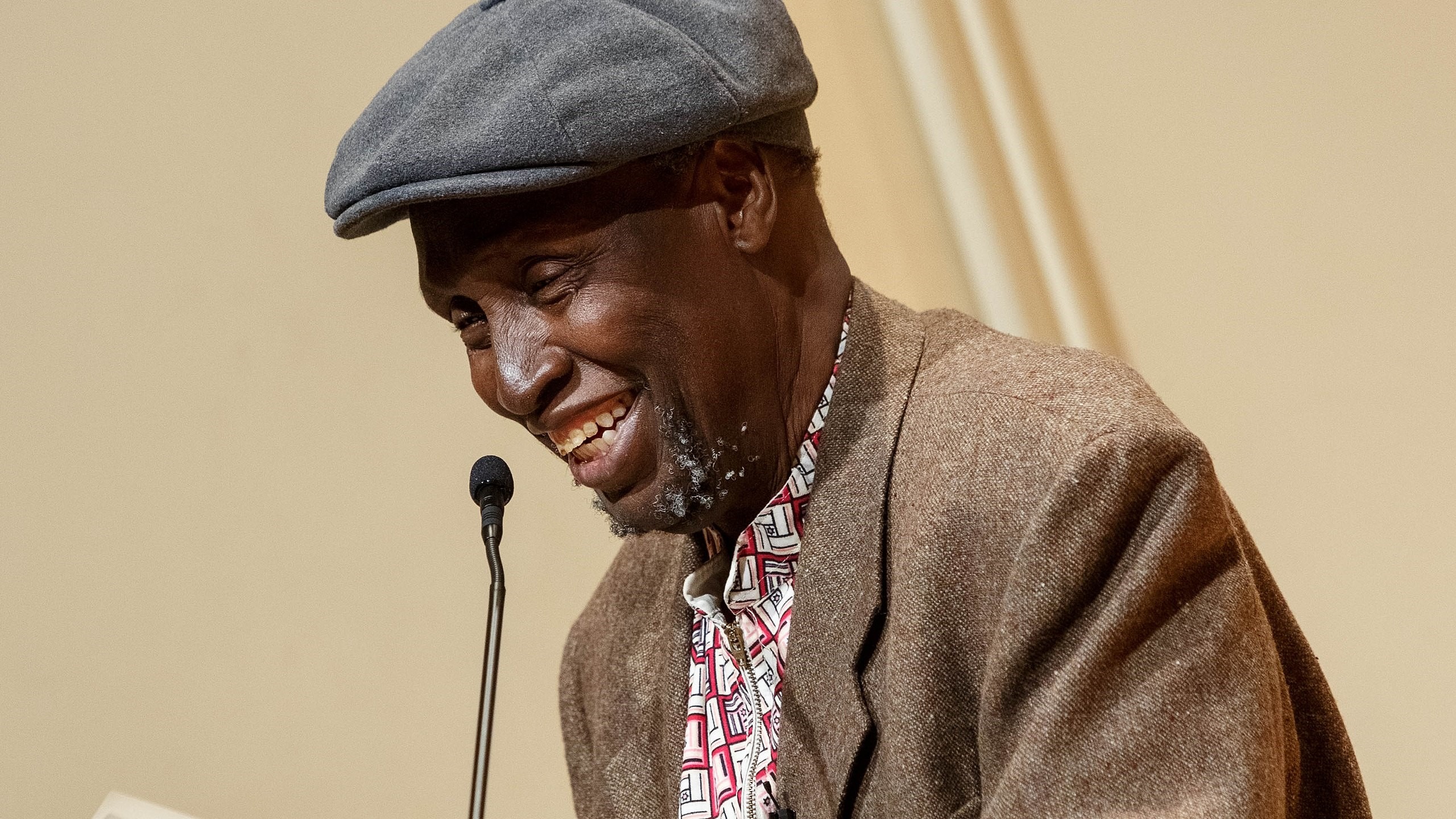
Born James Ngugi in 1938 in Limuru in the Gikuyu Highlands of Kenya. Limuru pertains to the central province of Kamiriithu. His father was a peasant working as a labourer on the estate of an African landowner. This clearly explains that Ngugi was from a peasantry family. His mother was one of his father’s four wives, and he was one of the twenty-eight children his father had had. His education, he spent his primary school education at independent Kenyan schools. He then attended the Alliance High School; an institution based on a western-biased curriculum and Christian teaching.
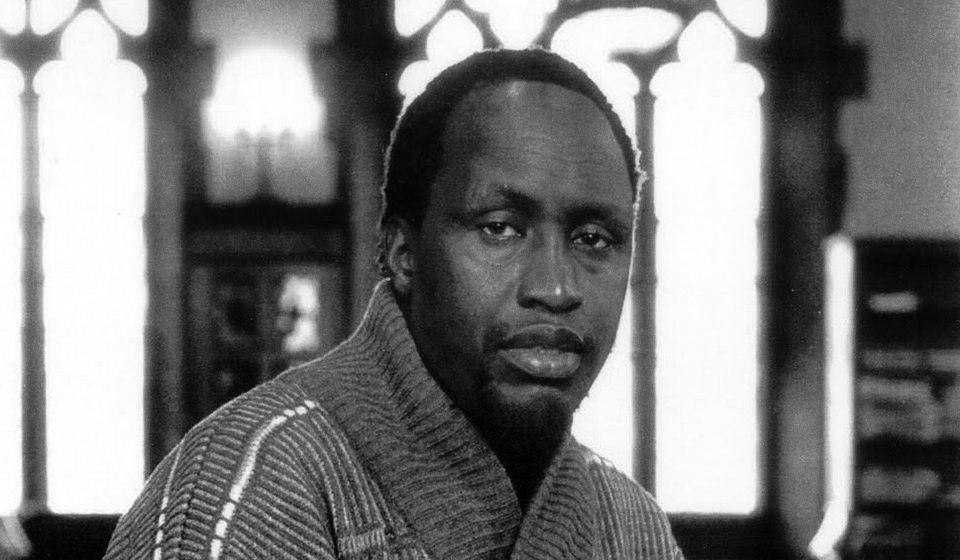
During his high school years, many of his family members were involved in the Mau Mau uprising and the resistance movement. During the struggle, Ngugi’s parents were arrested, and his stepbrother was killed by government forces. However, in 1958, he went to Uganda to pursuit his studies at the Makerere College, the only institution available at that time in all East Africa.
He left his country of origin and went to teach in the USA. In his lifetime he has received several honors and awards from around the world. Thanks to his engagement for Africa and her civilization, Ngugi abandoned his European first name, James, to adopt an authentic African first name, Wa Thiong’o. He did this to show Africans that there is nothing shameful about their naming systems. Like Chinua Achebe, another link between the pioneers and the generation of African writers. By reading these pieces of information on Ngugi, you may already imagine the ideological conviction and vision of Ngugi.
In the Critical Readings of the work of Ngugi wa Thiongo’o Edited by Gambo Sani – “Linguicide,” interpreted as the killing of a language by its owners. Ngugi also accuses post-colonial Africans of “psychic suicide,” by which he means an inferiority complex which manifests in viewing African languages as inferior and incapable of expressing and sustaining scientific discourses and endeavours. Given this psychic state, African intellectuals are condemned to writing their stories and scientific discoveries in English and French languages, thereby contributing to the vast literatures in these foreign languages at the expense of their own languages.
Ngugi also discusses what he terms a “linguistic famine” in the African continent, in which there is a diminishing number of African language speakers over time. While other progressive societies make accumulative advances in the number of speakers of their languages through deliberate and strategic policies, Africans celebrate their mastery and competence of foreign languages. Ngugi’s linguistic revolt therefore is conceived by him as a battle for the soul and survival of Africa. Locating Ngugi’s Linguistic Revolt in the Dialectic of Global Historical Experience, Ngugi’s linguistic revolt is not an isolated quest in the history of decolonization in the world. On the contrary, history teaches us that such revolts have always been the core of all successful decolonization processes and are crucial in determining the fate of all formerly colonized peoples in their post-colonial situation.
Ngugi understood that language is central to identity and how we see ourselves. The imposition of an alien language confuses and distorts the identities of the colonial subject. The imposition of a foreign language on a people has been fundamental to all successful colonization processes, just as much as the revival of an autochthonous (indigenous) language to replace a foreign one has also been a permanent feature of all successful decolonization processes in the world history.
Given this background, it appears safe to say that Ngugi is justly urging Africans to obey the logic of universal history, in which suppressed language forms are retrieved as a necessary stage in the riddle of the politics of language use in global history. World history is replete with incidences of colonization and decolonization. Philosophers of history have been baffled by these recurring cycles of human experience and have formulated theories of interpretation to explain the phenomenon. Colonization begins with imperialist tendencies which, when successful, lead to the emergence of empires. All the world’s great empires that have existed (and collapsed) owe their establishment to this practice. Realist thinkers such as Thucydides, Nicollo Machiavelli and Hans Morgenthau corroborate the point when they argue that the early
Dr. Thehoua Aka Jean, teacher-researcher assistant, retorts that among other roles that literature could play, it actively participates to the daily actions of men in dealing with crises that humanity is often faced with, and it also sharpens and allows the rebirth of peoples. The River Between is one of the books of Ngugi where the text focuses on the crisis and some means of liberation for the Kenyan people. Through eminently literary formulas, Ngugi succeeds in finding tools needed to heal the Kenyan society and thus, the African people.
Ngugi not only focused his attention on fiction alone but was also actively involved in play writing. His first play, The Black Hermit was published in 1962, followed by his second play, This Time Tomorrow, published in 1970.
This diverse approach reinforces the importance of oral history and the preservation of cultural knowledge. Not only Weep Not, Child but many other novels of Thiong’o have the element of storytelling. Thiong’o’s exploration of storytelling and oral traditions in his works illuminates the central role they play within the community. By portraying these practices, he highlights their significance in preserving cultural wisdom, transmitting ancestral knowledge, and asserting cultural identity.
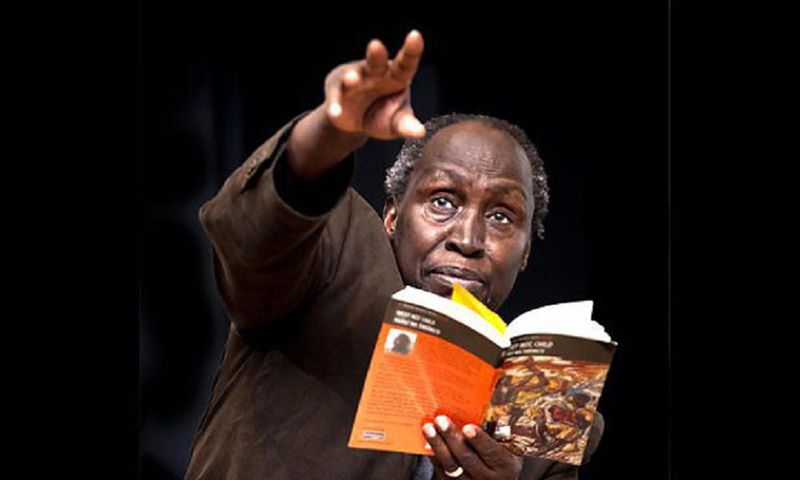
Through the power of storytelling, Ngũgĩ wa Thiong’o empowers his characters to challenge dominant narratives and celebrate the resilience of African cultures. Africans used storytelling as the most form of preserving their history, traditional culture and ritual ceremonies (Amasiko nezithethe). The late wordsmith emphasised the cultural importance of storytelling as a way to motivate, educate, and preserve communal values.
His rebellious pen will forever be cherished.