The commemoration of Steve Biko demands more than a mere historicist recount; it necessitates an epistemic and ontological excavation into the very foundation of Black subjectivity under Colonialism and Apartheid. Biko’s praxis and philosophy must be apprehended as a radical ontopolitical intervention aimed at reclaiming Black bodies and articulating an ontological Blackness that resists coloniality, its subjugation and epistemic violence. In this regard, remembering Biko is intrinsically linked to the decolonial project of restoring Black humanity, dignity, and self-determination through a critical foregrounding of black embodiment and consciousness.
Biko’s Black Consciousness Movement emerged as a resistance not only against the structural and institutional violences of colonialism and Apartheid but significantly against the internalised coloniality that sought to fracture Black subjectivity from within. The Black body under colonialism and Apartheid was subjected to brutal forms of physical violence that mirrored a deeper ontological erasure, the reduction of Blackness to abjection, non-being and absence. In this vein, Biko’s insistence on “Black is Beautiful” and psychological liberation was an urgent corrective, a reclamation of the black body as a site of sacred resistance and ontological affirmation.
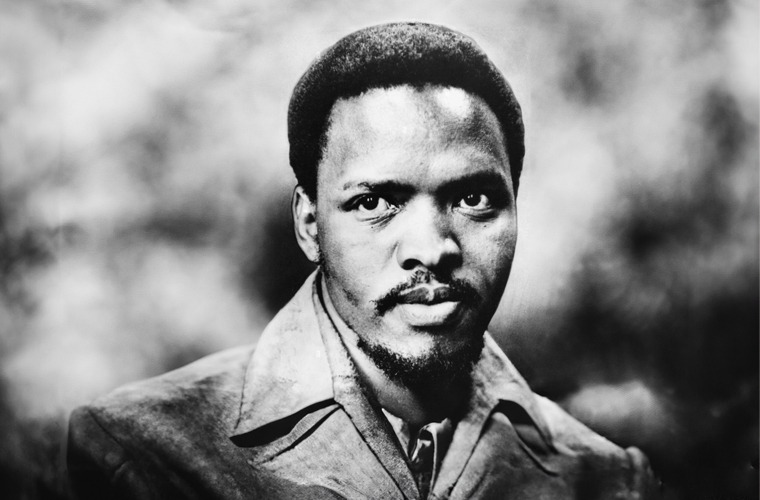
Drawing from my own critical reflections on “Claiming Our Black Bodies,” one understands that the Black body in colonial and Apartheid contexts has been objectified, mutilated, and instrumentalised as a reservoir of knowledge, labour, and spectacle. Biko’s legacy disrupts this violent ontology by reasserting the body’s subjectivity and its ethical centrality within the struggle for liberation. The Black body is not a passive vessel but an active agent embodying histories of trauma and resilience, an epistemic site where liberation must be inscribed.
Furthermore, Biko’s articulation of ontological Blackness transcends racial essentialism to articulate a shared mode of being forged through collective dispossession and historical entanglement under colonial modernity. This ontological Blackness is an affirmation of the irreducible humanity and cultural integrity of Black peoples despite oppressive structures designed to negate their existence. It is simultaneously a reclamation of communal identity and an ethical injunction to praxis, a call to embody dignity in thought, action, and social relation.
The brutal state repression culminating in Biko’s extrajudicial death underscores the formidable challenge his ontology posed to Apartheid’s regime. His death was a corporeal and symbolic attempt to annihilate the epistemic threat of Black consciousness. Yet, it also epitomised the potency of ontological resistance: that Blackness, despite systemic assaults, endures as a vital locus of emancipatory potential and self-determination.

In my scholarship, including explorations of ontological blackness and African ethics, I emphasise that remembering Biko compels a re-engagement with the spiritual and communal dimensions of black existence. It demands a rejection of reductive materialist paradigms of liberation that neglect the metaphysical facets of black being, the profound cultural knowledge, ontological rootedness, and ethical frameworks that inform resilience and solidarity. Biko’s philosophy invites a holistic decolonial praxis that integrates mind, body, and spirit in the quest for freedom.
Remembering Biko is also an urgent intervention into contemporary struggles where the legacies of coloniality persist in new forms of epistemic and corporeal violence. The continued commodification and criminalisation of Black bodies globally resonate with Biko’s diagnosis of the enduring colonial project. Thus, Biko’s legacy beckons a sustained recuperation of black ontological sovereignty amid ongoing struggles for social justice, reparations, and cultural affirmation.
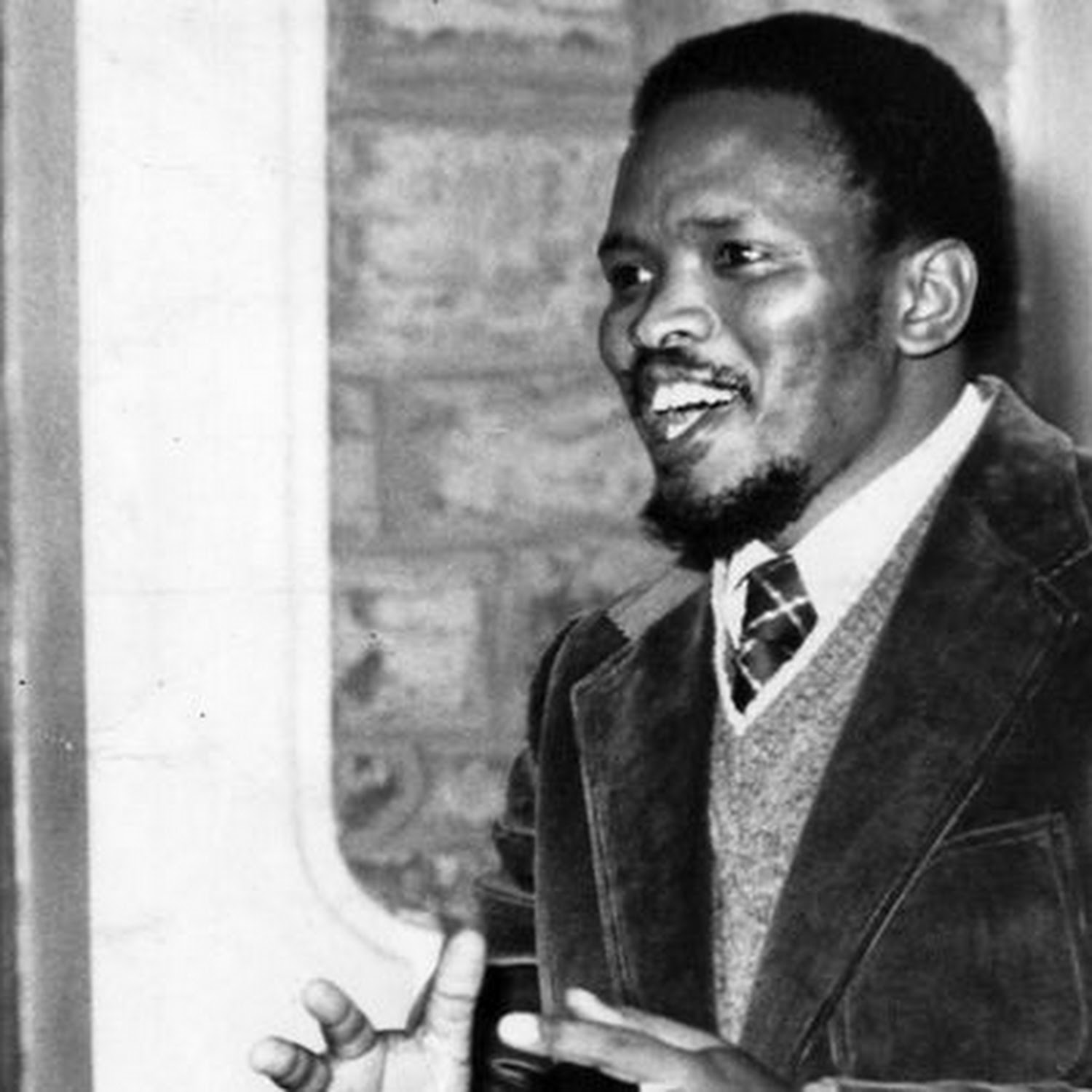
Moreover, the invocation of ontological Blackness enjoins scholars, activists, and communities to challenge the Eurocentric canon and embrace pluriversality, a recognition of multiple, co-existing worldviews wherein African ontologies are respected and prioritised. This intellectual decolonisation is vital for dismantling epistemic violence that has historically marginalised Black knowledge systems and for restoring black voices to the centre of discourse on liberation.
In conclusion, remembering Steve Biko through the lens of ontological Blackness and Black embodiment advances a critical and transformative discourse that transcends mere historical remembrance. It recuperates Black subjectivity as a living, dynamic force against ongoing colonial and neo-colonial violences. Biko’s enduring significance lies in his revolutionary affirmation of Black humanity, a declaration that Black bodies are not sites of abjection but sacred repositories of dignity, knowledge, and resistance. His life and death challenge us to continue the labour of reclaiming our Black bodies and restoring ontological justice within and beyond the African continent. To remember Biko is to commit to the epistemic and ontological liberation that his legacy eternally embodies.