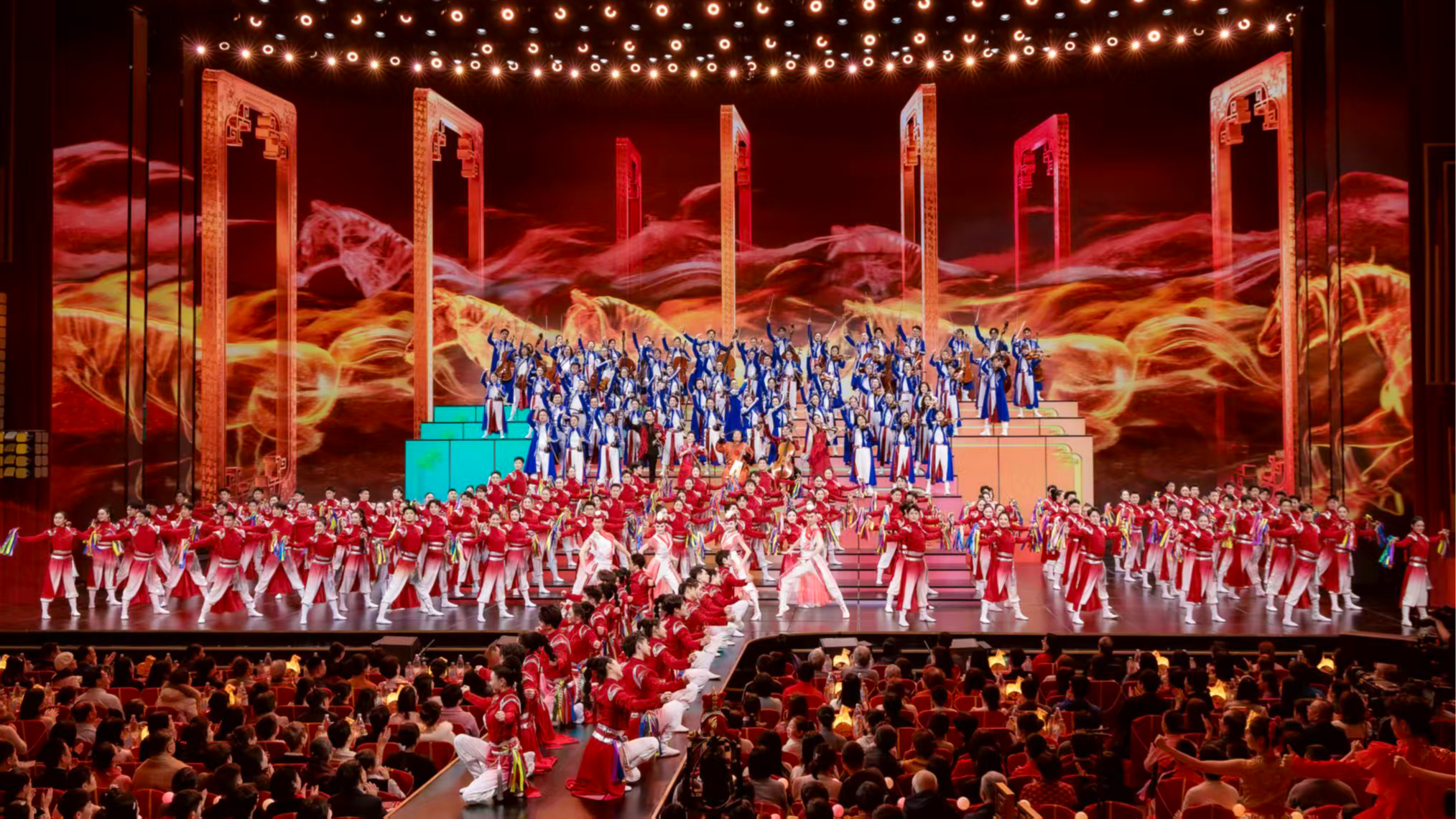
In 2026, as China and Africa mark the “Year of China–Africa People-to-People Exchange,” something special has been happening across Johannesburg—from the city’s bustling transport hubs to university campuses, from community cultural gatherings to the skyline itself.
This summer in the Southern Hemisphere, we brought more than a television show to South Africa. We brought a story.
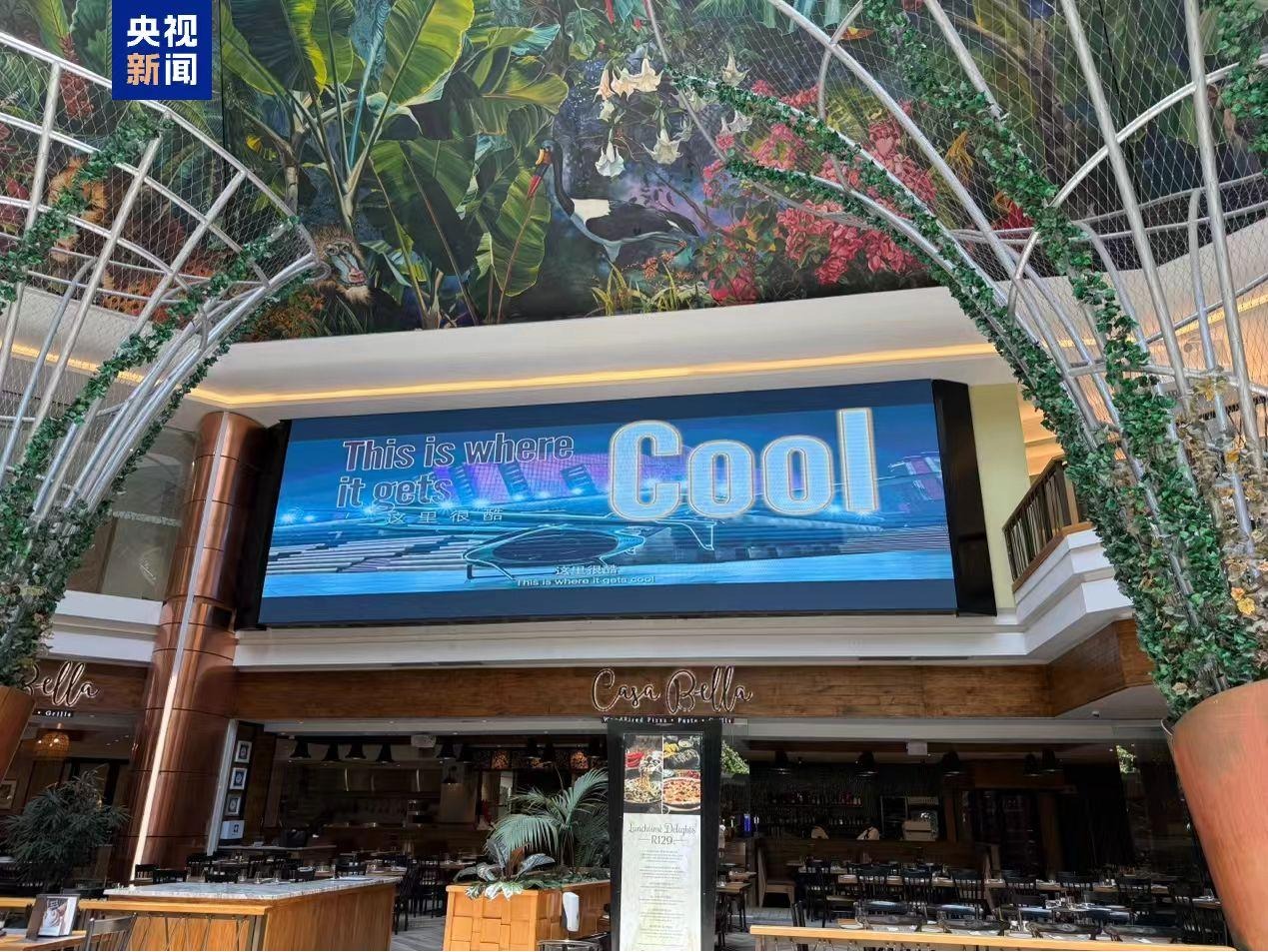
When the Spring Festival Meets the City of Gold
At major public venues across Johannesburg—including busy transport hubs where commuters from every walk of life converge—the promotional film of the 2026 China Media Group (CMG) Spring Festival Gala has been playing on large screens. Many South Africans encountered the Chinese New Year not in a textbook, but in motion: vibrant red lanterns, galloping horses, joyful reunions, music and dance unfolding in cinematic scale.
For local audiences, it raised simple but powerful questions: What is this festival that brings a nation—and millions across the world—to a shared moment of celebration? Why does it feel both ancient and futuristic at the same time?
The answer lies in the Spring Festival itself.
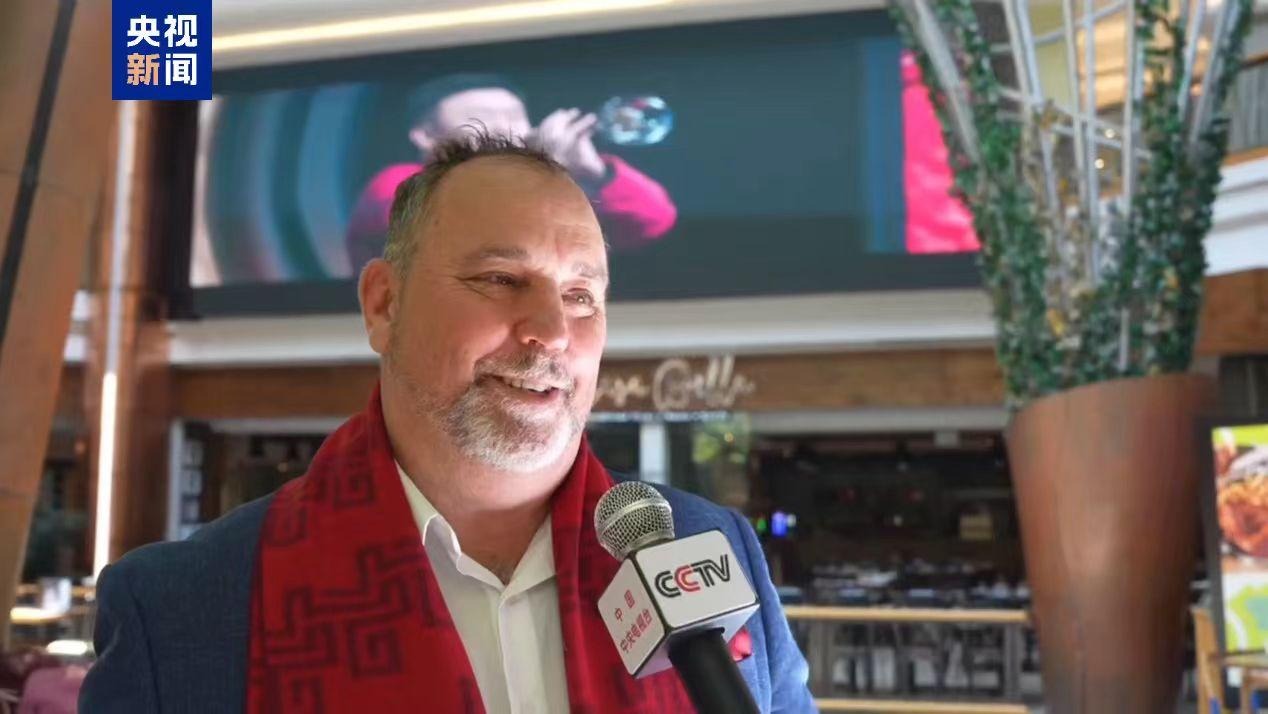
What Is Chinese New Year?
The Chinese New Year, also known as the Spring Festival, marks the beginning of the lunar calendar. It is the most important traditional holiday in China—comparable in emotional weight to Christmas or Eid, yet uniquely rooted in the idea of family reunion.
At its core are three timeless values:
- Reunion – families gather, often traveling long distances.
- Renewal – a fresh start, symbolized by spring.
- Hope – wishes for prosperity, peace, and well-being.
In many Chinese households, the New Year begins with a shared meal. Dumplings, rice cakes, and symbolic dishes carry layers of meaning—much like how food connects generations in South Africa’s own rich cultural traditions.
But in modern China, there is another ritual that binds the nation together. It’s called the Spring Festival Gala.

The “Spiritual New Year’s Eve Dinner”
Produced by China Media Group, the CMG Spring Festival Gala has been broadcast continuously for 43 years. It is widely regarded as the largest annual cultural television event in the world.
Each New Year’s Eve, families across China—and increasingly across the globe—sit down together to watch it. For many, it is described as a “spiritual New Year’s Eve dinner”: not something eaten, but something shared.
Last year alone, CMG worked with over 3,100 media partners worldwide, distributing the Gala through a multilingual, all-media global network. The result was a celebration that crossed not only borders, but languages and cultures.
This year’s theme, “Galloping Forward, Unstoppable Momentum,” symbolized by the powerful image of the horse, speaks to resilience, vitality and determination—values deeply resonant in both Chinese and African narratives of growth.
The 2026 edition integrates cutting-edge innovations—“5G + 4K/8K + AI”—while maintaining deep roots in traditional culture. From AI-powered robotic folk dances to performances inspired by ancient heritage, from elegant classical compositions to East-meets-West rock collaborations, the Gala offers a window into both China’s history and its future.
When Light Becomes Dialogue
Earlier this month, Johannesburg’s skyline became part of this story.
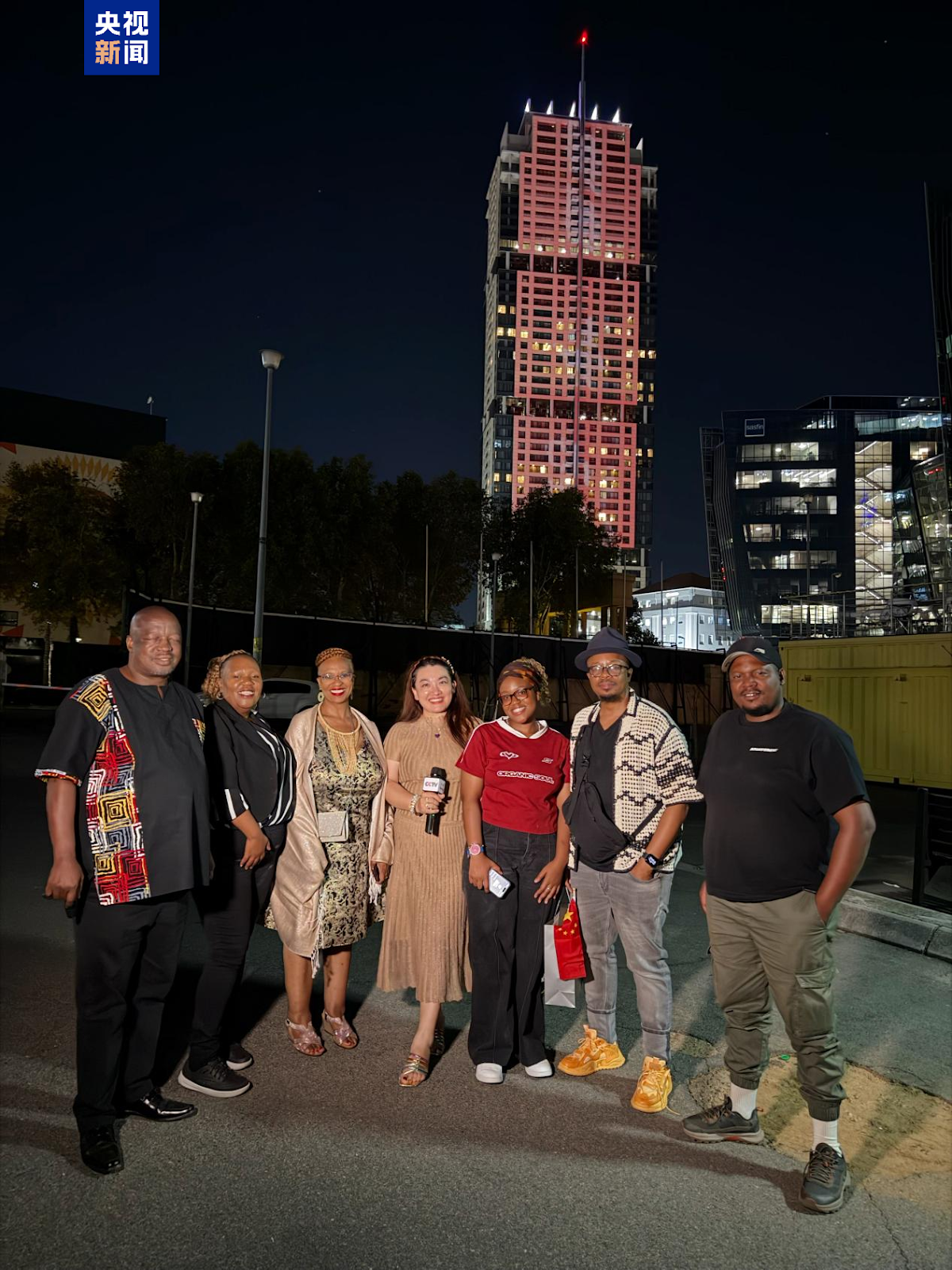
On the façade of Africa’s tallest building, the Leonardo, a dazzling light show illuminated the night. Crimson hues and golden patterns shimmered across the city’s skyline. Animated horses leapt across the tower. The Chinese New Year greeting appeared high above the city.

For many onlookers, it was more than spectacle. A South African university dean reflected: “Light represents life. The horse represents endurance. We are also running—toward our future.”
A local blogger remarked, “I have seen many light shows in Europe—but never Chinese creativity projected on an African skyline like this.”
These reactions captured something essential: cultural exchange is most powerful not when it lectures, but when it inspires curiosity.
Universities, Dialogue and Shared Tables
At the University of Johannesburg’s Confucius Institute, students gathered to watch the Gala’s promotional film. Many admitted they knew little about the Spring Festival before. Yet they were struck by the fusion of tradition and technology.
In another corner, South African students learned to wrap dumplings for the first time—laughing as they folded imperfect edges, tasting something new yet familiar in spirit.
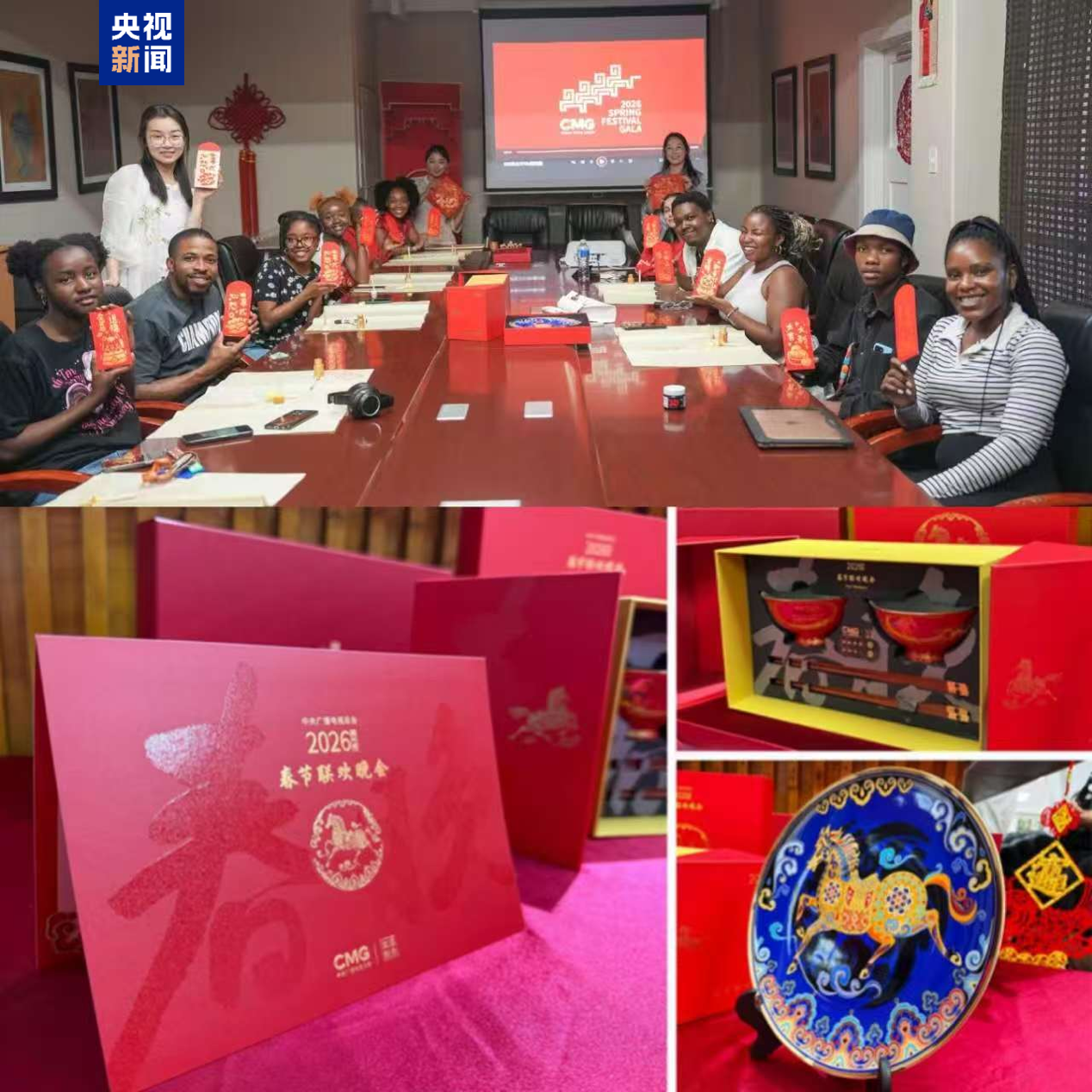
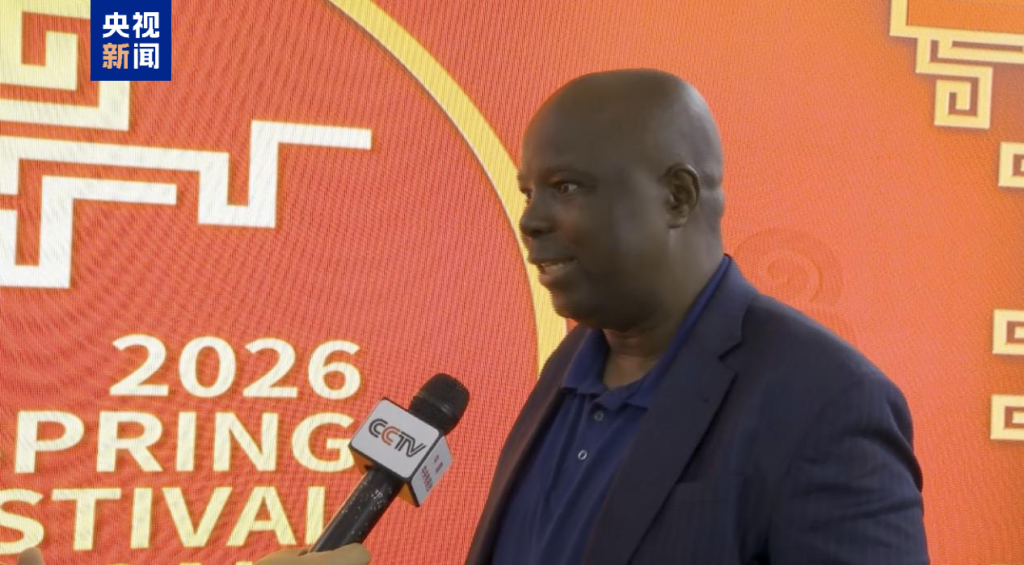
Mr Tshilidzi Bethuel Munyai, Member of the National Assembly, described the experience beautifully: “Food is a dialogue. When we cook together, culture is no longer abstract—it becomes something you can touch.”
That moment—sharing dumplings in specially designed “Spring Bowls” inspired by Chinese heritage—was not just symbolic. It demonstrated how cultural meaning travels: through art, through taste, through conversation.
Why It Matters for South Africa
South Africa and China share more than trade and diplomacy. We share aspirations—youthful energy, creative industries, resilience in the face of global uncertainty, and a belief in multilateral cooperation.
The Spring Festival Gala is not simply entertainment. It reflects how a civilization negotiates memory and modernity. It shows how a nation can cherish its traditions while embracing AI, digital innovation, and global storytelling.
For South African audiences, understanding the Spring Festival offers insight into how over a billion people define family, belonging, and hope.
For Chinese audiences, engaging with Africa allows new partnerships in creativity—film, music, fashion, digital arts—to flourish in both directions.
As some young South Africans told us: “Why should Chinese New Year belong only to China? Why can’t it be something the Global South celebrates together?”
That question may well shape the next chapter of cultural cooperation.
A Celebration That Crosses Borders
Through the “Overseas Thousand Screens” initiative and global “Prelude to the Spring Festival Gala” events, CMG continues to bring the celebration to audiences worldwide—not as a one-way broadcast, but as a shared experience. In Johannesburg, from transport stations to university halls to the city skyline, we have seen how curiosity leads to understanding.
Chinese New Year is about reunion—but not only within families. It is also about reconnecting cultures, rediscovering common ground, and renewing shared hopes for the year ahead.
As we step into 2026—the Year of China–Africa People-to-People Exchange—we invite our South African friends not just to watch, but to join the celebration.
Because when light travels across oceans, it doesn’t lose its warmth. It multiplies it.