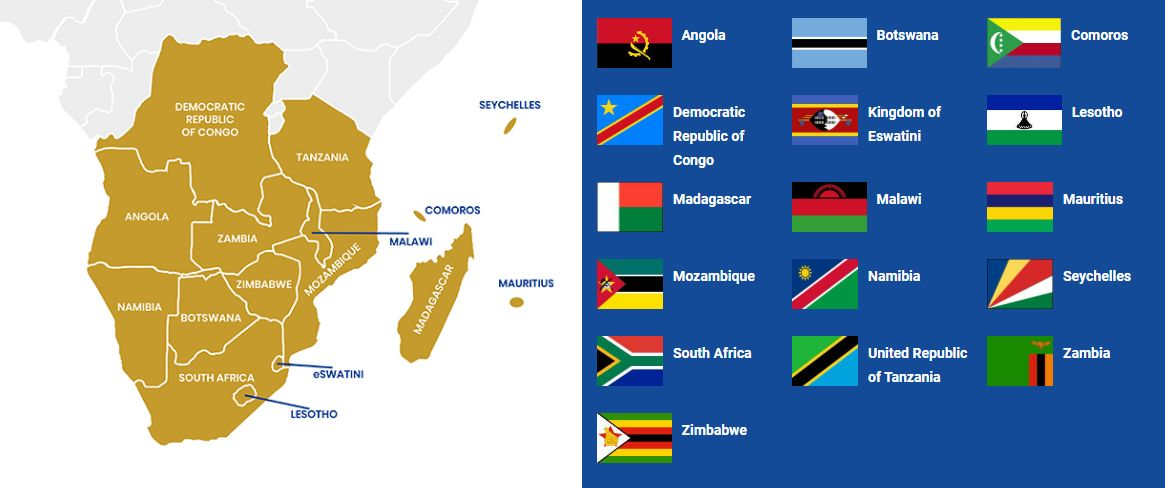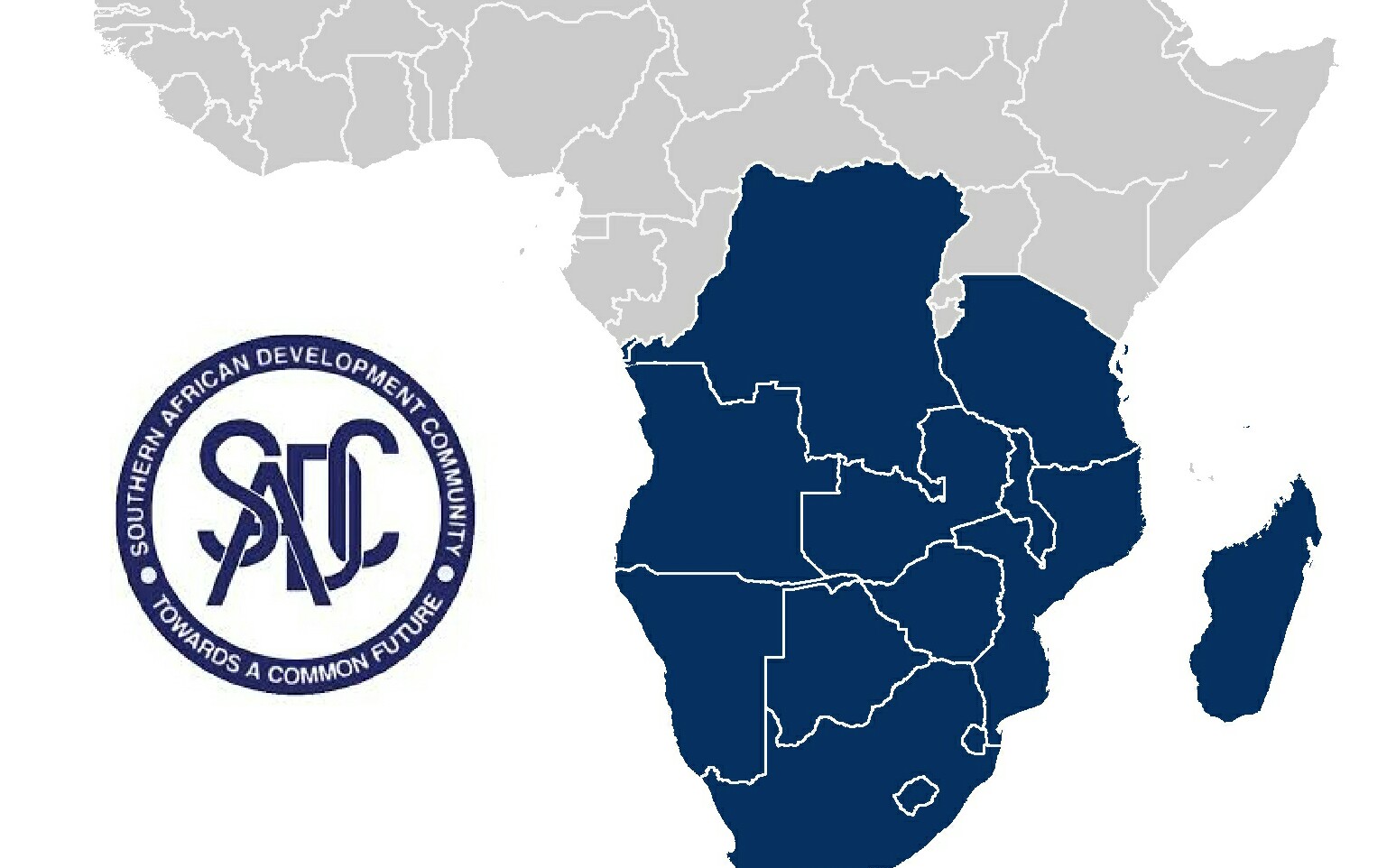
Southern Africa stands at a defining moment in its history. The Southern African Development Community (SADC) is a region blessed with strategic geography, abundant natural resources, and immense human potential. It is, in many ways, one of Africa’s most peaceful and underutilised regions. Yet despite these advantages, the region continues to underperform in areas where it should be leading—industrialisation, infrastructure development, trade integration, and regional competitiveness. The problem is not a lack of vision. The problem is execution.
Across the region, laws and frameworks exist in abundance. Policies are drafted, agreements are signed, and ambitious strategies are announced. But implementation remains the greatest challenge. Too often, these commitments fail to move beyond paper because of inconsistent application, inadequate monitoring systems, and insufficient coordination between governments and institutions. This implementation gap has become one of the most serious obstacles to regional progress. Southern Africa does not need more declarations; it needs disciplined follow-through.
A major reason for this disconnect is outdated governance systems. In a fast-changing world, regional institutions cannot continue operating with fragmented structures and manual processes that slow decision-making and weaken accountability. Intergovernmental coordination must be modernised and strengthened.
Technology must be integrated into governance so that regional decisions can be tracked, monitored, and evaluated in real time. If progress is not measured, it cannot be managed. Digital systems that allow transparency, shared data, and efficient communication across borders can transform how SADC operates. Because the future belongs to regions that can adapt and govern intelligently.
Security is another non-negotiable pillar of development. Economic integration cannot thrive in an environment of weak borders, illicit trade, and regional instability. The insurgency in Cabo Delgado, Mozambique, has shown how localised insecurity can quickly become a broader regional threat. Secure borders are not merely defensive mechanisms; they are economic enablers. Effective border management protects trade routes, strengthens investor confidence, and reduces criminal networks that undermine state capacity.
Intelligence coordination across member states must improve, and regional security cooperation must become proactive rather than reactive. Stability is one of Southern Africa’s greatest strengths, but it must be actively protected.
At the heart of long-term development lies human capital. Southern Africa’s greatest resource is not only beneath the ground in minerals, but within its people. Education, skills development, and workforce readiness must become central to regional policy. A region cannot compete globally if its labour force is not equipped for the demands of modern industries. Investment in technical education, vocational training, and innovation ecosystems will determine whether the region can transform its economic potential into real prosperity. Human capital is not a secondary issue, but it is the foundation of sustainable growth.
At the same time, the region must confront an uncomfortable truth: Africa continues to export jobs when it imports what it can produce itself. Heavy dependence on external markets for manufactured goods weakens domestic industries and limits employment opportunities. Intra African trade remains underdeveloped, despite repeated calls for integration. If Southern Africa is serious about becoming a middle-income regional bloc, it must prioritise regional production networks and strengthen trade within Africa. Instead of looking outward first, the region must build systems that encourage internal economic circulation.
This requires what some have described as viable regional geometry—a practical economic model built around strategic corridors, complementary industries, and shared infrastructure. Southern Africa’s geography is an advantage, but only if it is organised effectively. Functioning economic corridors connecting ports, railways, energy systems, and industrial hubs can unlock regional productivity at scale. These corridors must not exist merely in planning documents; they must operate efficiently and reliably. Trade cannot expand if logistics systems remain weak and transport bottlenecks persist.
Infrastructure, therefore, must be treated as the backbone of integration. Roads, rail, ports, digital connectivity, and energy networks are essential for competitiveness in the twenty-first century. Yet infrastructure development cannot be financed by governments alone. The scale of regional needs requires innovative financing models, including public-private partnerships, development finance institutions, and coordinated regional investment platforms. The role of government is to provide strategic direction, regulatory certainty, and oversight, while leveraging private sector expertise and capital. Sustainable infrastructure is not simply about building projects—it is about creating systems that unlock economic transformation.
Equally urgent is the issue of natural resources. Southern Africa possesses some of the world’s most valuable minerals, yet too often these resources leave the region in raw form, only to return as expensive finished products. This extractive model reinforces dependency and deprives communities of long-term benefits. The region must shift decisively toward value addition. Minerals should be processed, refined, and transformed into higher-value products within the region itself. This approach generates skilled jobs, builds industrial capacity, and ensures local beneficiation. Resource wealth must translate into regional wealth, not merely external profit.
Leadership will determine whether this transformation becomes reality. Regional leadership cannot be measured by attendance at conferences or participation in diplomatic forums. It must be measured by impact. Citizens and businesses need tangible evidence of progress— efficient trade systems, secure borders, functioning infrastructure, and expanded employment opportunities. Leadership must move beyond rhetoric toward performance-driven governance. The credibility of SADC’s institutions depends on results, not promises.
Southern Africa has all the ingredients required for success: some level of peace, resources, strategic positioning, and human talent. What has been missing is the collective urgency to turn these advantages into measurable outcomes. The region cannot afford to remain a place of untapped promise. It must become a model of regional transformation.
The future of SADC will not be defined by the frameworks it adopts, but by the actions it takes. Secure borders, skilled citizens, industrial value chains, modern governance systems, and functioning economic corridors are not optional ambitions—they are necessities. The choice before the region is clear: continue as a bloc that is rich in potential but limited by execution, or rise as a coordinated, competitive, and prosperous middle-income region.
History will not remember the promises made. It will remember the impact delivered.