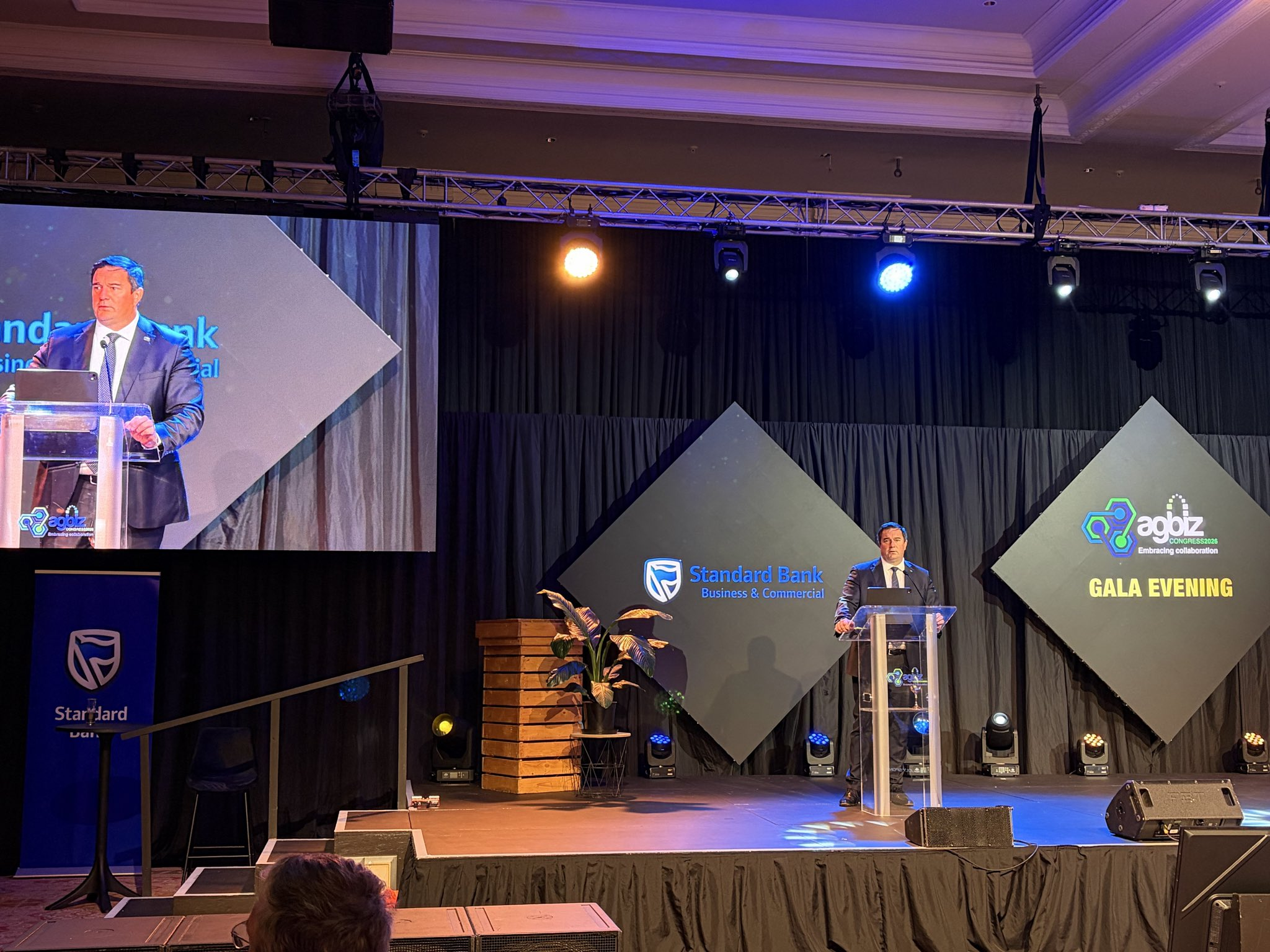
This article was crafted because of a symposium currently held at Stellenbosch University from the 14-15 May 2026 titled: “Revisiting Prophetic Resistance in a Changing World: 50 Years of Farewell to Innocence”. The title stems from the book of Allan Boesak titled: Farewell to Innocence: A Socio-Ethical Study on Black Theology and Power written in 1976.
The book was addressing the apartheid condition of “pseudoinnocence” and declaring that “it is a farewell for white people. To maintain the status quo, it is necessary for whites to believe, and keep on believing, that they are innocent. They are innocent because they just ‘happen to have a superior position in the world’”.
My intention is to contextualise “Farewell to Innocence” in these 50 years of its existence and in the Madlanga Commission era or context, with reference to the crimes against the state and/or the citizens of this country by the politicians, police, and the judiciary. However, it is also important to immediately distinguish between innocence and ignorance.
Tim Lott, in his 2013 article titled “What exactly is the innocence of childhood,” clarifies this distinction, stating that: “Innocence goes deeper than ignorance. It is some mysterious operation of the imagination, the part that can enter into mental universes from which one is soon to be forever excluded”.
Equally, I intend to reflect on a significant shift in perspective regarding the integrity of legal and law enforcement systems, often described as a “loss of innocence” or a “farewell” to the belief that the systems are always just. This feeling is common when one is confronted with evidence of systemic corruption, such as:
- Unlawful convictions: grounded on coerced confessions or faulty evidence.
- Police delinquency and lack of answerability.
- Judicial bias or decisions prejudiced by external, non-legal factors.
This realization often forces a move from blind trust to a more critical, cautious, and sometimes cynical view of authority.
What we must confess is that corruption in South Africa is widely recognized as a deeply entrenched, systemic issue rather than a secret, acting as a major, open constraint on development, service delivery, and economic growth. Often referred to as “institutionalized corruption”, it spans both public and private sectors, with profound impacts on poverty and inequality.
Our police and judiciary have acted blindly or with innocence amidst the crimes committed in front of everyone daily or openly. Adam is naked in the Garden of Eden, but thinks he can hide from God, the truth, accountability, or justice. That is why some would conclude that South Africa is a movie and a crime scene.
Crime has become part of the DNA of our politicians, police, and judiciary. Those who are supposed to look after and protect our interests have developed a habit and an arrogance of committing daylight crime in full view, understanding that there won’t be consequences, on the basis that there is a relationship between politicians, police, and the judiciary.
“Crime as business as usual” describes a scenario where illegal activities are so deeply rooted in common commerce and processes that they are considered standard, presumed costs, or standard operating procedures. This trend is highly prevalent in South Africa, where it is exhibited via extortion, corruption, and organized, violent crime that alters and is often amalgamated into the private sector.
Key Aspects of Crime as Business as Usual
Economic Influence: Crime in South Africa is violently economic, with a projected R700 billion costs to the economy.
Extortion and “Mafias”: Construction and business mafias demand “protection fees” from authentic businesses, pressuring closure if they do not pay.
Corporate Participation: Organized crime operates through cash-intensive sectors like construction, waste management, etc.
Standardization of Fraud: High-level fraud, especially during tender processes.
Safeguard vs. Involvement: In several cases, criminals are not just pursuing businesses; they are actively penetrating and hijacking legal methods, such as procurement, as part of their business paradigm.
Allan Boesak, in his book “Farewell to Innocence,” would have concluded that “Pseudoinnocence also has another function. It effectively blocks off all awareness and, therefore, the sense of responsibility necessary to confront the other as a human being. This leads to an inability to repent which in its turn makes genuine reconciliation impossible”.
Innocence, therefore, functions as a powerful tool or an escape mechanism to adopt or retain a state of ignorance, naivety, guilt, responsibility, reality, and vulnerability. This fake innocence on the part of the police and judiciary sustained crime and criminal activities, thereby sustaining the status quo.
What then becomes clear is that in this state of pseudoinnocence; silence or inaction is not neutral but surrender to and participation in the criminal system.
What is then very clear is that parting ways with pseudoinnocence is a risky business, just as any corrupt system is, and Boesak already warned that “Engaging in liberation theology in the South African situation is an extremely risky business.” However, a theology of risk addresses the conscious decision to enter danger for the sake of the Gospel, righteousness, justice, and truth. This is against a fear of future loss, including, life-rather than current pain. It is a “Farewell to Innocence”.