Elson Kgaka takes umbrage with a recent article by GSMN columnist Sandile Memela.
I agree with Steve Biko. I disagree with the writer’s conclusion.
Biko defined Black Consciousness not as pigmentation but as a mental attitude — “an attitude of mind, a way of life” committed to emancipation from all forces that seek to use blackness as a mark of subservience. On that, the writer is correct and Biko remains irrefutable.
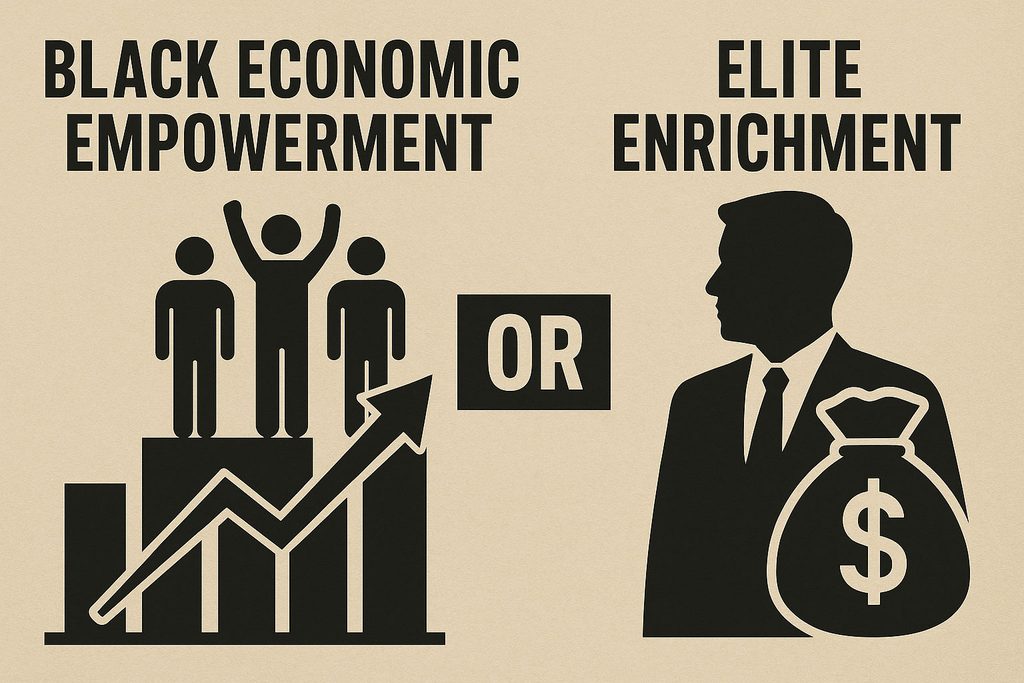
Where I disagree is the writer’s absolutist claim: that any Black person who benefited from BEE, became wealthy, and lives comfortably is automatically disqualified from ethical leadership unless he performs public self-flagellation. That is moral purism, not Biko.
Biko was not anti-wealth or anti-success. He was anti-dependence and anti-subservience.
1. A More Practical View
The writer commits what Biko himself warned against: reducing Blackness to poverty as authenticity. Biko’s project was to _free_ the Black mind to build, own, and compete — not to romanticize suffering.
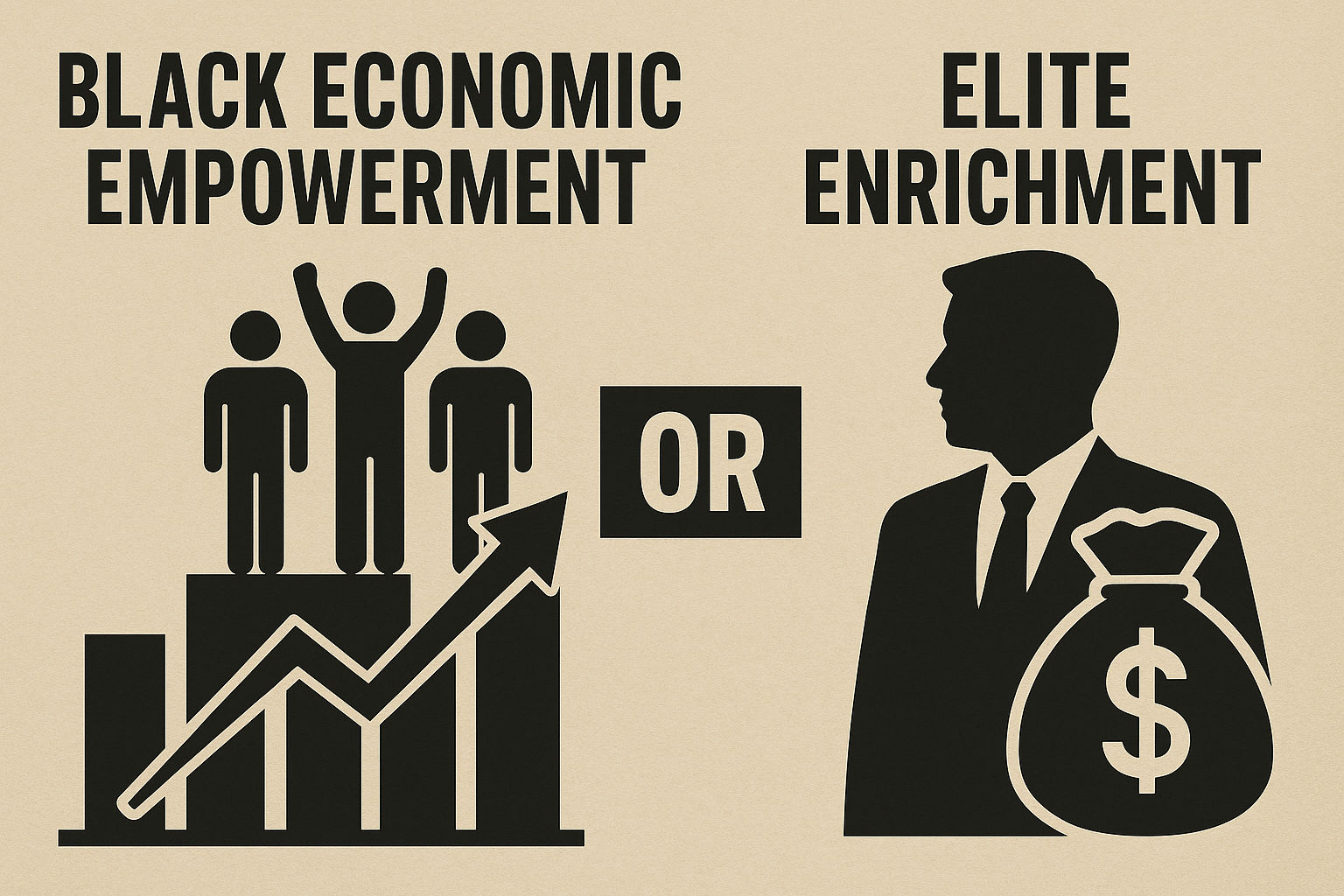
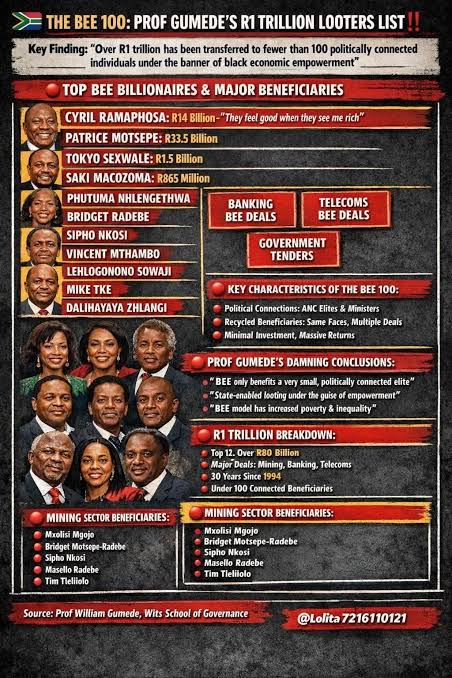
Yes, BEE has largely failed to transform productive ownership. The writer is right that much of it became brokerage, tenderpreneurship, and debt-funded paper shares rather than factories, technology, and jobs.
But to say all BEE beneficiaries are mere “outlets for white capital” is factually incomplete. There are Black industrialists, farmers, tech founders, and professionals who used BEE-mandated access to capital, licenses, and procurement to build real productive capacity and employ thousands. Their ethical standing should be judged by _what they do with the advantage_, not by the mere fact they received it.
Ethical leadership is not determined by the cleanliness of one’s origin, but by the integrity of one’s current practice. A beneficiary who now pays taxes honestly, builds decent jobs, refuses corrupt tenders, mentors township youth, and reinvests in productive capacity _is_ practicing ethical leadership — even if his first break came from an imperfect system.
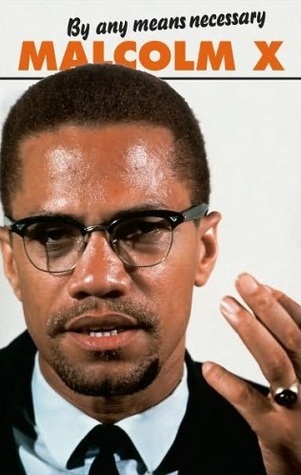
REVOLUTIONARY: Malcolm X continues to inspire generations of activists world-wide through his uncompromising crusade to end of racism, bigotry and prejudice against Black people mainly in the US.
To demand “confession” as a precondition for speech is to create a permanent underclass of guilt, not leaders.
2. What Can We Learn From Biko Today — In Simple Terms
For the ordinary South African, Biko’s message was simple:
*”Black man, you are on your own.”*
He did not mean isolate yourself. He meant:
1. *Stop waiting to be saved.* No white company, no government tender, no politician will liberate you.
2. *Free your mind first.* Believe you are capable of building, not just begging for a job. Re se ka ra nna ba batla ditiro.
3. *Build for self-reliance.* Start a co-op, learn a skill, support Black-owned productive businesses, own what you can, however small.
4. *Hold _all_ power accountable* — white capital _and_ Black tenderpreneurs who steal from clinics and schools.
Biko is not about hating the rich Black man in Steyn City. Biko is about asking the boy in Diepkloof: What are _you_ building with what you have?
As Malcolm X put it, and it applies directly here:
> “Nobody can give you freedom. Nobody can give you equality or justice or anything. If you’re a man, you take it.”
Biko and Malcolm X converge: liberation is not granted through legislation alone; it is _taken_ through consciousness, organization, and economic self-activity.
3. The Importance of Using Legislation — Not Just Criticizing It
This is where the writer misses the strategic point. Biko died fighting an unjust _legal_ system. We now live under a Constitution he never had.
South Africa has powerful tools Biko would have urged us to _use and enforce_, not dismiss le go e tlhompa:
– *The Constitution (Section 9, 25, 26):* equality, land reform, socio-economic rights
– *B-BBEE Act, Employment Equity Act, Preferential Procurement Policy Framework Act:* imperfect, but they create legal leverage
– *Companies Act, Public Finance Management Act:* to prosecute tender fraud
Biko stood for _agency_. Ethical leadership today means mastering these laws to demand real enterprise development, worker ownership, community trusts with teeth — not just 26% paper shares to individuals. It means using the courts, the BEE Commission, and Parliament to _enforce_ transformation, not abandoning the legislation because it was abused.
If we walk away from legislation, we surrender the only non-violent mechanism to transfer productive assets at scale.
4. Are Biko’s Ideas Still Relevant in the “New” South Africa under Democracy ?
More relevant than ever. Political freedom without psychological and economic freedom is what Biko called “a hollow shell.”
His ideas are relevant because:
– 30 years later, ownership is still racialized
– The education system still produces job-seekers, not builders
– The Black elite still often seeks validation from Sandton boardrooms rather than building alternative institutions in townships
Biko’s relevance is not in shaming the wealthy, but in challenging _all of us_ to move from representation to production.
5. A re bue ka monnamogolo Trump.
Go botlhokwa go mo sekaseka.
Trump’s second-term “America First” protectionism, his attacks on DEI programs, and his administration’s public criticism of South Africa’s land reform and BEE as “anti-white discrimination” have emboldened a narrative — locally and internationally — that any race-conscious redress is illegitimate.
This matters for two reasons:
1. It gives white capital a global excuse to resist transformation: “Even America says BEE is racist.”
2. It tempts some Black elites to distance themselves from Biko to appear “investor-friendly” in Washington’s eyes.
Biko would have seen this clearly: do not outsource your moral compass to Washington or to the JSE. Self-reliance means defining justice on African terms, not seeking permission from Trump or anyone else.
*Conclusion*
Can a BEE beneficiary speak about ethical leadership? Yes — if his leadership today is ethical, impactful, and accountable.
Biko did not ask us to be pure. He asked us to be conscious, self-reliant, and committed to the collective. Moremogolo go betlwa wa Taola wa motho wa ipetla. The question is not “Where did you get your first million?” The question Biko would ask is: “What are you building with it, and who does it free?”
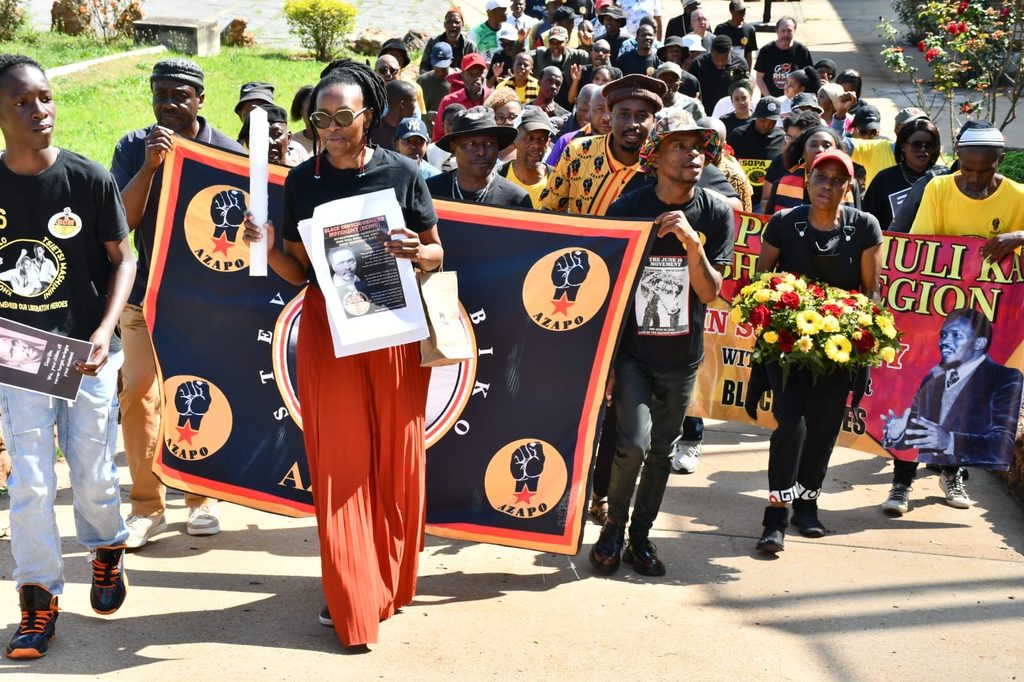
BIKO IDOLIZED: Throngs of Black Consciousness adherents under the umbrella of AZAPO mark the 2026 version of Biko Day, 12 September, the day the political icon was assassinated by apartheid police whilst in their racist custody in 1977. Each year, followers of Biko march to hold a commemoration service at the cell where he was found brutally murdered at the Kgoshi Mampuru Correctional Service in Pretoria, South Africa.