

We didn’t plan it this way.
None of us imagined a WhatsApp group could become a movement, but here we are, grown children of exile, of scholarship, of struggle, slowly circling back to one another after decades scattered across time zones, continents, and causes. What began as a gentle check-in from Vuyo Ntshona, “Are you still alive? Come on over for lunch and a tipple on Saturday if you are free, the gang will be here”, that luncheon has become something far more. A remembering of what held us up when everything around us was falling apart. Many of us arrived in America barefoot, literally, clutching scholarship letters and improbable dreams.
We washed dishes, protested apartheid in borrowed suits, fell in love with jazz, and graduated cum laude. We heard our names mispronounced at graduation but pronounced ourselves citizens of dignity anyway.
Today, we find ourselves in the strange luxury of reflection, and with it comes responsibility. We are moving beyond nostalgia into structure. Because loose ends never wove strong banners.
There’s Thibos, who once smuggled a typewriter through Botswana to help publish underground pamphlets and still types like he’s hiding from the police. And Nomsa, who studied chemistry at Spelman but moonlit as a poet in jazz basements with Pharoah Sanders in Harlem, where freedom was both a sound and a sensation. Every group call starts with a joke but ends with strategy, because we’ve seen too much to play games with legacy.
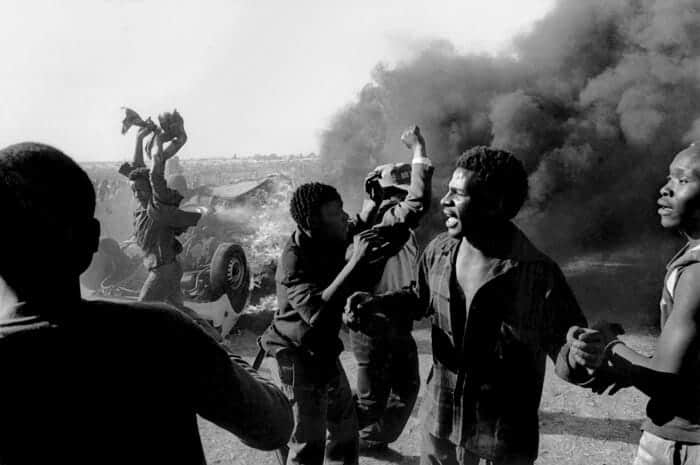
It is Gaby Magomola, whose humour could outlast any police checkpoint or interrogation, and whose spirit never learned to surrender. Despite years on Robben Island. It is Duma Ndlovu, who could explain a stage production on the back of a serviette while convincing you that revolution could still be won with a Stage Play on Broadway. It is Twiggs Xiphu, weaving Black Consciousness philosophy and biochemistry into one seamless conversation, as if the universe spoke in two tongues and he understood both.
It is Dorset Musi, with his infectious laugh, seeing everything in straight lines, the Structural Engineer he would be. It is Pearl Luthuli, sharp as the broken glass of June 1976 but as luminous as the new dawn we dared to imagine. It is Oyama Mabandla, carrying history like a Miles Davis song, never forgetting the notes of sacrifice that brought us to this fragile home. Reminding us of the Soul of the Nation. It is Thandiwe January-Mclean who would reflect that “Transformation is not just about changing systems; it’s about unlocking the potential of people to imagine and create a different future.” It is Danisa Baloyi, who would gently and yet explosively remind one that “Exile is teaching us that power is not given, it is built. And for Black women, that building starts with economic education and courage.”
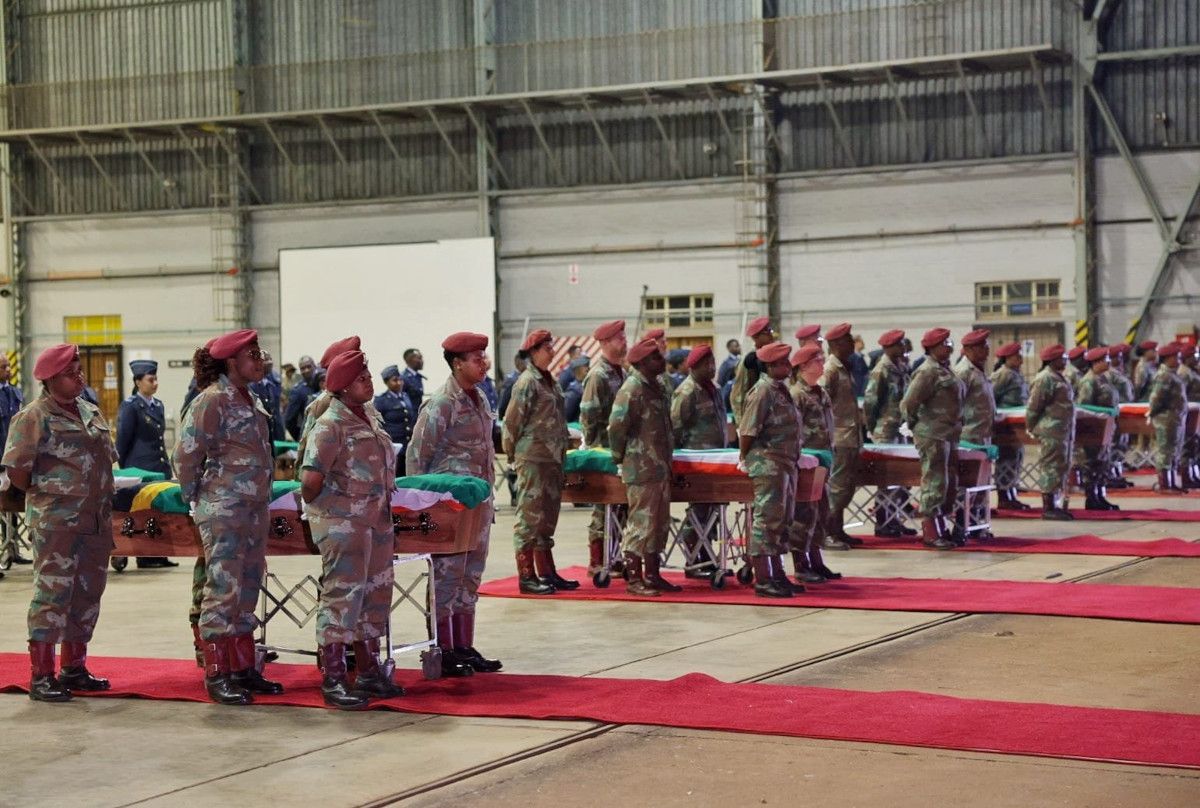
It is also the ones whose names you may not know, the silent architects. The ones who graduated without applause, who sent quiet remittances home, who bore loneliness like a second skin but never turned bitter. The ones who buried their parents by fax machines and buried their sorrows with even less ceremony. The ones who never saw a headline, who never wanted one.
We stand today not on the fame of the few, but on the endurance of the many.
I remember the way Hugh Masekela would pull you aside, drink in hand, eyes burning with clarity. “Sharp minds win long wars,” he’d say. “Don’t forget to study while you sing.” He said it to me one rainy night in Atlanta. And said the same to four others in our group, in four different cities, four different years. We only realized recently.
That’s what this collective is, a constellation of stories that have been waiting to realign.
I think often of Ida Woods of the Phelps-Stokes Fund, part administrator, part angel. She was a mother, a mentor, midwife to possibility. Many of us would not have survived that first winter in Greensboro, in Atlanta, in Philly without her quiet checks and firm encouragement. When we tell our story, her name must be engraved in gold.
Now we find ourselves in the strange luxury of reflection, and with it comes responsibility. We’re older, yes. But maybe that means we’re ready. Ready to codify memory into mission. To hold each other accountable, not out of bureaucracy but out of love.
The Echoes of Exile Collective is forming its skeleton into structure. As the Group coagulates, we are demanding presence because presence is what built this. Not self praise.
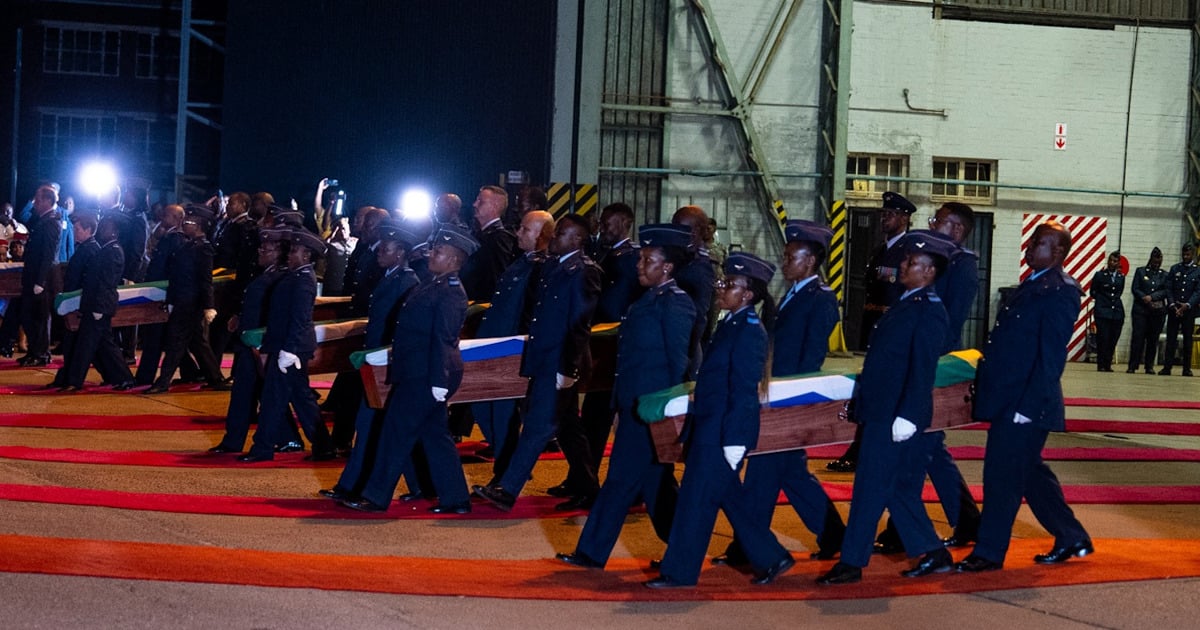
In Memory of Those Who Walked With Us Once
Before we toast what is being built anew, we must bow our heads, not in sorrow, but in gratitude.
To those who dreamed beside us, but did not live to return.
To those who carried the fire across oceans, only to have it flicker upon arriving home.
To those who chose to remain. Custodians of our home in our long absence.
To the fallen, the forgotten, they are fiercely remembered. You are not missing from this Fireside. You are the silence that makes our stories resound more deeply.
We remember: The poetry of Keorapetse “Willie” Kgositsile: “We are what we do, especially what we do to change what we are.”
The Memory of Mirriam Makeba: “I Iook at an ant and I see myself: a native South African, endowed by nature with a strength much greater than my size.”
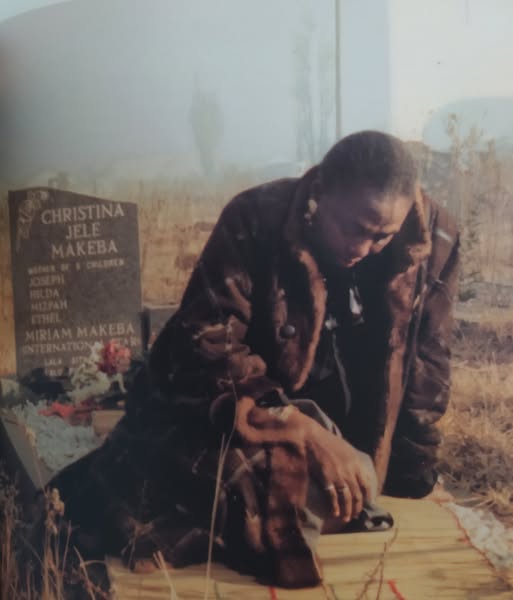
Bra George Moffat: “Sometimes I sits, and I thinks. Sometimes I just sits”
Paul “Pablo” Mokabe: “Is Babylon still the West?”
Nandi Xaba, who stitched us into place with her music and memory.
Dumile Feni: “My work is a scream, a silent scream.”
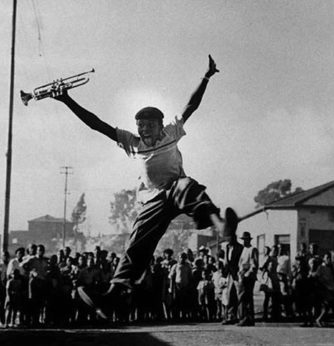
Elias “Spike” Letlapa, who died with a trumpet beside his bed.
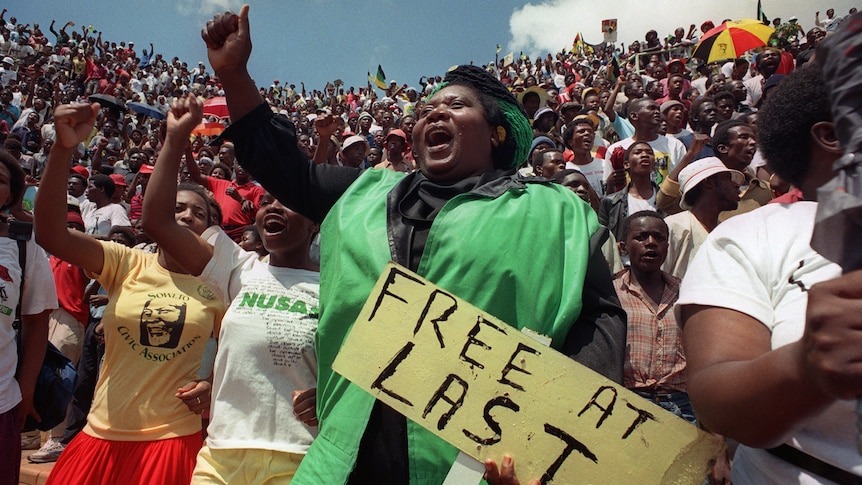
The Echoes of Exile Collective is not nostalgia. It is an uprising of memory, a commitment to both the visible and the invisible. We are stitching together our living history with the names of those who carried water, built bridges, and broke chains even when no one was watching.
We will gather. We will honour the famous, the forgotten, and all those in between. Because we are all those things at once.
We will remember that the struggle was never about being seen.








3 Responses
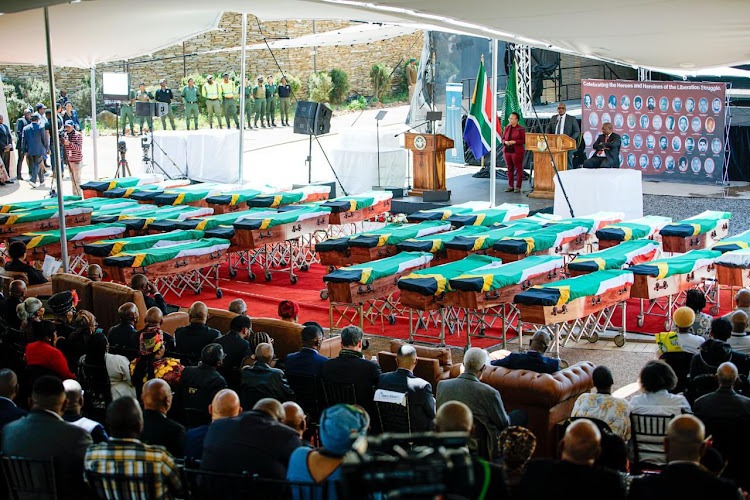
I think we should say some of the liberation heroes remains being returned for reburial because most have not been identified and returned…. the narrative is a right step towards the right direction… these stories are long overdue… Maatla!!!
First Umpressions Evokes Explosive emotions bordering on suppressed but nuanced anger and Celebration! The publication content would need to persuasively present reader with its raison d’etre and to successfully fulfill this mission purposefully (Therein lies the challenge is my argument)
Wow. Definitely need to join the waves of reconnection in a manner that transcends the different experiences we all.had in exile.