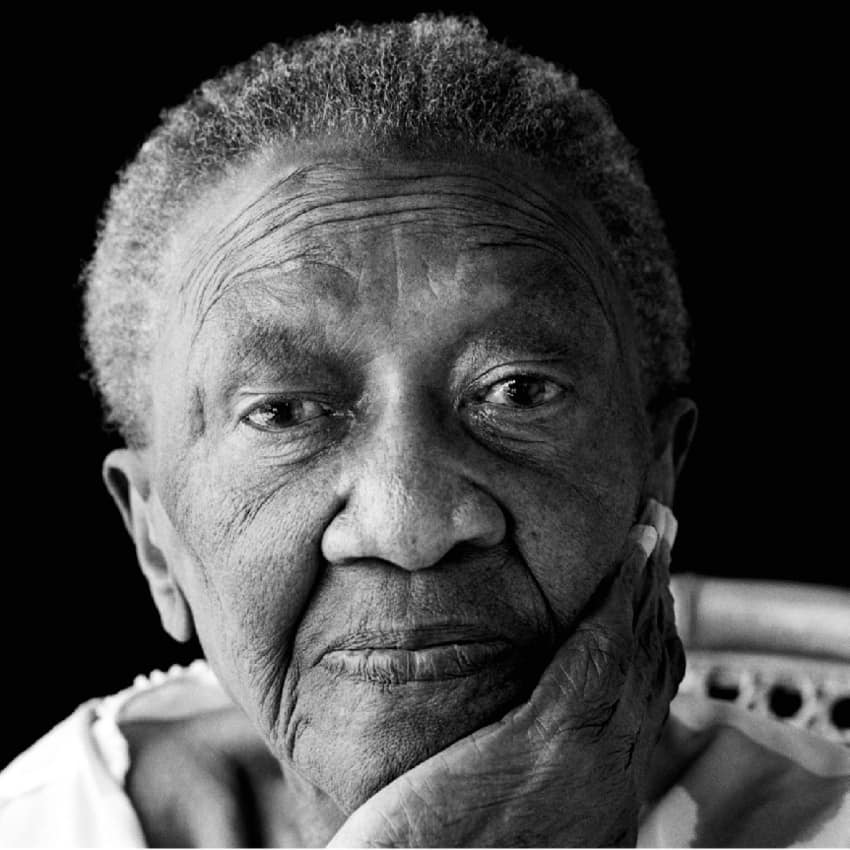
Yesterday marked the 20th anniversary of the passing of Gogo Nnoseng Ellen Kate Kuzwayo. Gogo Nnoseng is without doubt one of the most iconic black women of the past century.
Her legacy is monumental and continues to provide us with useful insights into a society whose internal combustion was fueled by colonialism, racism, capitalism and patriarchy.
It also gives us deeper insights into the thought processes and experiences of a black woman who sought to find purpose and meaning in a world that was designed to condemn her to invisibility.
Gogo Nnoseng lived a model life in which she dedicated her time, energy, knowledge, and skills to serving the black community in several capacities– as a teacher, social worker, political activist and writer.
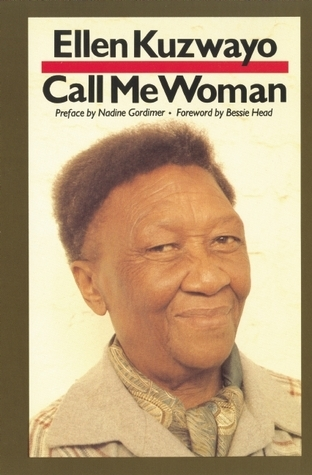
Owing to the depth and scope of her work, she earned several accolades in life and post humously. In honour of her name and contribution, I decided to revisit an extract from her classic literary offering ‘Call Me Woman’.
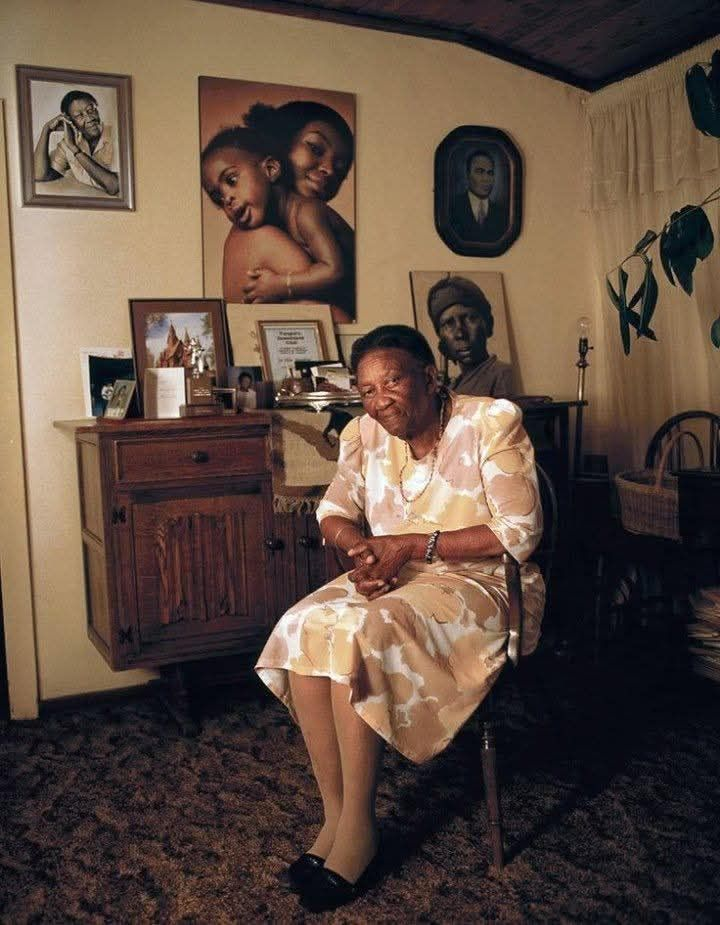
One of the observations she makes in this book is that “The black women in South Africa have shown outstanding tenacity against great odds. We shall never give in to defeat.
Today, we remain determined, like the women of our community of previous generations, who have left us a living example of strength and integrity.
Even now, at the age of 70 years, I tremble for what the future has in store for my grandchildren and those of their age group if things continue in the state in which they are at present.
I am all the more determined to join the struggle, and fight with all the means I have at my disposal for change in my country so that the coming generations can enjoy a better life in their ancestor’s country.
The commitment of the women of my country is my commitment – to stand side by side with our men folk and our children in this long struggle to liberate ourselves and bring about peace and justice for all in a country we love so dearly…”
With a deeply insightful preface by Nadine Gordimer and foreword by Bessie Head, ‘Call Me Woman‘ is an authoritative contribution to the critique of European colonialism in South AfriKKKa and the intersections of race, class, gender, and geography on the bodies of black women.
Even though Gogo Nnoseng uses her book to mainly articulate her own lived reality as a black woman and colonial subject, her narration also offers useful insights into the condition and experiences of black women and Black people under European colonialism in South AfriKKKa.
The book explores a combination of deeply personal, social, political, and existential themes. One of the aspects of the book that fascinates me most is how Gogo Nnoseng uses her platform to celebrate the achievements of other black women.
At the end of her book, she publishes the names of black women who acquired medical and law degrees between 1947 and 1982. She doesn’t stop there. She also lists the qualifications of each woman and the institutions where these were acquired.
The depth and width of her reflection on the impact of European colonialism on black women and Black people, makes her book one of the most important black literary contributions of the 20th century.
Even though she suffered harassment and imprisonment at the hands of South AfriKKKa’s racist colonial government – she remained defiant and unbowed.
Most remarkably, she maintained an irrepressible optimism about the future of Black people and South AfriKKKa.
In my book, she is not just a substantive freedom fighter, but also a monument of inspiration and definitely someone who deserves to form a central part of what our children are taught at a home, school and university.
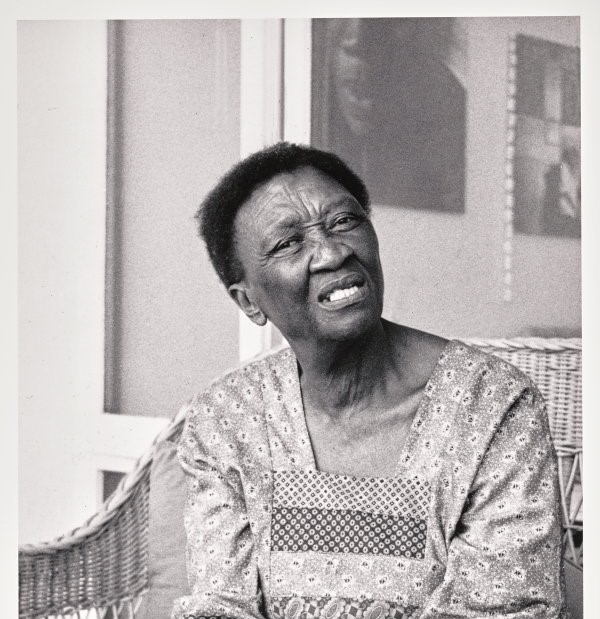
Gogo Nnoseng Ellen Kate Kuzwayo interview https://youtu.be/l12hJ8FQ1_Y?si=MXHi1baSF9zm2_ub