The captivating sense of calmness, the throngs of people milling about and the huge traffic volumes throughout St Petersburg belies the reality that Russia is in a state of war.
St Petersburg is a sprawling cosmopolitan city. It is regarded as the mecca of Russia’s culture and heritage, an epicentre of values as well as a haven of Russia’s rich history. The identity of being Russian can be easily located to a way of life in the majestic St Petersburg, sometimes referred to affectionately as “St P”.
Museums and art galleries decorate the city founded by Peter the Great in the 17th century. Born in Moscow in 1672, Peter the Great was first the Tsar of Russia and later became Russia’s first Emperor from 1721 until his death in 1725, aged only 52 years and four months but leaving behind a lasting legacy as an industrious monarch who impacted Russia’s future trajectory.
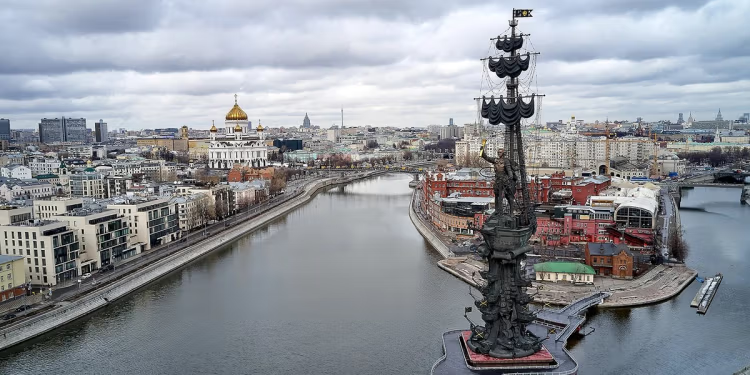
His statue riding a horse overlooks the majestic Neva River around which St Petersburg is built. The architecture of the multi-story buildings is clearly influenced by two factors: War and weather. Perimeter walls are as wide as nearly one meter. Ferocious winter weather, particularly around January to March, can see temperatures dropping to as low as -35*C.

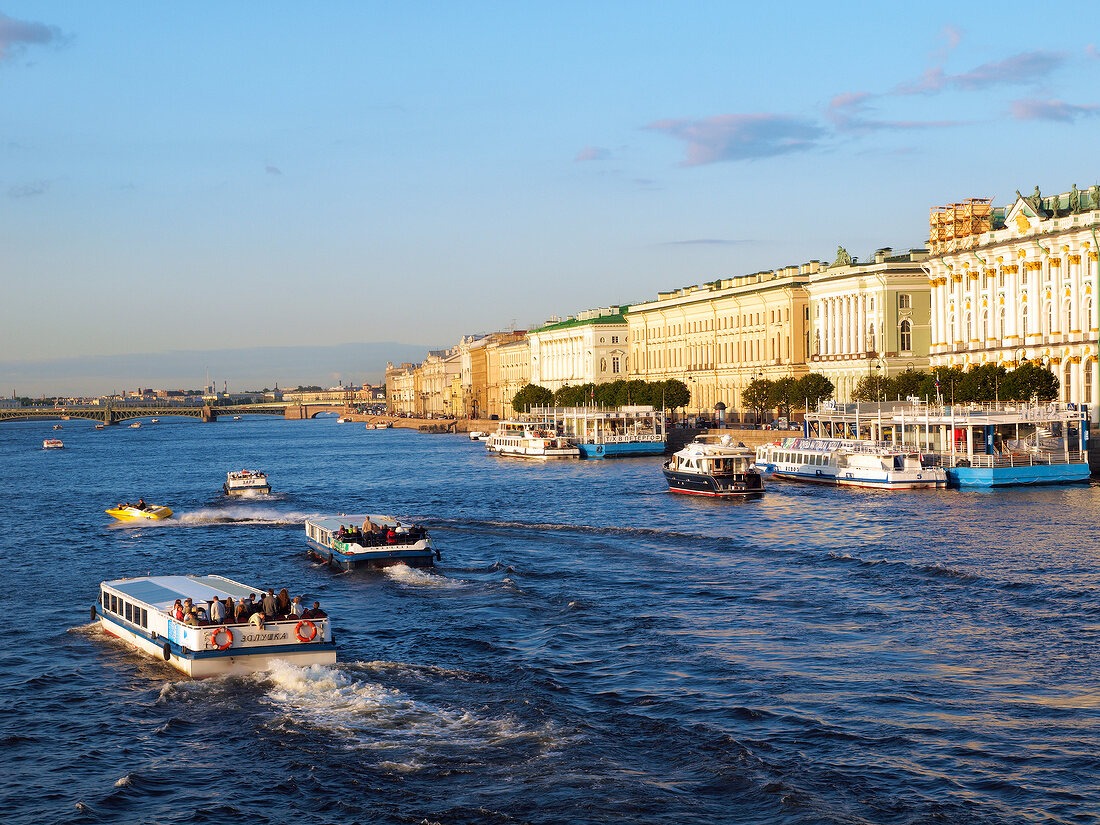
However, in the present summer season, dozens of boats travel with the Neva River’s current in one direction, forming a beautiful flotilla. At times they travel pretty close to each other ferrying holiday makers from one end to the other. Watching the boats, many roofless, move side-by-side with screaming passengers is truly a sight to behold.
The metropolis was previously known as Leningrad until it was renamed back to its original name in modernity It play host to the annual St Petersburg International Economic Forum (SPIEF), Russia’s flagship trade and investment mega event. This year up to 24,000 delegates from 144 countries participated in SPIEF, signing deals to the tune of 6,3 trillion Rubles, according to the organisers.
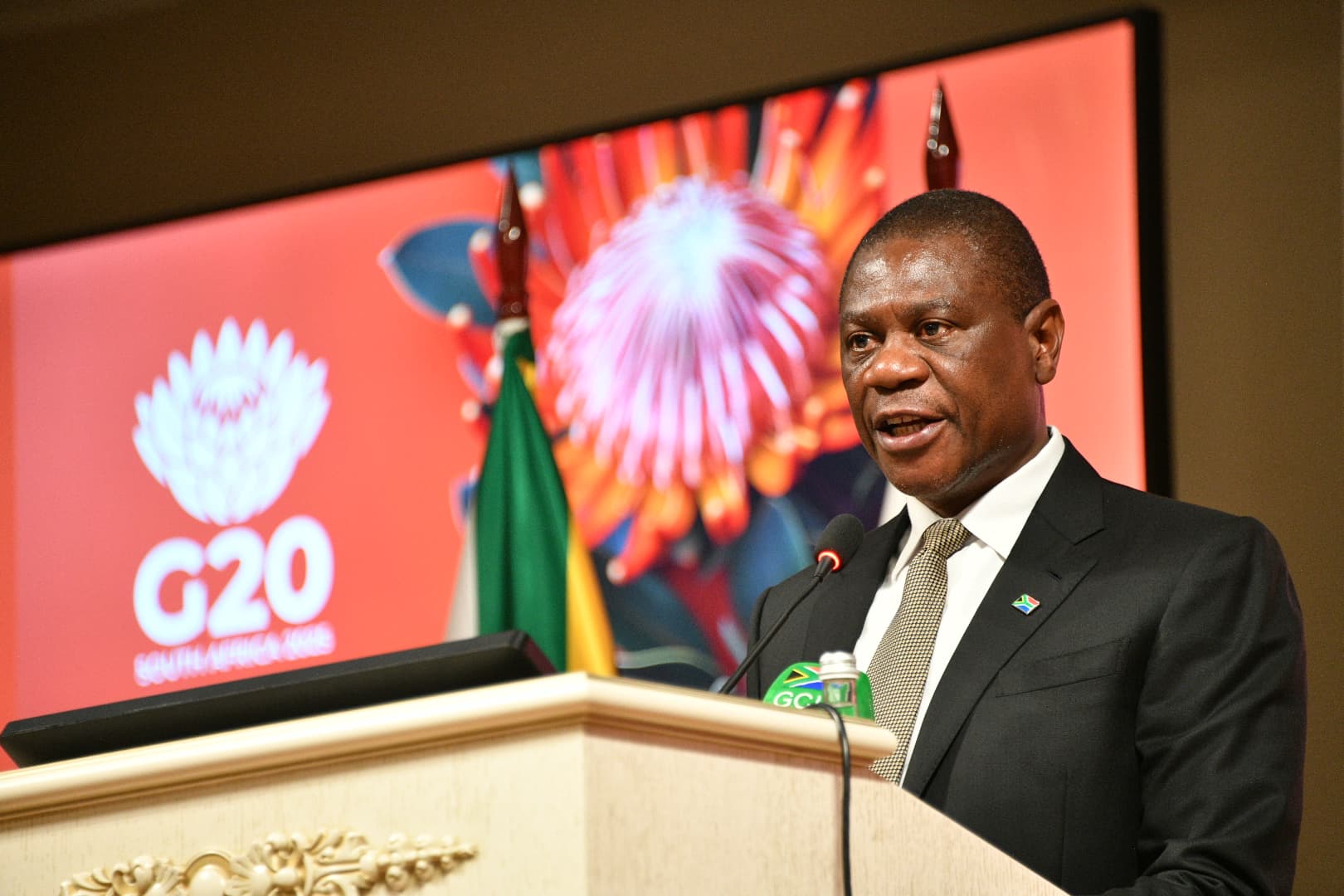
South Africa’s delegation was led by Deputy President Paul Mashatile, accompanied by eight ministers and business leadership. Mashatile later delivered a public lecture at St Petersburg State University, the alma mater of the legendary Russian leader Lenin as well as the incumbent, President Putin.
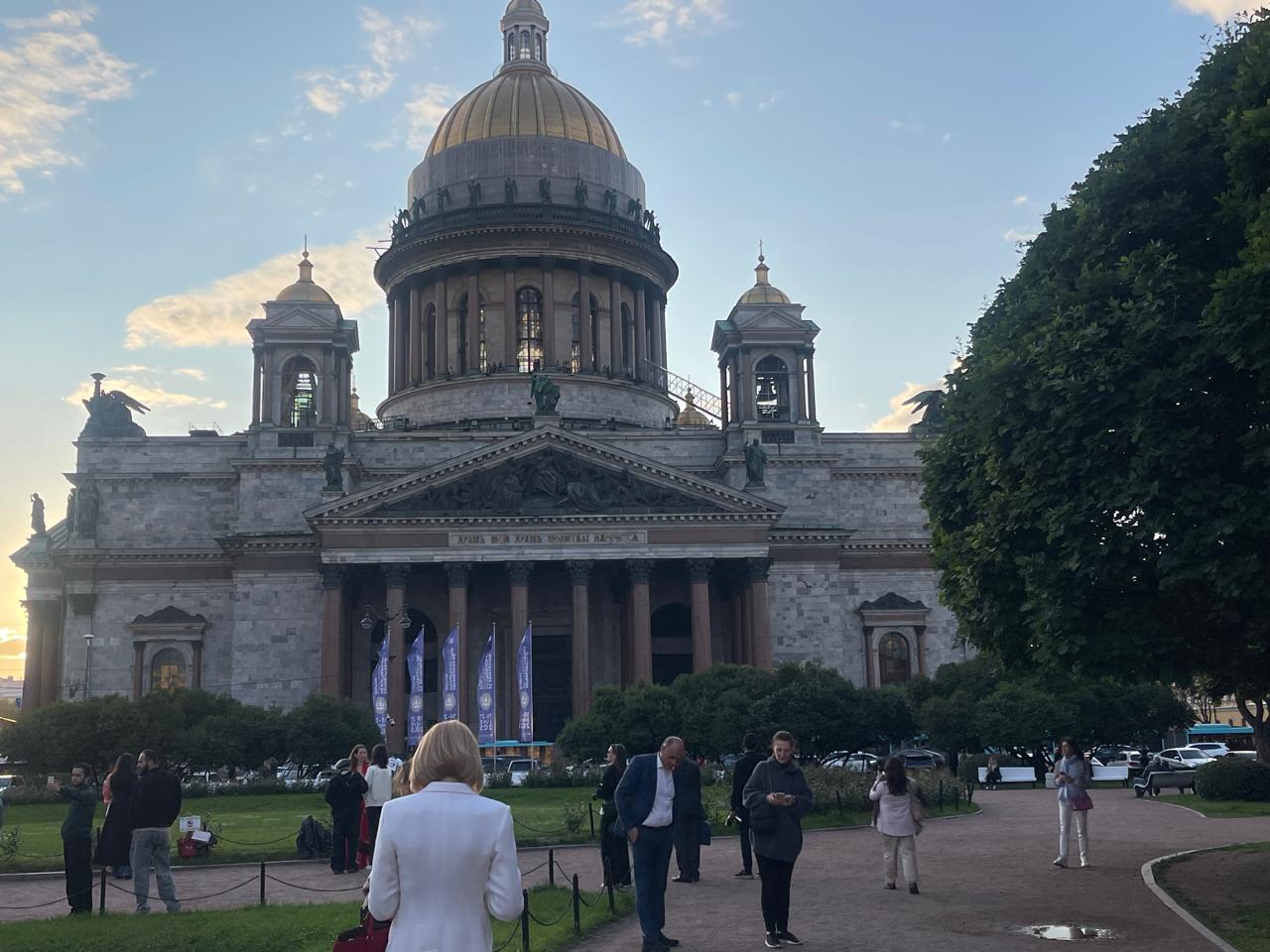
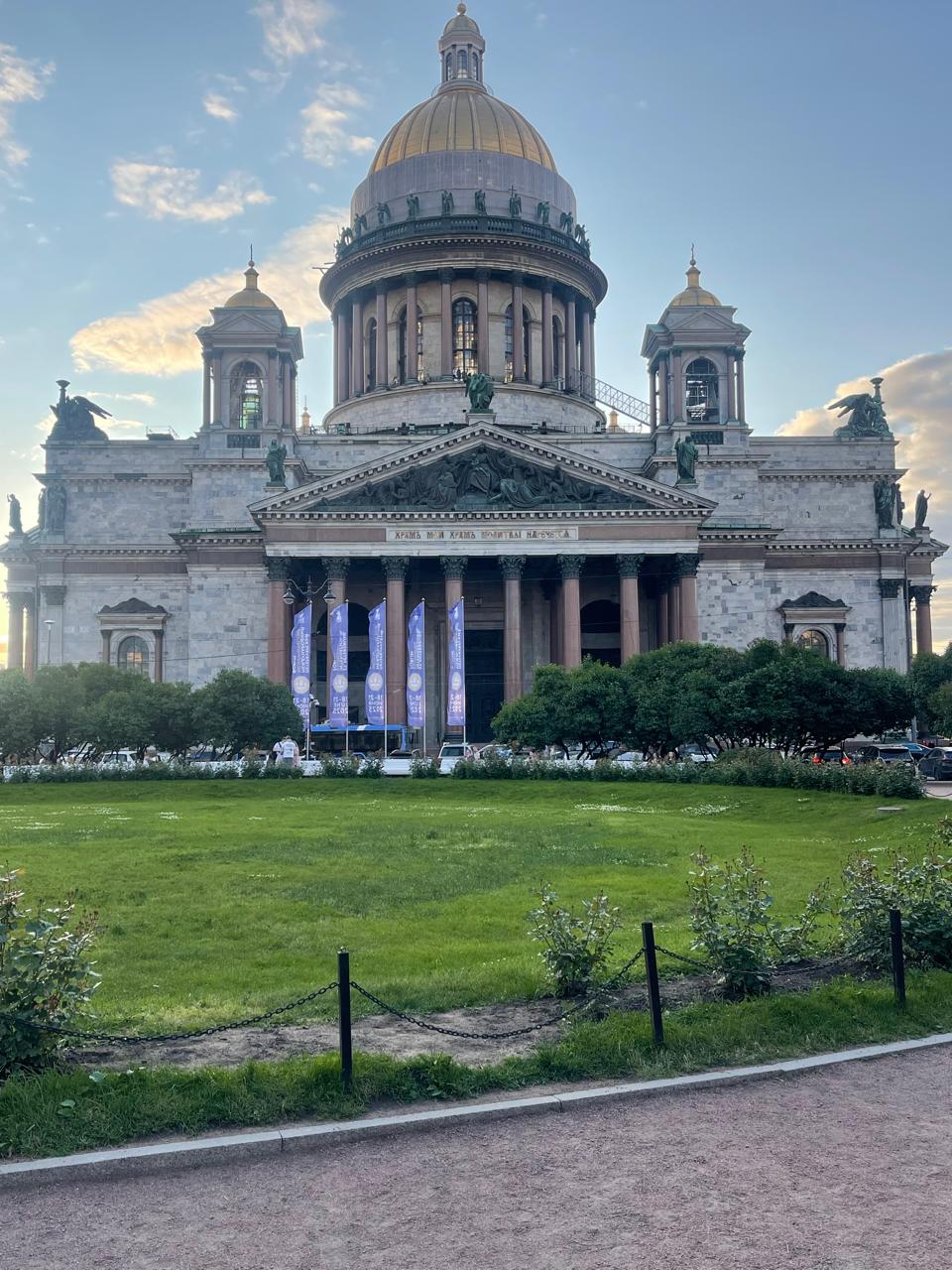
St Petersburg also has a proud history of resistance. At its centre in Isak Square lies the famous Cathedral of St Isaac. The majestic Cathedral is worshipped for surviving 148 bombs fired by Hitler’s Nazi Germany army that attacked during WWII from 1939-1945.
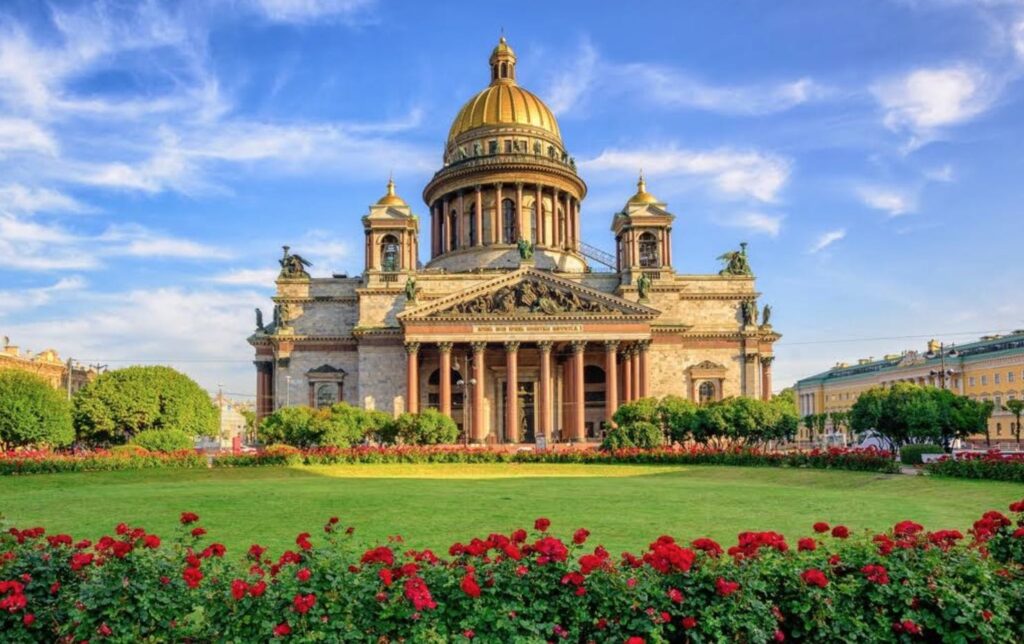
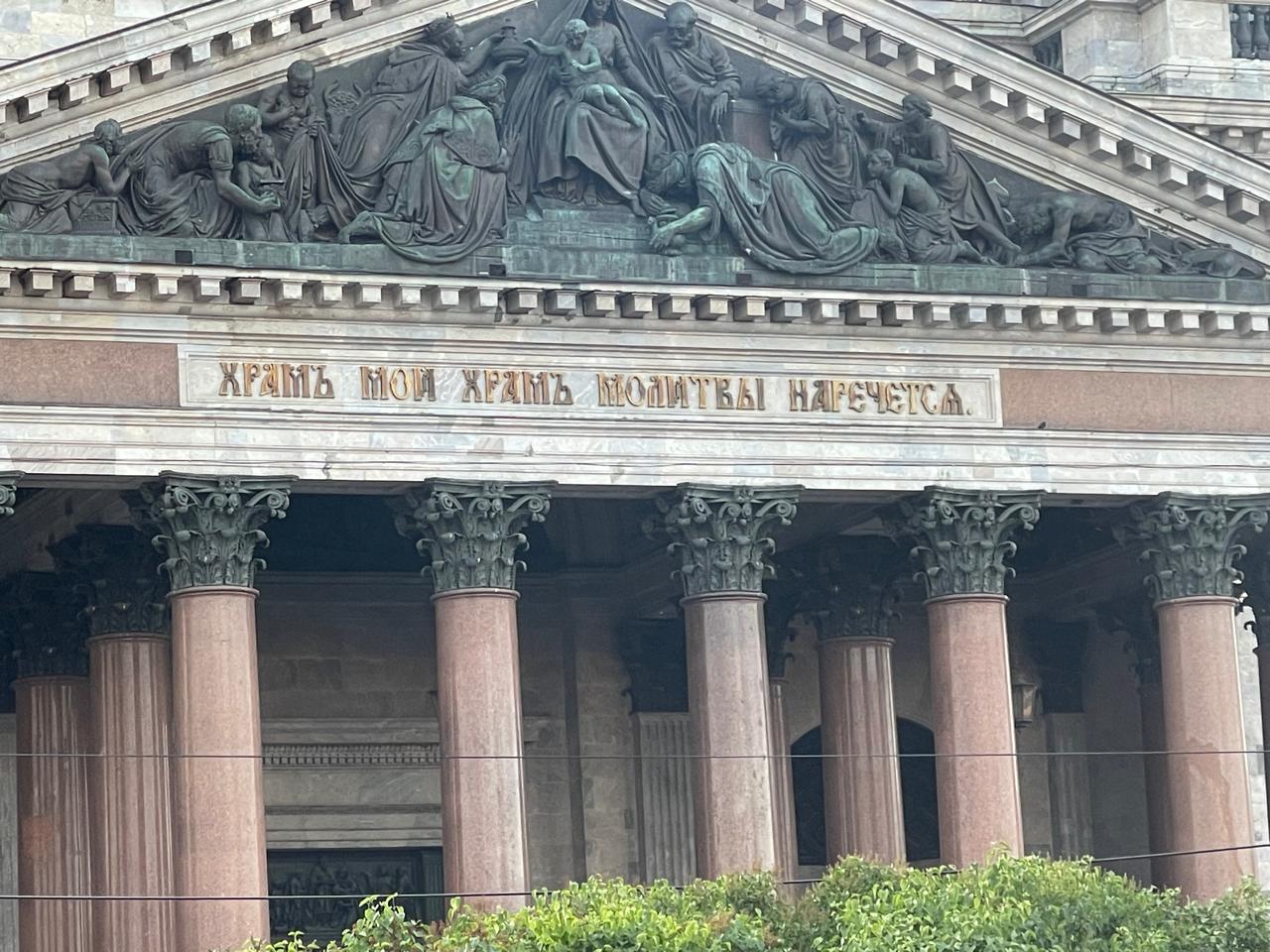
Some of the Cathedral’s huge pillars bear evidence of the scars from the bomb attacks. The Russian authorities have elected to leave the pillars unrepaired as a symbol and constant reminder of the spirit of resilience. The Cathedral took long to build – from 1818 until 1858. At the foot of the Cathedral is the following inscription in Russian: “My temple is the temple of my prayer.”
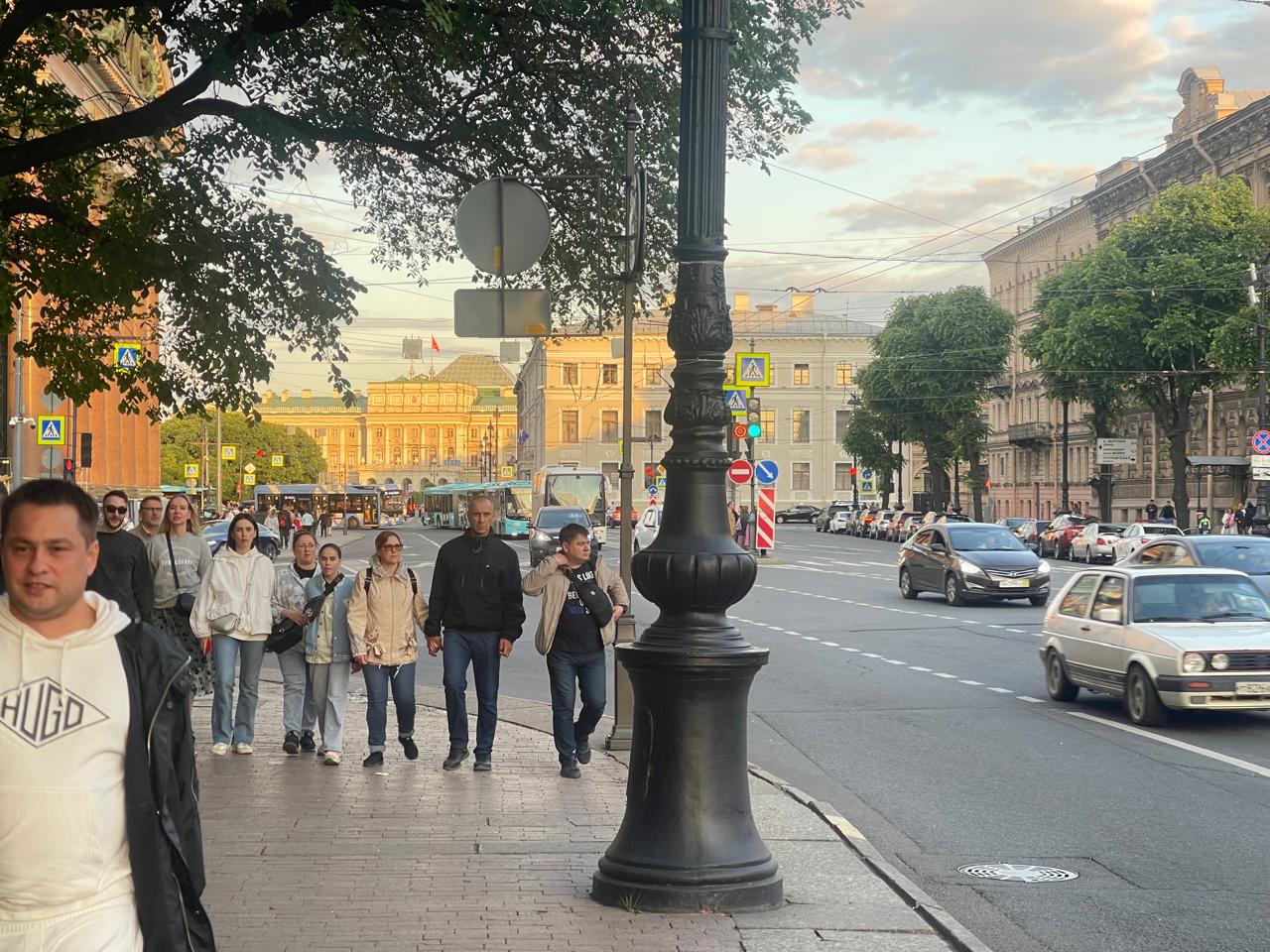
Standing in front of the Cathedral and facing the nearby Presidential Library, hundreds of vehicles can be seen throughout the six-lane wide roads. Men, women and children chill in the leafy parks. Everything looks oh so plush. Clearly-marked police vehicles incessantly drive past at high speed, with their siren at their loudest. At various intersections, uniformed traffic officers assist with traffic controls. Noticeably, there is no jay-walking. Pedestrians cross the roads only at the appropriate spots. The vivid respect for the law, and for one another is hard to miss. Overall, it is as though one is watching civilization of a higher order.
Beneath the statue of Peter the Great tourists, by a large margin Russians, take turns taking photographs. You simply cannot claim to have visited St P without posing for pictures with the founder of the City.
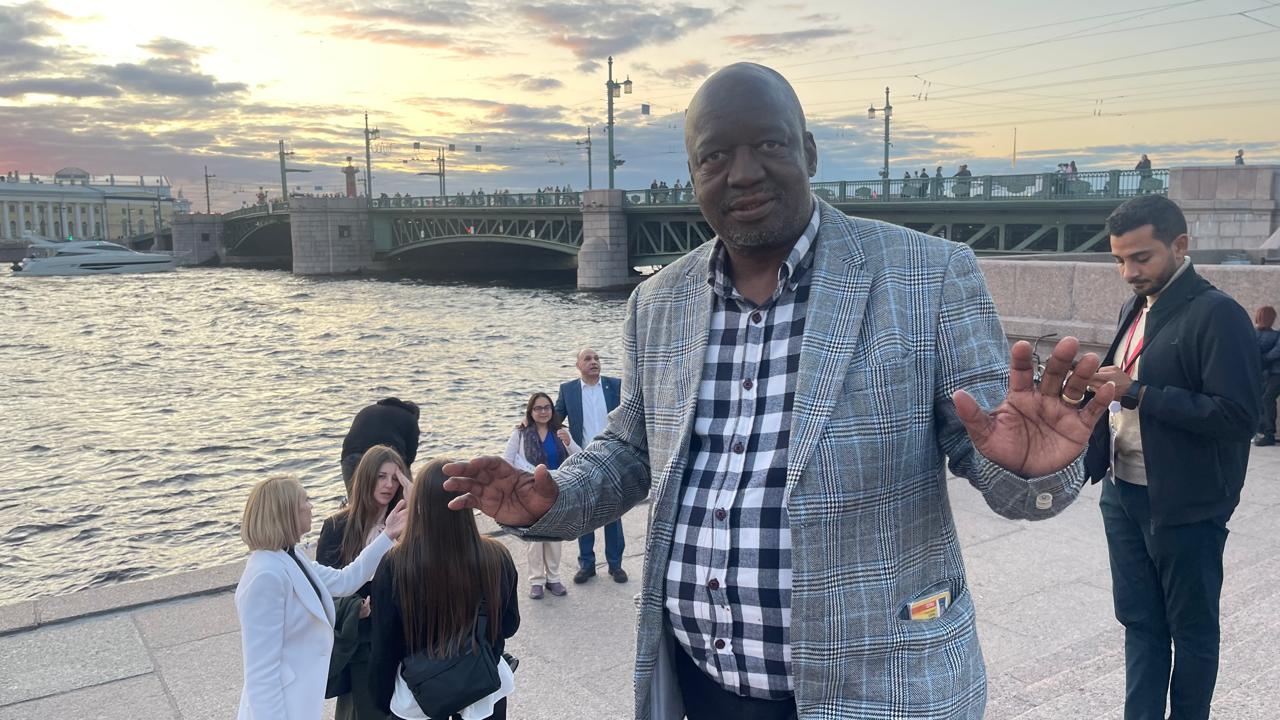
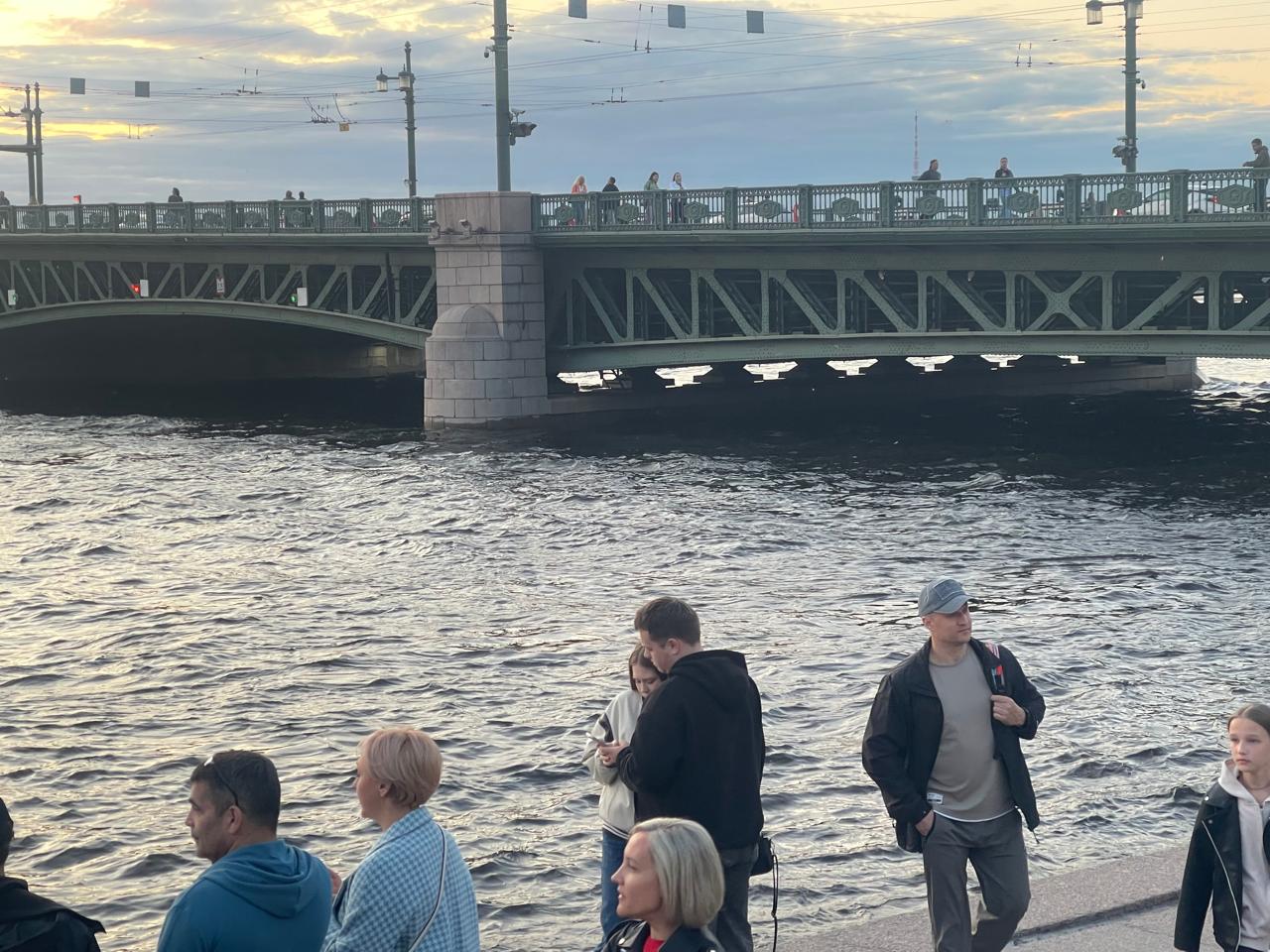
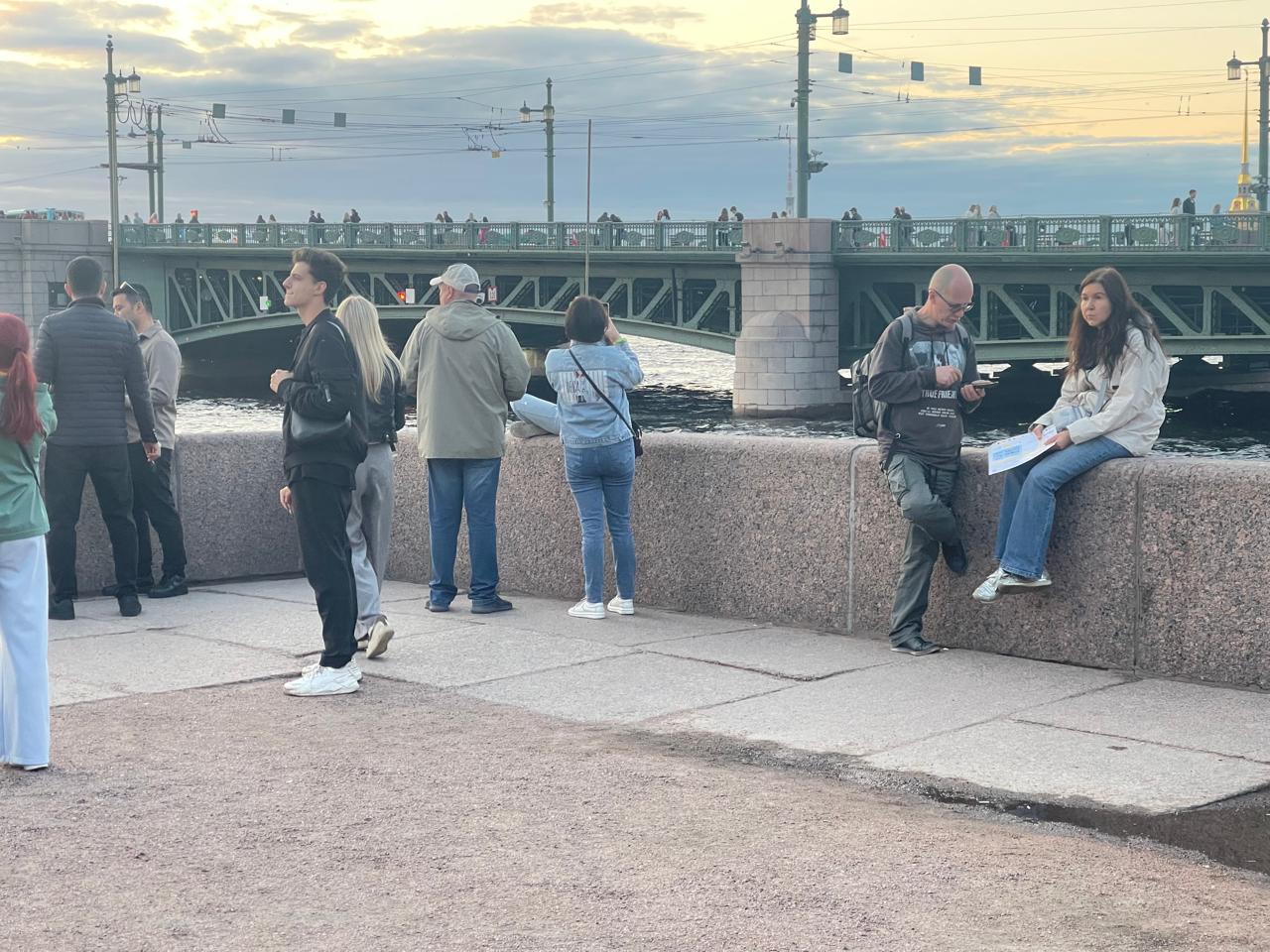
And then, there’s the English Embankment! It runs along the Neva River, which I found to be too large to be described as a river. Instead, it looks more like a lake. Several canals spring from various spots to pour their waters into the Neva River, which itself runs for a total of 392 km to the neighbouring Finland, recently a new NATO member.
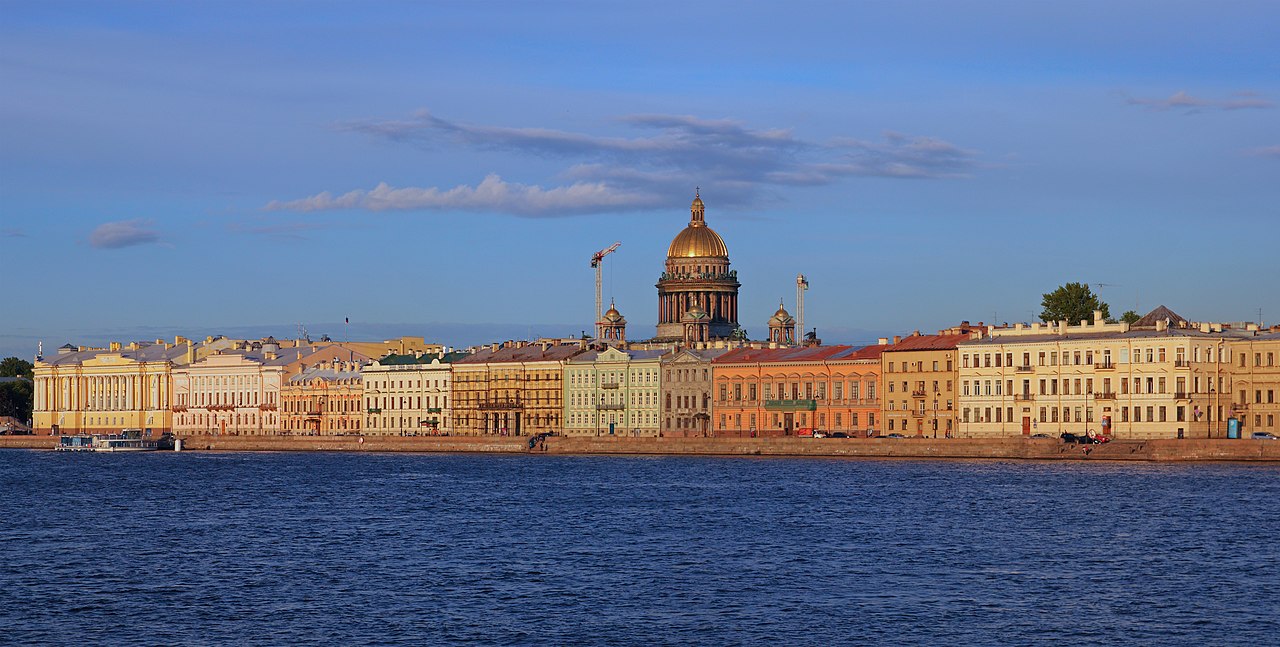
Along the English Embankment, tourists have visible fun. Ice creams, cold drinks, lovers and friends alike all mingle harmoniously to share in the enjoyment of St P. The boats, still at touching distance, continue to move in one direction, in parallel form or side-by-side still.
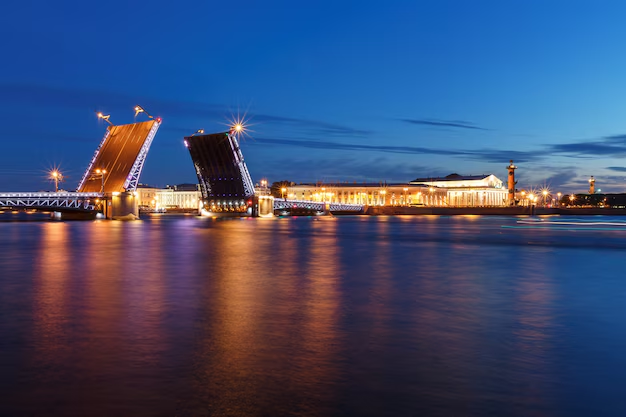
On the horizon, the green-painted Palace Bridge serves to assist vehicles and pedestrians to cross from either side to the other. The bridge is famous for the magic it performs every day at midnight. The heavy steel structure that makes up the Palace Bridge separate in the middle. Slowly, one half moves to the left and other half to the right. It is an incredible show to watch. It is hard to not scream in awe of the magic. The practice is a carry-over from an old tradition when the tallest ships had to be accommodated to pass through the bridge. Although they no longer exist, St Petersburg has retained the practice, which is a hugely popular attraction for locals and visitors alike.

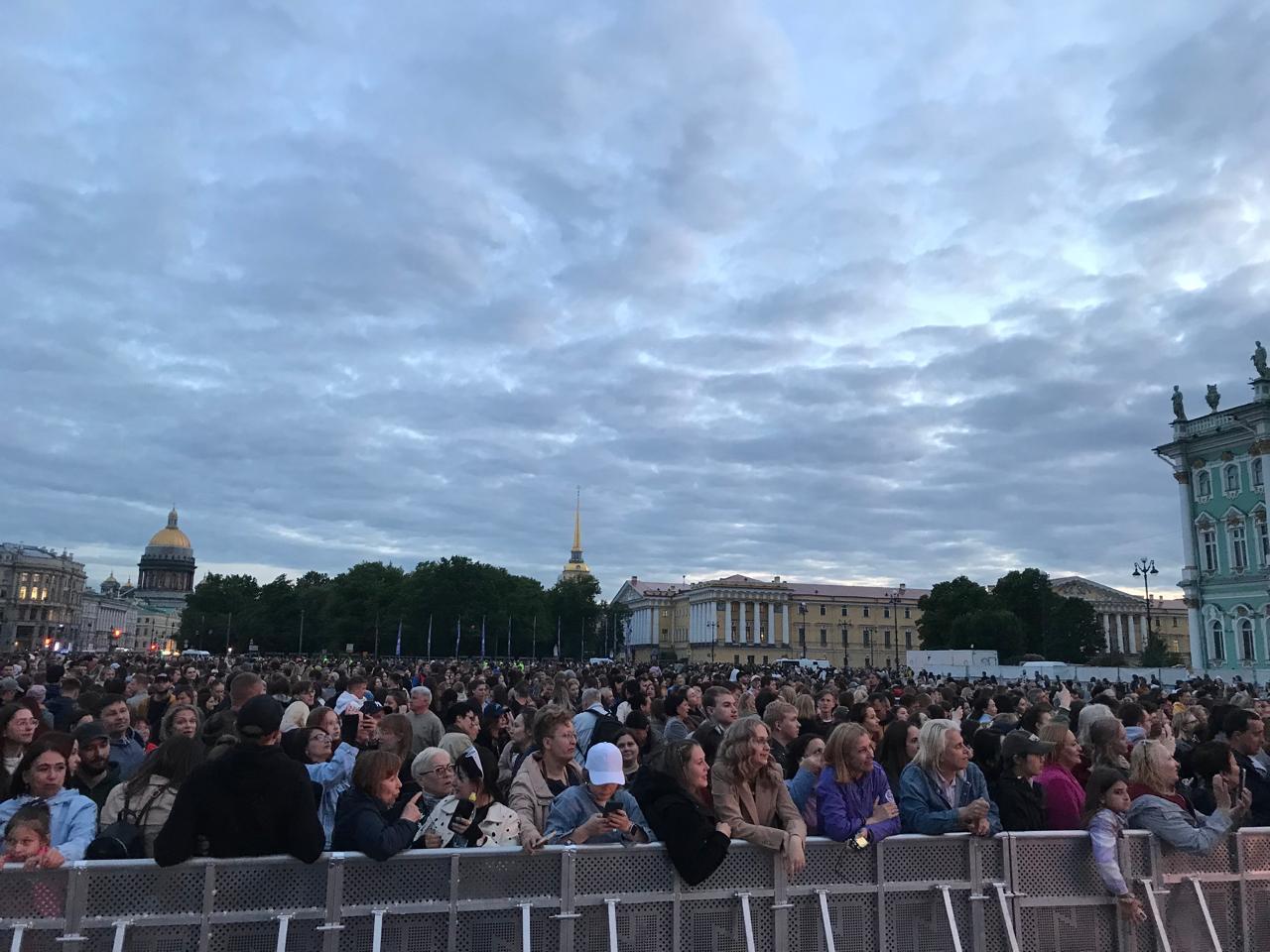
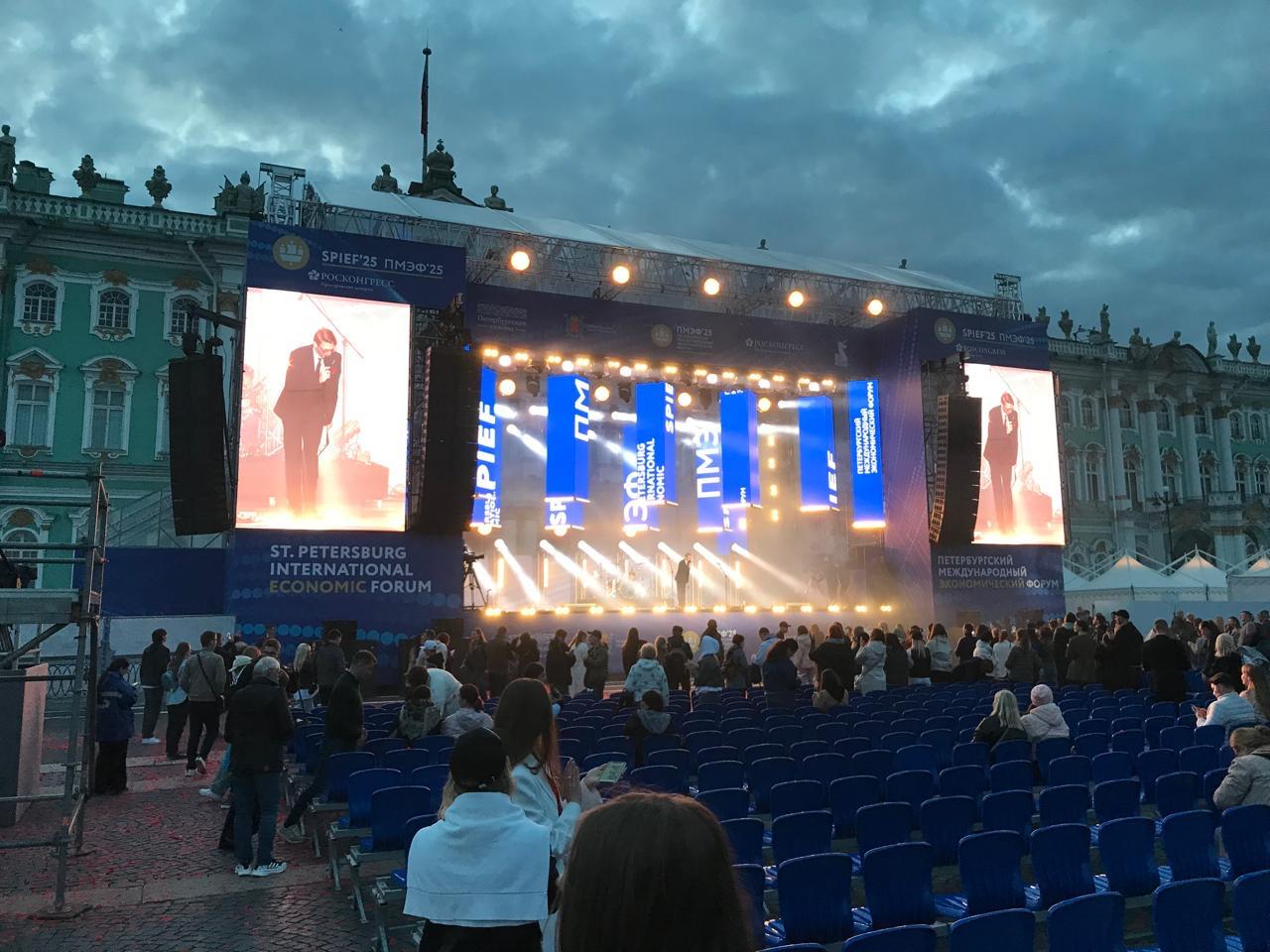
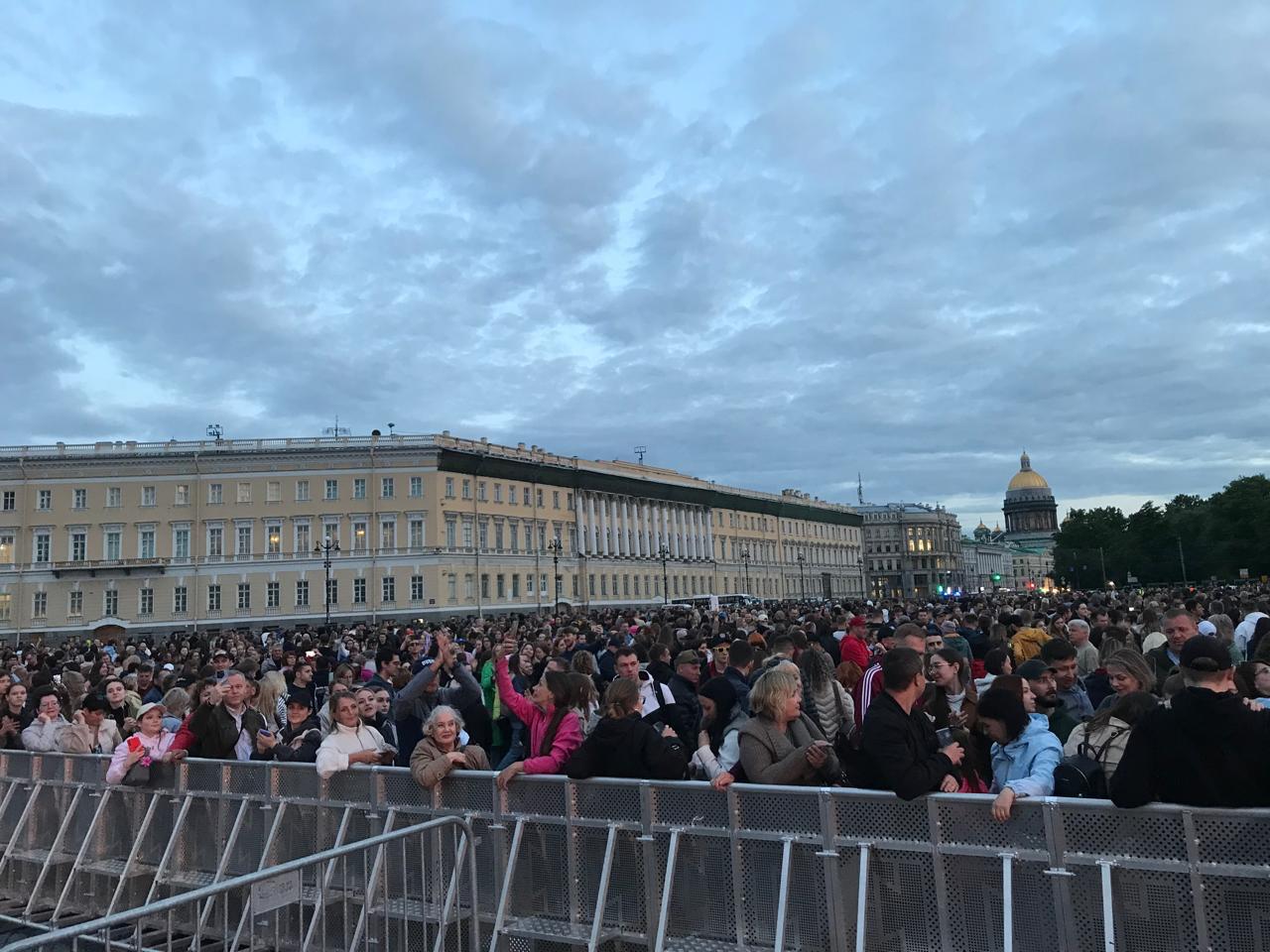
And then, on there was a music concert taking place for the 20,000-plus delegates to SPIEF. It took place at the Palace Square, in front of Hermitage Museum. The singing, dance and camaraderie once again triggered in me the lingering question: Is Russia at war?
Life looked ever so normal. Public transport, including a bus I took to the city centre, was filled with passengers who seemed oblivious to the raging conflict. St Petersburg is a microcosm of the ensuing Russian contradictions: A visible, nay, tangible semblance of normality on the one hand and heavy bombardment far away at the borders with Ukraine.

![AI image of exploitation in the workforce [Image: Linkedin]](https://gsmn.co.za/wp-content/uploads/2026/07/image-64.png)




![SAUDI ARABIA'S SIGNING "ABRAHAMS ACCORDS" SPELLS DOOM FOR PALESTINIANS [Image: ET]](https://gsmn.co.za/wp-content/uploads/2026/07/abraham-accords.avif)