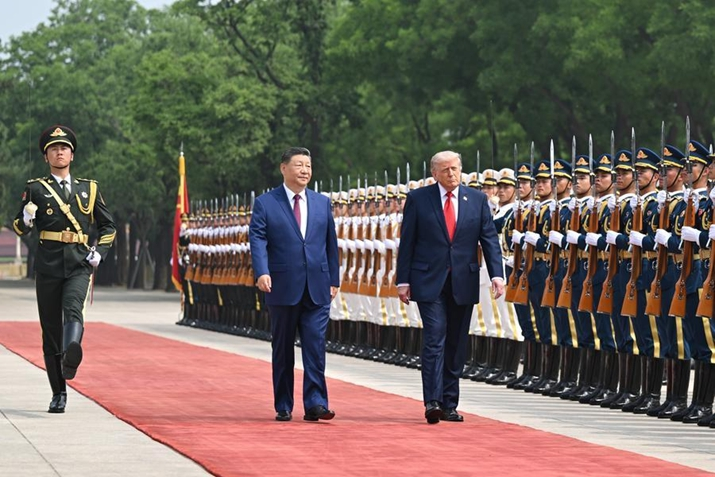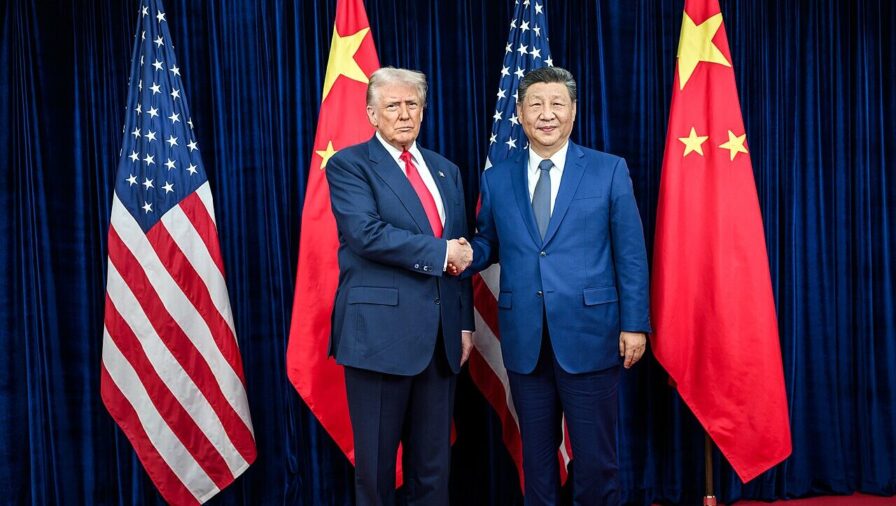
When the President of the United States sits across from the President of China, the meeting is never merely diplomatic theatre. It is the movement of history itself. The visit between President Donald Trump and President Xi Jinping, represents far more than trade negotiations, tariffs, or ceremonial handshakes. It symbolizes a fragile but necessary recognition that the world’s two greatest powers are bound together by destiny, whether through cooperation or conflict.
The United States and China stand today as the twin pillars of the global system. One represents the established power that shaped the post-1945 international order; the other represents the rising power determined to redefine that order according to new realities. Between them lies competition over economics, technology, military influence, ideology, and strategic dominance. Yet despite their differences, neither nation can escape the other. Their economies are intertwined, their markets interconnected, and their decisions capable of shaking the foundations of the entire world.
The visit from the 13th to the 15th of May 2026 therefore carries profound geopolitical significance because it signals an attempt—not to end rivalry—but to manage it before it becomes destructive.
For the United States, the visit reflects an understanding that confrontation with China has limits. Washington may seek to contain Chinese influence through tariffs, technological restrictions, and strategic alliances across the globe, but it also recognizes that complete economic separation is impossible without severe global consequences. America still depends on Chinese manufacturing networks, critical minerals, and trade flows that sustain global capitalism itself.
Trump’s diplomacy thus reveals a pragmatic realization: the future will not be built on isolation, but on controlled competition.
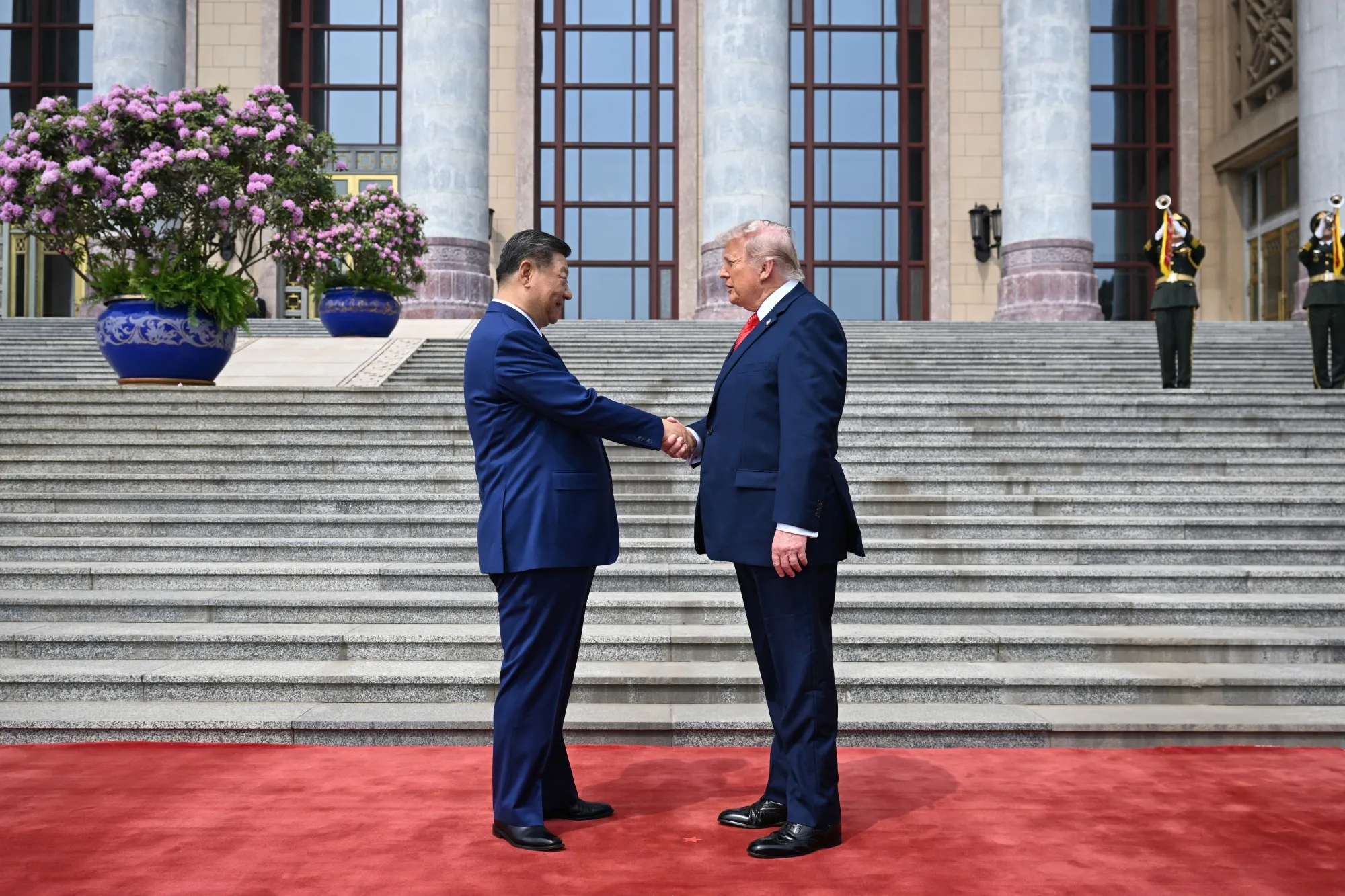
At the same time, the visit demonstrates Trump’s preference for transactional diplomacy. Unlike previous American administrations that often-emphasized democracy, human rights, and liberal values in their engagements with Beijing, Trump’s approach appears grounded primarily in economic advantage and geopolitical leverage. For him, diplomacy becomes a negotiation between interests rather than ideals.
This marks a broader transformation in American foreign policy—one where realism increasingly overshadows ideology.
For China, the visit serves as a powerful symbol of legitimacy and recognition. Beijing seeks to project itself not as a subordinate player in a Western-led order, but as an equal architect of the international system. Hosting the American president on Chinese soil reinforces the image of China as an indispensable global power whose cooperation is essential for world stability. In Chinese strategic thinking, symbolism matters deeply; diplomatic spectacle becomes a statement of status, prestige, and influence.
Moreover, China benefits strategically from easing tensions with Washington. Its economy faces internal pressures ranging from slowing growth to demographic decline and instability in the property sector. A stabilized relationship with the United States grants Beijing valuable time to strengthen its technological industries, expand its global trade networks, and continue its long-term geopolitical ambitions. China understands that premature confrontation with America could threaten its developmental trajectory.
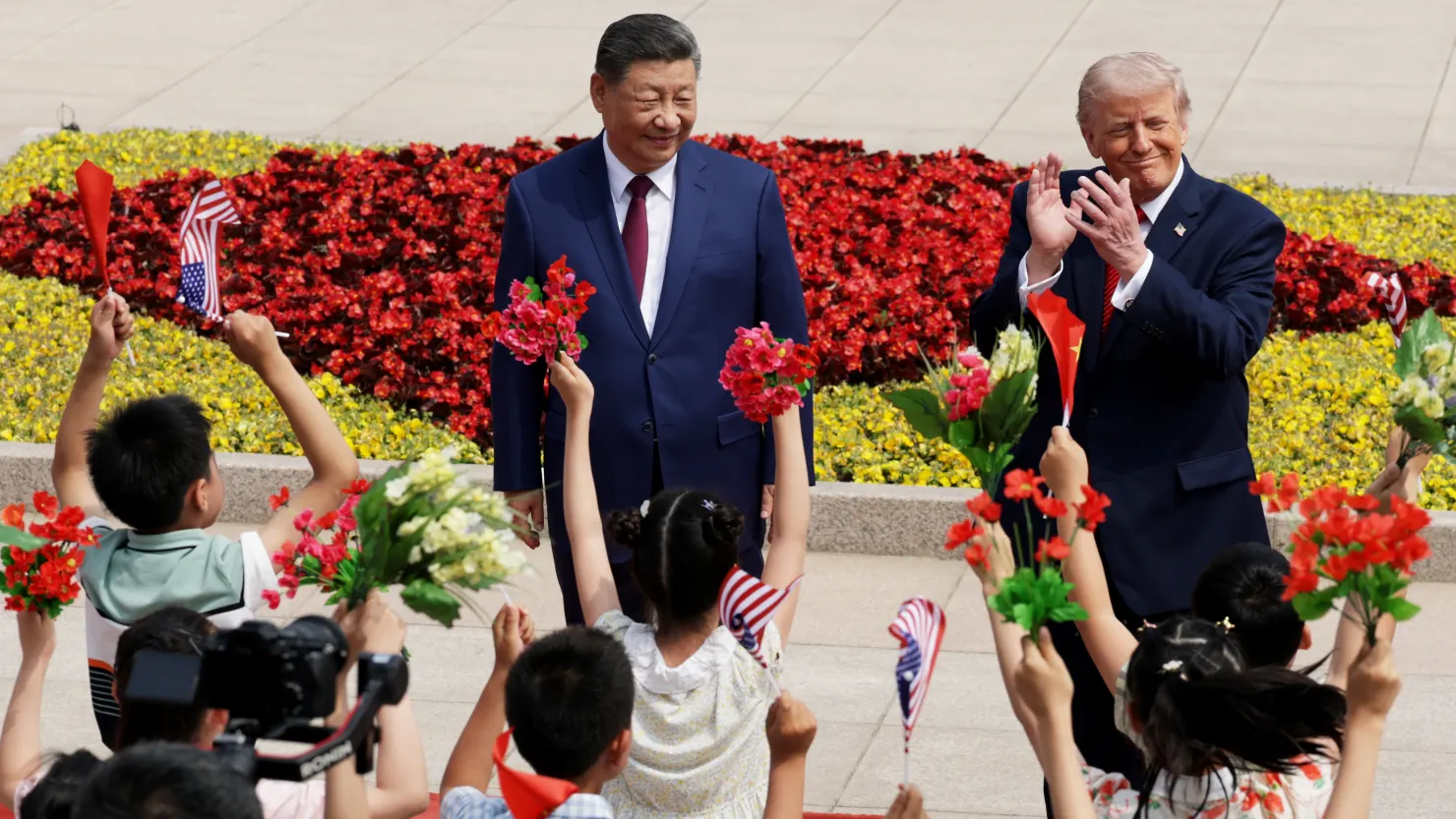
Alex Wong | Getty Images News | Getty Images
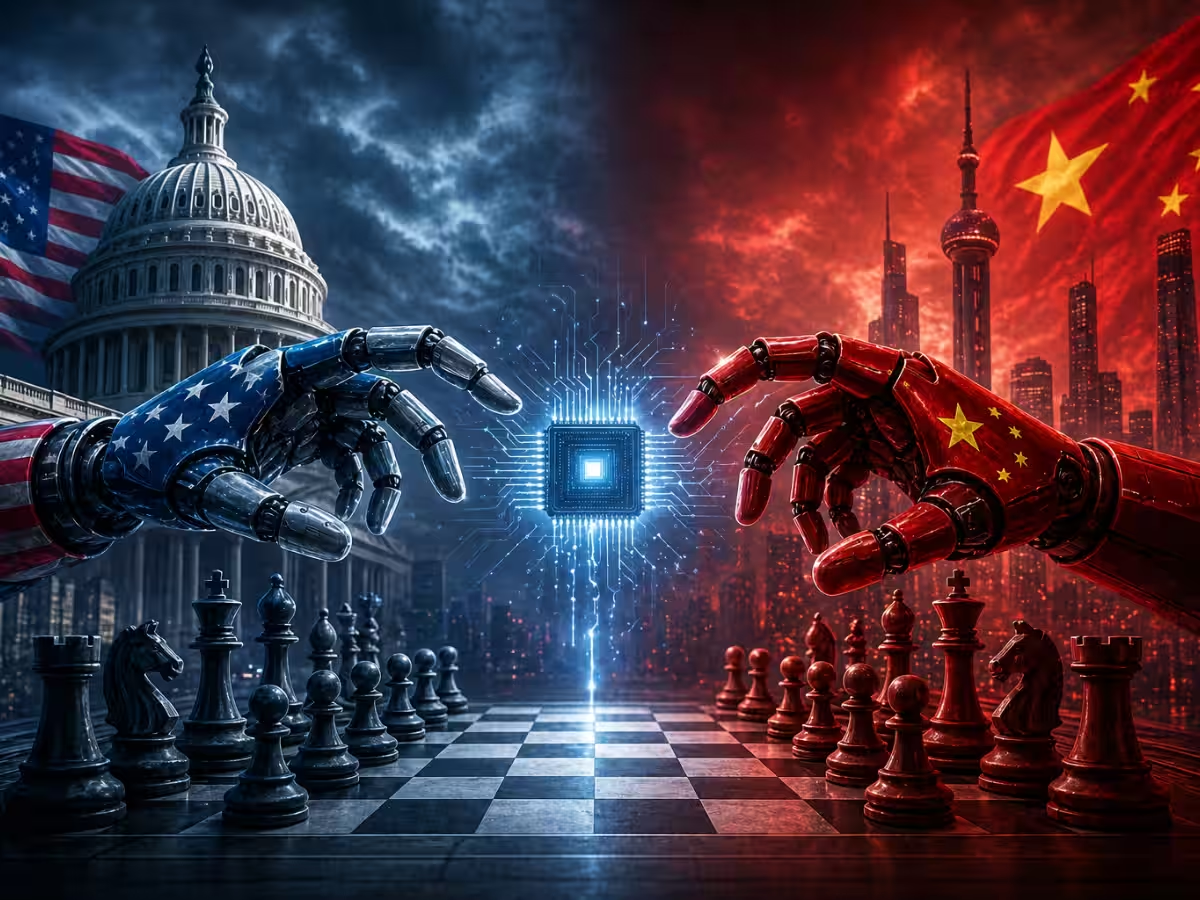
Yet beneath the diplomacy lies the central issue that shadows every US-China interaction: the struggle for global leadership in the 21st century. This is no longer simply a contest of armies or territories. The new battlefield is technological supremacy. Artificial intelligence, semiconductors, cyber power, quantum computing, and control over strategic resources will determine which nation shapes the future world economy.
Trump’s visit underscores that both countries are racing not only for influence, but for control over the architecture of tomorrow’s civilization.
For the wider world, the implications are immense. Smaller states across Africa, Latin America, the Middle East, and Southeast Asia are watching closely because their own stability depends on the relationship between Washington and Beijing. Many countries do not wish to choose sides in a divided world. They seek economic cooperation with China while maintaining security and financial ties with the West. If the US-China rivalry intensifies uncontrollably, the global system risks fragmentation into competing blocs reminiscent of a new Cold War.
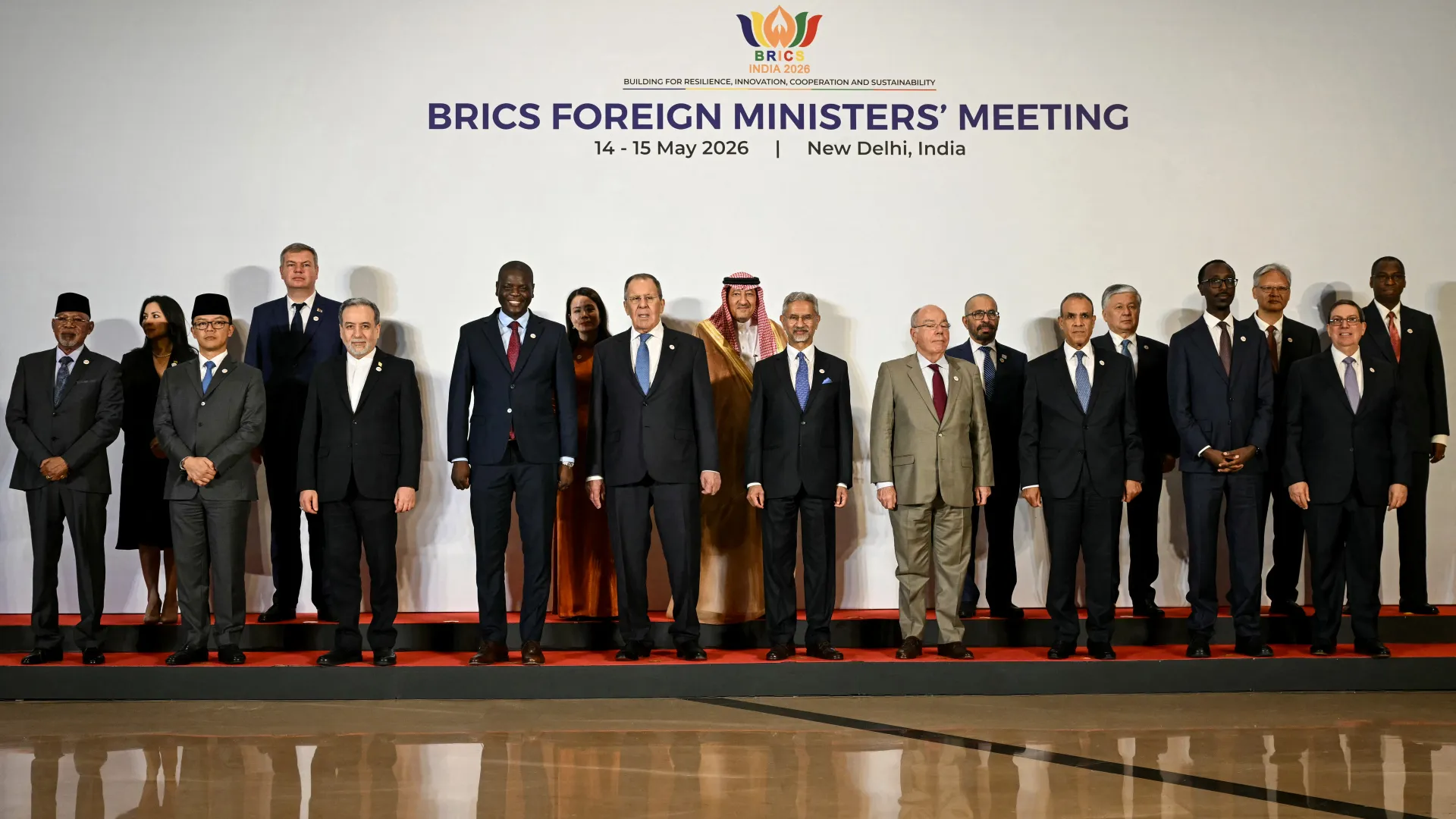
Countries like South Africa occupy a particularly delicate position. South Africa benefits from Chinese trade and investment through frameworks like BRICS while simultaneously engaging Western economies and institutions. A stable relationship between the United States and China therefore creates diplomatic space for middle powers to pursue balanced foreign policies without being forced into binary alignments.
Ultimately, the most important lesson from Trump’s visit is that modern geopolitics is defined by paradox. The United States and China distrust one another deeply, yet neither can afford direct confrontation. They compete fiercely, yet remain economically inseparable. They prepare for strategic rivalry while simultaneously negotiating cooperation.
This paradox may define the entire century.
Trump’s visit does not signal peace in the traditional sense, nor does it end the strategic contest between the two nations. Rather, it reveals a sobering reality: the future of global order depends on whether these powers can manage competition without descending into chaos. The stakes extend far beyond Washington and Beijing. They encompass the stability of markets, the future of technology, the security of nations, and the possibility of global peace itself.
In this sense, the visit is not merely about America and China. It is about humanity standing at a crossroads between coexistence and confrontation, between managed rivalry and catastrophic conflict.