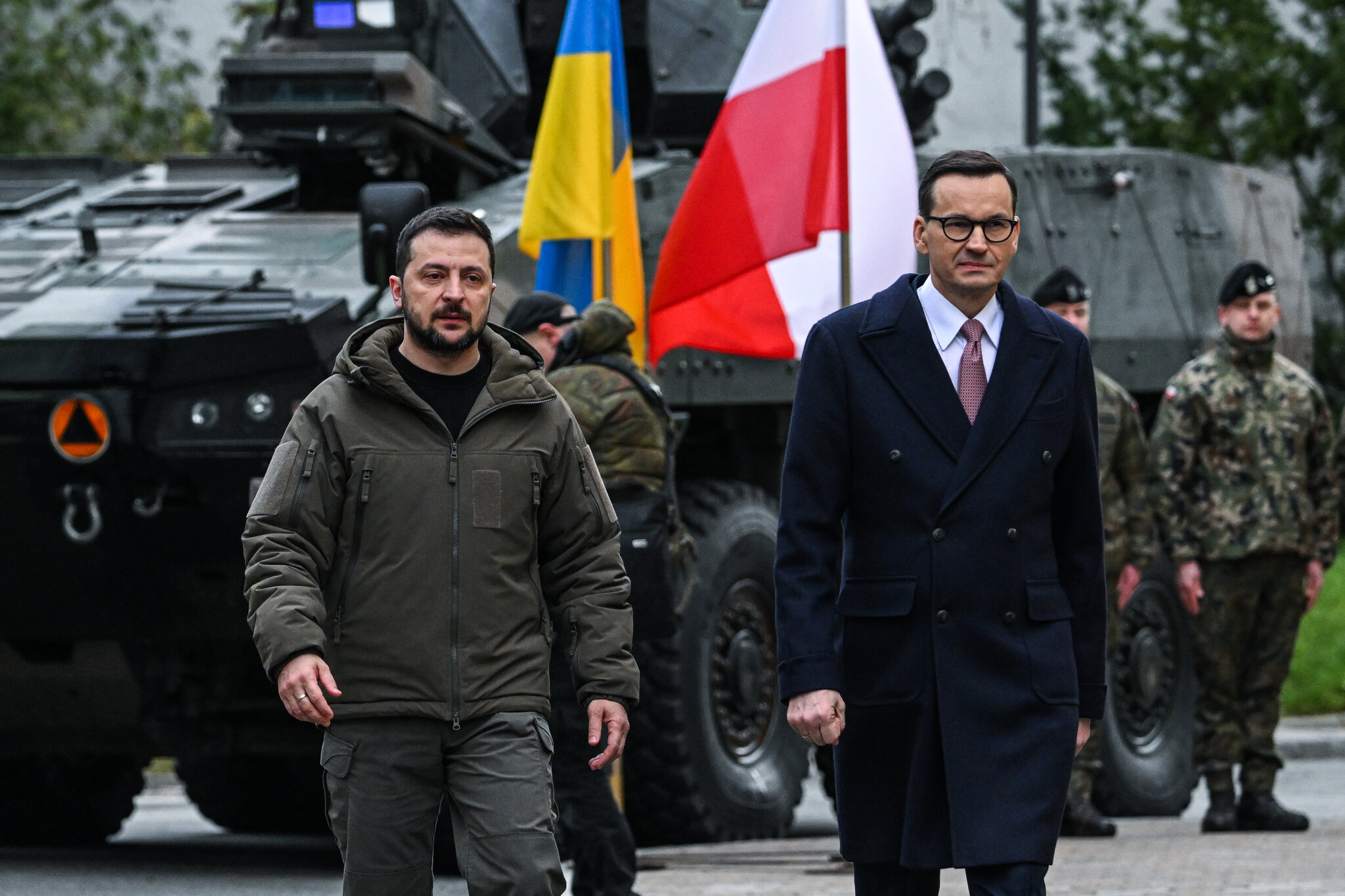
This week, SA’s Minister of International Relations and Cooperation (DIRCO), Ronald Lamola, hosted his Polish counterpart, Radoslaw Sikorski in Pretoria to give effect to their joint desire for closer ties as per their Davos, Switzerland visit, undertaking during the World Economic Forum.
The bilateral meeting at the OR Tambo Building – DIRCO’s HQ in SA’s capital Pretoria – received requisite media attention. As expected, diplomatic decorum reigned supreme, with the two top diplomats undertaking improved cooperation between their two nations.
Watching Sikorski enjoy very positive media coverage far away from his homeland, I wondered how many South Africans knew about the mammoth diplomatic fallout back home with neighbouring Ukraine that the Polish foreign Minister was no doubt seized with.
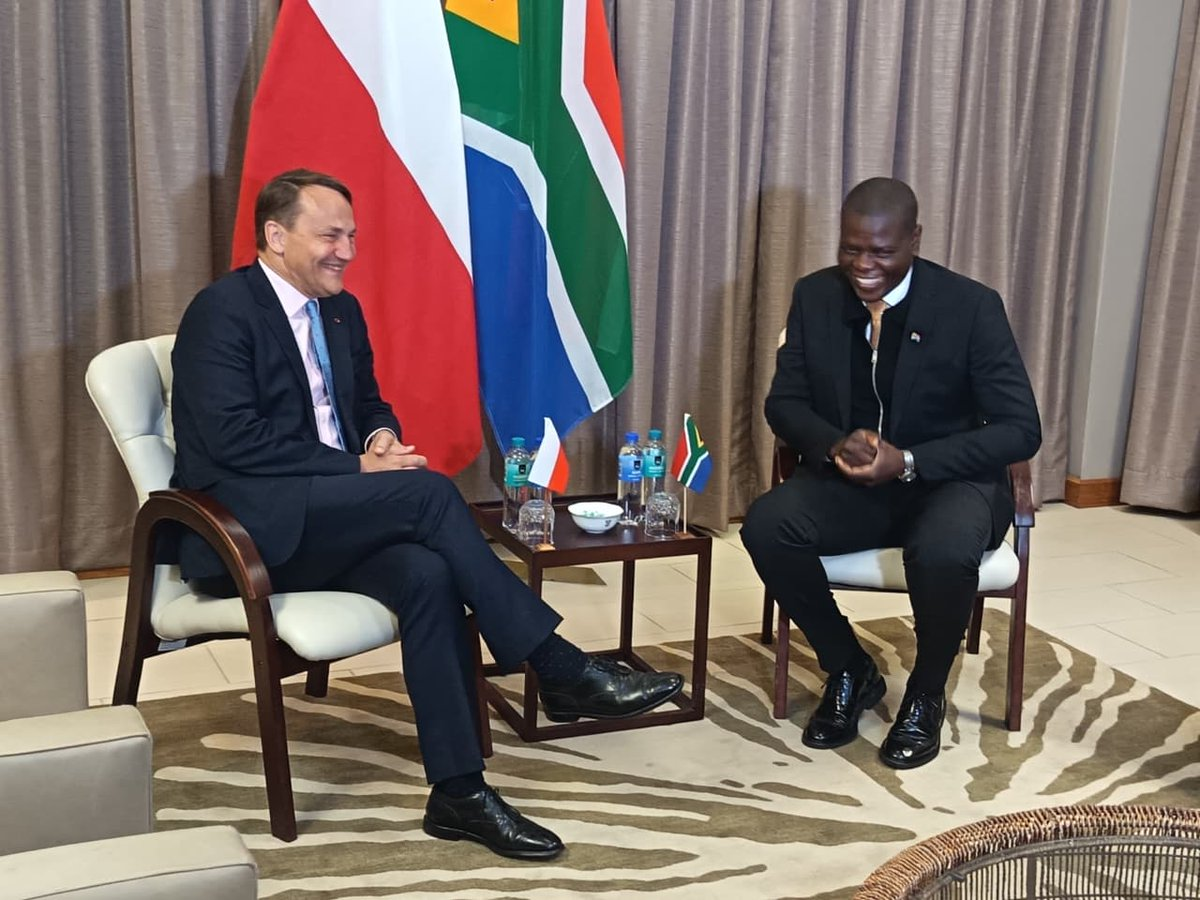
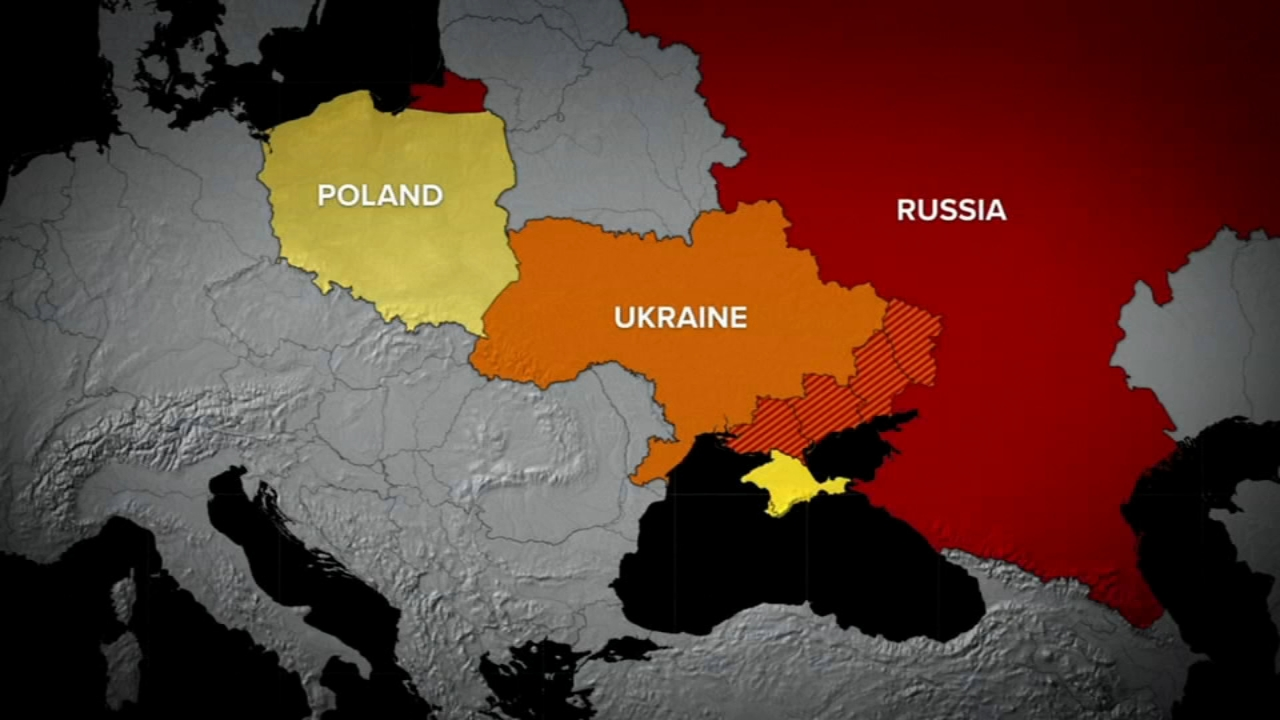
Poland has been arguably Ukraine’s biggest ally in the war with Russia, using the NATO-affiliate as weapons and military conduit for constant calibration of the Ukrainian armed forces.
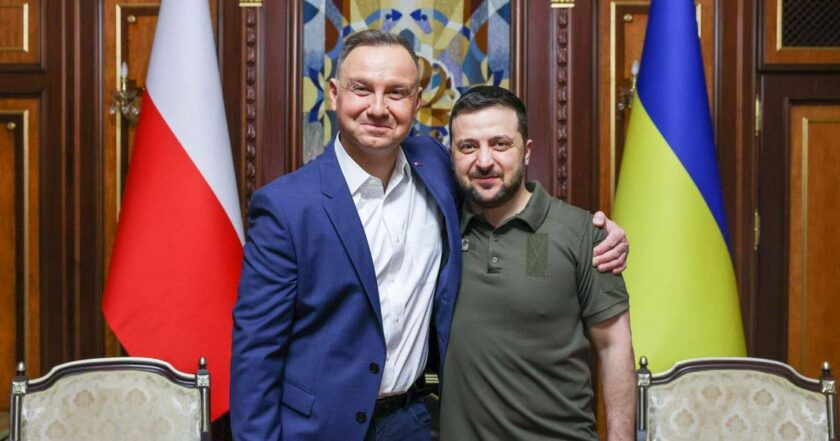
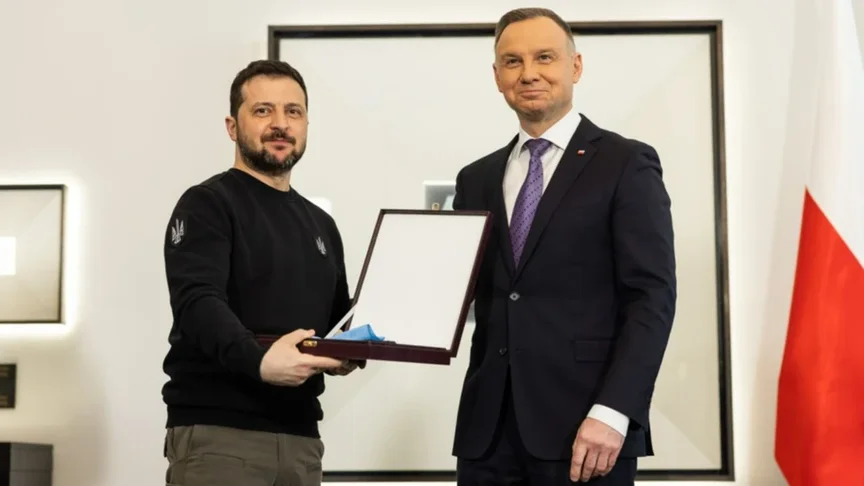
Since the war broke out in 2022, Poland has stood shoulder-to-shoulder with Ukraine in a hitherto unbreakable solidarity. Apart from Poland’s international diplomatic campaign to shore up support for Kiev through Brussels and any other available global avenue, Warsaw in 2023 awarded the highest state honour – the Order of the White Eagle – to Ukrainian President Volodymyr Zelensky.
The message then was crystal clear: Poland stands with Ukraine, the beleaguered neighbor. But now, bilateral ties between Poland and Ukraine are teetering on the brink of total collapse.
At issue is shared history between the two nations, and the drastic difference in how they separately interpret that history from WWII from 1939-1945.
The fallout started in late May when Zelensky issued a controversial decree that has left neighboring Poland seething with unrestrained anger. Zelensky’s decree awarded a serving military unit an honorary title known as “Heroes of the UPA”. The title refers to the Ukrainian Insurgent Army, better-known as UPA, which was the military wing of the Organization of Ukrainian Nationalists (OUN).
This is a vexatious issue, the crux of the matter that now threatens not only bilateral relations between two next-door neighbours, but the entire NATO cooperation in its proxy-war against Russia.
During WWII, OUN collaborated with Hitler’s Nazi Germany’s daring invasion of the Soviet Union. Throughout the war period, OUN and its members in the Nazi auxiliary police played a high profile role in the well-documented genocide of Soviet Jews, including the Babi Yar massacre in 1941 in the Ukrainian capital, Kiev.
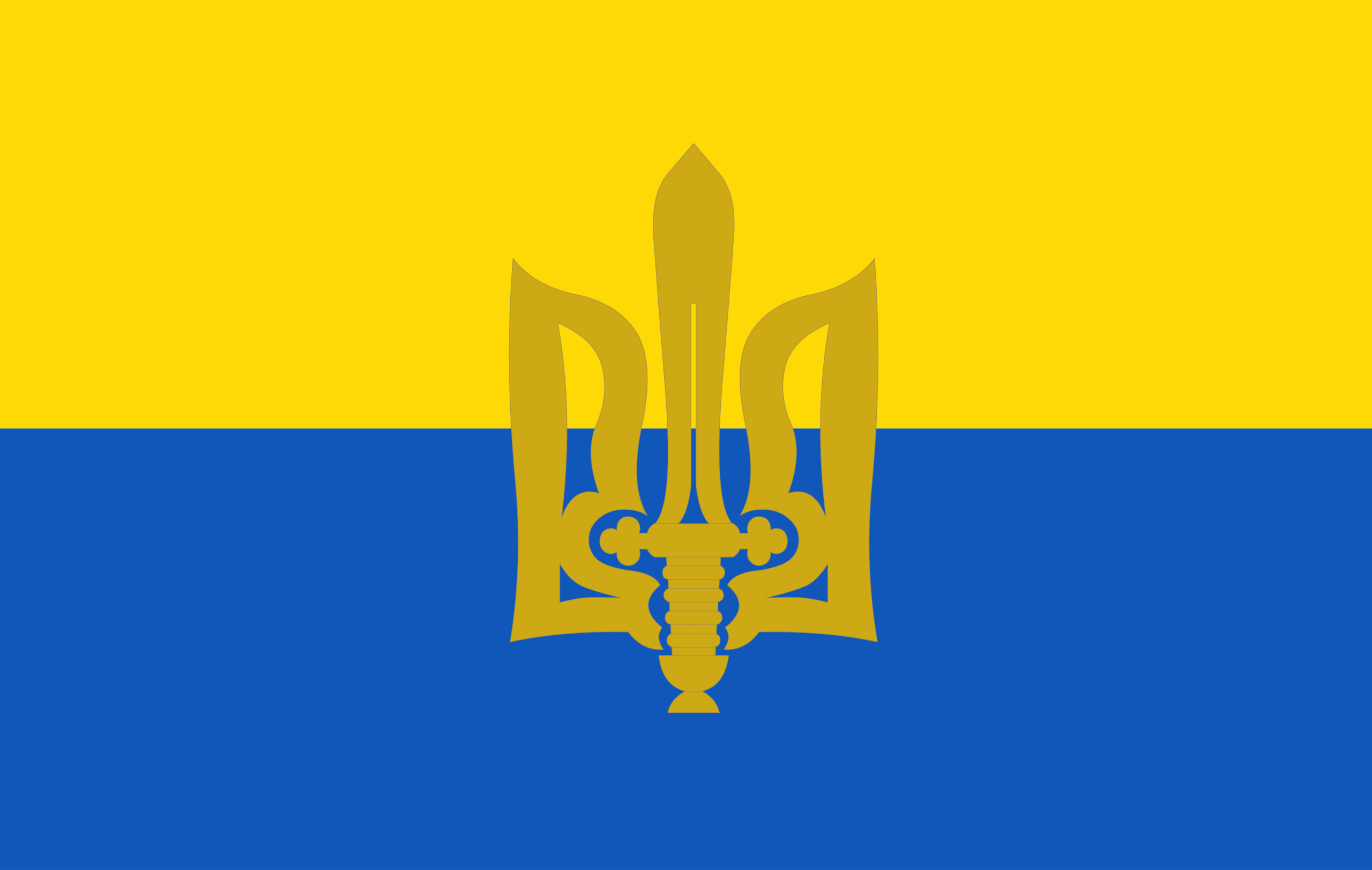
Most of the police and many other men in the security cluster went on to form UPA, and recruited more to join. Throughout Ukraine, they hunted down pro-Soviet partisans. They infamously carried out another massacre, this time of Polish people in Volhynia in today’s Western Ukraine.
The decision by Zelensky, therefore, to invoke the name UPA to honour a present-day military unit in the war – regardless of whether the conflict is with Poland’s enemy Russia, has left a bitter taste among many Poles.
On June 19, the exasperated government of Poland ensured that Zelensky paid the price for his decision. Polish President Karol Nawrocki stripped Zelensky of the highest honour awarded in 2023. This was as public repudiation as humiliation for Zelenksy.
“Facts are not subject to negotiation,” Nawrocki was quoted as saying. “100 000 Polish citizens were murdered by the UPA,” he added.
The fallout was now in full swing. Zelensky flew back the Order of the White Eagle, pardon the pun, to Warsaw. His reaction triggered a flurry of retaliatory activities inside Ukraine.
Kyrylo Budanov, head of Presidential office and Ukraine’s head of military intelligence, renounced his own Polish honour – Golden Officer’s Cross of the Order of Merit. Budanov angrily charged that in Poland, “the flywheel of hatred is unreasonably and artificially spun against our citizens”.
The fallout took a further nosedive when three former Presidents of Ukraine – Leonid Kuchma, Viktor Yushchenko and Petro Poroshenko – all returned to Poland their Order of the White Eagle awards. They did this in a show unity, and in solidarity with their successor.
The display of solidarity among Ukraine’s political elites appears strong. The country’s foreign ministry has denounced Poland’s move, describing it as a “strategic mistake from which only Moscow benefits”.
Last week, Zelensky skipped the annual “Ukraine’s Recovery Conference” held in Gdansk, Poland. He instead sent his Prime Minister, Yulia Svyrydenko in his place.
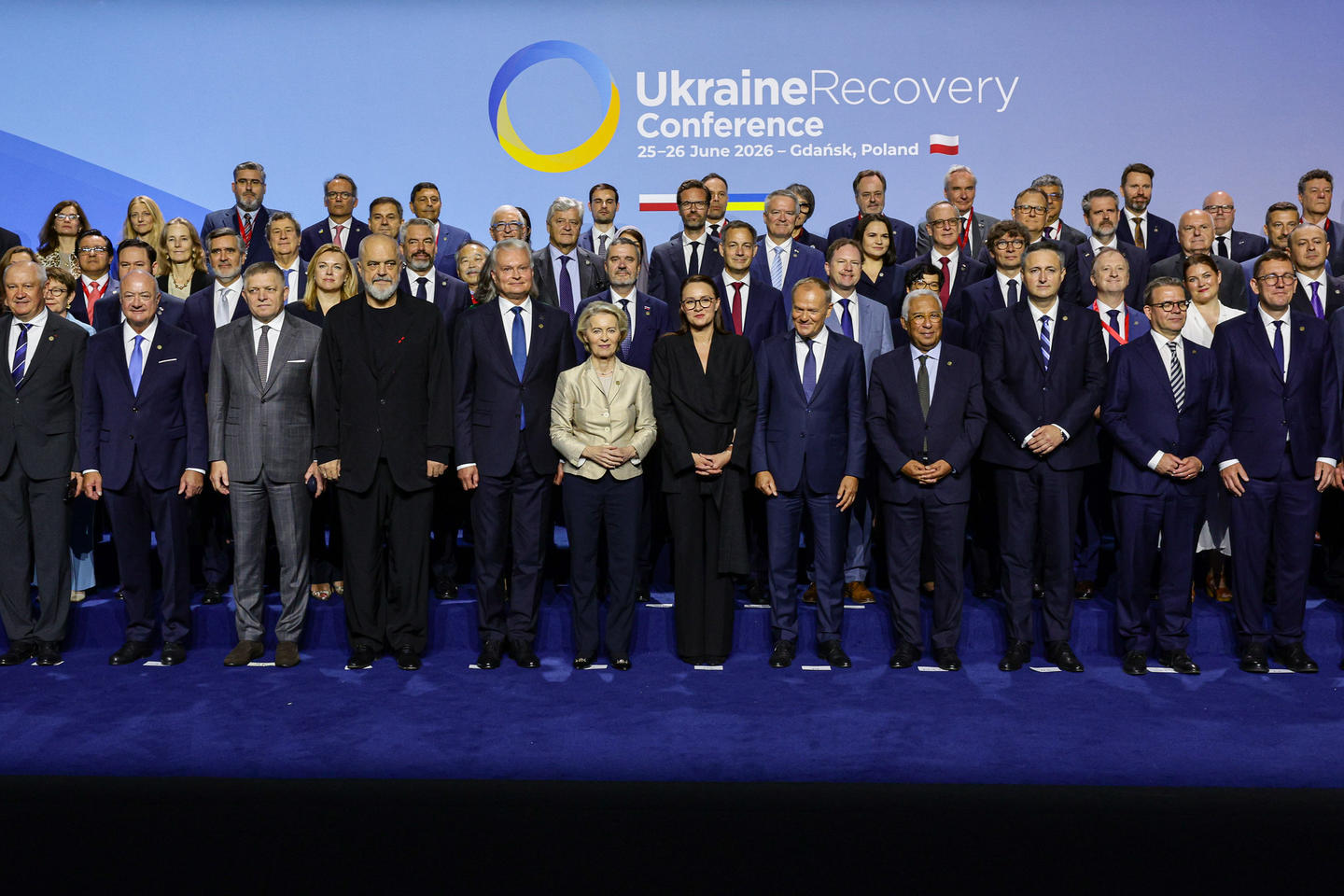
The annual conference is important in that it seeks to mobilize international support for Ukraine’s reconstruction post-war. It is one of the practical examples of the shaky solidarity and cooperation between the two countries, and has thus far left neither side blinking first.
If the fallout degenerates into full blown antagonism, Poland will likely rethink acting as NATO’s conduit to the military and economic supply line for “ungrateful” Ukraine. Already, the simmering tension is a huge problem in that it has taken the focus away from the collective onslaught on Russia.
But it also exposes Zelensky’s character, and additionally, that of his inner circle, including the three former presidents. It shows that even in the midst of war, Ukraine does not tread carefully so as not to alienate allies. In other words, Poland sees Ukraine as biting the hand that feeds Ukraine.
Disappointed Polish Presidency says before stripping Zelensky off his honours, they had attempted to persuade him to rescind his provocative decree, but he flatly refused.
This is one of several areas of discontentment in the NATO quarters. The collective disdain for Russia is not glue adhesive enough to keep the Western bloc together amid the conflict.
If anyone had thought the war with Russia bore a galvanizing effect for the West, better think again. Beneath the surface that is Ukraine, the earth is shaking with ferocity.