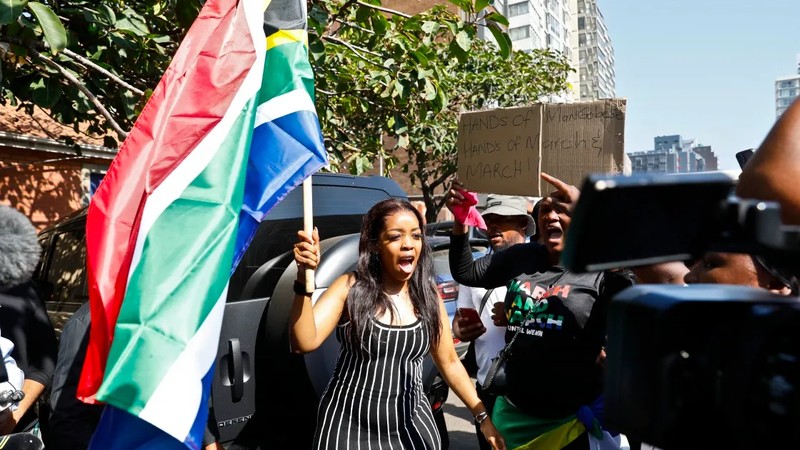
South Africa’s public life is, in a small way, being reshaped right now by two beautiful, articulate, and attractive political activist women in their prime. They do not agree on method, but both believe in their heads that they are fighting for the same country. The question is whether their differences can become complementarity.
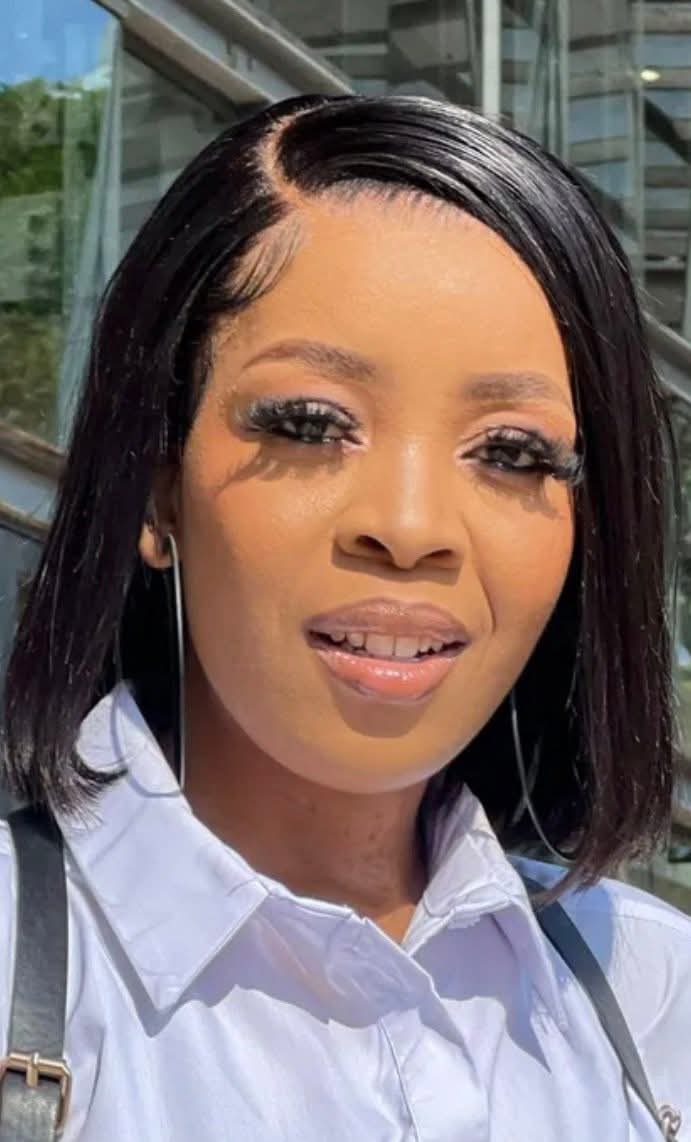
The Practical Visionary: Jacinta Ngobese Zuma
She is on the ground, not in boardrooms, except when invited to explain her actions. Her focus is the poor and the unemployed who say they feel the squeeze most where housing, jobs, and services are already stretched. She has taken the state head on, demanding better border management, enforcement of labour law, and faster delivery of basic services.
Her message is action-oriented: “Stand up, organize, and solve your problems. Don’t wait.” She has galvanized community meetings, helps people hold the municipal and provincial leadership to account, and pushes for the nationalization of the struggle to determine the future of the country.
She is the face of accountability to officials, right up to the President. For her supporters, she is credible because she is present. She speaks their language. She turns frustration into petitions, marches, and policy proposals. She argues that without order, capacity, and enforcement, promises remain paper.
It is time that this government put the interests of South African people first.
The Reactionary Intellectual Dreamer: Phapano Phasha
Phapano Phasha is a former memember of the ANC who resigned in 2023. She was disgruntled with the ANC and left to be a Public Figure and political analyst. Her strength is analysis, policy language, and defending the broader project of a constitutional democracy.
She warns against oversimplifying complex national problems and is quick to point out what she sees as contradictions in blaming non-citizen foreigners, especially Africans, for issues that also stem from corruption, slow implementation, and structural unemployment.
Her message is institutional: “Fix the state, build systems, protect rights of all people in this ountry.” She has access to experts, can draft frameworks, and argues that durable change comes through law, budgets, and intergovernmental coordination.
Above all, for it is self-reliance where every individuals takes self-responsibility. For supporters of the governing party, she is necessary because she holds the line against the avalanche of political assault that has seen the governing party collapse from inside.
She strongly promotes the view that without the ANC the African majority are doomed. They have no centre that holds them together.
For her the death of the ANC could undermine democracy. and the transformation agenda.
Can They Work Together?
One pushes from outside with urgency. The other works from inside with …er procedure that stalls delivery. One says, “Act now.” The other says, “Be patient and build it right.”
A country as beloved and bruised as South Africa needs both. The visionary can bring pressure, stories, and public energy that force action. The intellectual can translate that pressure into policy that lasts and that does not violate the Constitution.
The former is advanced close enoughy to throw punches into the head of the State, leaving it reeling and dizzy with its back against the wall. The latter has somewhat gotten defensive and apologetic hurling insults at the aggressive forces.
Women have always led the struggle for liberation. From Charlotte Maxeke to Lilian Ngoyo to Winnie Madikizela-Mandela.
If the two pretty women meet — not to perform debate for cameras, but to work — they could redefine the future: the visionary sets the non-negotiables for the poor and unemployed; the intellectual secures the legal, budgetary, and administrative path to deliver them.
Two women. Two styles. One country to build.