“If you want to destroy a people, you start with their identity — because in identity lives memory, and in memory lives power.”
Last week, as our nation celebrated our prolific National Women’s Day, the world commemorated a too-often side-lined event: International Day of the World’s Indigenous People.
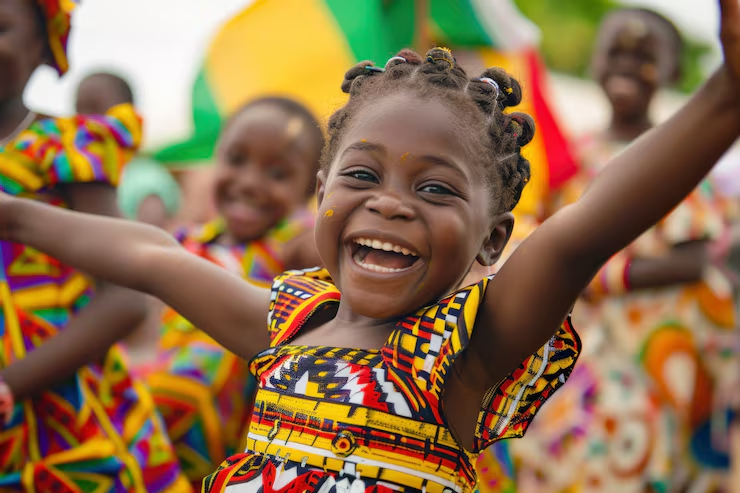
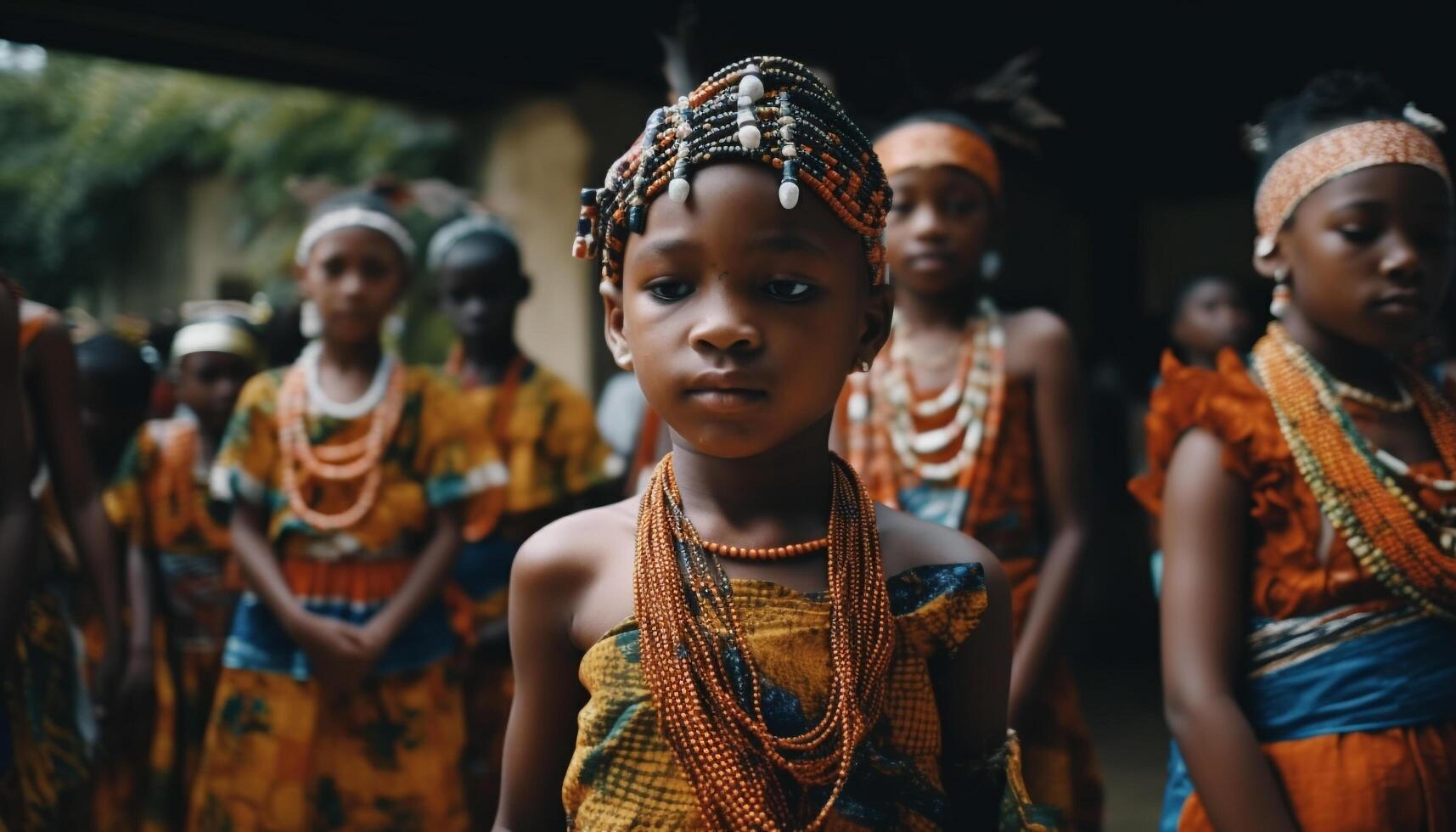
This is especially momentous in Africa, where indigenous people have been arduously contending with the erasure and oppression of their identities. From languages, to history, to traditions, to education, and far beyond, indigenous people have been – for decades – pushing back against western imperialist systems of oppression. This is exactly why this commemoration cannot be reduced to a celebration of traditional clothing, music and culture before returning to institutions that continue to marginalise the very people we claim to celebrate.
There is a contradiction in celebrating indigenous peoples while ignoring systems that have disconnected them from their identities. We cannot celebrate culture while allowing languages to disappear, indigenous knowledge to remain peripheral and generations of young people to lose connection with their histories.
For indigenous peoples, this has never simply been about cultural recognition. It is about the right to retain languages, preserve histories, pass knowledge between generations and have their systems of understanding recognised.
Colonialism understood this very well. It did not only seek to control land and resources, it sought to completely destroy the relationship between people and identity.
Oral histories were dismissed because they did not fit Western definitions of authoritative history. Indigenous knowledge was reduced to commonplace folklore. African languages were wholly pushed aside, while European knowledge was elevated as the universal standard.
South Africa knows this history intimately. More than 30 years after political liberation, institutions still carry the imprint of colonialism and apartheid. Political liberation did not automatically produce epistemic liberation; many structures that produced and transmitted Eurocentric knowledge have remained firmly intact.
The debate around decolonising education, from #RhodesMustFall to #FeesMustFall and broader curriculum reform, was never simply about statues, reading lists or fees. It was about who has the authority to define knowledge in a society that is supposedly our own.
The problem with our curriculum is not only what was left out. It is the lens through which everything has been framed: a European timeline, a Western starting point and a version of history that too often teaches Black learners to see themselves as an afterthought in their own country’s story.
Why is African knowledge still treated as something that must be added to the curriculum rather than something from which the curriculum itself can be built? Why are indigenous languages celebrated culturally, yet so rarely treated as languages of serious intellectual, scientific, technological and institutional life?
Language carries history, memory, worldview and identity. When a language weakens, we lose more than vocabulary; we lose our ways of understanding formulated over generations.
The same applies to indigenous knowledge. African communities developed sophisticated knowledge of agriculture, environmental management, medicine, architecture and social organisation long before colonialism declared itself the authority on civilisation. That knowledge does not become irrelevant because it is indigenous.
This is where reform matters. Indigenous knowledge holders, elders, storytellers, traditional practitioners, community historians, language custodians and ordinary South Africans must be recognised as contributors to knowledge — not merely sources for academics to extract from. Universities, schools, museums, research institutions and government must create space for indigenous knowledge to be taught, researched and developed in meaningful, applicable ways.
A child should not have to leave their own history at the classroom door in order to become educated. They should learn about the world while understanding the intellectual, cultural and political traditions that shaped their own society. African philosophies such as Ubuntu/Botho should not be decorative cultural concepts, but legitimate intellectual traditions.
Because education does more than transfer information. It teaches people how to understand themselves.
If a young person’s history is consistently positioned as secondary, their language as less useful and their knowledge as inferior, we should not be surprised when they begin associating progress with distance from their own identity.
Africa does not have to choose between tradition and modernity. We can build technologically advanced, globally competitive societies while remaining deeply rooted in our histories, languages and intellectual traditions.
This is not about inventing something new. It is about repair — restoring knowledge systems and cultural continuity that colonialism deliberately destroyed.
The goal cannot simply be preserving indigenous identity for future generations to look back on. A culture surviving only in museums or heritage celebrations is being preserved only as a relic, not allowed to evolve.
If we are serious about transformation, indigenous identity must become part of our education, institutions, languages, research and national development. Future generations deserve their histories, languages, knowledge and philosophies — and the confidence to know that being African is not an obstacle to modernity. It is the foundation from which we should decide what kind of modernity we want.
Our victory is not defined by our ability to remember who erased us, it is ensuring that they never succeed.