
The Russia–Ukraine war has profoundly disrupted global agricultural markets by destabilizing the Black Sea region, one of the world’s most important food export corridors. Prior to the conflict, Russia and Ukraine together accounted for roughly one-third of global wheat exports and played a central role in supplying grain and fertilizer to markets across Africa and the Middle East. While much analysis of the war’s economic consequences has focused on Europe and global commodity markets, its effects on African economies have received less sustained attention. This paper argues that the disruption of Black Sea maritime trade has positioned Africa as a geopolitical “shock absorber” for global food supply disruptions. Rising wheat prices, fertilizer shortages, and increased shipping costs have placed significant pressure on African economies, where food expenditures account for a large share of household income. At the same time, the crisis has reshaped diplomatic relationships and intensified geopolitical competition for influence across the continent. Understanding the African dimension of the Black Sea conflict highlights the far-reaching consequences of maritime warfare in an interconnected global food system.
When the World’s Breadbasket Goes Silent
Wars are rarely confined to the battlefield. Sometimes their most profound consequences emerge far from the front lines. In markets, ports, and households thousands of kilometres away.
When fighting erupted between Russia and Ukraine in 2022, global attention focused largely on the military balance in Eastern Europe and the strategic implications for NATO and Russia. Yet another, quieter crisis was unfolding across the world’s food markets. Grain exports from the Black Sea region, one of the most important agricultural supply corridors on the planet were suddenly thrown into uncertainty. For many countries, the consequences appeared primarily economic: rising wheat prices, market volatility, and concerns about inflation. For Africa, however, the stakes were far higher.
Across the continent, millions of households depend on wheat imported from the Black Sea region. Governments rely on affordable grain shipments to maintain food subsidy systems and stabilize urban food prices. When maritime trade in the region was disrupted, the resulting supply shock reverberated across African economies almost immediately.
The Black Sea conflict therefore illustrates a broader pattern in contemporary geopolitics: Africa increasingly absorbs the downstream economic shocks of conflicts occurring elsewhere. The war between Russia and Ukraine may be geographically distant, but its consequences have been felt acutely in African food markets, political systems, and diplomatic relationships.
The Black Sea: A Strategic Agricultural Corridor
The Black Sea occupies a central position within global agricultural trade. Fertile soils, extensive farmland, and efficient export infrastructure have enabled both Russia and Ukraine to become dominant suppliers of grain to international markets.
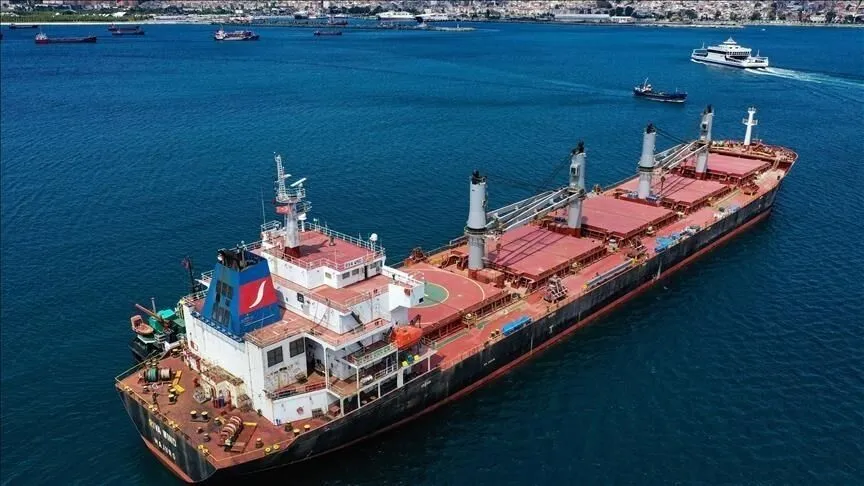
Before the outbreak of war, Russia and Ukraine together accounted for approximately 30 percent of global wheat exports and nearly 20 percent of global maize exports. Ukraine alone exported tens of millions of tonnes of grain annually, supplying markets across Africa, the Middle East, and Asia. These exports depended heavily on maritime logistics. Grain harvested across Ukraine’s agricultural heartland was transported by rail and river networks to Black Sea ports, where it was loaded onto bulk carriers destined for international markets.
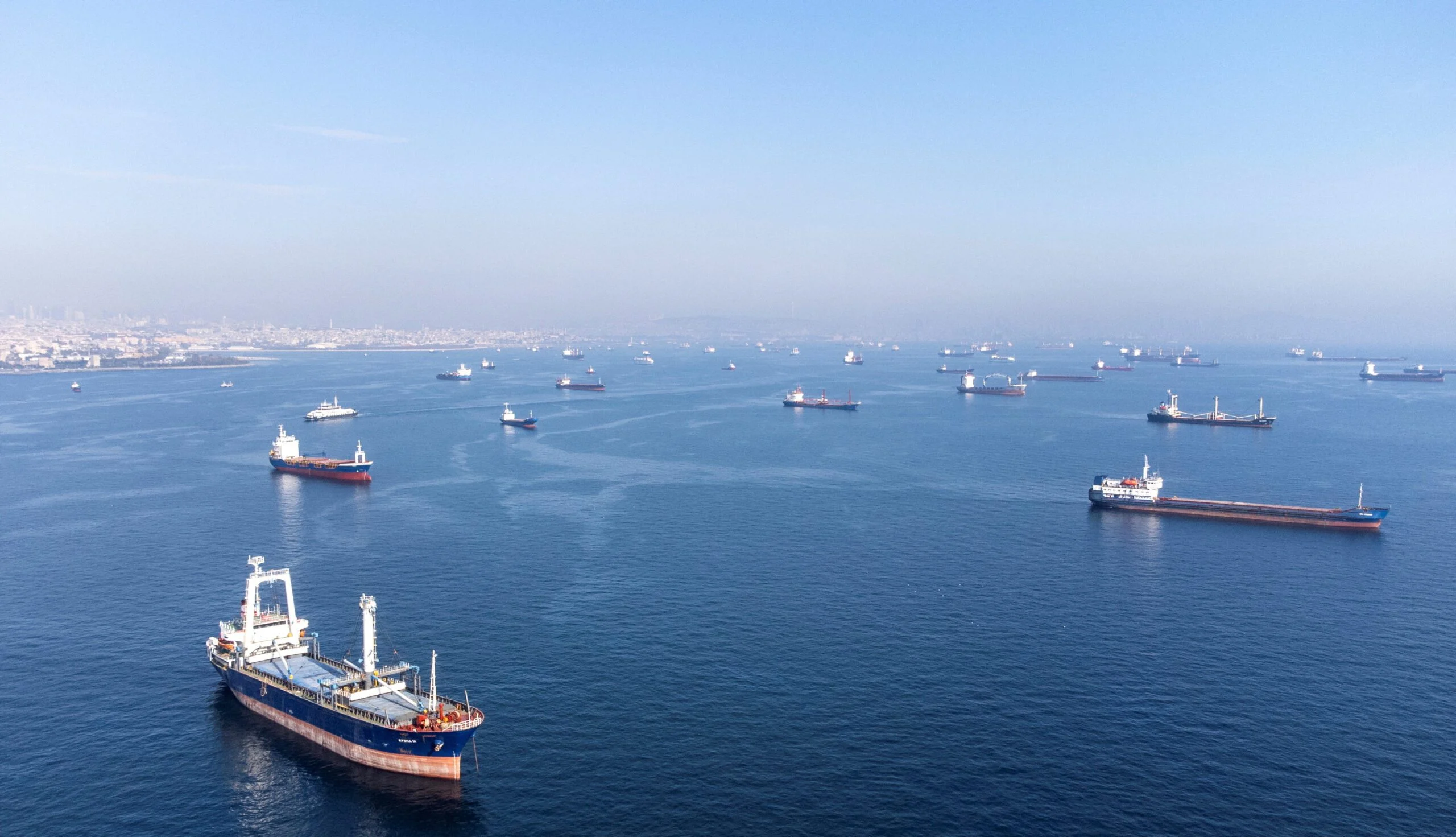
Ports such as Odesa functioned as critical gateways in this system. From these terminals, vessels passed through the Turkish Straits and into the Mediterranean, supplying grain to dozens of importing countries. The efficiency of this network made Black Sea wheat among the most competitively priced grain on global markets. When war disrupted this system, the consequences quickly spread far beyond Eastern Europe.
Naval Warfare and the Disruption of Grain Exports
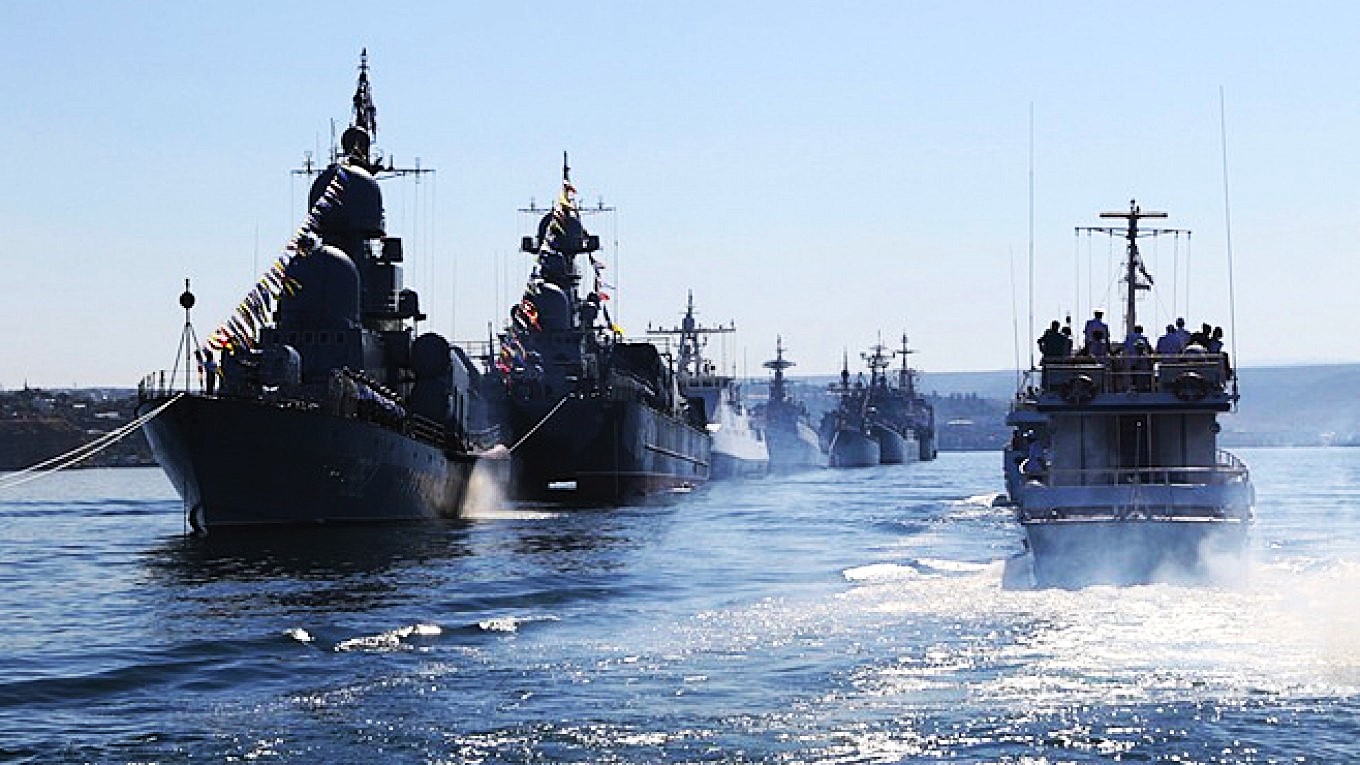
The maritime dimension of the Russia–Ukraine war rapidly emerged as a central factor in global food security. Russian naval forces established control over large sections of the Black Sea, effectively preventing commercial vessels from safely accessing Ukrainian ports. The resulting disruption was immediate. Shipping companies withdrew vessels from the region due to the risks posed by naval mines, missile strikes, and military escalation. Ukrainian grain exports collapsed almost overnight.
The sudden disappearance of millions of tonnes of grain from global markets sent shockwaves through international commodity prices.
Recognizing the severity of the crisis, the United Nations and Türkiye brokered the Black Sea Grain Initiative in mid-2022. The agreement created a maritime corridor allowing Ukrainian grain shipments to resume under international supervision.
Over the following year, more than 30 million tonnes of agricultural products were exported through this corridor. Yet the agreement remained fragile and subject to political tensions. Its eventual collapse reintroduced uncertainty into global food markets. For African economies dependent on Black Sea grain, this uncertainty translated directly into rising food costs.
Africa’s Structural Dependence on Imported Wheat
The vulnerability of African economies to Black Sea disruptions reflects broader structural characteristics of the continent’s food systems. Rapid urbanization has significantly increased demand for wheat-based foods such as bread, pasta, and noodles. However, climatic conditions in many parts of Africa limit domestic wheat production. As a result, many countries rely heavily on imported grain.
Several African states have historically sourced a large share of their wheat imports from Russia and Ukraine. Egypt, the world’s largest wheat importer, typically obtains the majority of its wheat from the Black Sea region. Other countries, including Sudan, Tunisia, and Ethiopia also rely heavily on these suppliers.
This dependence is driven partly by geography. Shipping routes from the Black Sea to Mediterranean and Red Sea ports are relatively short, allowing grain to be transported efficiently and at low cost. When exports from the region declined, African importers were forced to compete for grain from more distant suppliers in North America and Australia. The resulting increase in transportation costs compounded the impact of rising commodity prices.
Food Inflation and Economic Pressure
For households across Africa, rising food prices can have immediate and severe consequences. In many African economies, food accounts for 40 to 60 percent of household expenditures. When staple food prices increase, households have little room to adjust their spending. During the early months of the Russia–Ukraine war, global wheat prices surged sharply. Governments across Africa faced mounting pressure to stabilize domestic markets through subsidies or price controls.
These measures, however, came at a significant fiscal cost. Many African governments were already grappling with rising public debt and limited budgetary flexibility. The result was a difficult policy dilemma: maintain food subsidies at the risk of worsening fiscal deficits or reduce subsidies and expose households to rising food costs.
Fertilizer and Agricultural Production
Beyond grain exports, the Black Sea conflict also disrupted global fertilizer markets.
Russia is one of the world’s largest exporters of nitrogen, potash, and phosphate fertilizers—inputs that play a crucial role in modern agricultural production. Sanctions, logistical disruptions, and financial restrictions complicated the export of these products, contributing to rising global fertilizer prices. For African farmers, who already face significant constraints in accessing agricultural inputs, the consequences were substantial.
Reduced fertilizer availability can significantly lower crop yields, undermining domestic food production and increasing reliance on imports. In effect, the fertilizer crisis threatened to compound the grain supply shock created by the disruption of Black Sea exports.
Maritime Insurance and Shipping Costs
Another consequence of the conflict has been rising shipping costs associated with maritime risk. Commercial vessels operating in conflict zones face increased insurance premiums due to the risk of attack or damage. These costs are typically passed on to importers through higher freight rates.
For African countries dependent on maritime imports, these additional costs further increased the price of food and other essential goods. The result has been a broader inflationary environment affecting multiple sectors of African economies.
Diplomacy and Geopolitical Narratives
The food crisis triggered by the Black Sea conflict has also influenced diplomatic relations between African countries and external powers.
Russia has sought to strengthen political ties with African states by emphasizing its role as a major supplier of grain and fertilizer. Western governments, meanwhile, have argued that the war itself and Russia’s naval blockade has been the primary driver of global food insecurity. These competing narratives have shaped debates within international institutions such as the United Nations, where several African countries have adopted neutral or non-aligned positions regarding the conflict.
The episode illustrates how economic vulnerability can intersect with geopolitical competition.
For instance, Russian fertilizers were blocked in ports of EU countries. Russian President Vladimir Putin had proposed to share it free-of-charge with African States. The fertilizers were calculated to weigh at least 200,000 tonnes. However, the EU would not allow that to happen due to their geopolitical differences or competition with the Russian Federation eager to assist the needy African countries for free.
Africa as the Shock Absorber of Global Conflict
The disruption of Black Sea maritime trade highlights a broader structural reality: Africa often bears the economic consequences of geopolitical conflicts occurring elsewhere.
Unlike major industrial economies with diversified supply chains and substantial financial buffers, many African countries remain highly sensitive to fluctuations in global commodity markets. When conflicts disrupt key supply corridors—whether for food, energy, or shipping—the resulting price shocks are frequently felt most intensely in developing economies. In this sense, Africa functions as a shock absorber within the global economic system, absorbing volatility generated by geopolitical confrontations among larger powers.
Lessons from the Black Sea Crisis
The Russia–Ukraine war demonstrates how regional conflicts can reshape global economic systems. By disrupting one of the world’s most important agricultural export corridors, the war has exposed the vulnerability of global food supply chains.
For African economies, the consequences have been particularly significant. Rising wheat prices, fertilizer shortages, and increased shipping costs have placed substantial pressure on governments and households alike.
At the same time, the crisis has highlighted the growing strategic importance of Africa within global economic networks. As the international system becomes more fragmented and geopolitical tensions intensify, strengthening food security and agricultural resilience will become increasingly important for African policymakers.
The lessons of the Black Sea crisis are clear: in an interconnected global economy, wars fought in distant regions can shape the economic stability of entire continents.







![Bafana Bafana in the 2026 FIFA World Cup [Image: Sunday World]](https://gsmn.co.za/wp-content/uploads/2026/06/Bafana-Bafana.webp)






![Hordes of students marching against the Bantu Education system and the use of Afrikaans as a medium in schools, during the June 16, 1976, Student Massacres / Soweto Uprisings [Image: GSMN]](https://gsmn.co.za/wp-content/uploads/2026/06/Soweto-uprising-2-1-1.jpg)