We often believe that travel is about discovering new places. In reality, the most meaningful journeys challenge the assumptions we carry long before we board the plane. They remind us that no headline, no documentary, and no second-hand opinion can ever replace the value of seeing a place through your own eyes.
My recent visit to China’s Xinjiang Uyghur Autonomous Region was one of those journeys.
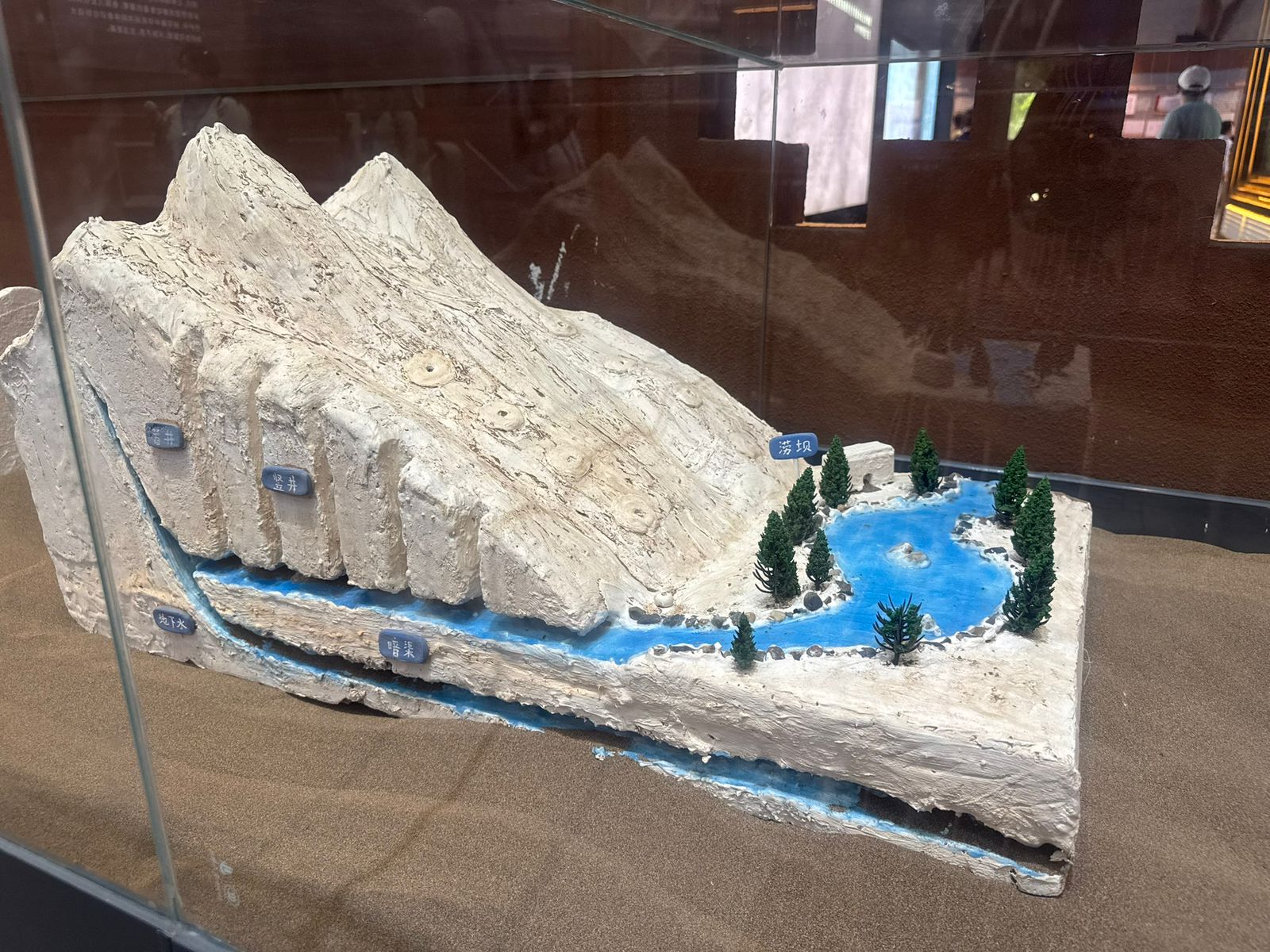
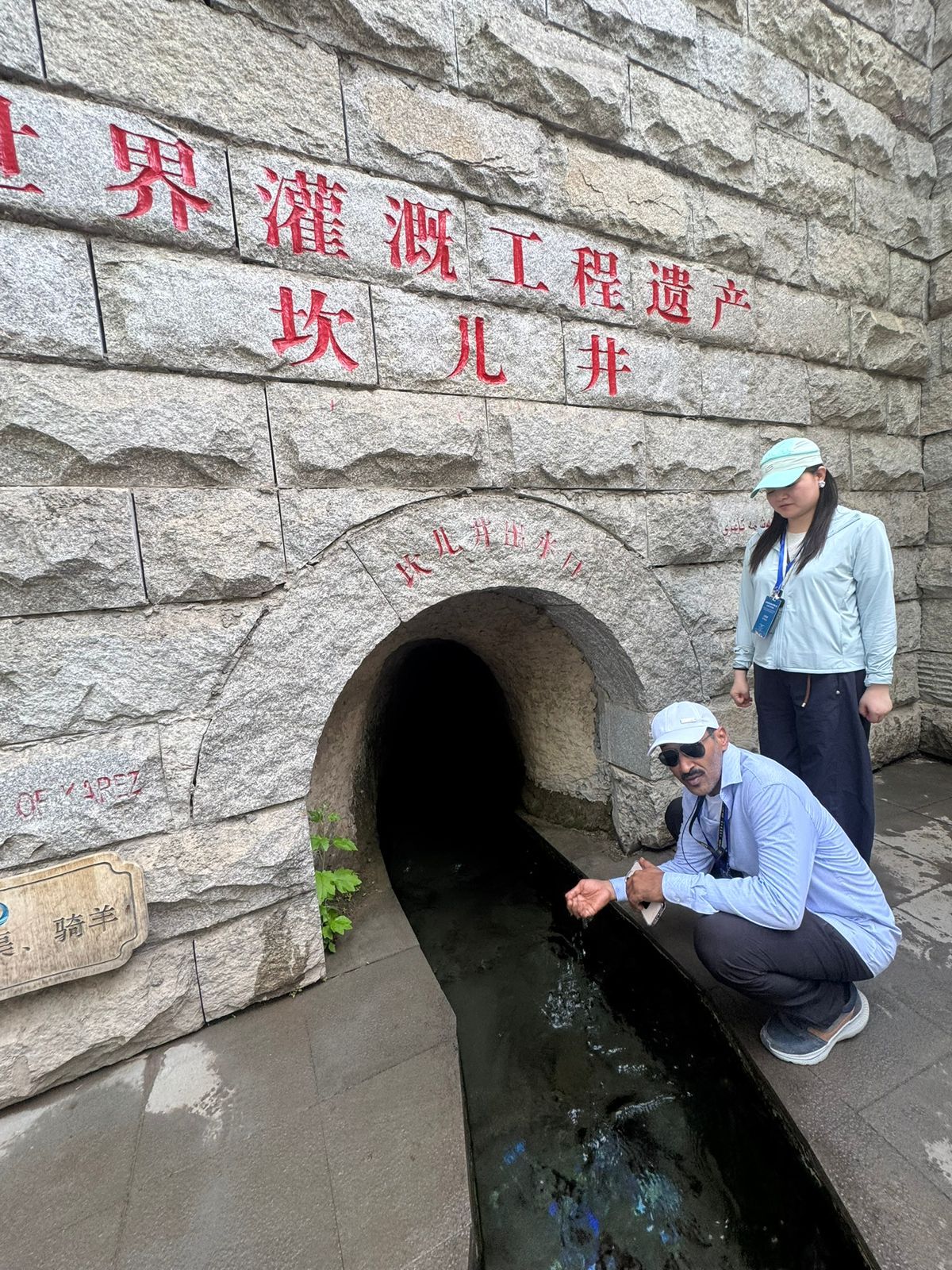
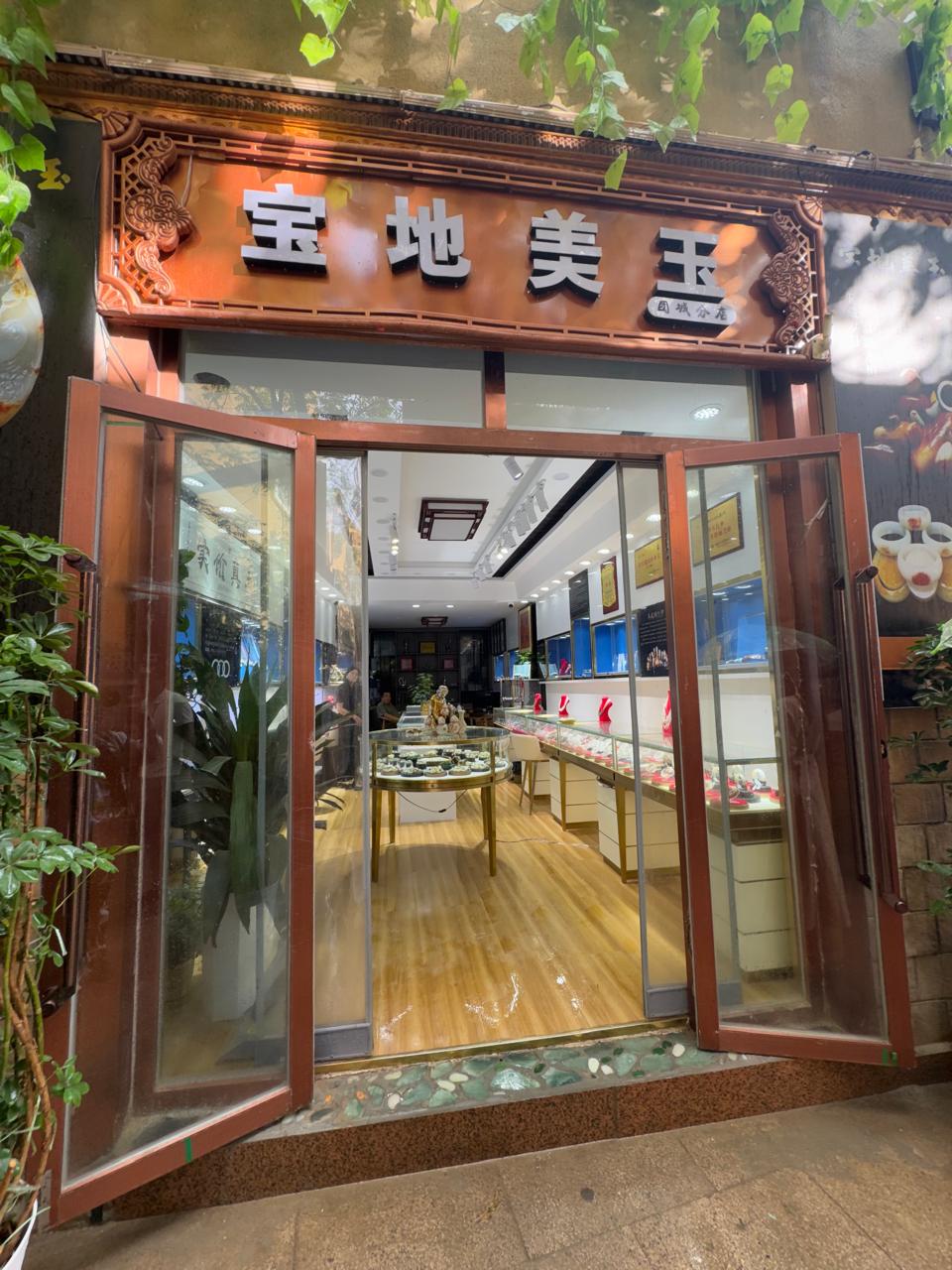
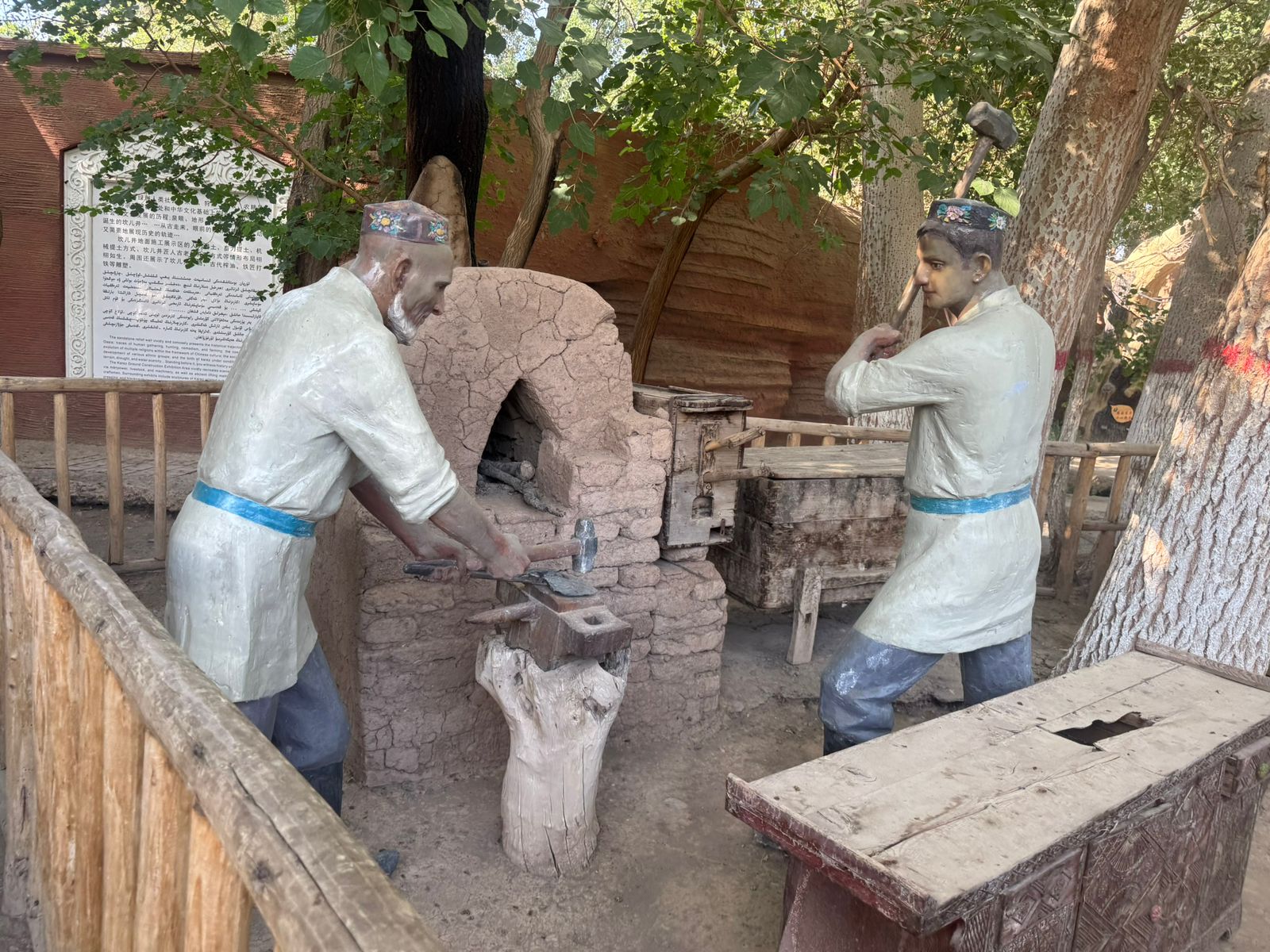
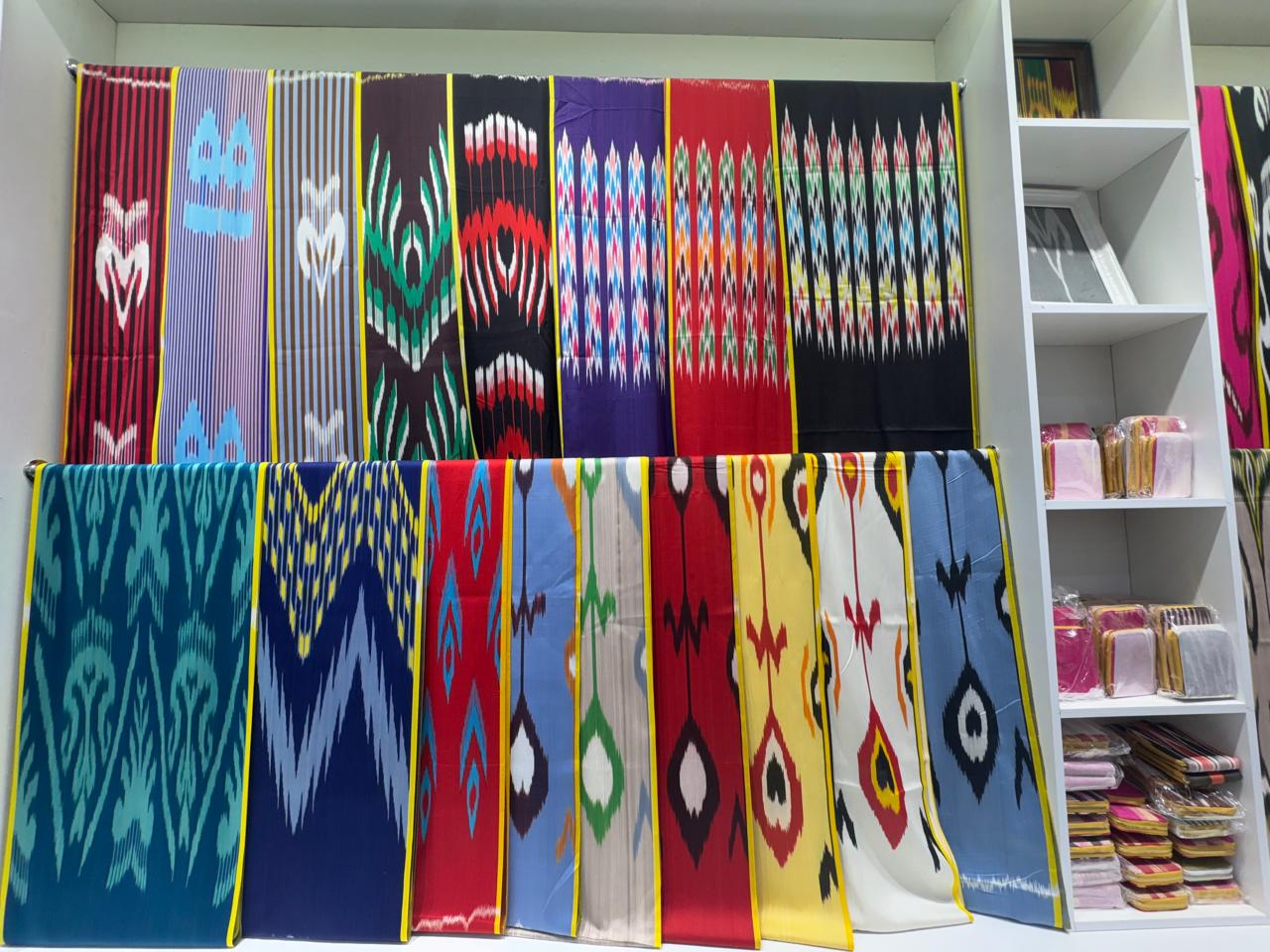
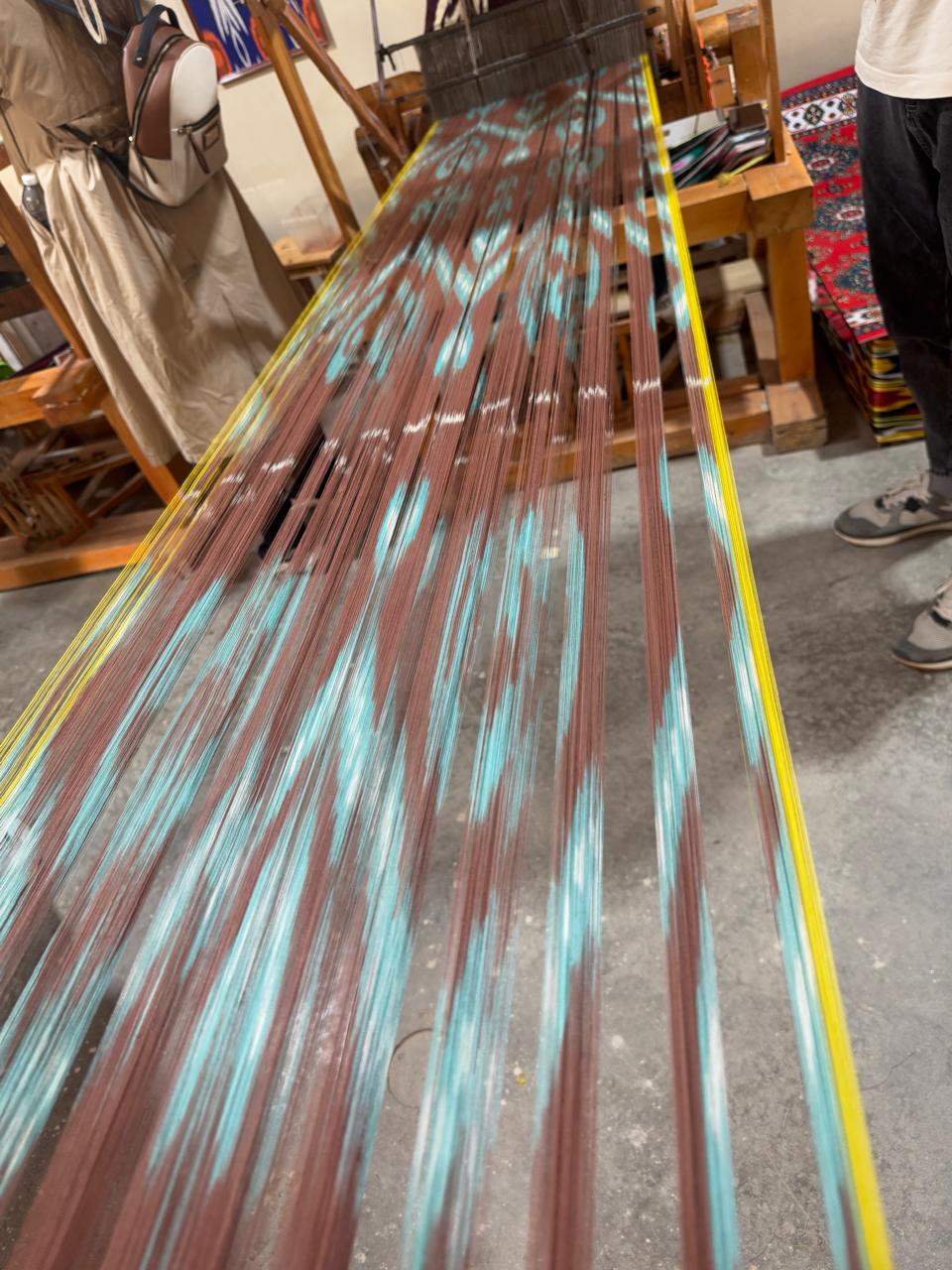
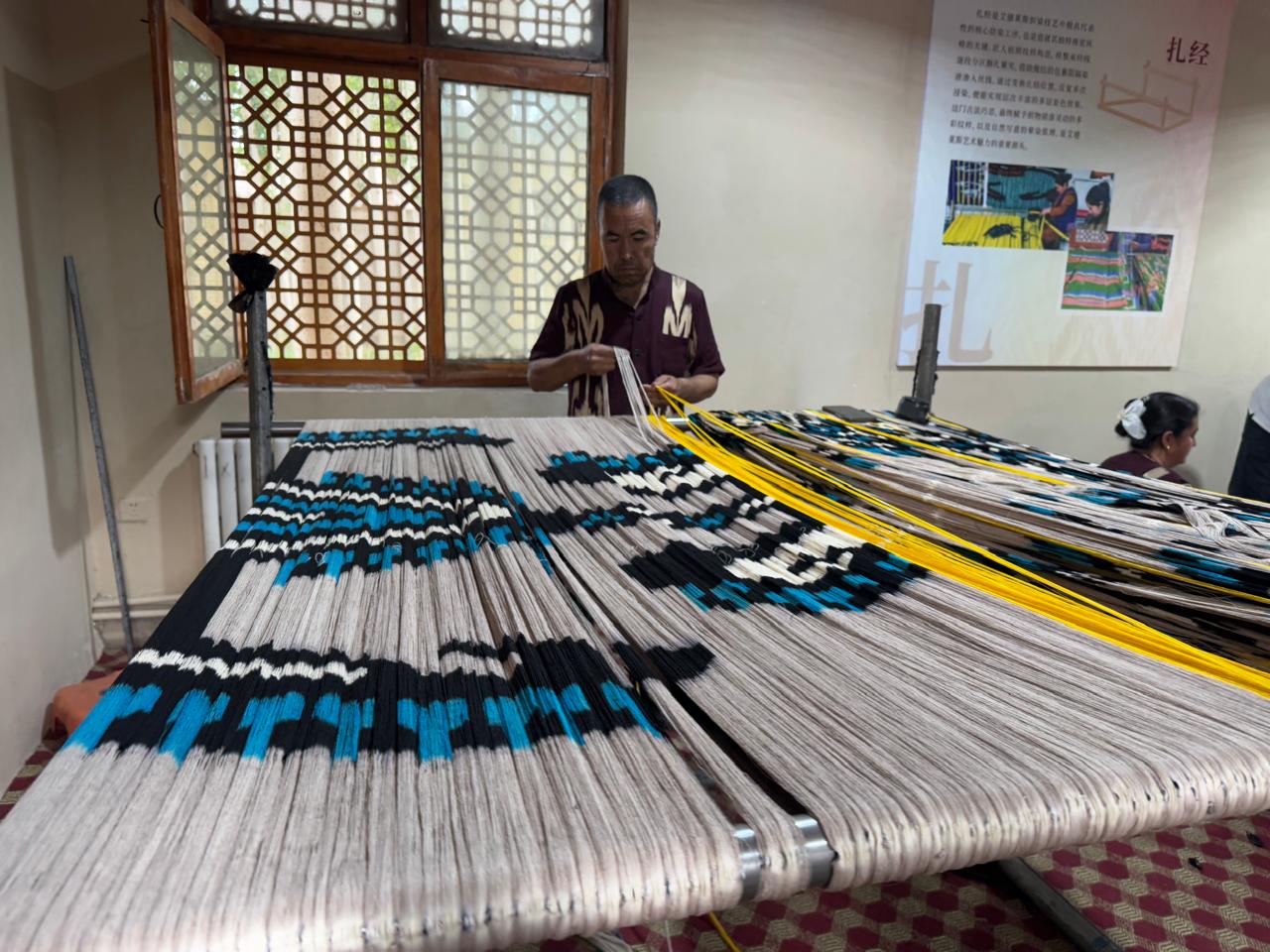
From the remarkable Karez Wells in Turpan—an engineering marvel that has sustained communities in one of the world’s harshest landscapes for centuries—to the master artisans at Jiya Atlas Silk Co., where handmade Atlas silk continues to be woven using techniques preserved across generations, I was constantly reminded that history is not only something to be remembered. It is something to be lived.
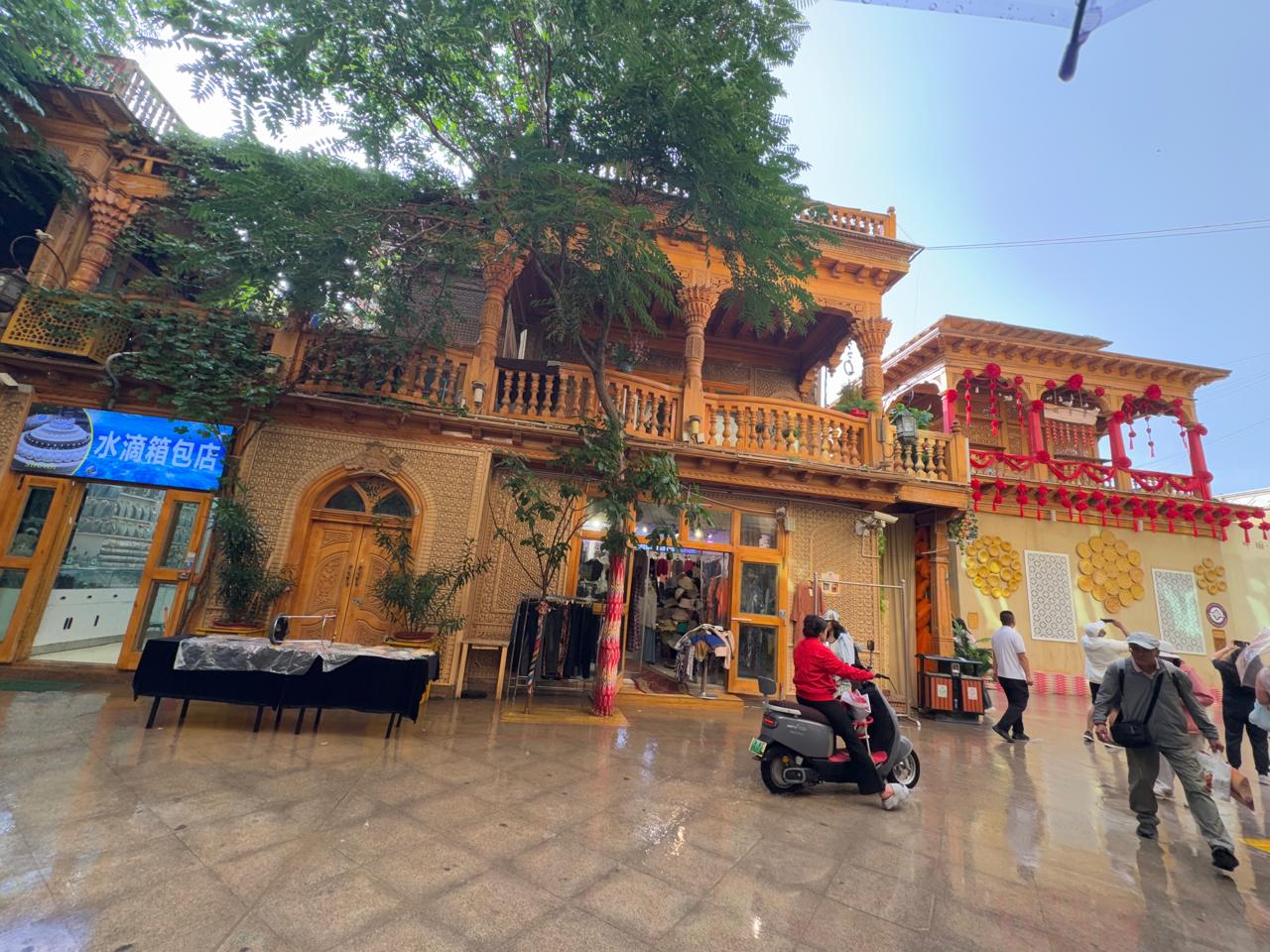
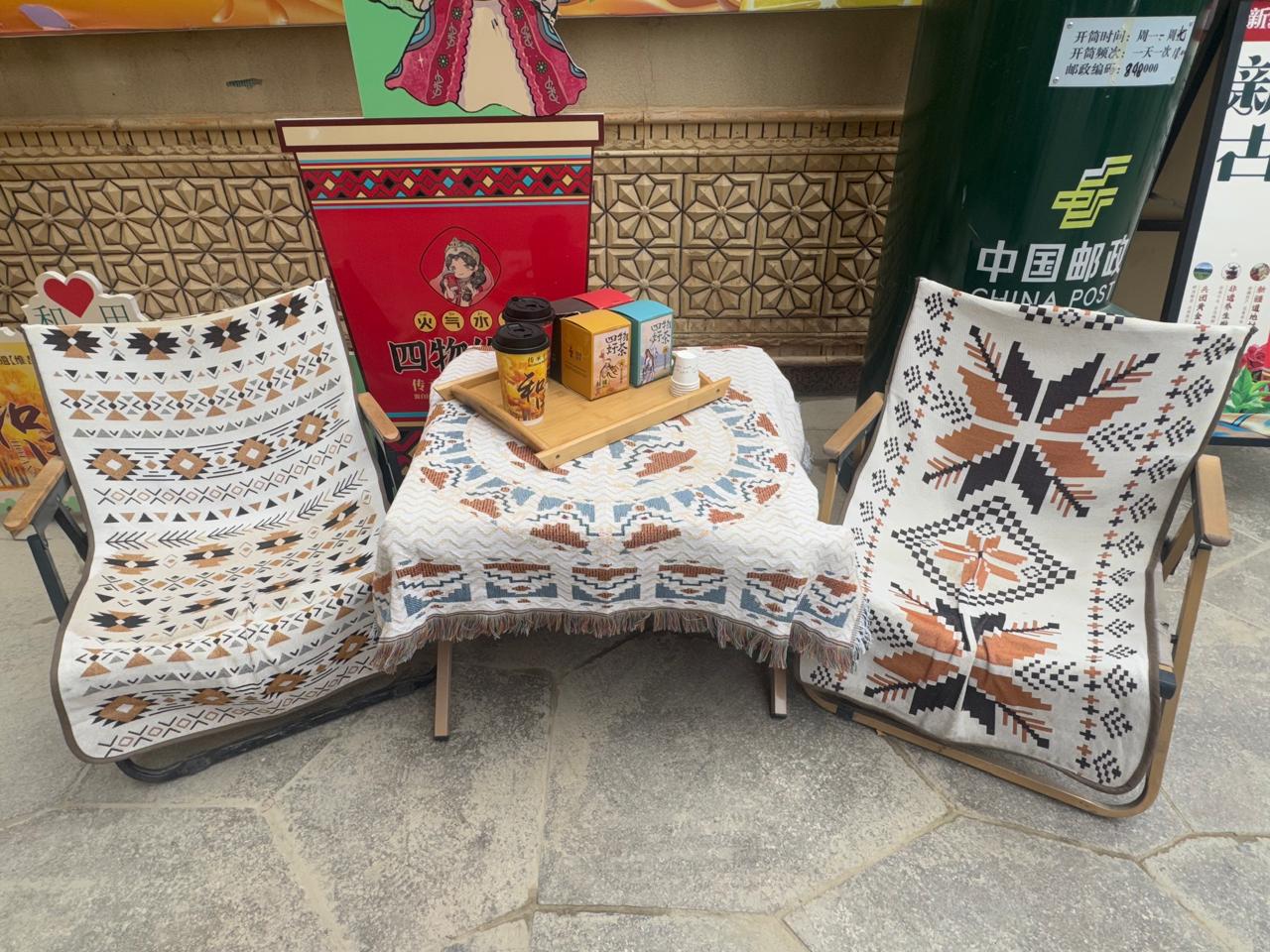
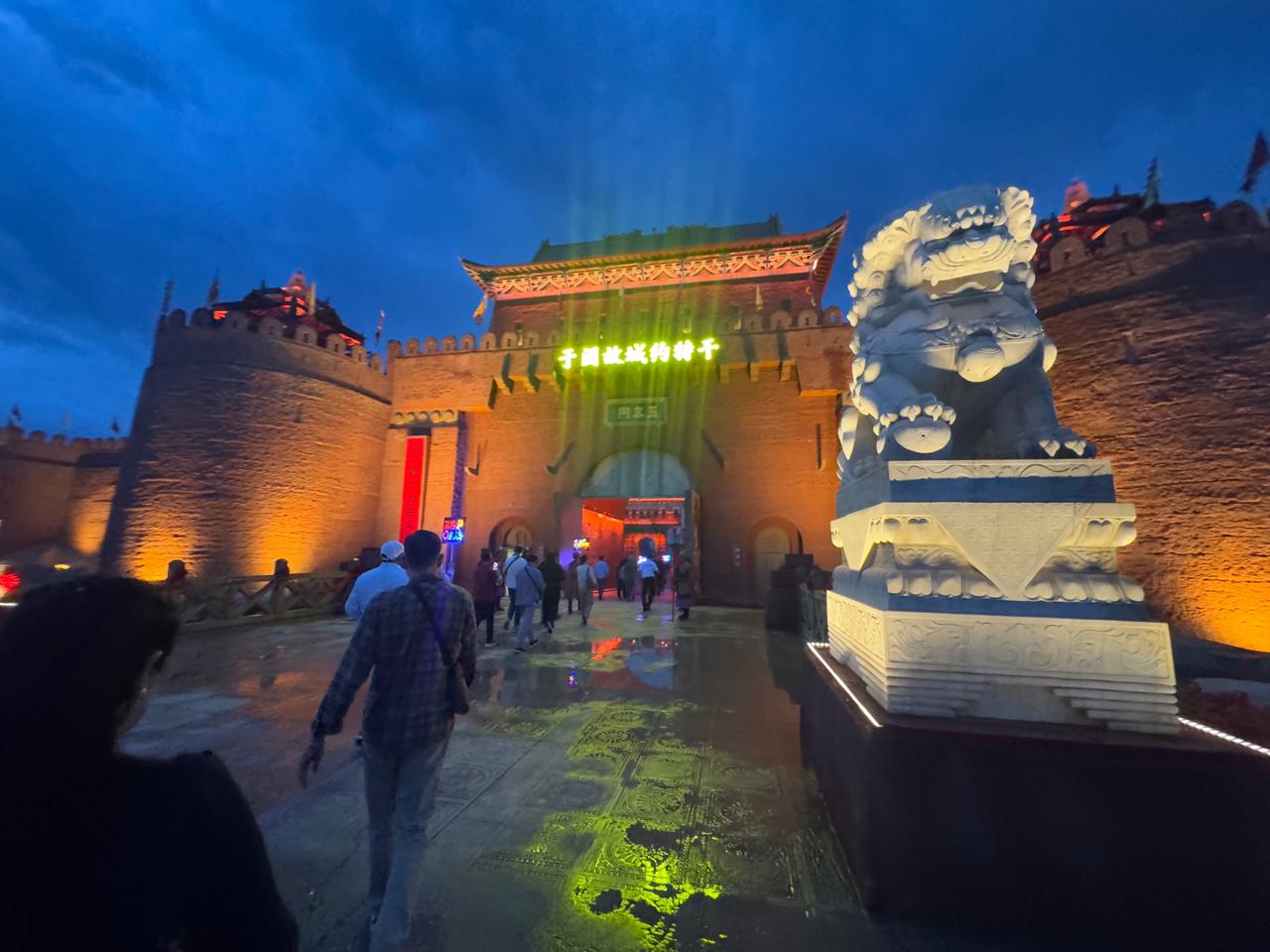
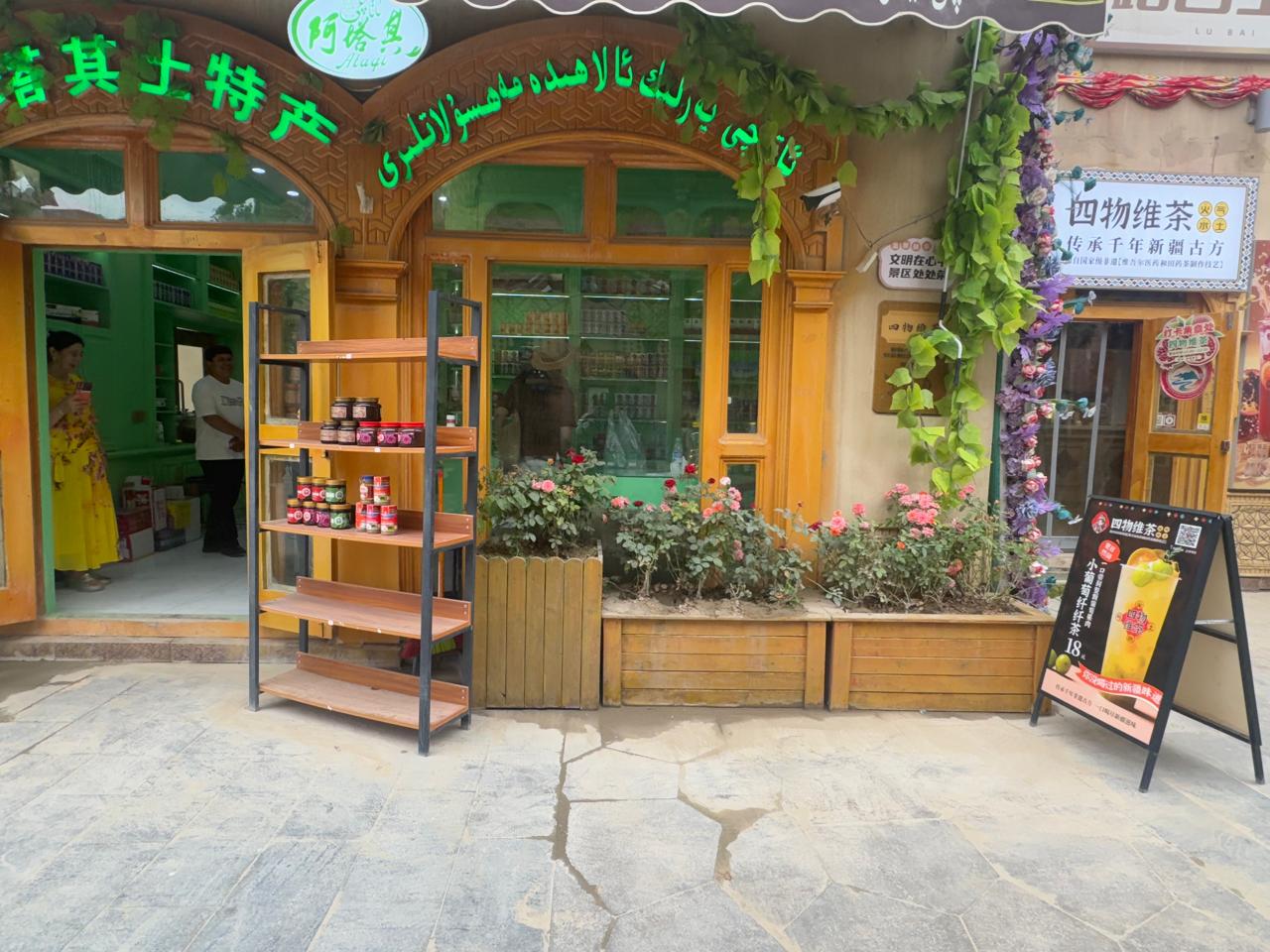
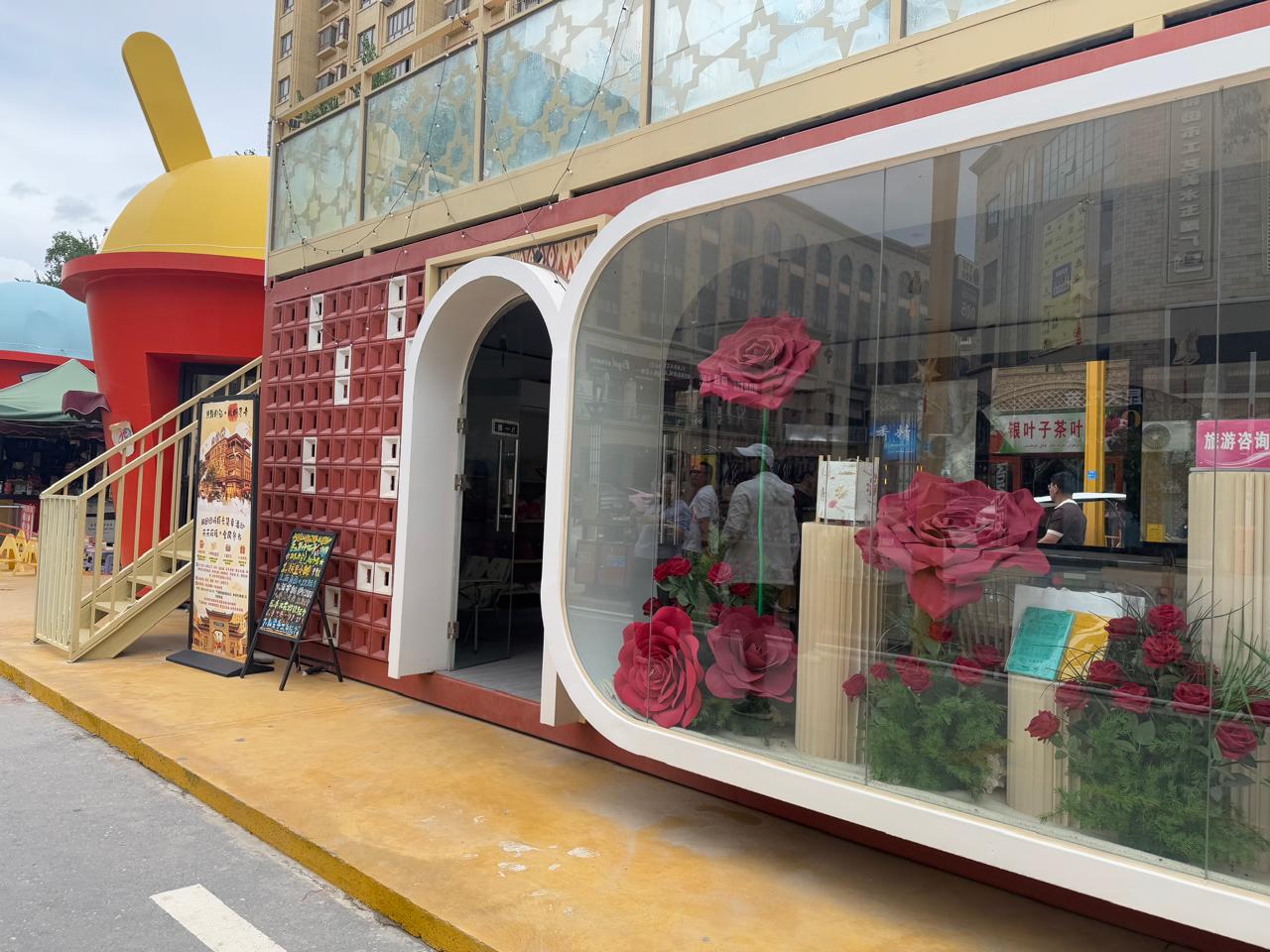
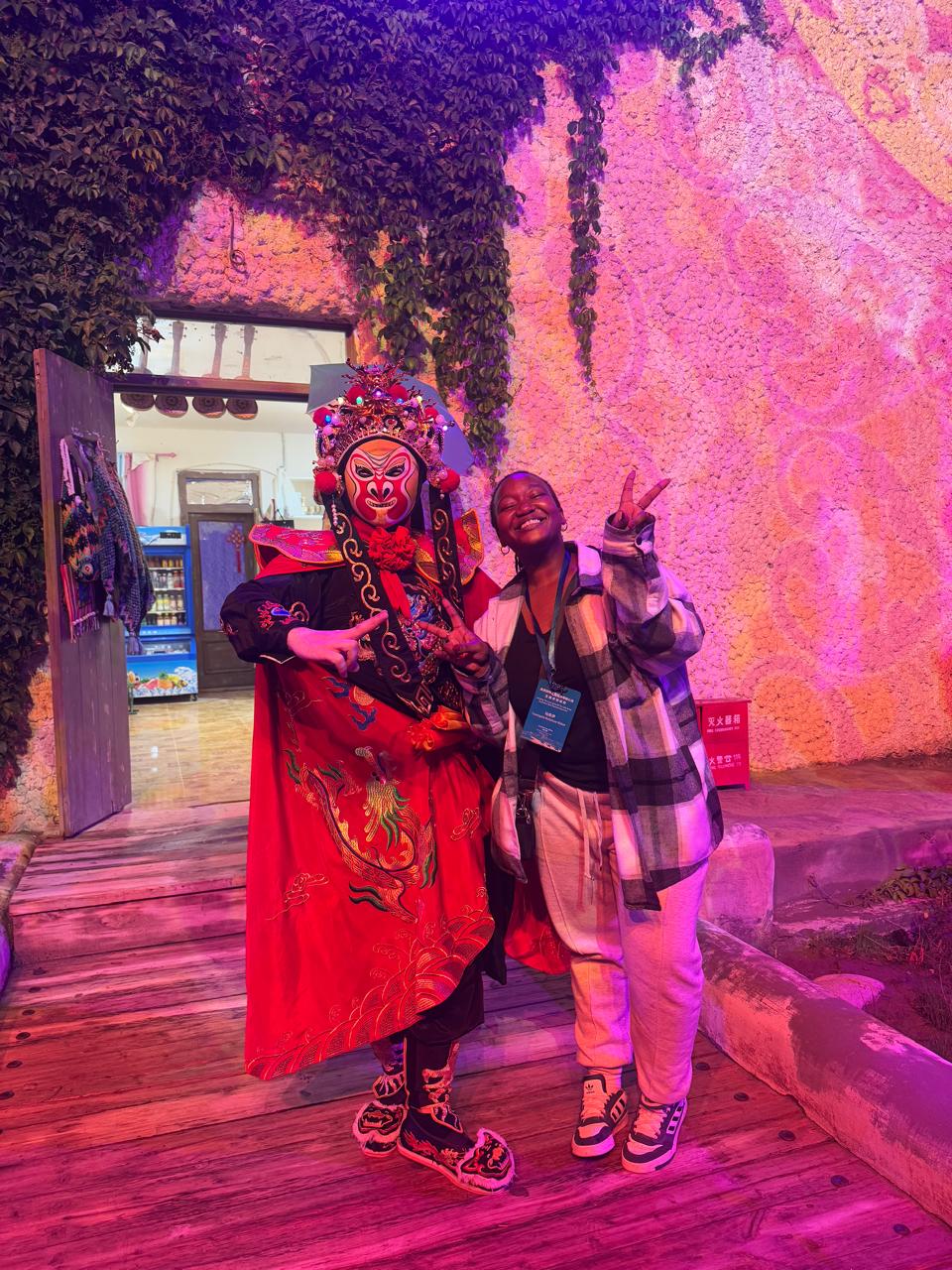
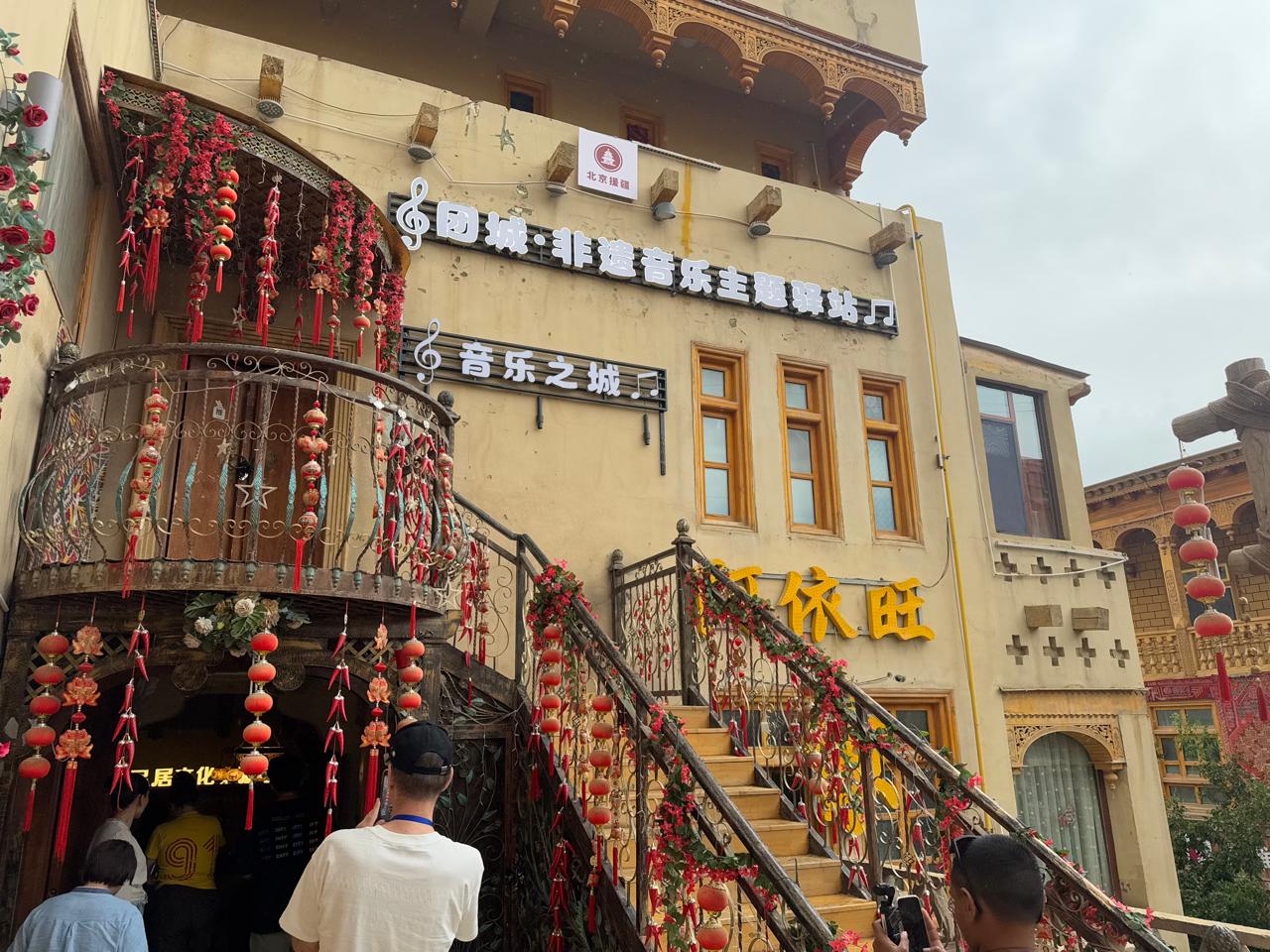
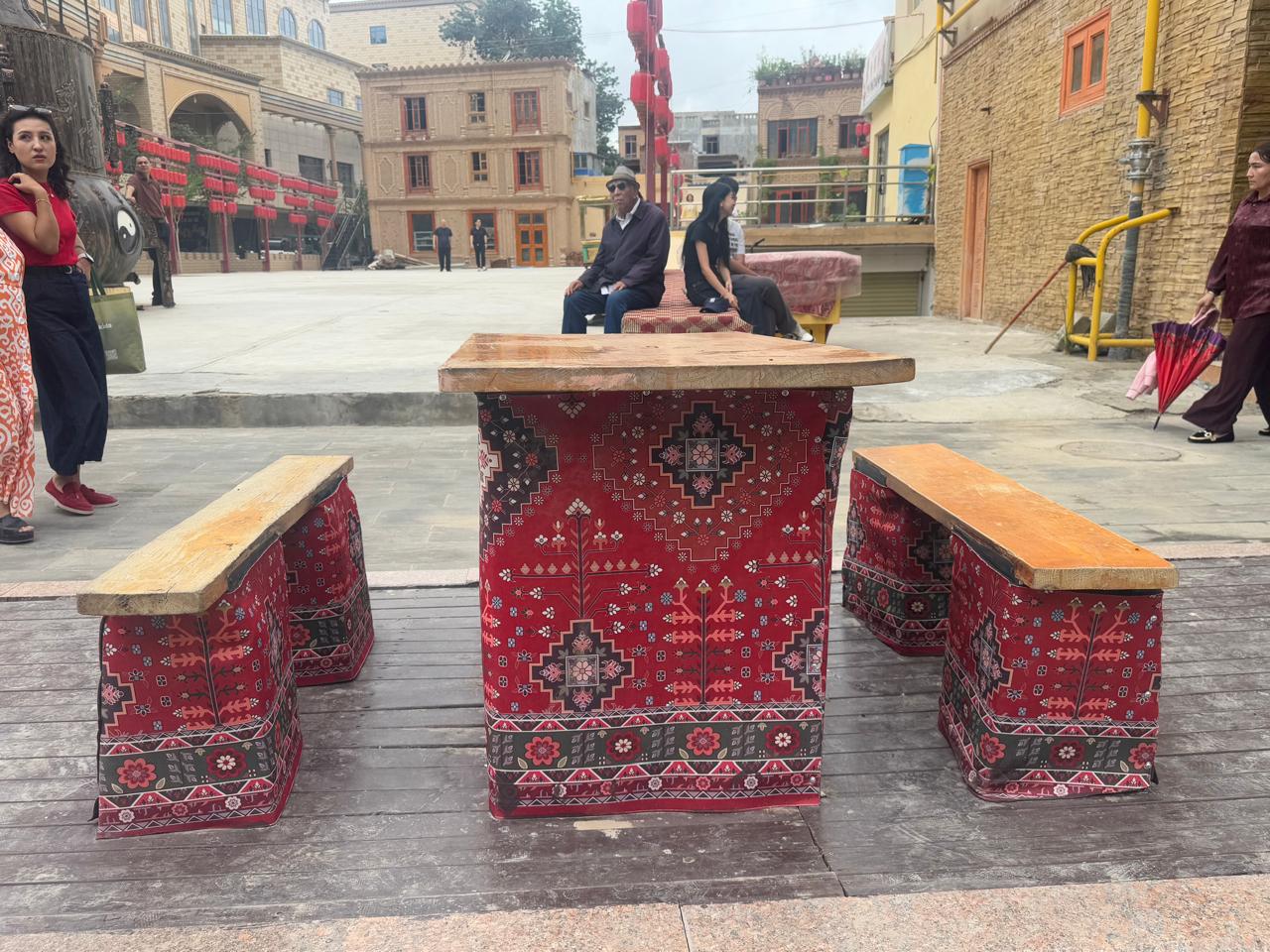
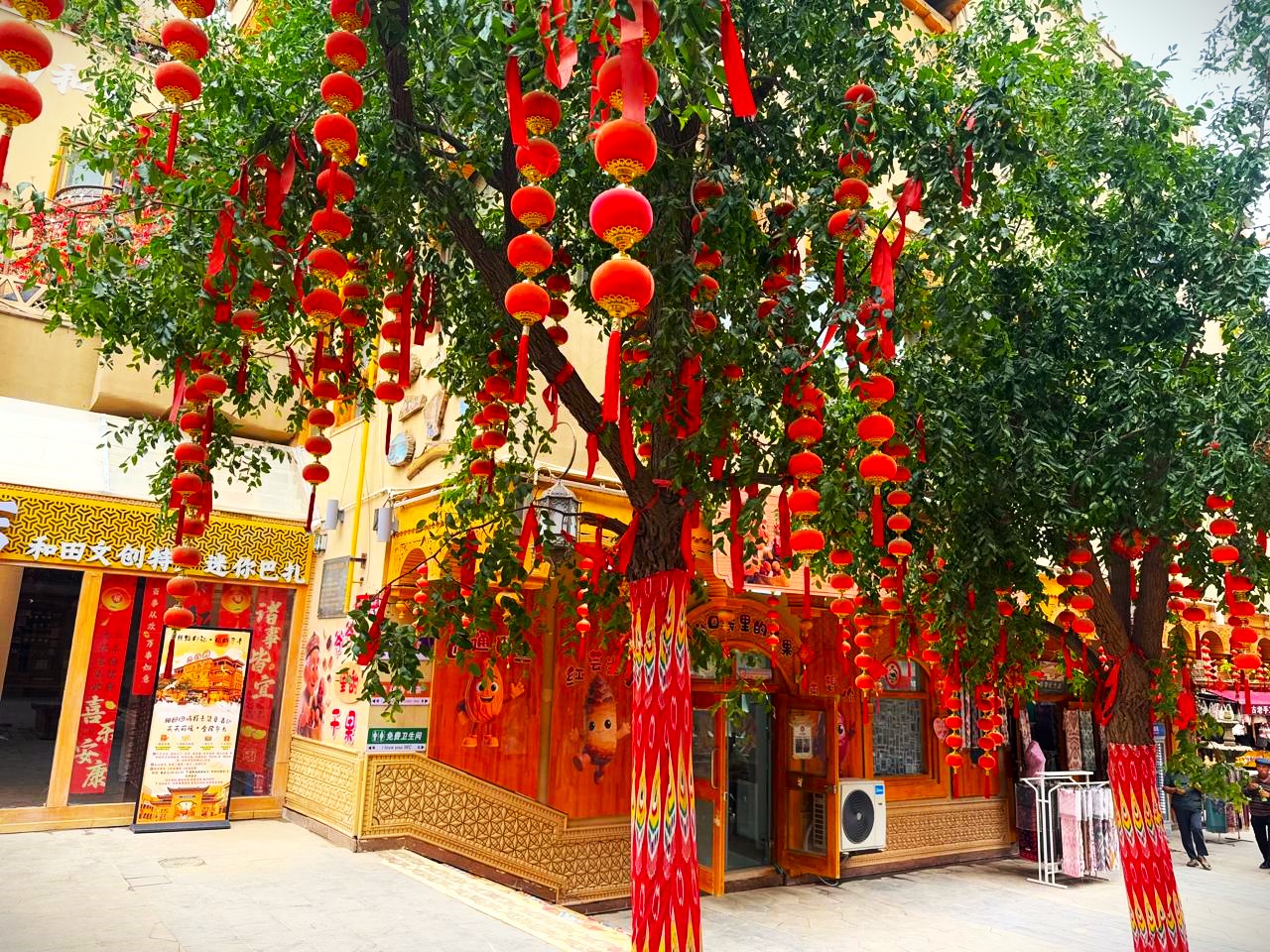
Walking through the historic streets of Tuancheng, where traditional architecture and bustling markets continue to breathe life into centuries of heritage, and experiencing the ancient city of Yotkan through its captivating cultural performances and historical displays, it became impossible to separate the past from the present. Here, culture is not confined to museums or ceremonial occasions. It is woven into daily life, carried proudly from one generation to the next.
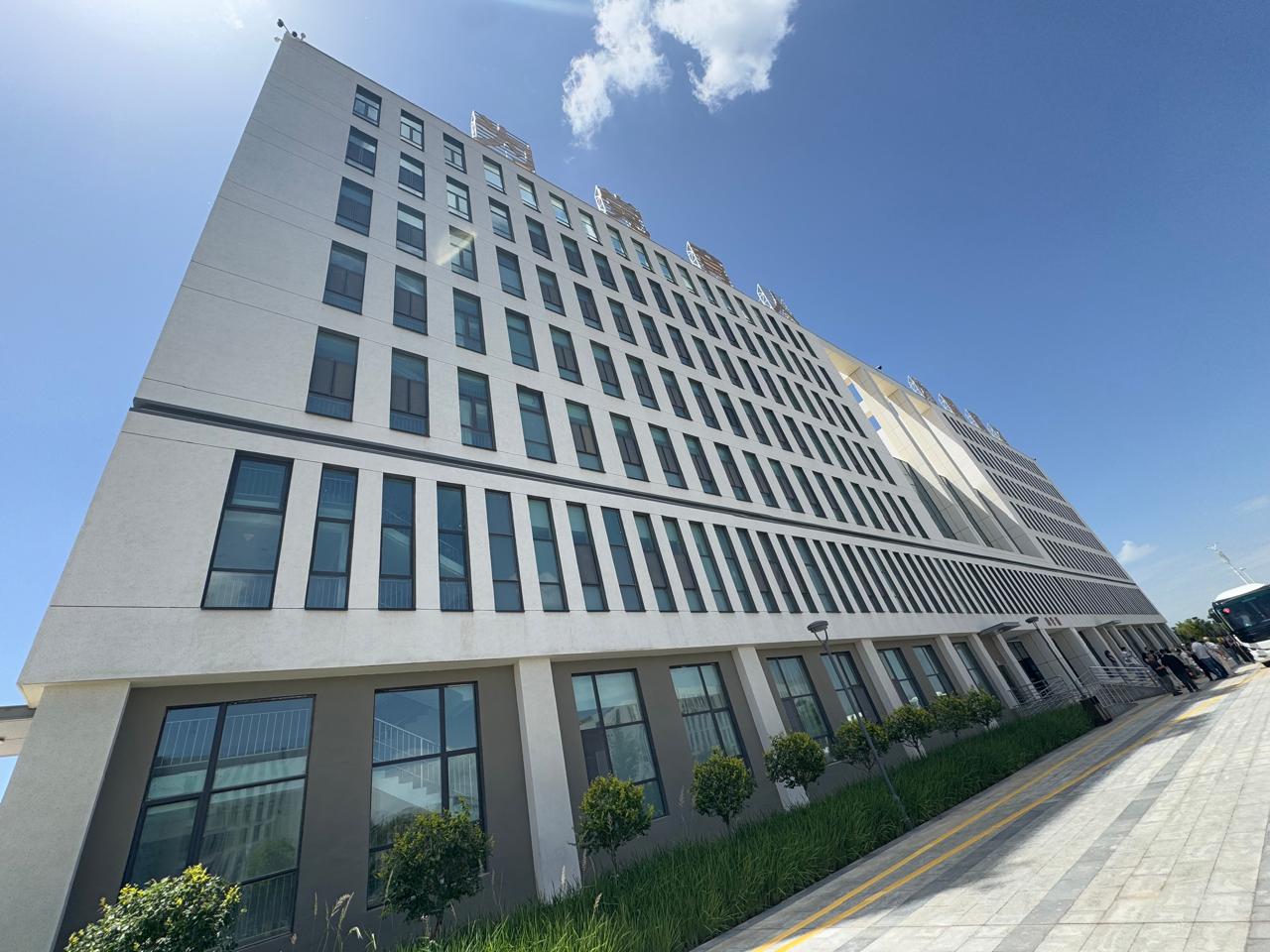
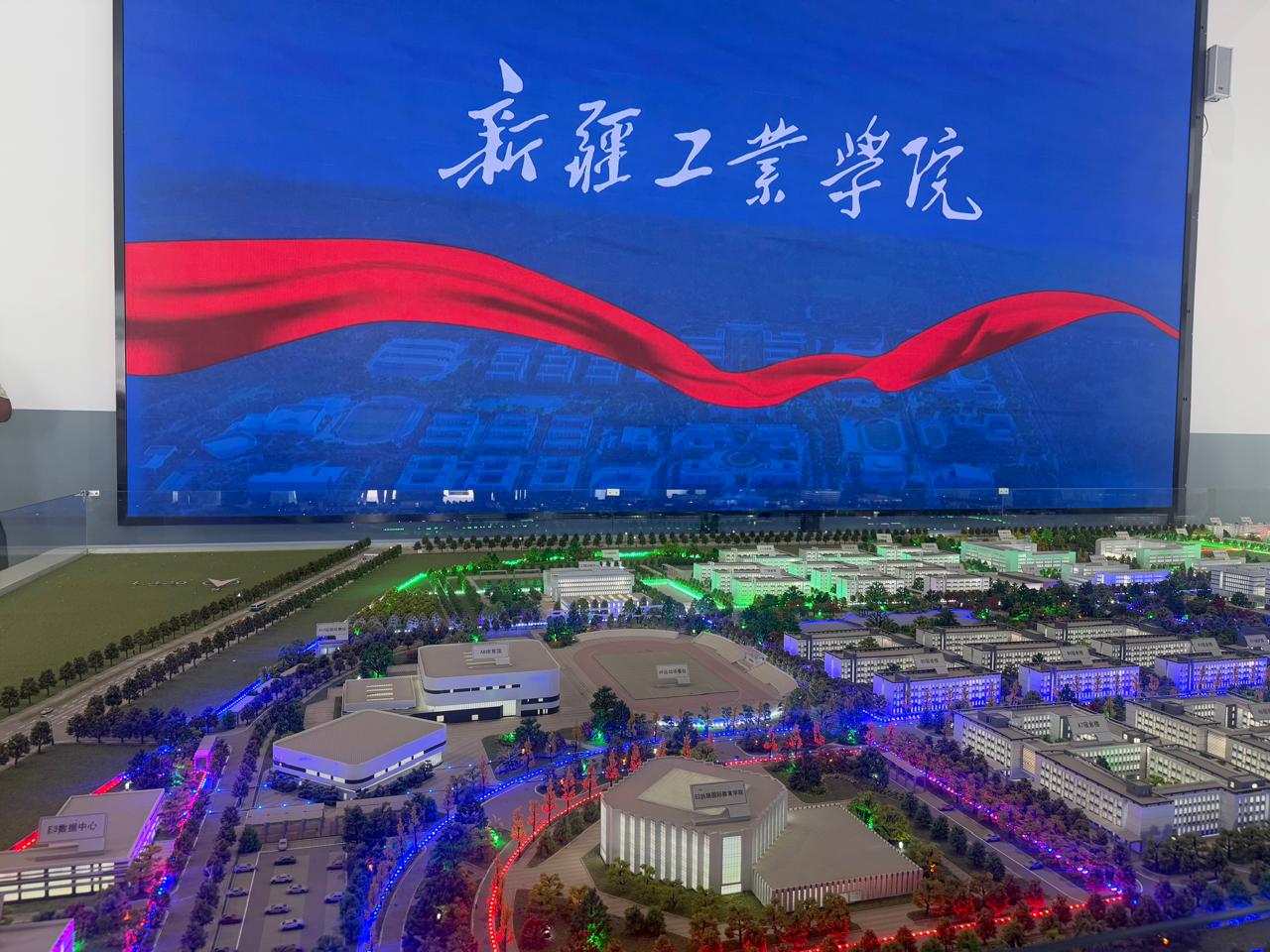
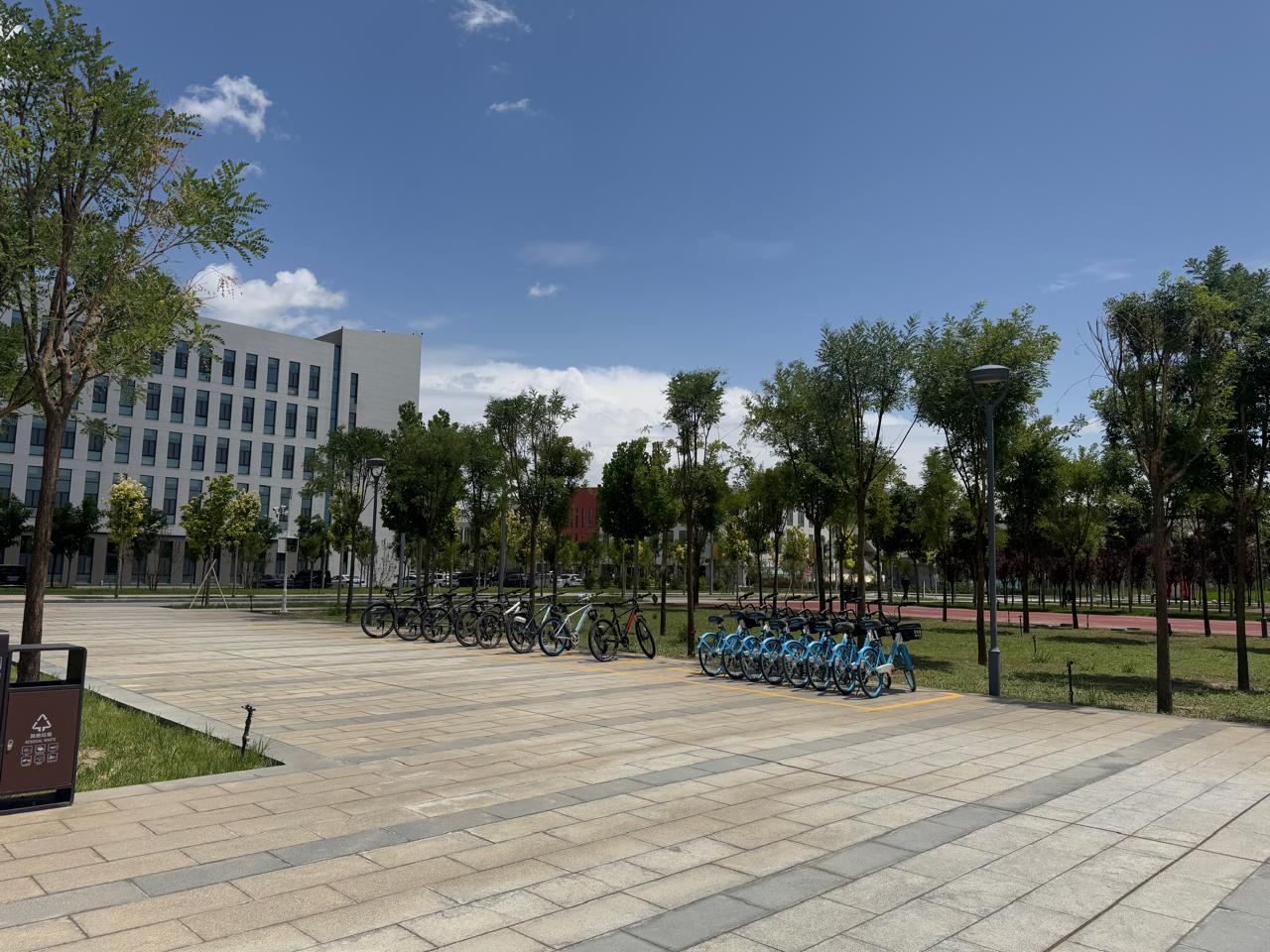
Equally inspiring was the opportunity to visit Xinjiang University of Technology. Engaging with students and academics offered a glimpse into a society investing not only in preserving its heritage, but also in preparing confidently for the future.
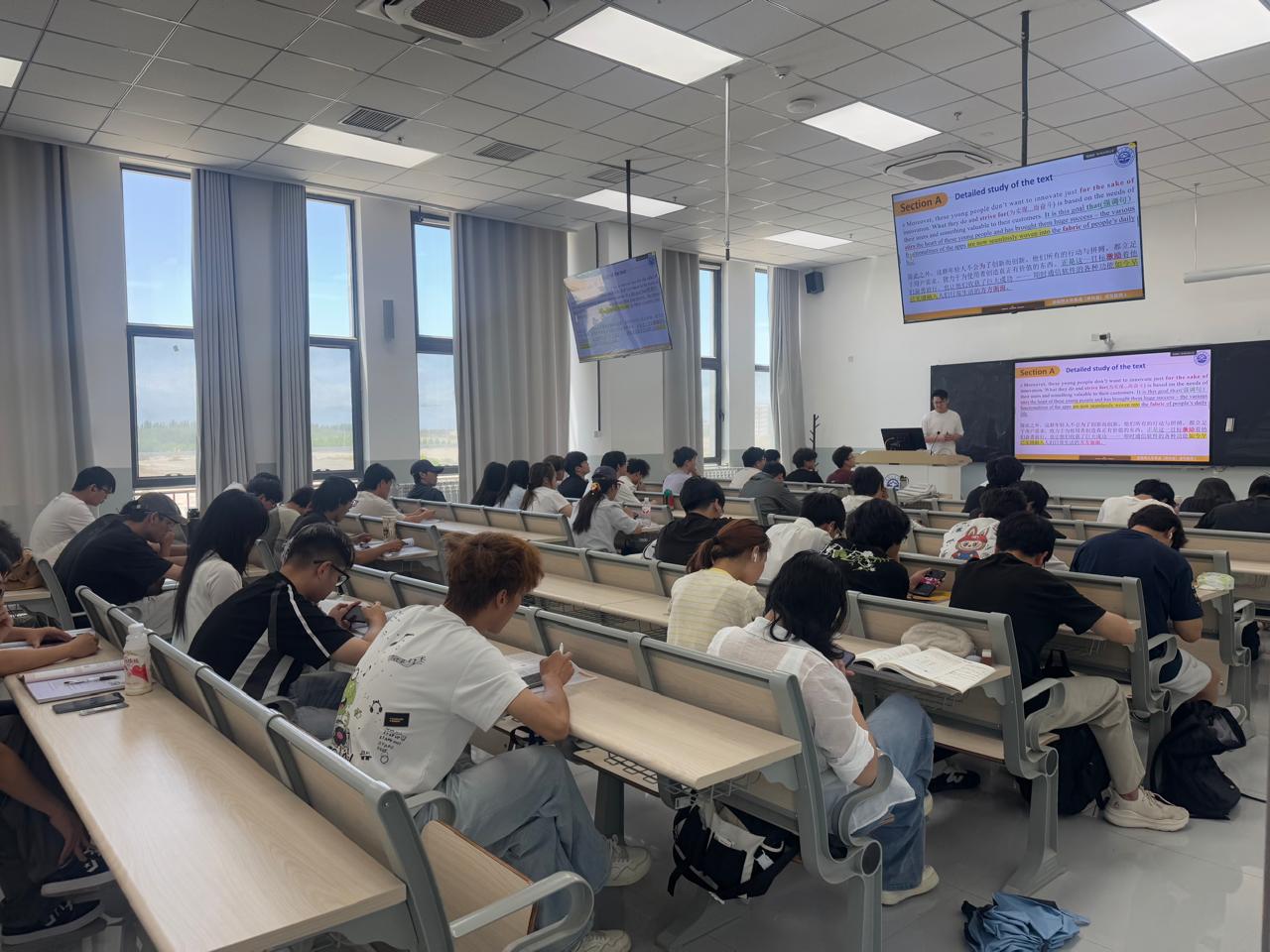
It was a reminder that progress and tradition need not compete. The strongest societies are often those that understand how to embrace both.
Perhaps that became the defining lesson of my visit.
Around the world, many societies wrestle with the false choice between modernisation and cultural identity, as though one must inevitably come at the expense of the other. Xinjiang challenged that assumption. I witnessed communities that continue to honour their customs, celebrate their history and preserve ancient craftsmanship while simultaneously embracing education, innovation and development.
That balance is neither accidental nor insignificant.
A people who remain deeply connected to who they are become remarkably resilient against the pressures of time, change and uncertainty. Buildings can be reconstructed. Economies can fluctuate. Political seasons come and go. But a culture that is actively protected and intentionally passed on becomes something far more enduring than any physical monument.
I return home carrying more than photographs and memories. I return with a renewed appreciation for the enduring power of identity, heritage and shared purpose.
Because in the end, the greatest strength of any society is not found in the scale of its cities or the speed of its development. It is found in a people who know who they are, who refuse to forget where they have come from, and who possess the confidence to carry that identity boldly into the future.