Our common sense has lulled us into thinking that men are now more civilised and would be more considerate, and more tolerant, in their handling of fellow humans, yet everyday reality tells us otherwise. The brutality of the wicked is unmasked before our own disbelieving eyes with uncompromising vigour and boldness. Babylon has engulfed us all, and we are in denial. Indeed, truth is stranger than fiction.
Colonial conquests, land dispossession, and Apartheid segregation, have collectively altered how the indigenous people of South Africa live their lives, and the same is true of colonial conquests everywhere. The indigenous people had to rethink everything about how they eke a living. The colonisers understood that it was not enough to simply dispossess a people of their lands. For the state of coloniality to take root, they had to take things a step further beyond dispossession and killings. They had to strip the indigenous people of their culture, their language and ultimately condemn them to a status of lessor beings. To condition them, they had to control their minds and keep them in a state of permanent fear, and here lies the seeds for societal neurosis.
In South Africa, added to the hardships of colonialism, in all its manifestations, it was the dehumanising aspects of the legislated racism of the Apartheid system that was even more devastating on the minds of its subjects. The structural aspects of Apartheid through the group areas act, the job reservations act, which relegated blacks to the performance of inferior menial work, inferior housing far away from their workplaces, inferior public amenities, and the rolling out of the inferior Bantu Education for the black children, were all deliberately calculated acts of psychological warfare on the black society. They were deliberately aimed at stripping blacks of their dignity and their humanity; effectively rendering them to a status of lessor beings, inferior to Whites and, at worst, non-beings.
There is a famous quote by G. Michael Hopt that
“hard times create strong men, strong men create good times, and good times create weak men, and weak men create hard times”.
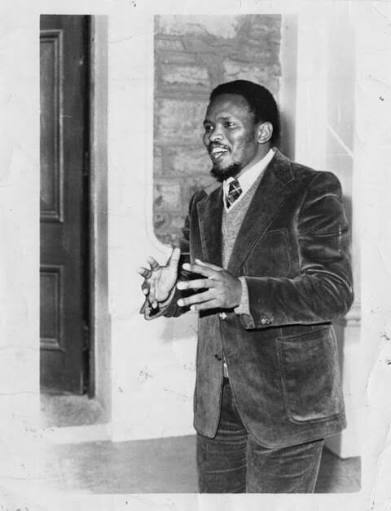
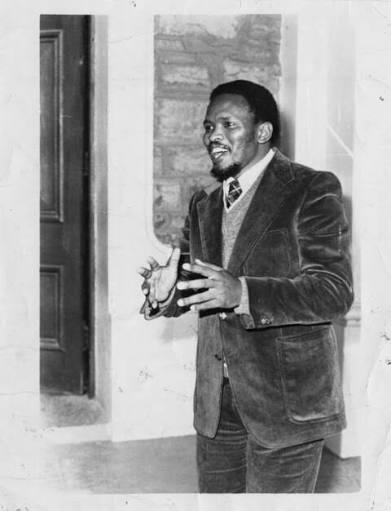
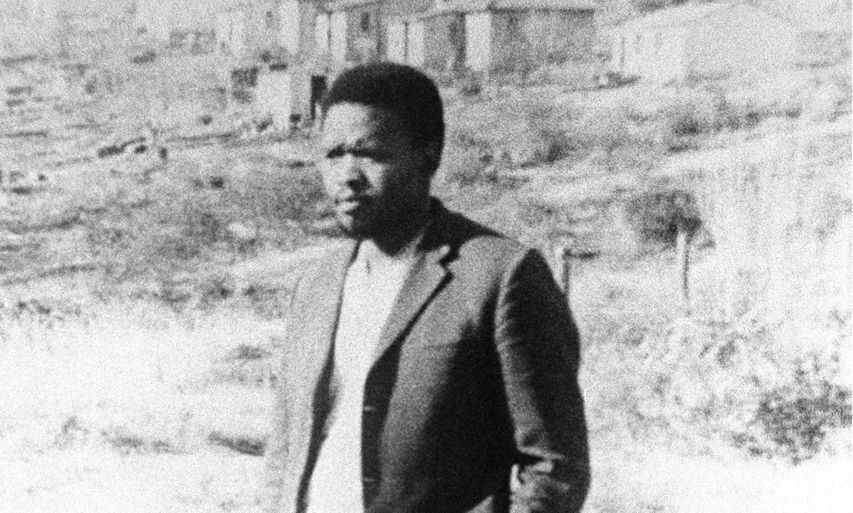
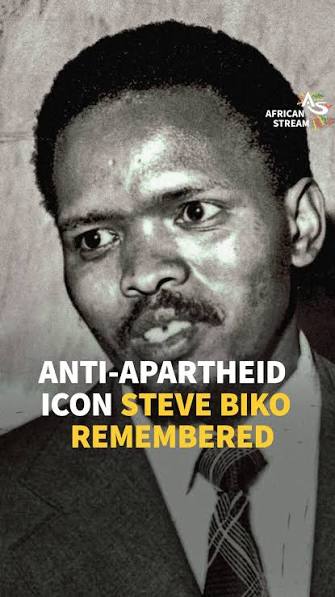
Indeed, Steve Biko, and his cohort in SASO, were products of their times. The sixties were hard times for wearing a black skin in Apartheid South Africa. This was a time in the aftermath of the brutal Sharpeville massacre of 1960, that precipitated the banning of the liberation movements. Most of the black political leadership were either incarcerated, banned, or banished. This created a political lull in the country, and the student movement took the cudgels of political struggle into their own hands.
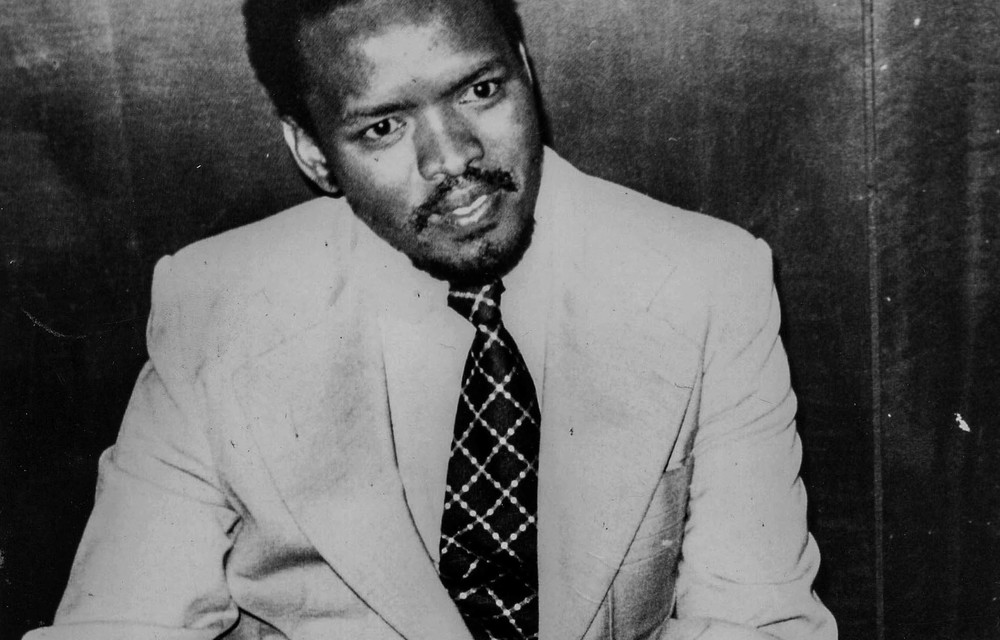
As a young man of his times, Biko emerged out of the militancy of the broader student movement of the mid-sixties. However, his articulation of the philosophy of Black Consciousness demonstrated a sharpness of mind that was palpably ahead of his times. Biko was not alone in the crafting of the philosophy of Black Consciousness; he crafted the new philosophy of Black Consciousness together with his cohorts in SASO through their prolific writing and oratory renditions at student rallies and meetings. However, there was no doubt as to the sharpness of his mind. For his incisiveness in defining Black Consciousness, he became the face of Black Consciousness and easily its chief proponent. It was no surprise that he was elected the first president of SASO at its inaugural conference in 1969, with Barney Pityana elected as Secretary.
Biko and his Cohort in SASO, and the broader Black Consciousness Movement demonstrated a fearlessness hitherto unseen. Through their philosophy of Black Consciousness, they injected new life into black politics. They distinguished themselves from traditional politics through the Black Community Programmes (BCP) which became a linkage between the students and the Black Community beyond the perimeters of student politics.
Through BCP initiatives such as clinics and factories, they engendered a new sense of pride in the black community. The BCP projects were aimed at shuttling the black community out of the doldrums of poverty and hopelessness and to demonstrate that black people could do things for themselves and by themselves. Importantly, the philosophy of Black Consciousness infused new thinking and a new life in the shell that was the black body. Their slogan of “Blackman you are on your own” infused a new sense of pride and fearlessness and a sense of self- expression, free from the clutches of White subjugation, into the free-thinking youth of their times.
For his convictions and his rise in stature, he paid the ultimate price. The brutal torture and beatings by the Security branch police that led to his death on the fateful day of 12th September 1977 have ensured that he was martyred and his philosophy of Black Consciousness immortalised. His warnings against the integration of unequals were ominously prophetic. However, it was the boldness and the incisiveness of his crystal-clear and unadulterated articulation of the problem of South Africa that makes the philosophy of Black Consciousness today – almost half a century after his death- a relevant and potent weapon, first in extricating black people from their mental psychosis and, secondly, to restore their dignity and a sense of self-respect through the infusion of a belief in themselves to chart their own path to freedom.
Biko was a man of his times, and his philosophy of Black Consciousness undeniably ahead of its times. The thrust of the philosophy of Black Consciousness has undoubtedly been interrupted by the democratic project and, for all it is worth, often shelved for retrieval during annual lectures. We need to make amends, and we need to act fast. First to save our black skins and secondly to rescue this sinking ship that is South Africa. This Biko quotation sums it all: –
“you are either alive and proud, or you are dead, and when you are dead you can’t care anyway”
The hard and repressive sixties produced Biko and his cohort of Black Consciousness intellectuals. The tough seventies produced the class of 76’ who were prepared to take on the might of the Apartheid with their bare hands. The tumultuous eighties gave us the young bravados who demanded liberation in their lifetime and avowed to render South Africa ungovernable.
The new and relatively soft era of post national liberation has lulled us into sleep. We have been duped into a make belief idea of democracy and freedom, but the cracks are beginning to show, and the gaps are widening by the day. That being said, it has been a tough life for the common man throughout.
Outside its eminent luminaries and its hardcore proponents, Black Consciousness has lost its appeal with the masses. We need to redefine Black Consciousness for the 21st Century. Black Consciousness needs to be a philosophy of praxis. It must lose its aura of elitism. It must reconnect with the masses of the people in meaningful ways, just as it did with the BPC projects of the seventies, if it is to command its place in the hearts and minds of the common man.
We need new foot soldiers ready to roll up their sleeves to deliver on the interrupted mission of Black Consciousness to extricate the Blackman from his neurosis, and to restore his dignity and humanity. We owe It to Biko and his cohort, but more importantly, we owe it to ourselves and our children. And above all, we need to rescue the mission of Black Consciousness to give the world a human face.