

“History is not a burden on the memory but an illumination of the soul.”
Each year, as June 16 approaches, our nation stirs with memory, pain, and a yearning to understand. The date, etched in blood and fire, is more than a memorial. It is a mirror—of what was, what is, and what still must be. It is the day South Africa’s children became the moral compass of a wounded country, defying the state, defying
fear, and ultimately, defying death.
What began as a peaceful protest against the enforcement of Afrikaans as the medium of instruction in black schools spiralled into a massacre. The students of Soweto, schoolchildren, some barely in their teens marched for the right to learn in their own language. They carried placards, not weapons. They chanted, not cursed.
They sought dignity, not war.
The state responded with bullets.

The Spark and the Fire
The seeds of June 16 were planted in a bitter soil of injustice. The Bantu Education system, implemented by the apartheid regime, was designed to subjugate black minds and limit black aspirations. Dr. Hendrik Verwoerd, the so-called “architect of apartheid,” once declared that black people should not aspire to be doctors or
lawyers, but “hewers of wood and drawers of water.” The policy was clear: educate just enough to serve, but never enough to lead.
In 1976, the Department of Bantu Education enforced a policy that Afrikaans would be the medium of instruction for key subjects like mathematics and social studies. Afrikaans. The language of the oppressor was now to be the language of logic, history, and dreams. The outrage was instantaneous. Afrikaans was not just a language. It was a lash. A symbol of subjugation. For the children of Soweto, it was the final straw.

The March of Innocents
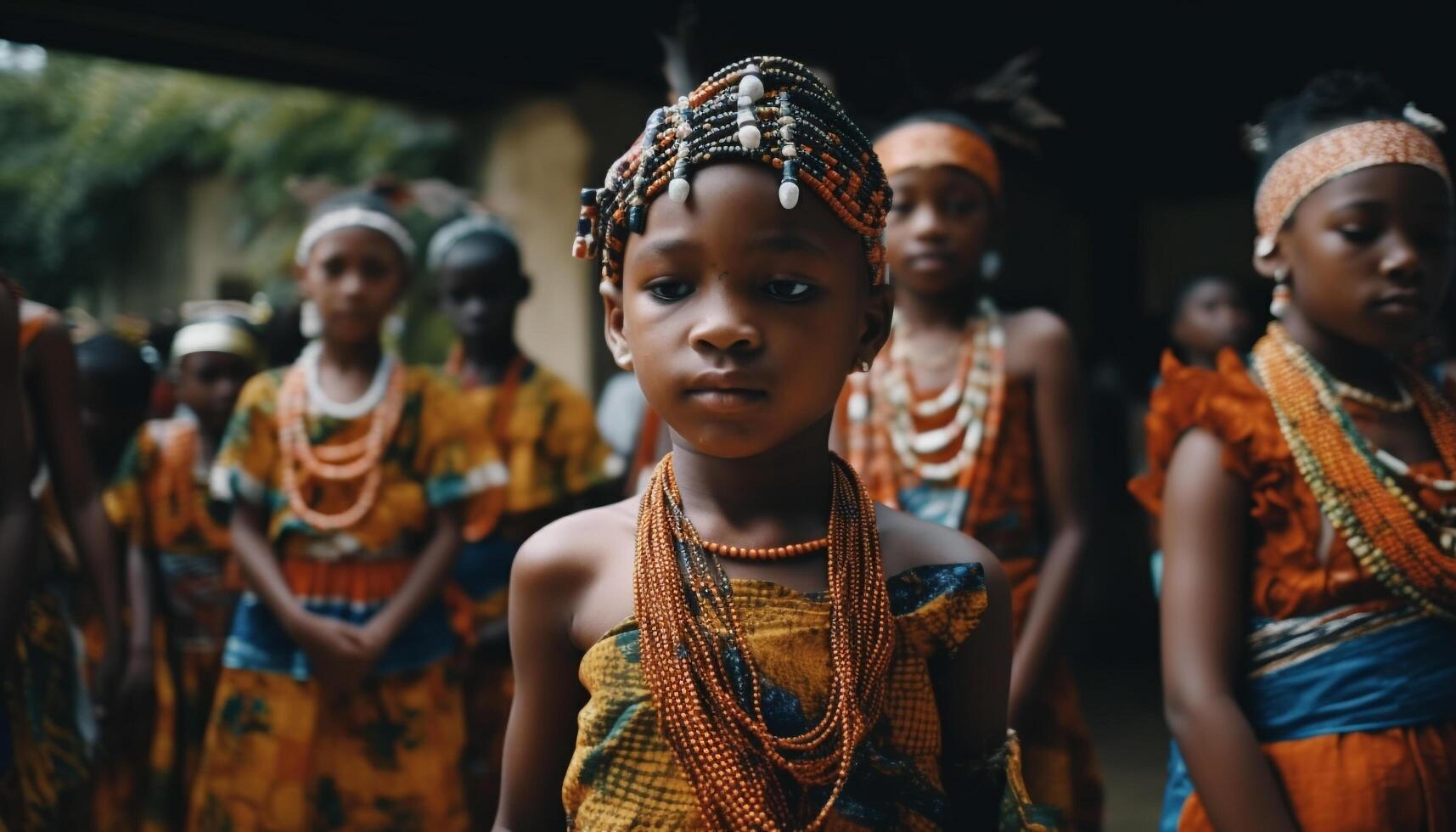
On the morning of June 16, thousands of students from schools across Soweto gathered. They came in uniform, neat and proud. Many had never participated in a protest before. But they were not ignorant. They were conscious, angry, and determined.
Among them was 13-year-old Hector Pieterson, whose image would become the eternal face of the day. As the protest swelled, police opened fire. Chaos erupted. Children scattered. Some were shot in the back. Hector was among them, fatally wounded. His body, cradled by Mbuyisa Makhubo and flanked by Hector’s sister
Antoinette Sithole, became an icon of resistance.
The photo taken by Sam Nzima seared into the global conscience. It captured not only the brutality of the regime but also the moral clarity of the struggle. The world could no longer look away.

The Day After the Fire
More than 500 young people would die in the weeks of unrest that followed. Thousands were injured. The township burned with both grief and fury. The government tried to clamp down. But something irreversible had occurred. The children had pierced the veil. They had ignited a fire that would eventually consume
the edifice of apartheid.
June 16 became a rallying cry.
The exiled liberation movements gained fresh recruits. The ANC, PAC, and others absorbed a new generation of freedom fighters. Many who marched that day would go on to become cadres in Umkhonto we Sizwe and other liberation armies. Others would become poets, teachers, nurses, parents, forever changed by what they had
seen.

Remembering With Purpose
Almost five decades later, we still commemorate June 16. But we must ask ourselves: how? Do we remember merely through wreath-laying and speeches, or do we live the ideals the children died for? When we see black children still struggling in broken schools, denied decent libraries, safe classrooms, and inspired teachers, what do we really remember?
What would Hector think today, if he walked through a township school with no electricity, pit latrines, and outdated textbooks?
We often speak of the bravery of the youth. But bravery alone is not their legacy. Their struggle was for dignity, for opportunity, for justice. To truly honour them, we must extend that legacy into our policies, our classrooms, our neighbourhoods, and our national conscience.

The Inheritance of Fire
The youth of 1976 were not saints. They were not uniform in ideology. They debated, argued, challenged each other. Some were Black Consciousness adherents, others leaned towards African nationalism or Marxist traditions. But they were united by something larger than doctrine: a refusal to submit.
That spirit is needed today, as inequality metastasizes in new forms. The children of 2025 face challenges the youth of 1976 could scarcely imagine: climate catastrophe, mental health crises, structural unemployment, and the ongoing digital divide.
But they also inherit a flame, a spirit of resistance and renewal. That inheritance is not static. It demands reimagining. To protest today may mean coding, organizing, writing, voting, resisting disinformation, building green economies, and standing in solidarity with others across the globe.

Intergenerational Memory
June 16 is not a “black holiday.“ It is not only a township memory. It is South Africa’s reckoning. Just as Sharpeville spoke to the conscience of a generation, June 16 speaks to ours.
We must teach it fully, not sanitized. Not diluted. It must be taught in rural schools, suburban schools, private schools. Not merely as a tragedy, but as a triumph of youth agency. It must challenge us, make us uncomfortable, and force us to confront what remains unfinished.

Closing the Circle
The children marched because they wanted to learn. They died because they demanded the right to think freely. Their struggle is not over. Until every child in this country can walk into a classroom without fear, without
hunger, without shame, June 16 remains an open wound.
But it is also a torch.
Let us lift it high.
Let the children of 1976 not be remembered in silence, but in action. In vision. In transformation.
As one student leader once said:
“We may be young, but we are not too young to see injustice. We are not too young to dream. And we are not too young to die.”








One Response