Politics often rewards preparation more than passion. For the fragmented opposition in Zimbabwe, the prospect of two additional years before the next general election, through Constitutional Amendment No. 3, may not be the setback it is currently portrayed to be. Instead, it could provide the breathing space the opposition desperately needs to regroup, rebuild structures, reconnect with voters, and rethink a strategy that has repeatedly failed to deliver the presidency.
The Numbers: A Story of Potential and Weakness
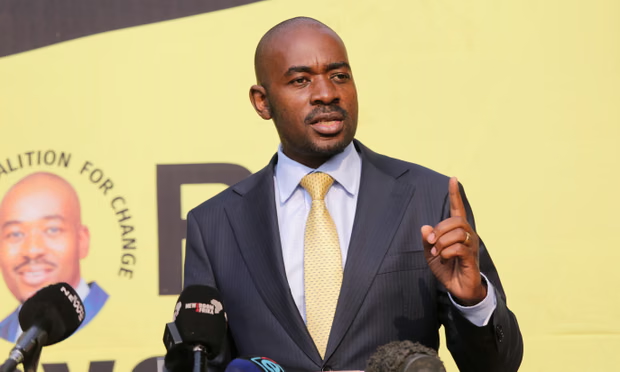
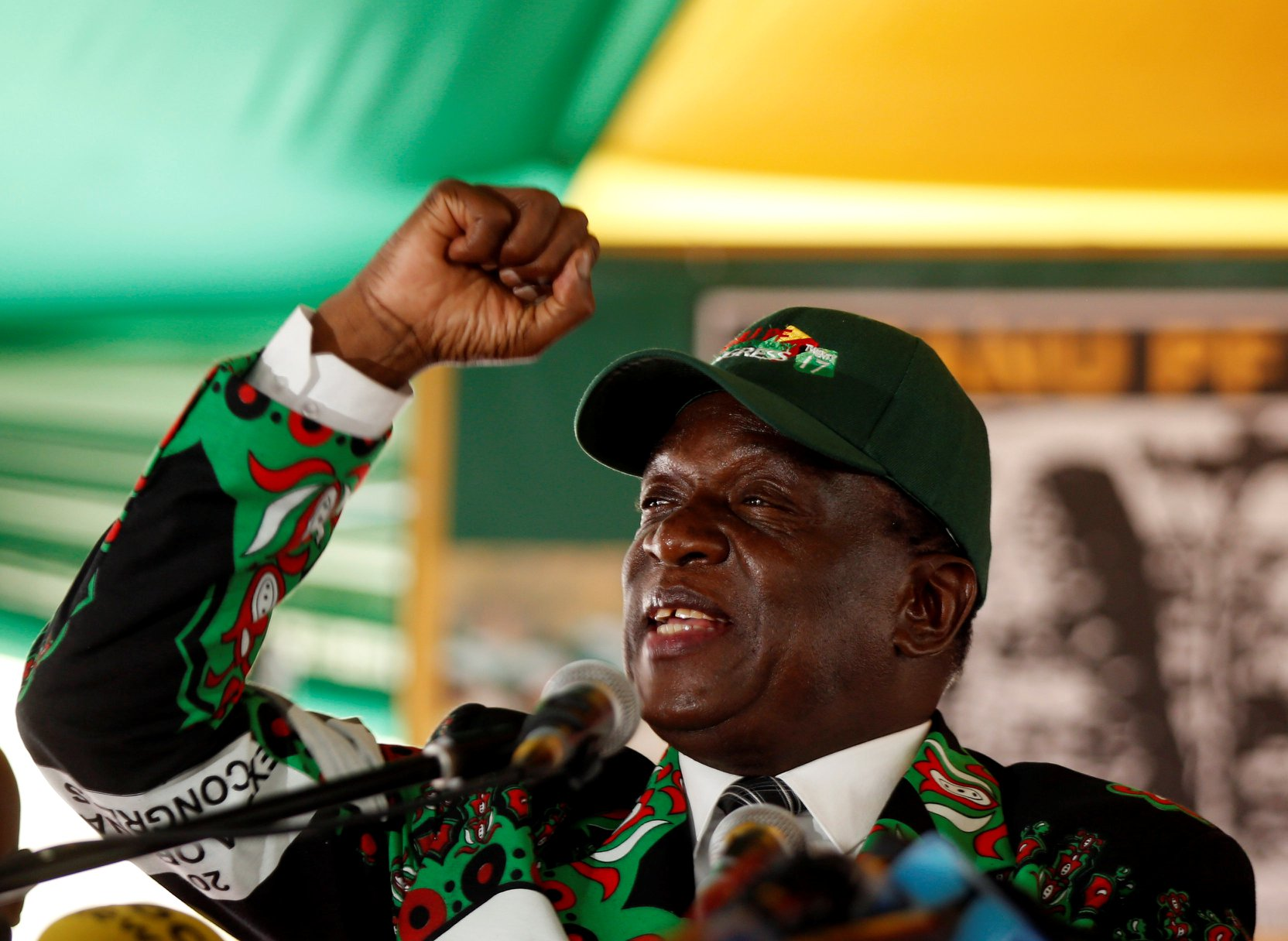
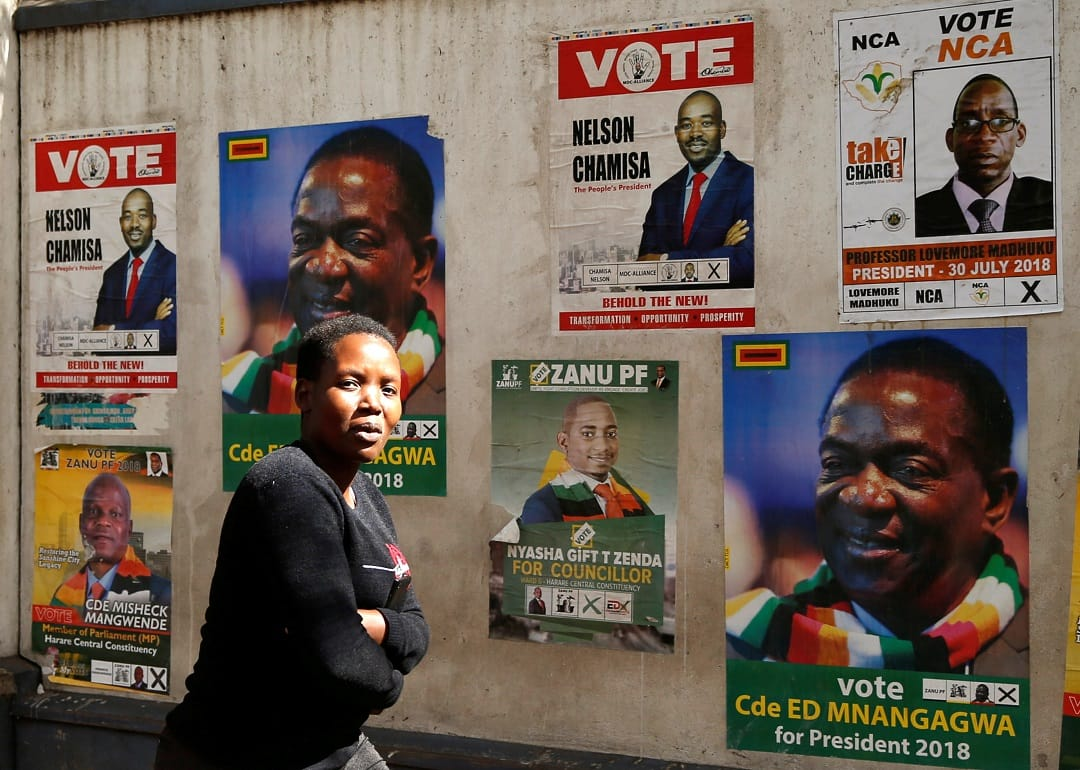
The results of the 2023 Zimbabwean general election offer a stark reminder of both the opposition’s potential and its weaknesses. Incumbent President Emmerson Mnangagwa secured 2,350,711 votes (52.6%), while opposition candidate Nelson Chamisa obtained 1,967,343 votes (44%). Turnout stood at 68.9% of the 6.6 million registered voters, demonstrating that Zimbabweans are still willing to participate in elections despite growing cynicism.
In Parliament, the ruling Zimbabwe African National Union Patriotic Front (ZANU PF) retained dominance with 137 of the 210 constituency seats, while the opposition Citizens Coalition for Change (CCC) secured 73 seats, largely concentrated in urban areas. These figures tell two stories at once. On the one hand, the opposition still commands millions of votes. On the other hand, it has consistently failed to convert that support into national power.
The Structural Vacuum
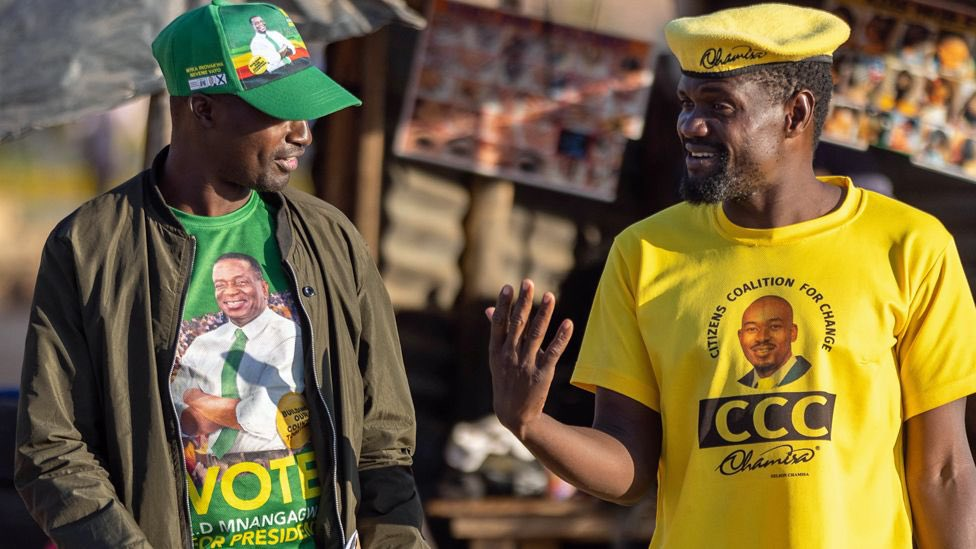
Part of the explanation lies in how the opposition has organised itself, or, more accurately, failed to do so. Ahead of the 2023 elections, the political movement led by Chamisa deliberately avoided building formal party structures, arguing that structures were susceptible to infiltration.
While the strategy may have been intended to protect the party, it also meant that the opposition entered a national election without a clear understanding of its grassroots base, without ward-level organisational capacity, and without reliable data about where its voters were concentrated. In practical terms, the party struggled to mobilise effectively in rural constituencies where elections are often decided.
The consequences were predictable. Urban centres rallied behind the opposition, but vast rural regions remained firmly in the ruling party’s hands. The absence of structures meant that the opposition could not fully translate its popularity into electoral reach.
Fragmentation and Apathy
Compounding this weakness has been fragmentation. Over the years, the opposition has splintered into multiple formations, often competing with one another rather than confronting the ruling party. Today, even in opposing Constitutional Amendment 3, actors speak from different silos. They articulate similar grievances but fail to coordinate strategy or messaging.
If this fragmentation persists into the next election cycle, the outcome is predictable: a divided opposition that splits the vote and hands-down victory to the incumbent. In this context, the two-year extension potentially introduced by Constitutional Amendment 3 could serve as a strategic reset. Time, in politics, is often the most valuable currency. Two years would allow opposition parties to build genuine structures, from ward to district to national level, while mapping their support base and identifying potential growth areas.
It would also provide an opportunity to rebuild trust with voters. The aftermath of the 2023 elections, combined with internal disputes and recalls of opposition legislators, has left many supporters disillusioned. In several by-elections since then, turnout has been strikingly low. In one ward election, only about one-third of registered voters participated, a clear sign of voter apathy. Such disengagement should alarm the opposition more than it does the ruling party; voter apathy historically hurts challengers more than incumbents.
A New Strategic Mandate
Another factor shaping the political landscape is the emergence of new players. Smaller parties and independent candidates continue to appear on the electoral scene, potentially further fragmenting the anti-incumbent vote. If multiple opposition candidates compete for the Presidency in 2028, even modest vote splitting could once again deliver victory to the ruling party.
Consider the mathematics. In 2023, Chamisa’s 44% share came within striking distance of victory but still fell short of the majority required to win outright. If even 5% to 10% of opposition-leaning voters were distributed among several smaller candidates in a future election, the ruling party could comfortably retain power even if its own vote share declines.
That is why the structural provisions and timing implications of Constitutional Amendment 3 deserve careful consideration from the opposition. The amendment could indirectly create conditions in which parliamentary strength becomes as important as the presidential race.
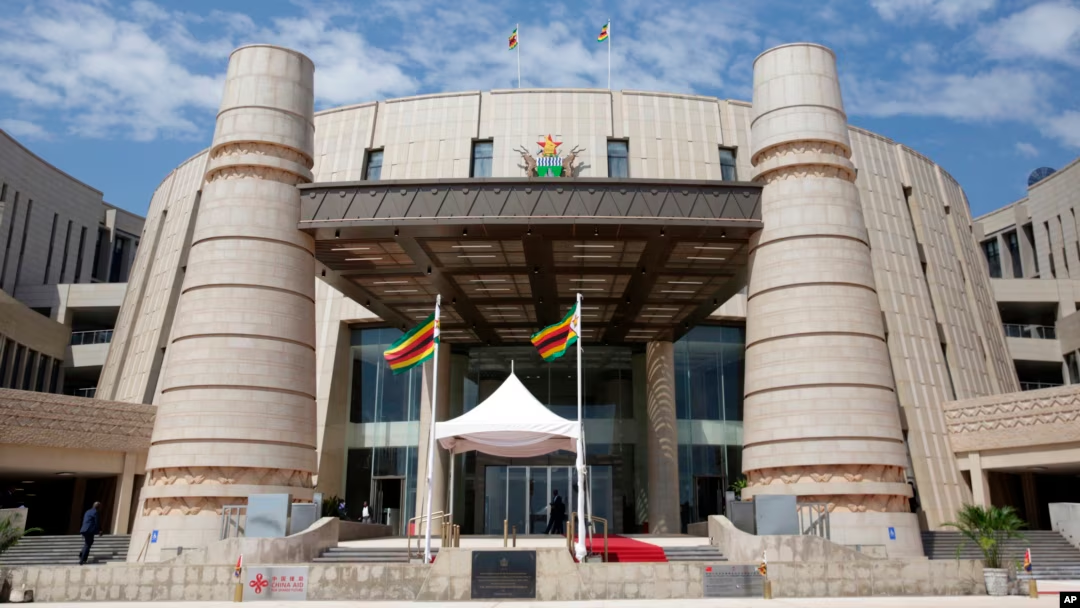
The new electoral system compels candidates to build strong structures at both the council and parliamentary levels. This is a necessary condition for gaining a legitimate mandate and ensuring effective governance. While the notion of Parliament being the centre for electing the President may be viewed by some as disenfranchising the electorate, it in fact encourages political parties to invest in building genuine support on the ground. In such a system, whoever commands a parliamentary majority does so because they have secured broad-based backing through organised structures and grassroots engagement.
If the opposition were to focus on securing a parliamentary majority, something within reach given its strong urban support, it could break the long-standing presidential dry spell that has defined opposition politics in Zimbabwe. For decades, the opposition has pursued the presidency through an electoral system that has consistently worked against it. From the days of Morgan Tsvangirai to the more recent campaigns of Chamisa, the pattern has remained the same: strong urban support, significant national vote share, but insufficient institutional leverage to capture the presidency.
A Test of Maturity
Breaking that cycle will require a new strategy, one that prioritises organisation, coalition-building, and parliamentary strength. The threats facing the opposition are real political violence, uneven electoral conditions, and institutional bias, which have long shaped Zimbabwean elections. Yet internal weaknesses and inconsistent strategy have often amplified those challenges.
In that sense, the opposition’s response to Constitutional Amendment 3 will be more than a policy position; it will be a test of political maturity. If opposition parties approach the amendment with unity and a clear plan, they could signal to voters that they are ready to govern. If they continue to respond from separate silos, they risk reinforcing the perception that they are not yet prepared for national leadership.
Two years can be a delay. But in politics, two years can also be the difference between perpetual opposition and the first real path to power.