In South Africa, the month of October specially spotlights the issue of health. October commemorates a number of health awareness days, including National Nutrition Week, National Stroke Week, World Mental Health Day, and National Breast Cancer Awareness Month.
Health is not merely a personal concern – it is a central aspect of national development, social development, and economic stability. The country’s health landscape is shaped by various complex intersections of historical, social, and economic factors, which influence the well-being of its citizens. Over 30 years since the advent of democracy, the nation still grapples with significant health challenges. According to the South African Human Rights Council, 82% of South Africans are largely dependent on public healthcare facilities. More strikingly, only 17% of the entire population have medical insurance.
In South Africa, the prevalence of infectious diseases such as HIV/AIDS and tuberculosis is overwhelming. According to the National Department of Health, approximately 7.5 million people are living with HIV, making it one of the highest prevalence rates across the world. Additionally, over 300 000 people across the nation are combatting tuberculosis, and this does not include various other diseases such as diabetes and hypertension (high blood pressure).
The ramifications of these various infections and diseases result in a complex national health crisis. For example, individuals with HIV are at a higher risk for tuberculosis, individuals with diabetes face a higher risk of abnormal blood pressure rates. Scenarios such as these deeply complicate treatment protocols and straining healthcare resources.
Healthcare access in South Africa is starkly divided between the public and private sectors, resulting in significant disparities. The public healthcare system, while providing essential services to the majority of the population, is critically under-resourced and overburdened. Various reports have shown that public health facilities frequently suffer from staff shortages, inadequate equipment, systemic corruption, and long waiting times, leading to the vastly diminished quality of care.
In contrast, the private healthcare sector, which serve a much smaller and wealthier segment of the population, offers higher quality services but at a significant cost. This divide leaves millions of citizens without adequate access to pertinent medical care, perpetuating health inequities that disproportionately affect low-income communities. As a result, many individuals delay seeking treatment until their conditions become critical, leading to poorer health outcomes.

The affordability of healthcare directly derives from the socioeconomic factors that impact individuals’ economic power, and thus, their access to quality healthcare facilities. Poverty, unemployment, equitable access, and education levels play a crucial role in determining health outcomes. However, according to the World Bank, over half of the entire South African populace lives in poverty. This directly restricts their access to nutritious food, clean water, safe housing, and adequate healthcare.
Moreover, education is a vital component to knowledge about health care. Those with lower educational attainment are not only less knowledgeable about healthcare access and facilities, but they are also oftentimes more likely to be manipulated by the healthcare systems that they contend with. Furthermore, this means that they have less knowledge on strategies for preventative healthcare measures, the extremities and fatalities of certain illnesses, and healthcare services available to them. This ultimately leads to higher rates of preventable diseases, and a greater rate of reliance on emergency services, rather than preventative measures.
In addition to physical health challenges, South Africans face an alarming rate of mental health crises. The World Health Organization (WHO) indicates that approximately one in three South Africans will experience mental illness in their lifetime. Despite this, mental health services remain largely underfunded, overlooked, and stigmatized. This not only leads to a culmination of various other illnesses, such as eating disorders, schizophrenia, and substance abuse disorders, but leads to countless people having to suffer in silence. The lack of mental health resources across our society is particularly concerning given the extreme rates of violence, trauma, and social unrest that occur on a daily basis.
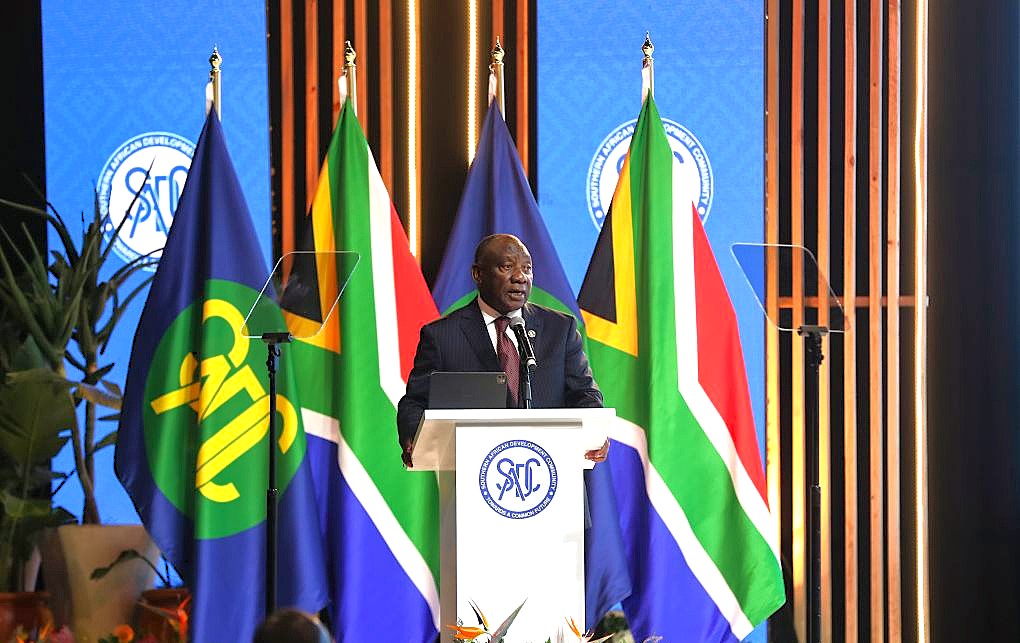
Effective physical and mental health care is essential, not only for individuals’ well-being but also for the overall stability of our communities. Increasing awareness and reducing stigma surrounding mental health issues are vital steps in addressing this crisis. Equitable healthcare in our national systems has also been addressed earlier this year, when President Ramaphosa introduced the National Health Insurance system, which aims to achieve universal health coverage by way of a government-ran centralised national insurance fund.
It is pertinent that strategies like these, driven by both the government and various non-governmental organizations (NGOs), are implemented as a way of addressing the unequal access to healthcare in our nation. We need to recognise societal challenges such as these and address them accordingly. A scheme such as the NHI, that aims to provide equitable access to quality healthcare for all citizens, regardless of their socioeconomic status, is vital in our current society.
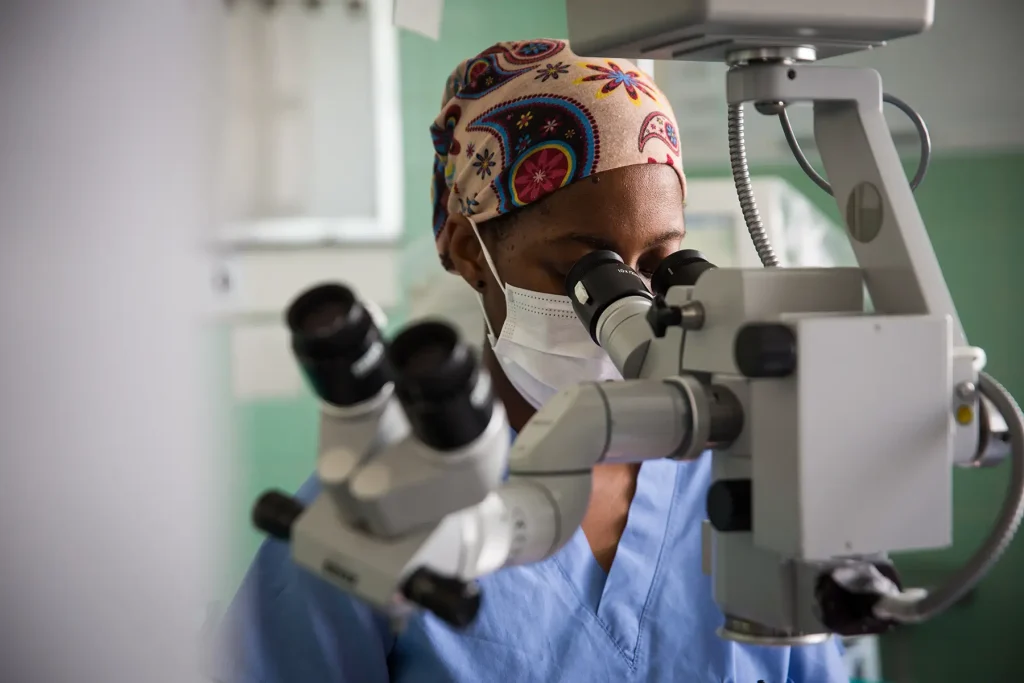
Prioritizing health is imperative for improving the quality of life across our society and fostering meaningful development. Healthcare for all people, regardless of gender, race, and socioeconomic status, is a right that is enshrined in, and bestowed by our national Constitution. It is abhorrent to live in a society where only the rich and wealthy reap the benefits of quality healthcare. For far too long, the majority of the citizens have faced an upward struggle in accessing equitable healthcare. Any measure necessary to redress this injustice is vital and should be implemented with haste.
Public health campaigns, educational initiatives, community engagement, and economic development are critical to overcoming the health crisis that plagues our nation. Addressing social determinants of health—such as poverty and education—will play a significant role in fostering better health outcomes. Investment in healthcare infrastructure, improved access to services, and a focus on preventive care are essential. The promotion of mental health awareness and services in primary healthcare is crucial to reducing stigmatisation and providing meaningful support for those who need it.
The importance of health in South Africa extends beyond individual well-being; it is intertwined with the nation’s social and economic fabric. By prioritizing health as a principal component of national policy, South Africa can pave the way for a healthier, more equitable future, ultimately bolstering development and prosperity across our nation.