By Gao Jian
The recent Forum on China-Africa Cooperation preludes a new chapter on the relationship between China and African countries. President Xi makes a definitely proposal for the elevation of relations with the rarified term “all-weather community of shared future” in the new era. In consideration of such a time of once-in-a-century change characterized by the rise of Global South, China-Africa relations is invested with enormous significance in many ways.
For more than one century, the path to modernization has been monopolized by the west not only materialistically but ideologically. Westernization, or Americanization in the other term, is recommended as the only legitimate choice for any country in pursuit of the road to modernization. However, the success of Chinese modernization breaks the spell and paves out sufficient space for Global South countries to reconsider our own appropriate road to modernization in response to our social reality. While general rules for modernity shall be fully respected, the specific social characteristics shall be equally highlighted. Such an innovative perception ensures diversity and inclusiveness in our drive for the shared common future. As a platform for governance experience sharing, the China-Africa knowledge network for development sets an example for Global South countries to follow. An awakening Africa, in light of AU’s Agenda 2063, is winning itself a golden opportunity to shake off the shackles of colonization.
However, thoughts and ideas are insufficient although indispensable. The development of manufacture industry is more than necessary for the take-off of African economy. As a part of the general rules of modernization in such a time of globalization, African countries must secure themselves in the industrial chain of global trade. In this sense, three questions shall be fully considered: how is Africa going to participate into the industry chain of world trade so as to develop its own fundamental industry? How to combine the related African countries as a whole and create the economic circle so as to build up a self-recycle economic system? How to ride China’s economic train and realize African economic growth by cooperation on the mutual benefits?
The Partnership Action for Trade Prosperity and Industrial Chain Cooperation proposed in the recent FOCAC has declared a very clear answer: Zero-tariff treatment for 100 percent tariff lines demonstrate China’s strong determination to boost an equalized globalization with its big market opportunity. How to foster industry cooperation growth clusters between China and Africa remains at the core of the vigorous bilateral relations. For the African Continental Free Trade Area, infrastructure logistics financial cooperation for the benefit of trans-regional development in Africa is always the pet project. Global Development Initiative launched by President Xi takes its form not only in grand program but in “small and beautiful” livelihood projects. These significant and pioneering actions makes “all-weather community of shared future” visible and tangible.
Technological revolution and industrial transformation shall not be the privilege or exclusive right only for the developed economy. However, what Africa needs is a practicable and accessible roadmap. Compared with the primary economic cooperation, a digital technology cooperation center and 20 digital demonstration projects is more experimental than conspicuous. However, eco-friendly modernization has been sufficiently highlighted since green development is the “hallmark” of modernization.
With its leading technology and product capacity in green industry, China shall undoubtedly play a significant role helping to expedite the Africa building of “green growth”. On the other hand, in order to take a protective stance for the Africa economy, China calls for the principle of “common but differentiated responsibilities”. In the battle against the global climate change, the developed countries tend to impose their standards and measures upon the Global South countries with promises to share the responsibility by financial investment with affiliated terms. For a lot of circumstances, it is unrealistic and ineffective. As a leading country on behalf of Global South, China voluntarily calls for the inclusive and equitable globalization in defense of the interests of Global South.
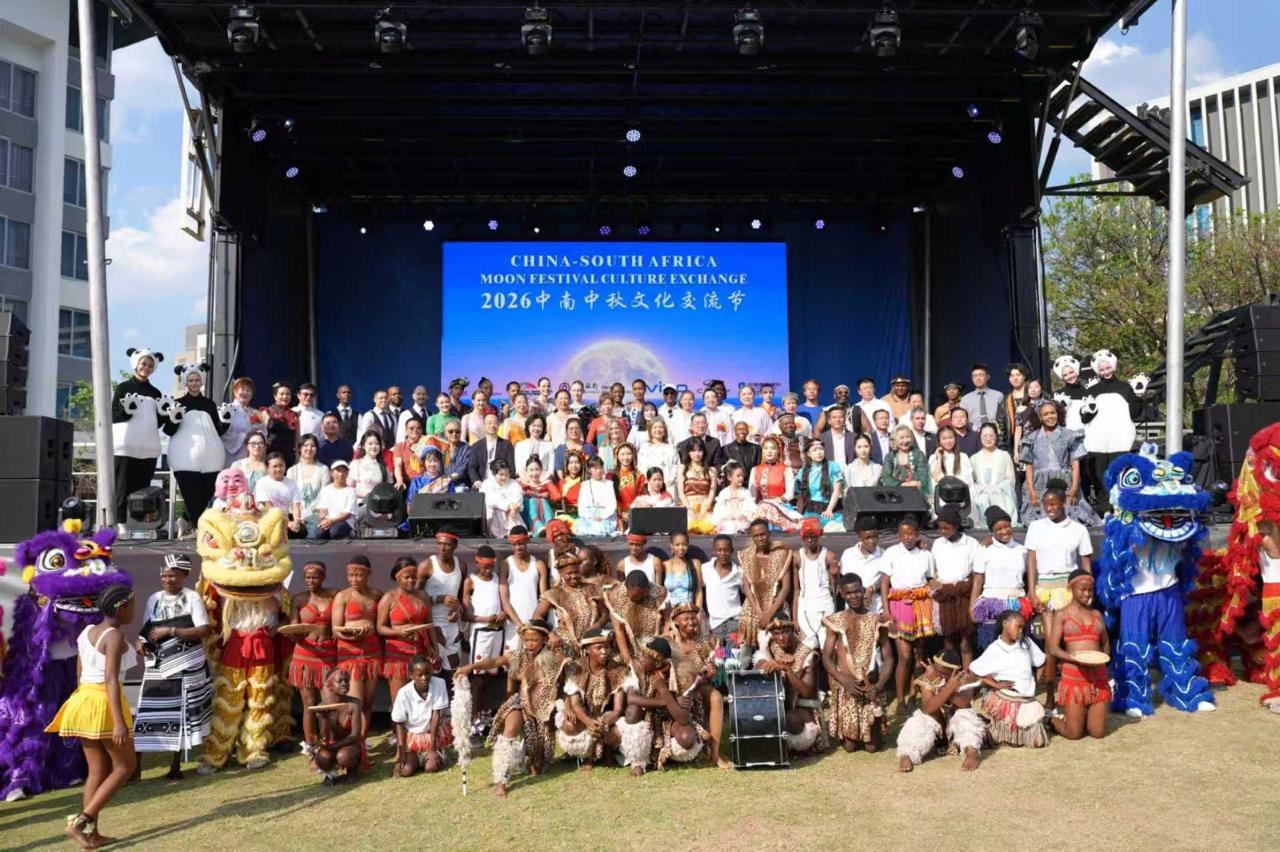
It is more than an urgent task for China, Africa and all the Global countries to enhance the mutual acknowledgement and basic knowledge of each other in catering for the further comprehensive cooperation. Due to the historical factor of colonization, African countries are largely in the shadow of white-supremacy culture. Despite of the awakening of African culture identity, most African countries still need mind-set adjusting to the once-in-a-century change. For African countries, China has been taken as an economic super-power. However, the mutual acknowledgement in the cultural sense will account for a more consolidated foundation. 60,000 training opportunities mainly to African women and youths and the diversified channels of communication for People-to-People exchange aims at the future.
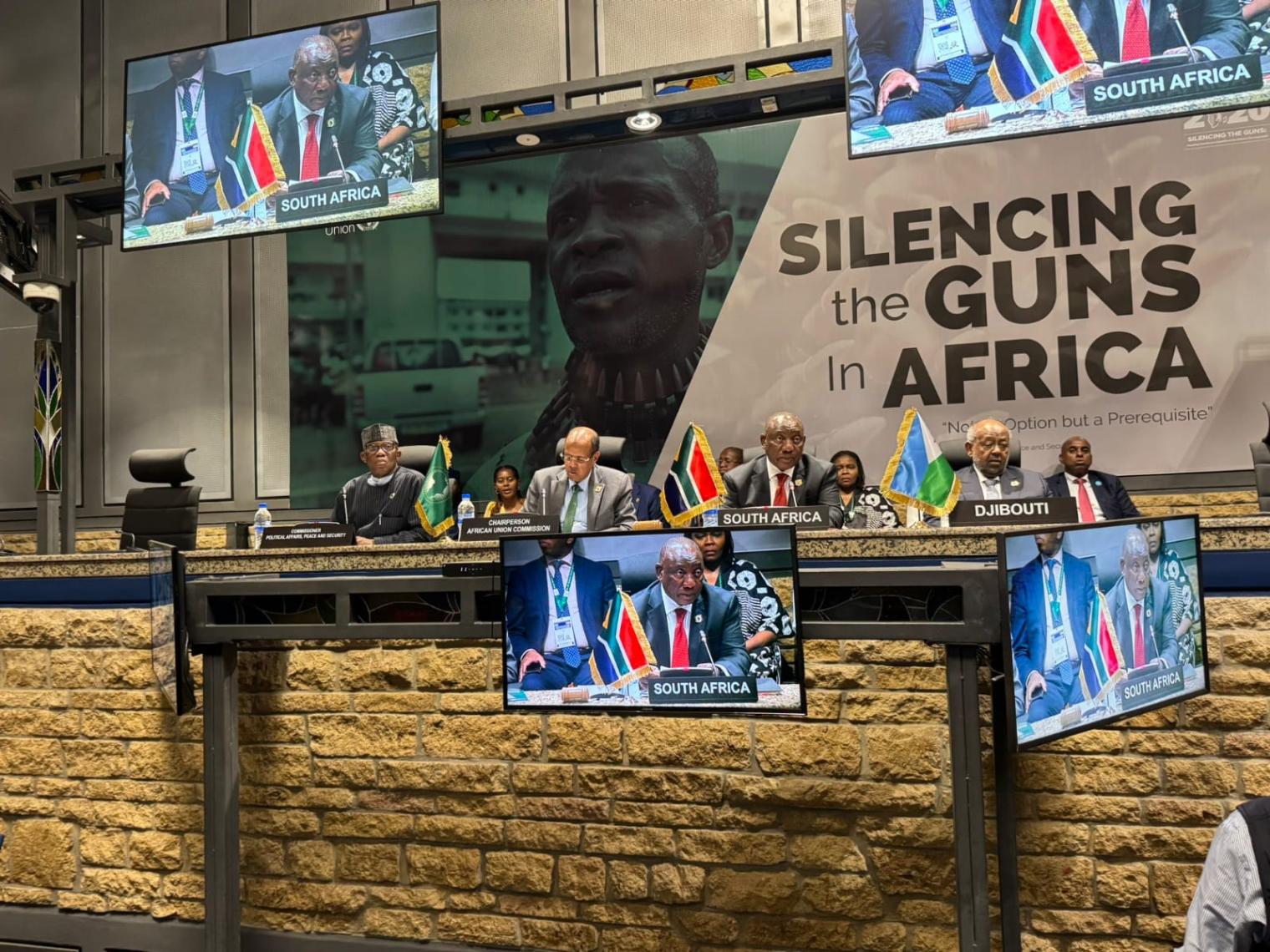
Some powers in the world are not competent in constructing but capable of destroying. African modernization that fails to be underpinned by peace and security has proven to be of short-term prosperity. The peaceful and stable environment must be a guarantee. China’s promise to prioritize Africa in implementing the Global Security Initiative (GSI) opens much room of imagination for the cooperation in peace and security. As China has already developed into a global presence, the elevation in security cooperation is equally at its oversea interests.
After the Second World War, the colonial system collapsed. The 1955 Bandung Conference advocated the spirit of unity, friendship and cooperation. In 1960s, the Non-Aligned Movement adopted the Five Principles of Peaceful Coexistence as its guiding principles. However, the 20th century world was largely engulfed in the hegemonic principle that “might makes right”. In today’s world, the developing countries, with China as a representative, has been well acknowledged as an important participant in the world order with our rapid growth in comprehensive national strength. The world is in desperate need of a fairer, more inclusive and well balanced new order, for which China-Africa comprehensive cooperation will make a unique and lasting contribution.
Gao Jian is a Professor of Shanghai International Studies University, and a Non-resident Researcher of Beijing Club at China Public Diplomacy Association