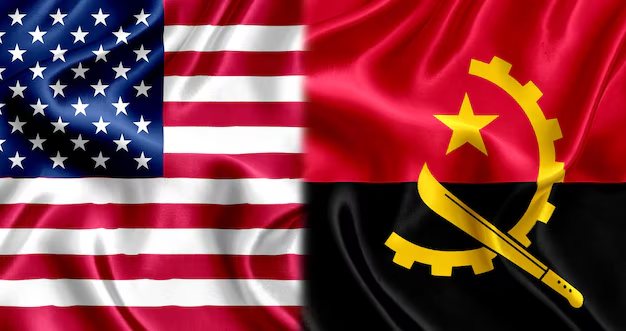
Right at the tail-end of his chequered presidency, out-going US President Joe Biden is visiting Angola in the SADC region not only to bolster bilateral ties between Washington and Luanda, but also – we learn – to counter China’s rising influence and impact in Africa.
Among his key offerings on the table, President Biden has promised to erect hundreds of kilometres railway infrastructure that would improve Angola’s public transport system.
Angola, together with the continent’s most populous nation Nigeria, are Africa’s foremost oil-producing nations and jointly account for the bulk majority of Washington’s total trade with Africa.
It remains unclear as to how binding any agreement President Biden enters into with Angola will be. From January 20, 2025 Republican President-elect Donald Trump will be in the White House. However, Trump’s Africa policy remains unclear. Judging by his previous tenure, Africa was way below Trump’s pecking order of foreign policy priorities.
In the highly likely possibility that the Trump administration will not be bound by his predecessor’s dubious African safari, it looks a lot more that President Biden’s Africa trip has much to do with the creation of his legacy than genuine bilateral engagements with a strategic partner.
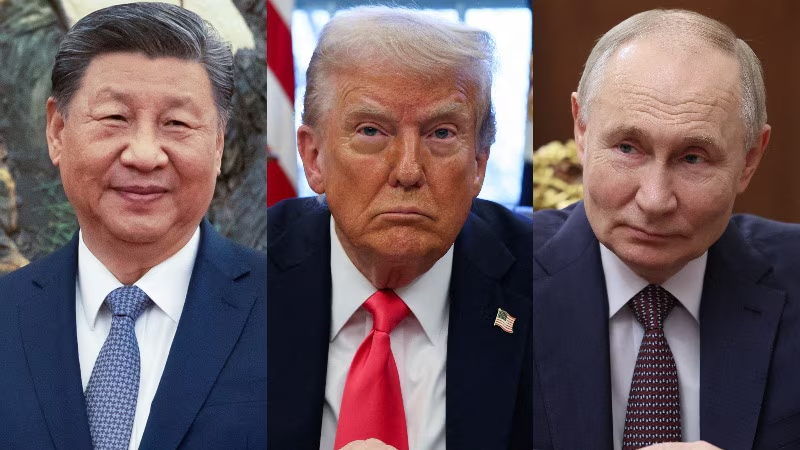
As for China, the country’s Road and Belt Initiative (RBI) have long taken root in Africa’s development and multilateralism. Based on the win-win notion of a shared future, Chinese President Xi Jinping has used China’s status as the world’s second largest economy to contribute toward the South-South cooperation and the reconfiguration of the international world order.
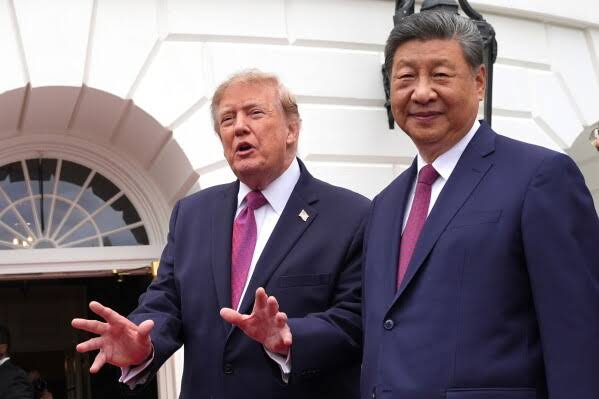
The one area of convergence between the out-going and in-coming US presidents is their dim view of China’s economic rise and geopolitical impact across the Global South.