Israel’s decision to recognise Somaliland as an independent state is not diplomacy. It is disruption that is deliberate, calculated, and dangerous. It undermines African sovereignty, weakens an already fragile region, and sends a clear message that Africa’s borders can still be reshaped from the outside when it suits powerful interests.
This move is being dressed up as something that is practical. But truly speaking, it is not.
Somaliland has been relatively peaceful for more than three decades. It has built institutions, held elections, and governed itself while the rest of Somalia endured state collapse, civil war, and extremism. These facts are real and should be acknowledged. But they do not give any external power the right to redraw Africa’s political map. Recognition is not a development award. It is a political act with regional consequences — and Israel has chosen to act alone, recklessly, and without African consent.

Africa learned a painful lesson after independence, that reopening borders leads to instability, not justice. That is why African states committed to preserving inherited borders — not because they are perfect, but because the alternative is endless fragmentation. Israel’s recognition of Somaliland punches a hole in that hard-won consensus and risks unleashing forces Africa has spent decades trying to contain.
The damage will be immediate. Somalia is still fighting for survival. It faces a brutal insurgency from al-Shabab, weak institutions, humanitarian crises, and deep political fractures. Undermining Somalia’s territorial integrity at this moment is not neutral. It weakens the state, emboldens spoilers, and hands extremist groups an opportunity to exploit division. A fractured Somalia does not become safer, but it becomesa wider security threat to the Horn of Africa and beyond.

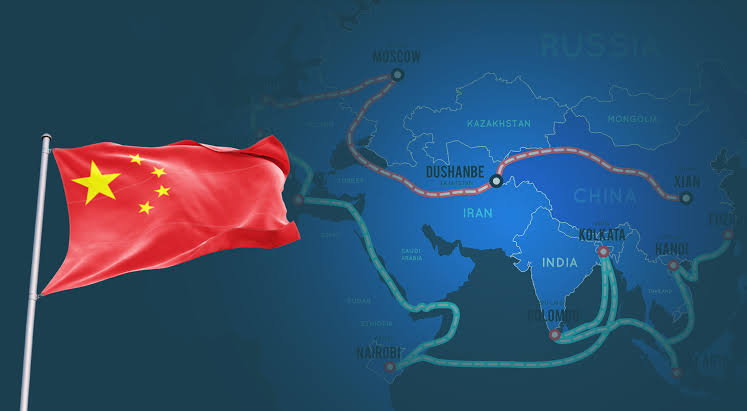
Let us be clear about the motives. Somaliland sits on one of the world’s most strategic coastlines, along the Gulf of Aden and near the Red Sea — a vital route for global trade and security. In an era of intensifying global conflict and power competition, access matters. Influence matters. But strategic interest does not equal moral authority. Geopolitics does not grant a license to destabilise a region already under strain.
What makes this move especially troubling is the way Africa was sidelined. The African Union was ignored. Regional bodies were ignored. No mediation. No consensus. No African-led process. Once again, decisions about Africa’s political future were made elsewhere, with African institutions treated as optional observers rather than central actors.
This is not just an African problem. It exposes a wider global hypocrisy. Territorial integrity is defended loudly in some conflicts and quietly discarded in others. Self-determination is praised when it aligns with powerful interests and dismissed when it does not. International law becomes flexible, selective, and political. That erosion of principle weakens the global order — and Africa consistently pays the price.

But anger alone is not enough. This moment demands clarity and action.
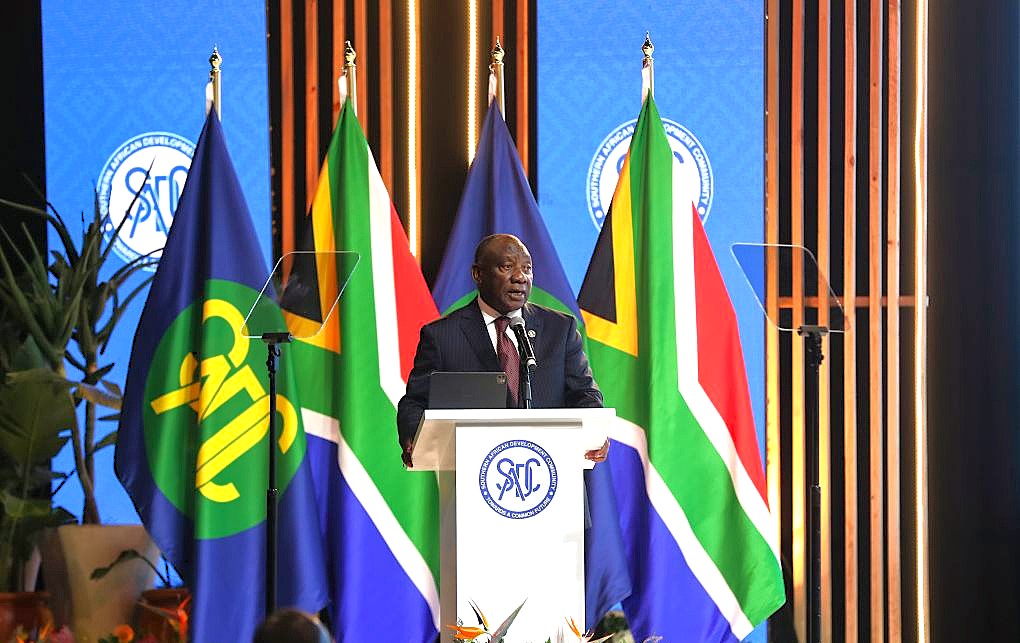
First, Africa must respond collectively. The African Union must unequivocally reject Israel’s unilateral recognition and make it clear that Africa’s borders are not open to external revision. Silence or hesitation will only invite repetition.
Second, Somalia must act with urgency and seriousness. Diplomatic protest must be matched by domestic reform. Sovereignty cannot be defended abroad if it is hollow at home. Stronger governance, security, and inclusion are not optional — they are the foundation of unity.
Third, Somaliland’s future must be addressed honestly, not ignored or rushed. Its grievances and achievements are real. But its status must be resolved through negotiation, not geopolitical shortcuts. Enhanced autonomy, economic engagement, and structured dialogue offer a path forward without detonating regional stability.

Finally, Israel — and any external power watching — must hear this clearly: engagement with Africa requires respect for African processes. Strategic ambition does not excuse unilateral interference. If partnerships are to mean anything, they must be built through cooperation, not provocation.
This is a defining moment. Accept this move, and Africa signals that its borders remain negotiable in global power games. Reject it firmly, and Africa asserts its right to decide its own political future.
This is not just about Somaliland.
It is about whether Africa’s sovereignty still matters.
The response must be united, loud, and unmistakable: Africa is not open for geopolitical experiments, and its future will not be decided elsewhere.