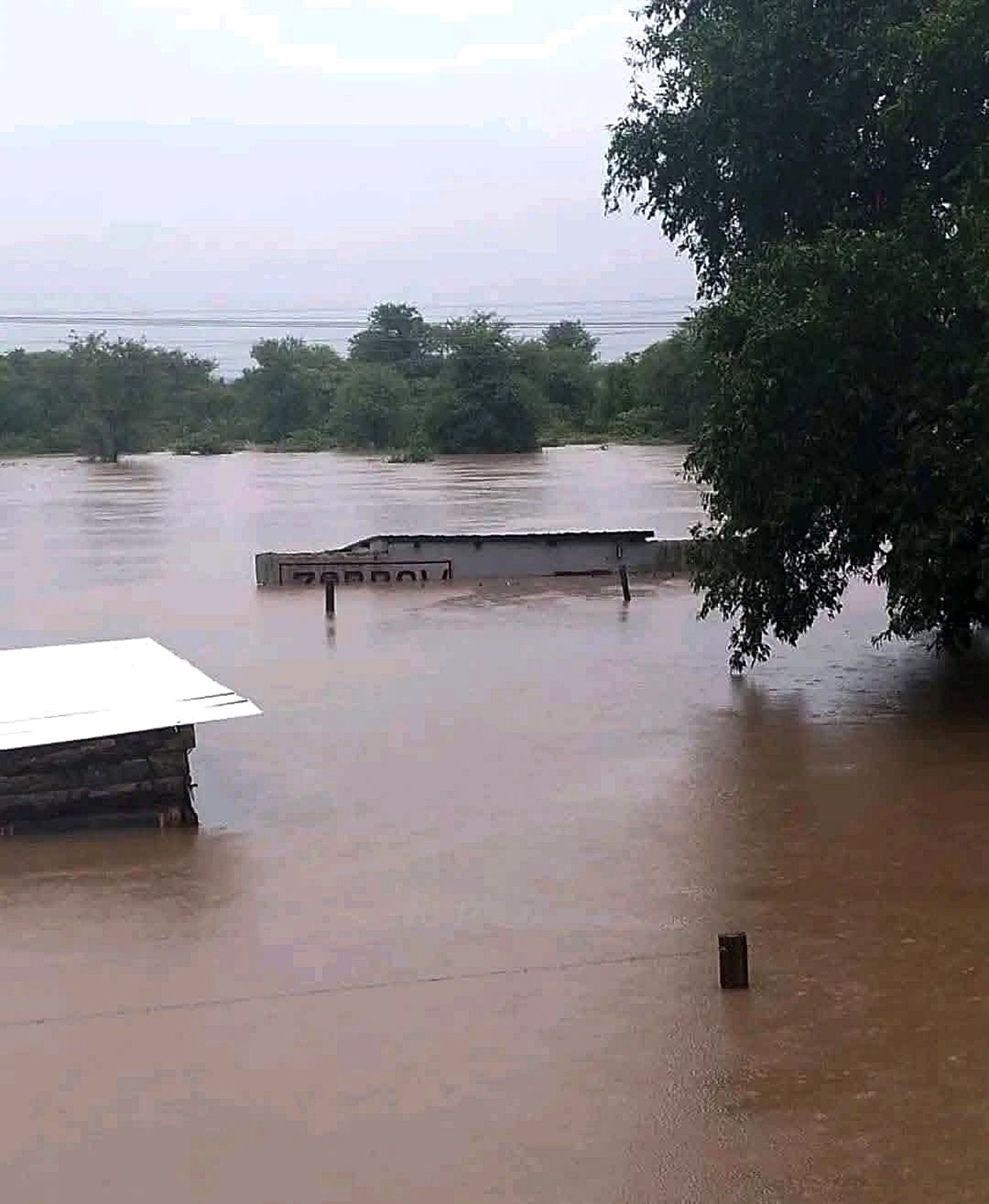
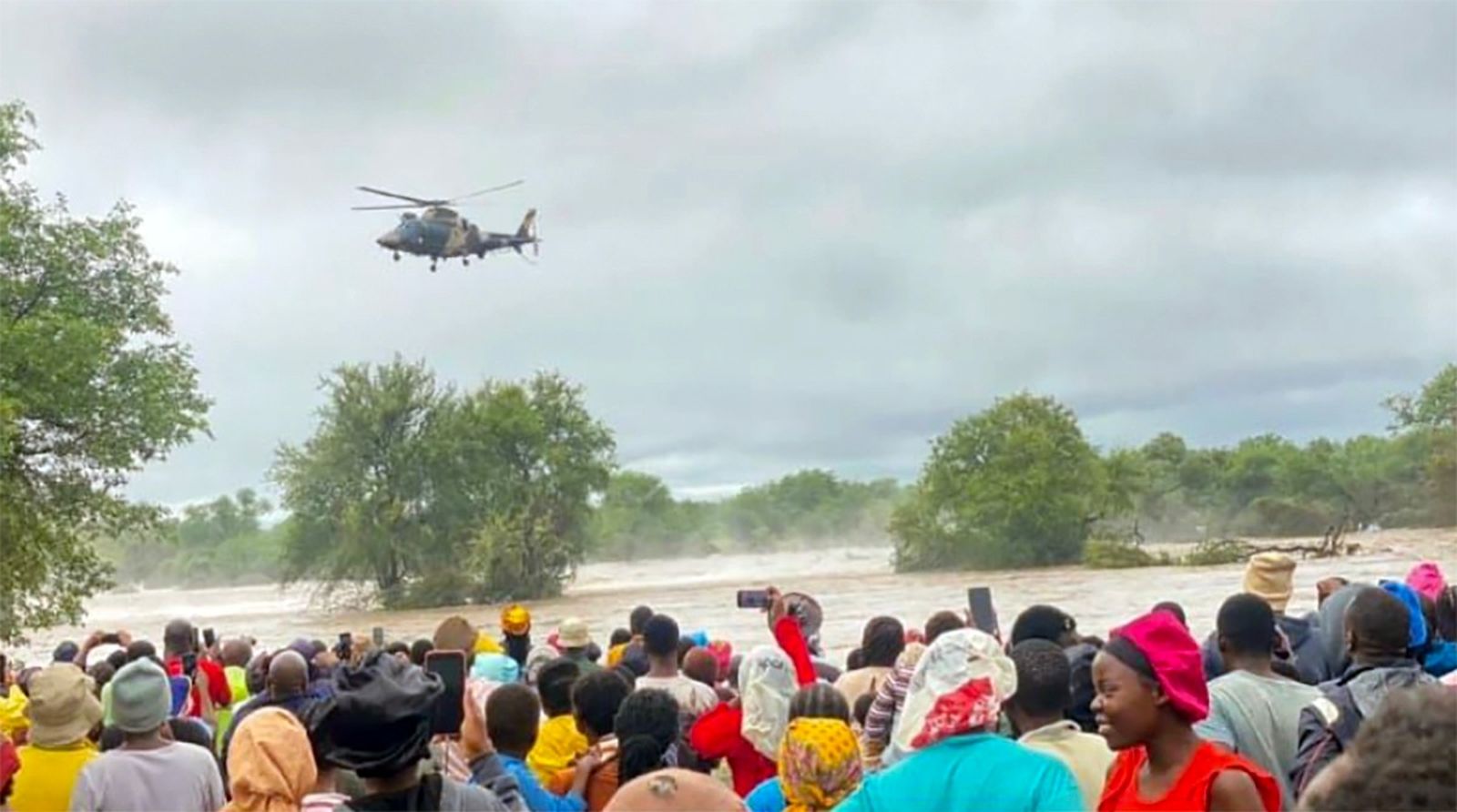
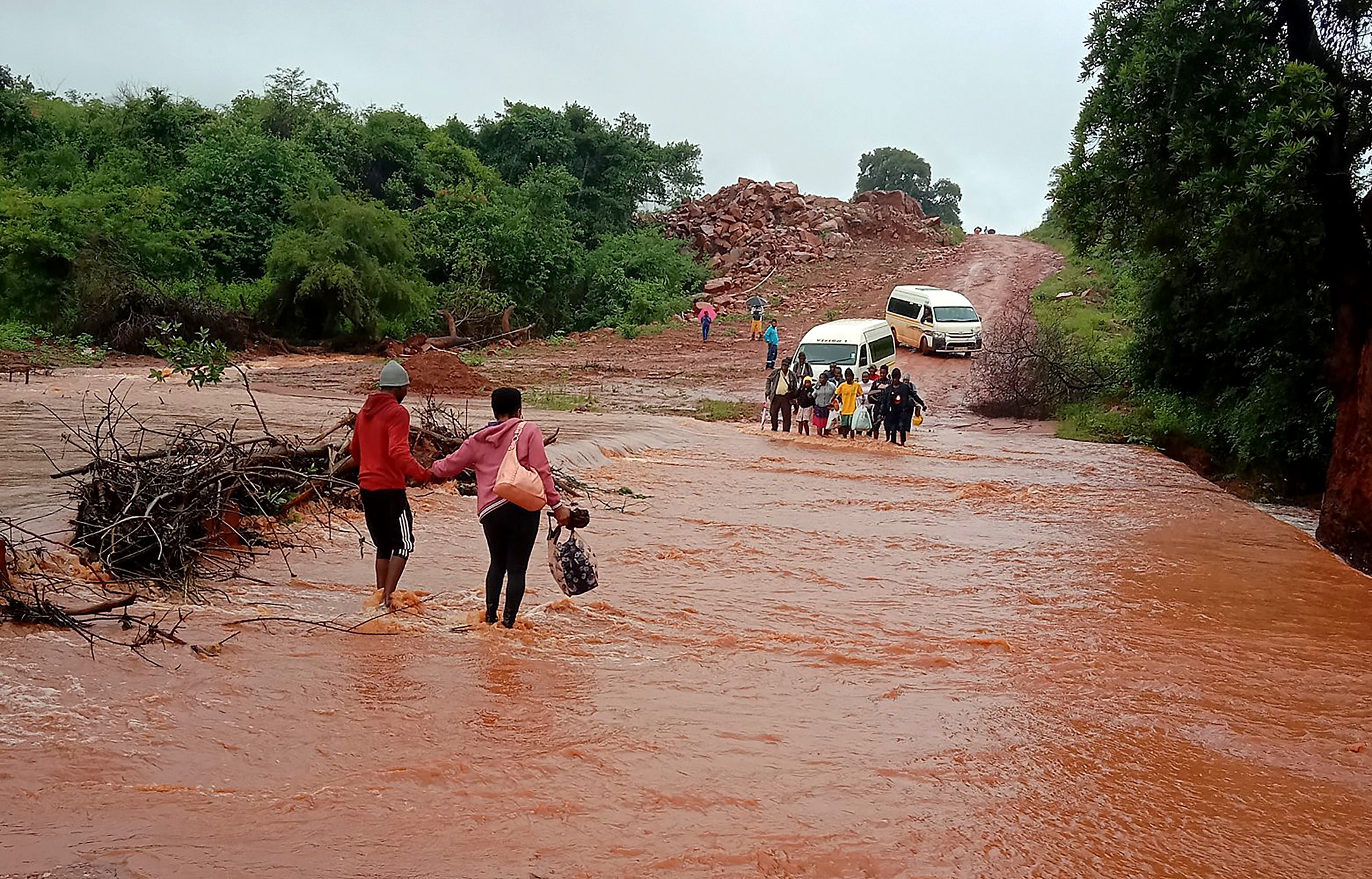
![Flooding in the Kruger National Park, which straddles Limpopo and Mpumalanga. [Image: Inside Metros]](https://gsmn.co.za/wp-content/uploads/2026/01/flooding-.jpg)
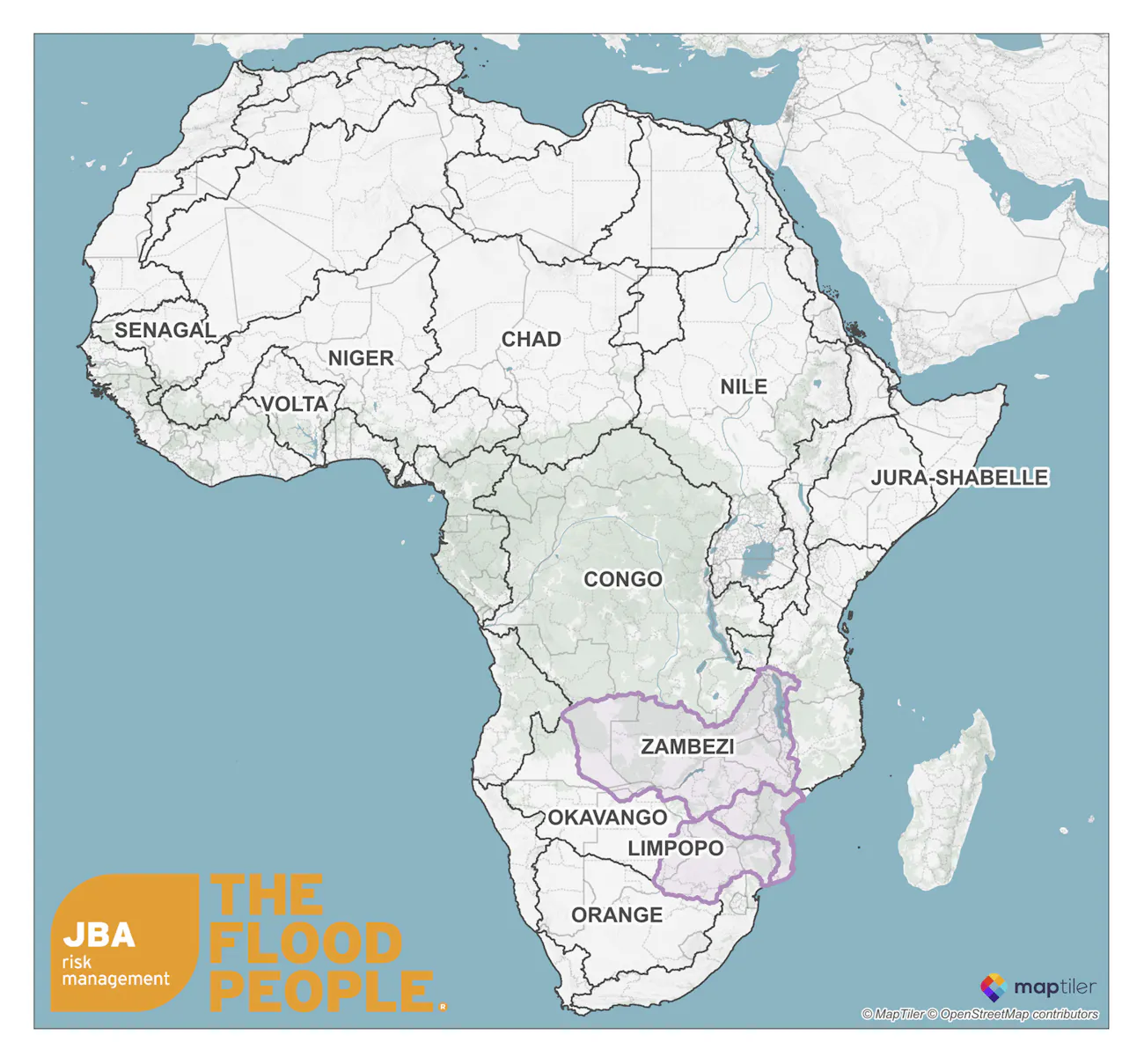
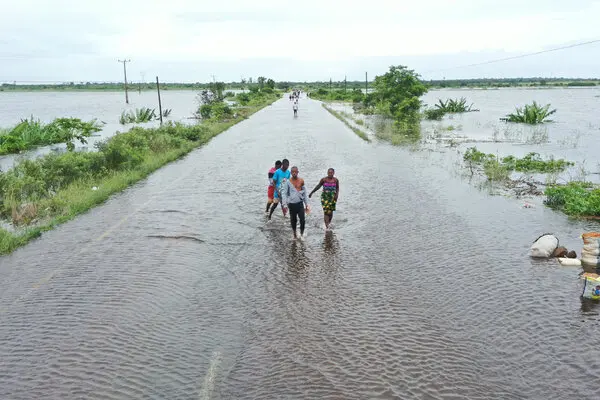
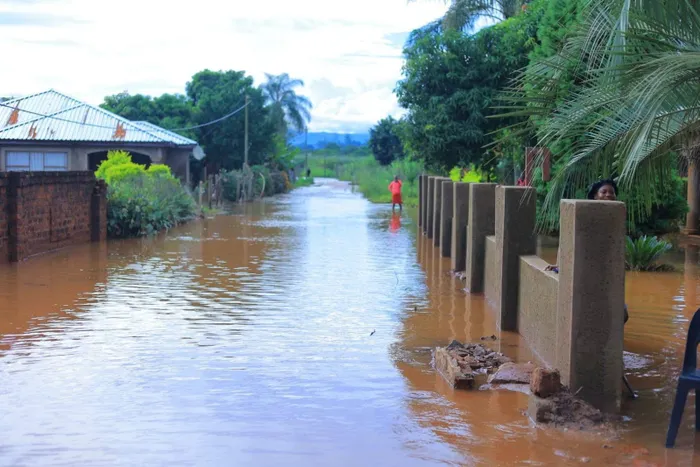
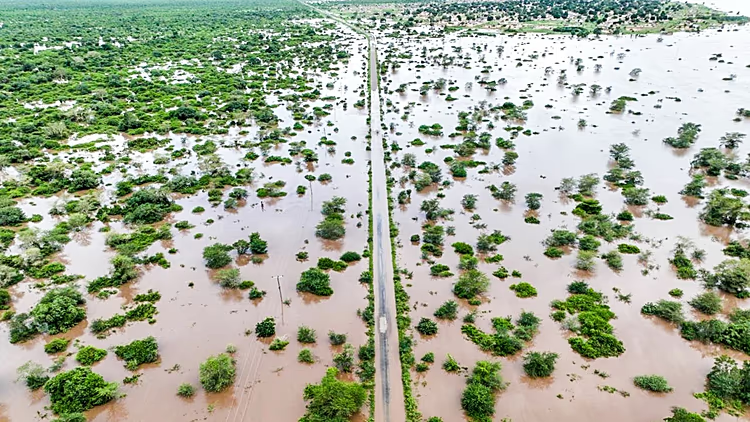
We are just barely concluding the first month of the New Year, yet the magnitude of devastation that’s unfolded could span a lifetime. In a mere ten days, parts of South Africa, Mozambique, Zimbabwe, and Eswatini have been ravaged by an entire year’s worth of rain. The severe flooding has been merciless, killing over 100 people, displacing over 300,000, and destroying homes, roads, schools, and bridges.
Floodwaters have devoured villages and left entire communities engulfed, with families scrambling for rescue and safety. Survivors lay waiting, facing starvation, disease, and even wild crocodiles swept into homes from bursting riverbanks.
As of the end of January, the death toll reportedly stands at 280 and counting. Across the region, over 1.3 million people have been affected, with more than 690,000 in Mozambique alone. Tens of thousands lie in emergency shelters, while restoration is estimated to take up to five years.
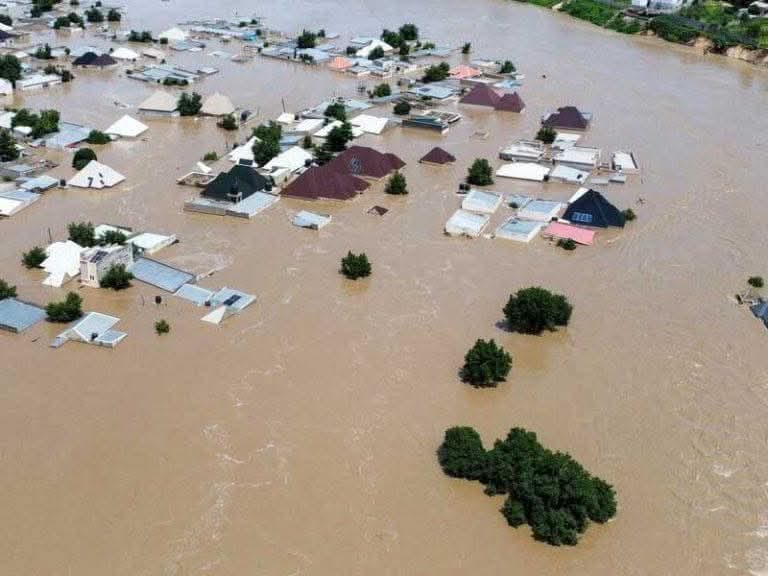
This widespread wreckage will have a long-term, severe impact on more than a million lives. Sub-Saharan Africa accounts for 67% of the global population living in extreme poverty, despite being only 16% of the world’s population. That’s over two-thirds of the world—460 million people—who battle extreme poverty daily. This is compounded by increasingly adverse weather, which are worsened by non-renewable, polluting energy sources.
These floods reveal a truth the world refuses to admit: Climate disasters are social disasters. The communities being destroyed are not unlucky; they were made vulnerable by centuries of neglect, poverty, and systemic inequality. People are trapped in floodplains, informal settlements, and under-resourced towns, while those responsible for the climate crisis live in comfort. Wealthy nations burn fossil fuels without consequence, while the poorest drown, starve, and fall sick. This is environmental racism in its rawest form—a brutal reminder that the world’s most vulnerable pays first for a crisis they did not create.
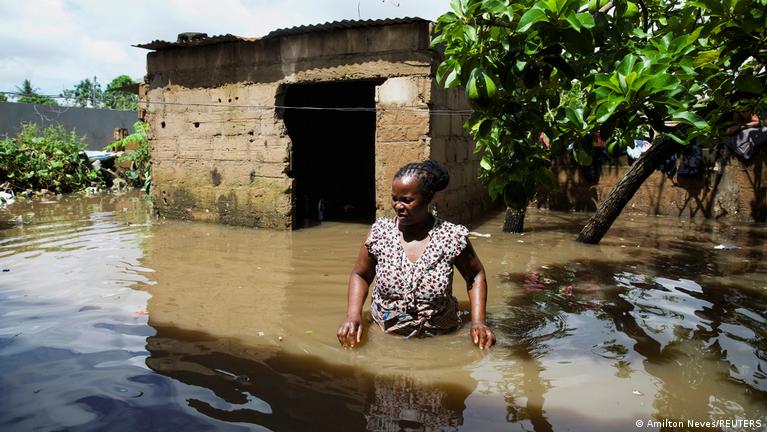
Environmentalism is only one side of the coin. The other is the lack of meaningful preparation for predictable adverse weather. Rising global temperatures, greenhouse gas emissions, and oceanic activity play a role, but flooding in these regions is not new. Severe floods have been steadily increasing. Climate change adaptation researcher Ephias Mugari found extreme rainfall (over 40mm per day) in parts of Limpopo was becoming more common back in 2024. Reports like these show weaknesses beyond forecasting—there was a blatant lack of preparation.
The aftermath is unfolding like a ticking humanitarian disaster. Beyond immediate loss of life and destruction, survivors face a cascade of crises: crops and food supplies destroyed, transport systems severed, hospitals overwhelmed, and clean water cut off. Families are forced into crowded shelters without sanitation or food. Roads, schools, and clinics lie in ruins, isolating communities. Hunger, cholera, water-borne diseases, and collapsed services further endanger people. Economic losses will take years, even decades, to recover from, while emotional and social scars—children losing schools, parents losing livelihoods—are permanent. Predictable crises become catastrophic when society fails to act. This is environmental racism: preventable disasters turned into prolonged humanitarian crises.
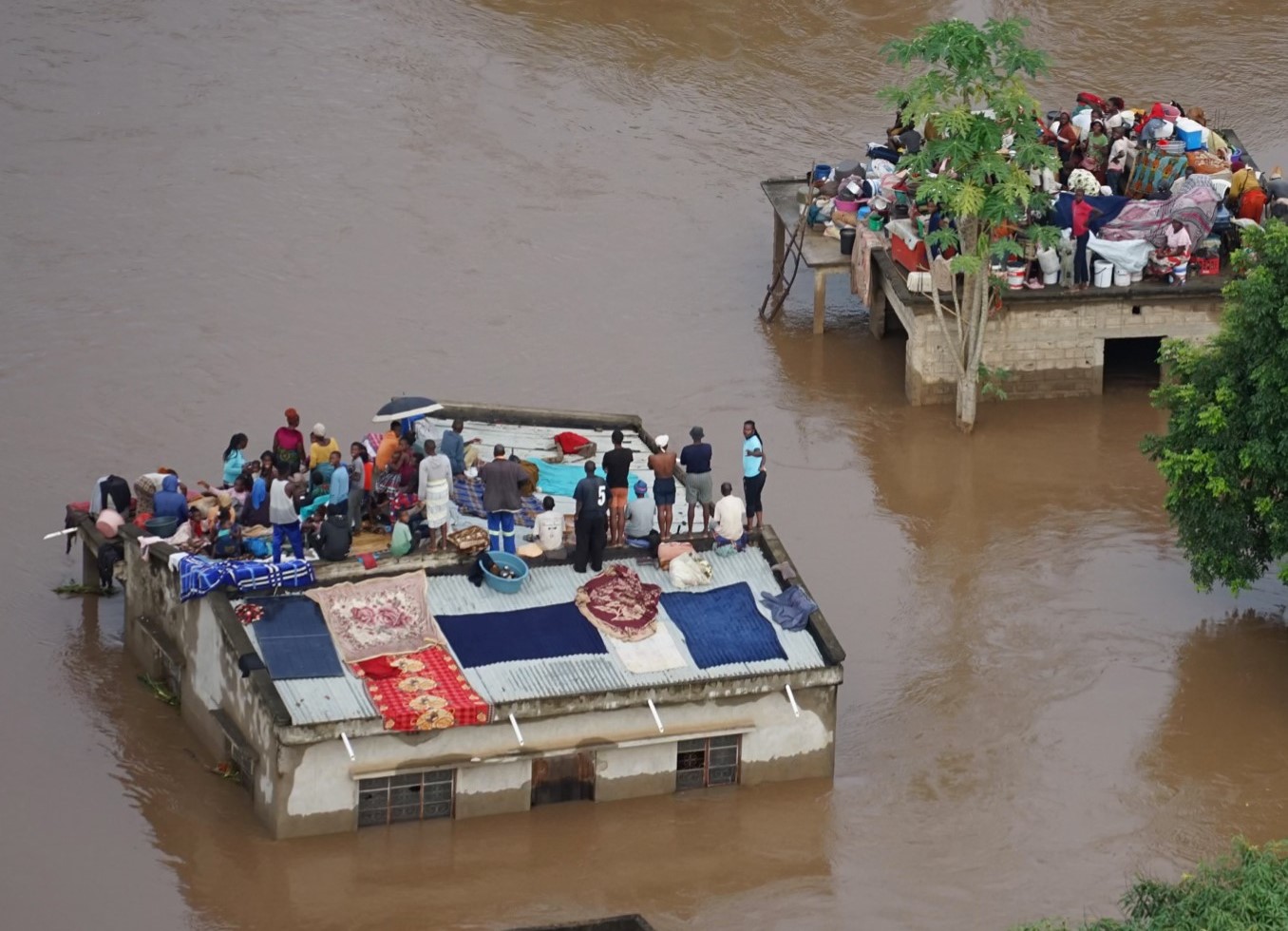
And yet, while communities suffer, the world looks away. Governments and aid agencies scramble reactively, providing temporary relief but never addressing systemic failures that allowed this catastrophe to happen in the first place. Roads are rebuilt but remain vulnerable, emergency systems patched, families left to repeat the same cycle. This is not bad luck. It is the predictable outcome of neglect, corruption, and systemic injustices, and a global system that prioritises profit over human life. Governments repair what floods destroy, while international factions continue to emit greenhouse gases with impunity, knowing the consequences fall elsewhere. Policies, planning failures, and underfunded disaster systems are symptoms of a global hierarchy that protects some lives while sacrificing others.
These challenges would be more manageable if post-independence African governments were committed to serving citizens instead of hiding behind excuses. Poor infrastructure, unreliable water and electricity, blocked drainage, pollution, and waste management have plagued our society since independence. These are not new problems revealed by the floods—they are long-standing crises that communities have been screaming about for decades. When a disaster hits, it is sheer arrogance to act shocked. Aid, rescue services, food, and support should have already been coordinated locally and institutionally to prevent disasters, not scramble in chaos amid the aftermath.
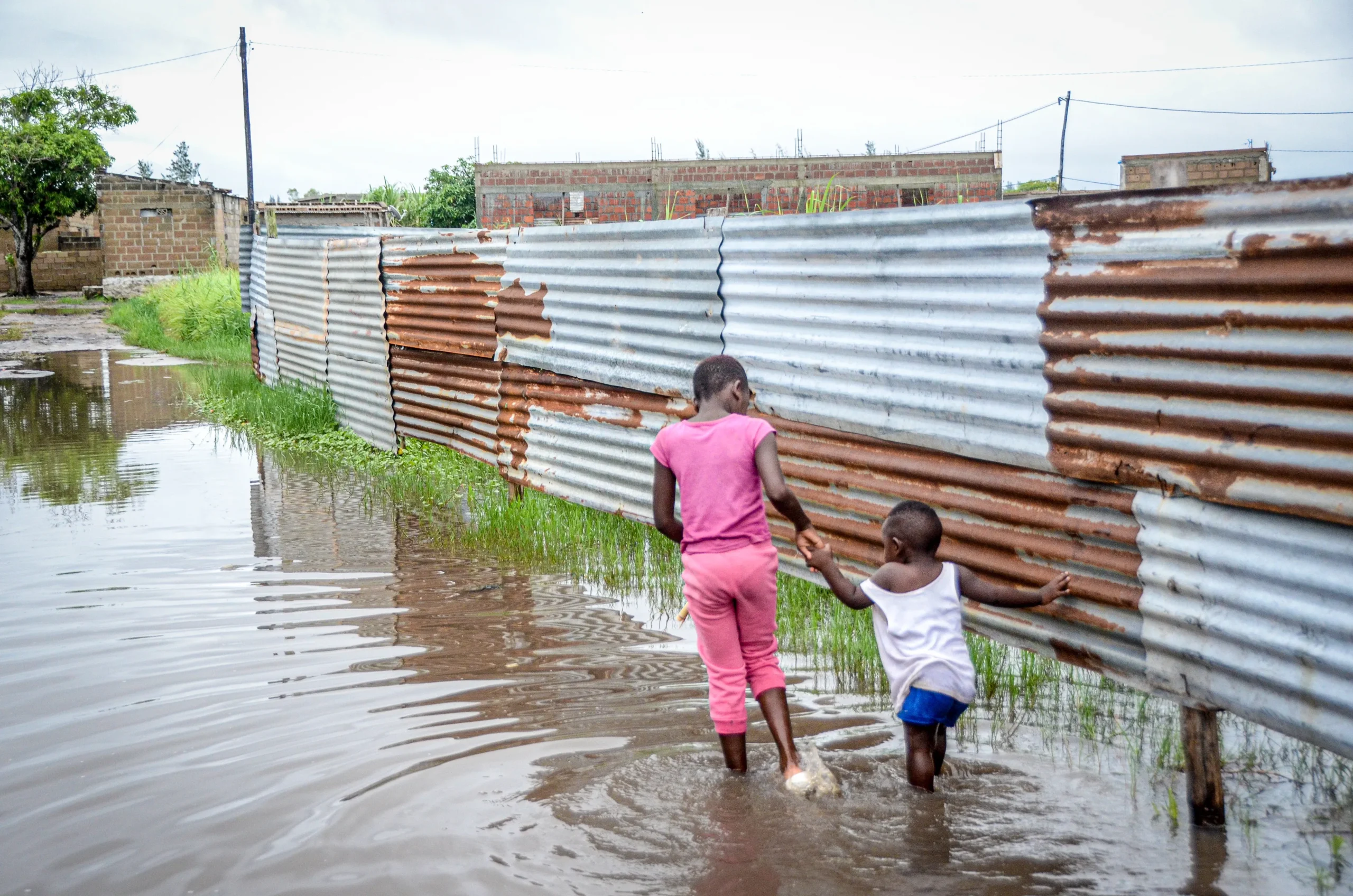
Recent years have shown that the lack of proactive measures taken are fast becoming our society’s downfall. From the Eastern Cape floods last year, claiming over 100 lives, to the KwaZulu Natal floods in 2022, claiming over 400 lives, disaster relief is treated as an afterthought, not a constitutional responsibility.
What’s happening in Southern Africa isn’t random. It’s a disaster amplified by centuries of neglect, poverty, and systemic failure. Floods are predictable. Deaths are preventable. The people paying the price did not cause this. Every system meant to protect them failed. These floods may have destroyed homes and communities, but the real devastation was built long before the rain.