Zimbabwe has long struggled with the tensions that accompany elections. Too often, political competition spills beyond the ballot box into intimidation, unrest, and violence.
Constitutional Amendment Bill No. 3, which proposes an indirect system for electing the president, seeks to address that reality. It is a significant reform and, understandably, has sparked intense debate. But beyond the immediate controversy, the bill raises a broader question: how can electoral systems either inflame or reduce political conflict?
The bill also proposes extending presidential and parliamentary terms from five to seven years. These are substantial changes that have triggered strong reactions across the political spectrum. Yet the discussion should move beyond the immediate politics. It should consider a larger issue: how electoral structures shape political stability in societies where elections have often been flashpoints for unrest.
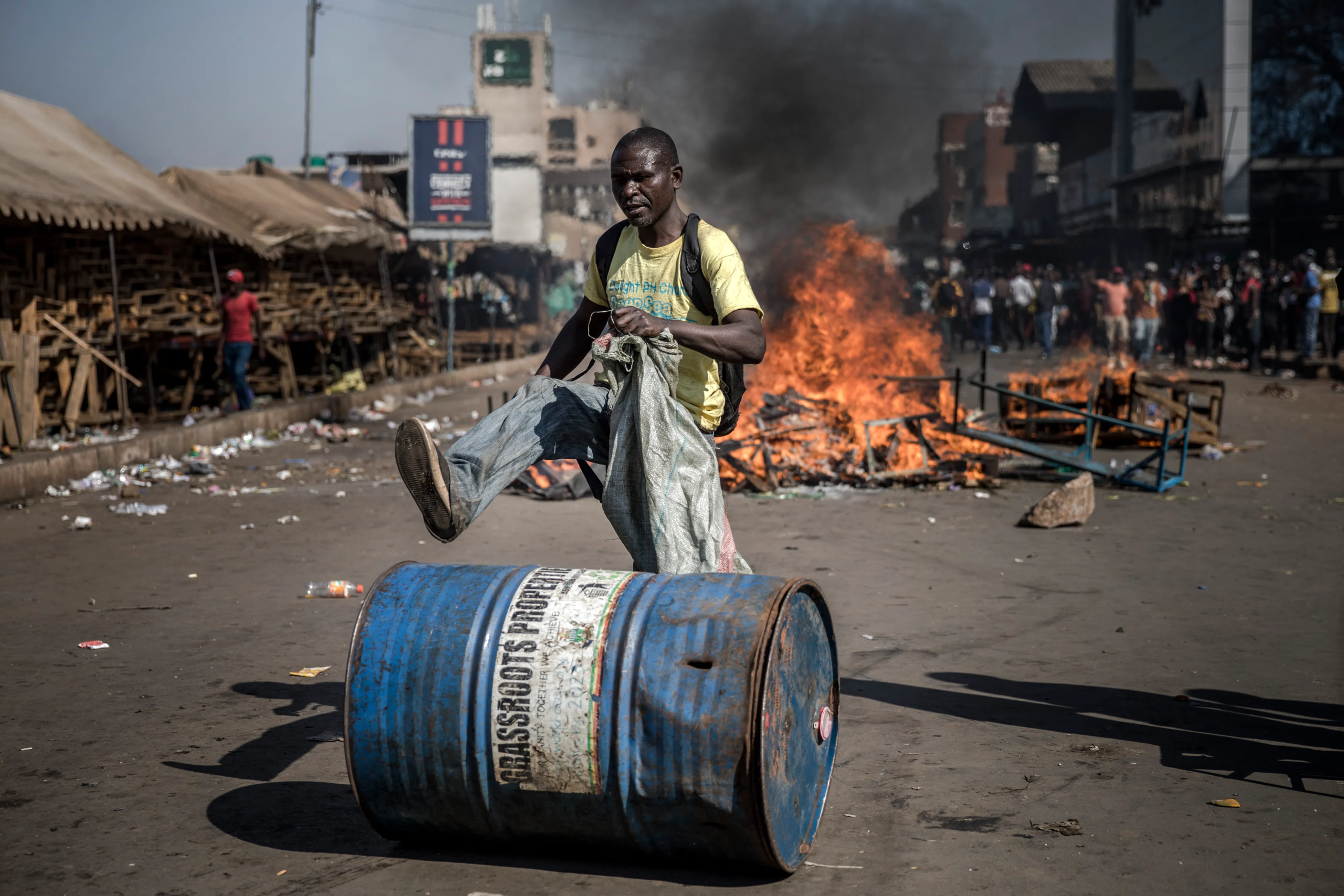
At the heart of the proposal is a simple calculation. Highly polarised, winner-takes-all presidential contests can escalate stakes to dangerous levels. When the presidency is decided through a direct national vote, competition can become intensely personal and existential for parties and their supporters. Close or disputed results often lead to mass protests, intimidation campaigns, and, in extreme cases, violence.
Zimbabwe’s history illustrates this vividly. The 2008 elections were marred by widespread violence, particularly in rural areas, resulting in deaths, displacement, and long-lasting political mistrust.
Supporters of the bill argue that shifting to an indirect system, where the president is elected by Parliament rather than directly by the public, could help defuse these high-pressure moments. Voters still elect their representatives, but lawmakers select the head of state. This channels political disputes into parliamentary procedures, rather than street protests.
The system does not eliminate political competition. Instead, it directs it through institutions designed to manage conflict through procedure, debate, and law. Elected representatives remain accountable to their constituents, and their choice of president reflects the balance created by parliamentary elections.
Concerns about indirect presidential selection are understandable. Citizens accustomed to directly choosing their leader may feel it reduces popular democratic choice. Yet there are examples where this system has functioned effectively.
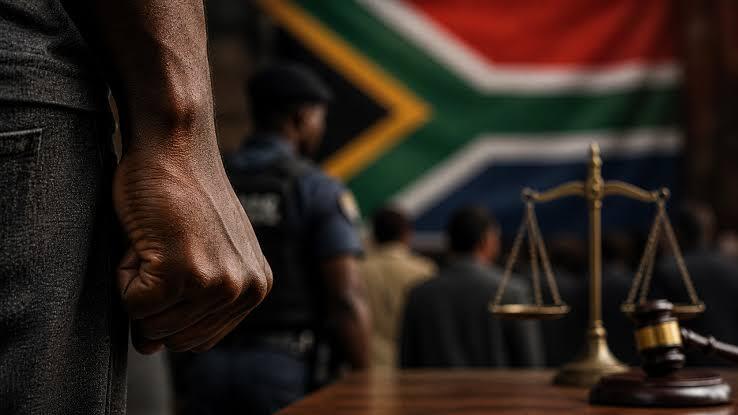
South Africa provides one such example. There, the president is elected by the National Assembly after general elections. While political competition remains robust, the country has largely avoided the post-election violence seen elsewhere. The parliamentary system ensures leadership transitions occur within constitutional structures.
Zimbabwe is not alone in reconsidering its political architecture. In Guinea, a 2025 constitutional overhaul extended presidential terms to seven years and introduced institutional reforms aimed at stabilising governance following the 2021 military coup. Although critics feared power consolidation, authorities framed the changes as a step toward civilian-led governance.
Debates about electoral cycles are emerging elsewhere too. In Kenya, discussions have surfaced about extending presidential terms to seven years, a proposal similar in duration to Zimbabwe’s. The conversation reflects a broader regional assessment of how longer cycles might allow governments more time to implement policy without constant electoral pressures.
Other African countries provide useful models. Botswana, often cited as one of Africa’s most stable democracies, elects its president through Parliament. Citizens vote for parliamentary representatives, and the majority party selects the president. Despite competitive politics, Botswana has avoided widespread election-related violence.
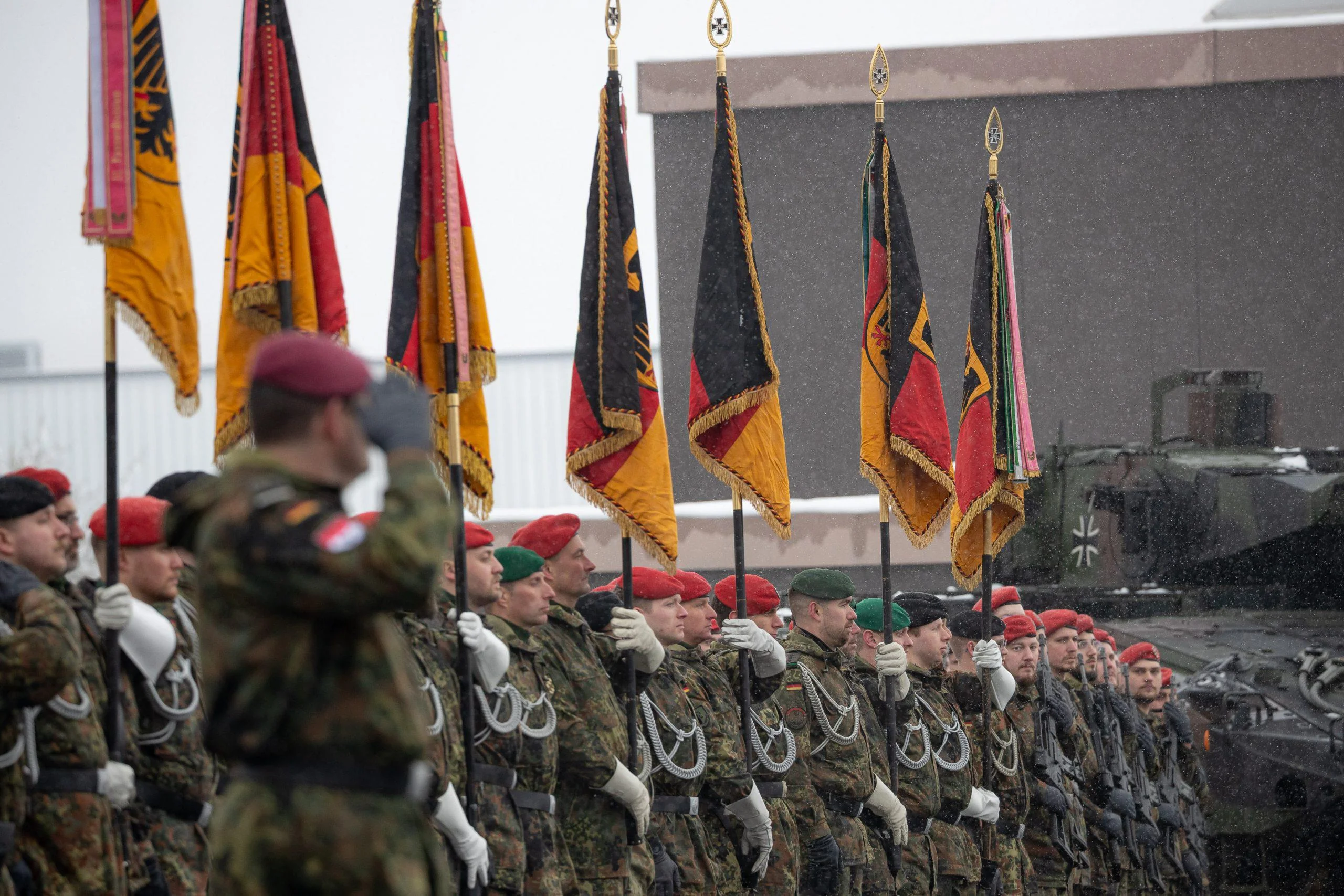
Globally, indirect presidential elections are common. In Germany, the president is chosen by a Federal Convention of parliamentarians and state delegates. In India, an electoral college of national and state legislators selects the president. These systems have helped ensure the presidency remains stabilised rather than a flashpoint for political conflict.
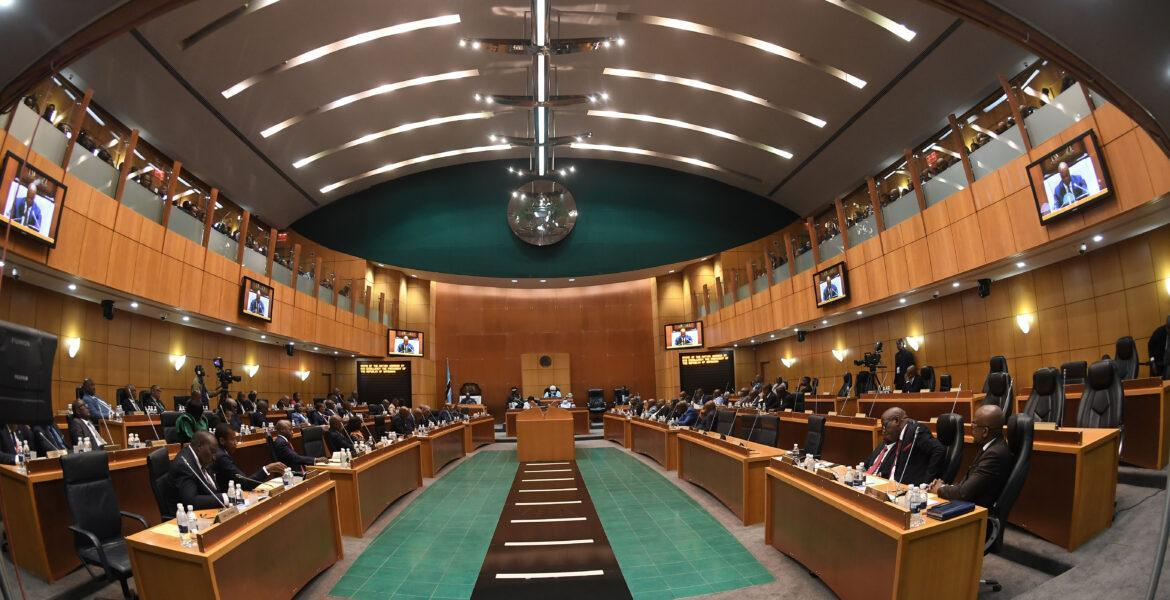
The reasoning is clear: separating the presidency from direct mass contests lowers the political temperature. Parties must negotiate, form coalitions, and work within institutions rather than relying solely on mass mobilisation.
For countries with turbulent political histories, indirect systems create a buffer between public frustrations and state power. Citizens still influence leadership through parliamentary elections, preserving democratic accountability while enhancing stability.
Critics argue that indirect elections dilute popular sovereignty. Supporters counter that public influence remains intact through parliamentary elections. In effect, the reform reframes democratic choice within institutions better equipped to manage disputes.
The success of such a reform depends less on the system’s mechanics and more on public trust. Electoral institutions must be credible, parliamentary processes transparent, and political actors committed to following the rules. Without these foundations, even the best-designed systems struggle to deliver stability.
As Zimbabwe debates the Constitutional Amendment Bill No. 3, the focus should remain on whether it can reduce electoral tensions. It is not a cure-all, but it represents a serious attempt to rethink leadership contests in a way that may prevent violence.
Ultimately, Zimbabwe’s political future will depend not only on how leaders are elected, but on how political actors operate within the system. If reform encourages competition through institutions rather than confrontation on the streets, the country may be taking a crucial step toward a more stable and peaceful democratic process.
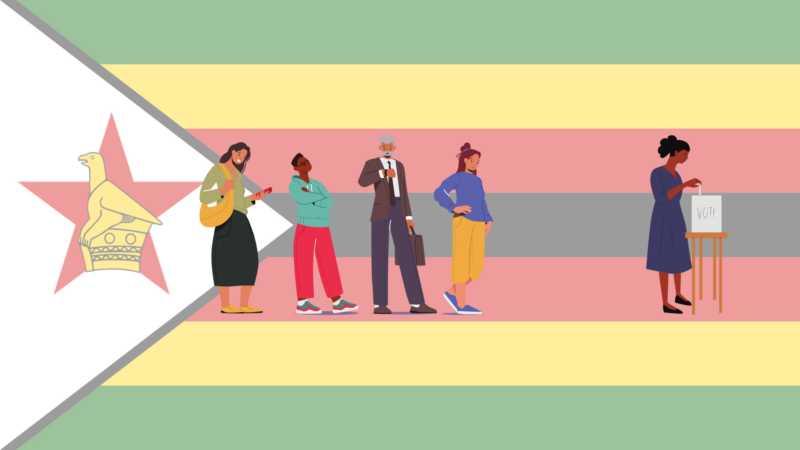
Recent Examples of Election-Related Violence in Africa
1. Tanzania (2025 post-election unrest): Large-scale protests erupted over alleged irregularities and exclusion of opposition candidates. Security forces responded with live ammunition, curfews, and internet blackouts, resulting in hundreds of deaths and thousands of arrests.
2. Mozambique (2024–2025 post-election violence): Opposition groups rejected results favouring long-ruling FRELIMO, leading to clashes with police, buildings burned, hundreds killed, and thousands arrested.
3. Senegal (2023–2024 electoral protests): Demonstrations over the conviction of opposition leader Ousmane Sonko resulted in at least 23 deaths and hundreds of arrests.
4. Guinea-Bissau (2025 coup-linked election violence): Gunfire and military activity erupted around key institutions as results were contested, prompting civilian displacement.
5. Nigeria (2023 elections and associated violence): Pre- and post-election violence included armed clashes, attacks on rallies, and politically motivated killings.
These incidents highlight the volatility of elections in Africa when trust in institutions is weak, and disputes are resolved outside formal channels, underlining why Zimbabwe’s reform debate is so critical.