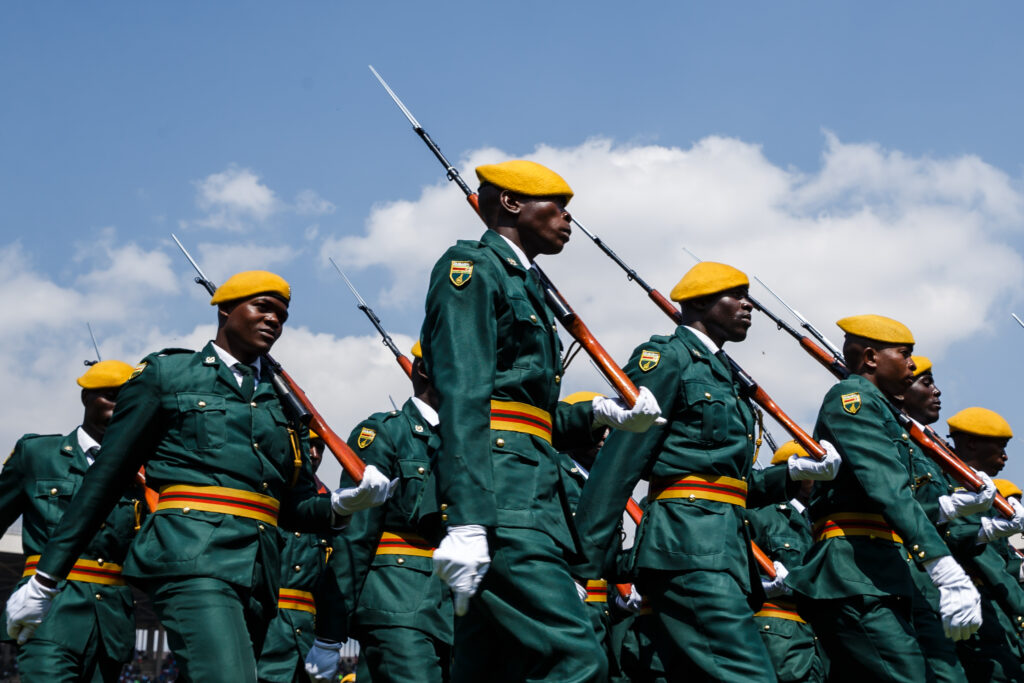
There are times, at times too often, when the role of defence forces in nation-states is misconstrued – inadvertently or deliberately – by some in the body politic who harbour sectarian interests.
The implicit opposition to the proposed constitutional changes in the Amendment 3 Bill by “Zimbabwean retired generals and senior civil servants who are ex-combatants”, when viewed through the lens of constitutionalism rather than emotion, actually validates the necessity of Clause 16 of the Constitution of Zimbabwe (Amendment 3) Bill. The military is not the ultimate constitutional referee and does not have a direct guardianship role over the constitutional order.
This is why it is important that Clause 16 amends Section 212 (Functions of Defence Forces) of the Constitution by deleting the words “to uphold this Constitution” and substituting them with “in accordance with the Constitution”. The difference between these two phrases may appear mundane, but constitutionally it is profound since “uphold” can be interpreted to mean that the military may take it upon themselves to determine whether constitutional processes are acceptable or legitimate.
But in constitutional democracies, these roles are already assigned. The courts interpret the Constitution, Parliament ensures political accountability, and the people hold ultimate power. By saying the Defence Forces must follow the Constitution, this change puts things back in the right order. Also, this update makes Section 212 consistent with Sections 213 and 214 of the Constitution of Zimbabwe, which already state that the Defence Forces must act under legal orders and within legal boundaries.
The moment a military institution appears to take a position in a constitutional debate, they distort democratic deliberation, and certain risks arise. Firstly, civilian political processes become overshadowed by the presence of the military. Citizens begin to wonder whether arguments will ultimately be settled by democratic processes or by institutions that command monopoly of weapons.
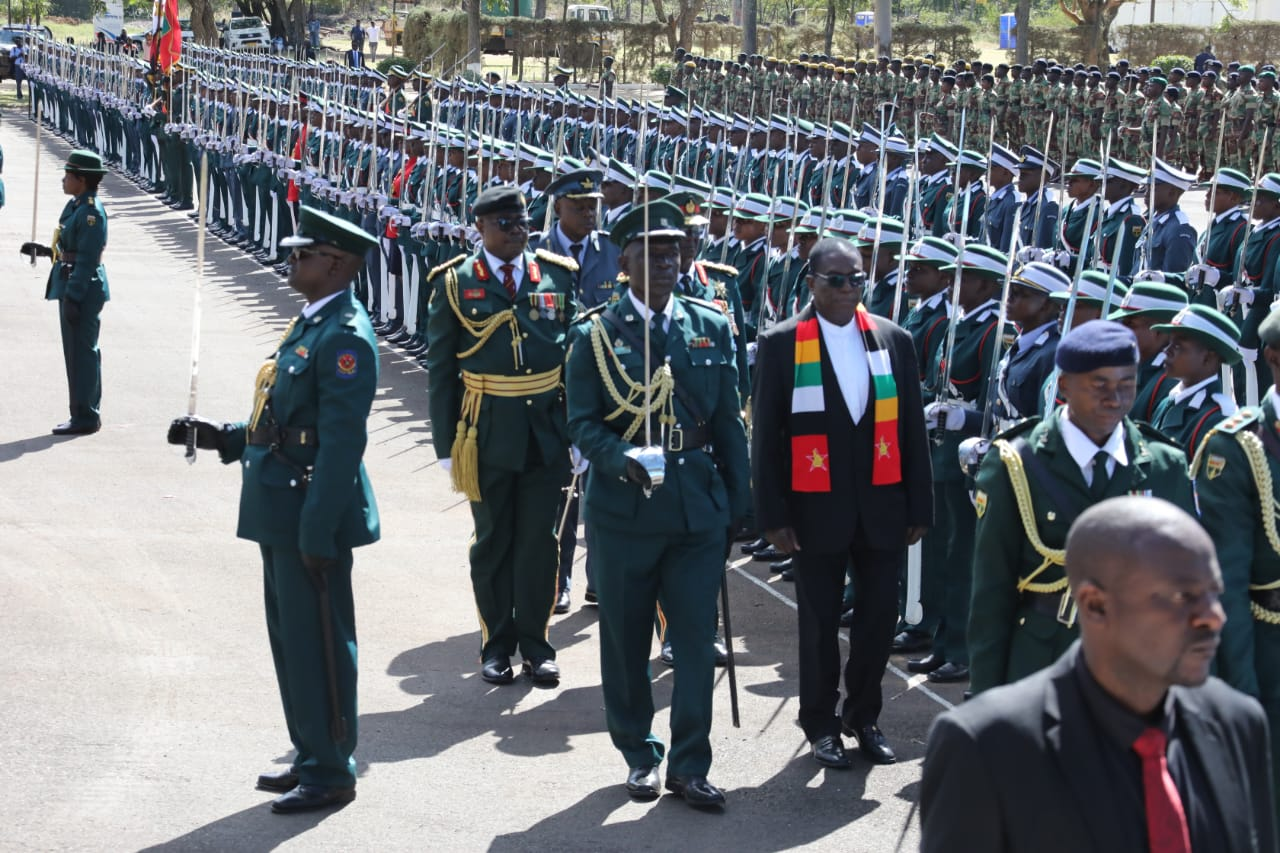
Furthermore, when military figures express dissatisfaction with national political debates in their official capacity, they inadvertently thrust the authority of the armed forces into ordinary civilian political space. Even if their intention is merely to express concern, the effect is inevitably different. What should be a civilian contestation of ideas begins to acquire the shadow of coercive authority.
Additionally, in a constitutional democracy, soldiers are bound to defend the nation, however, it is never their purview to arbitrate political differences within it. The constitutional position is not complicated since members of the military are citizens, too, and like all citizens, they are entitled to hold opinions. But the moment they speak as the military, they cease to be ordinary participants in the national discourse. They become representatives of an institution whose distinct characteristic is the monopoly of violence.
Also, it undermines the professional neutrality of the security sector. The Defence Forces must belong to the nation as a whole, regardless of political persuasion of any section of that nation. When military officials intervene in political debate as representatives of the armed forces, they implicitly suggest that their voice carries greater authority than that of unarmed ordinary citizens. That is constitutionally problematic because it elevates the military above the civilian body politic.
This is precisely why constitutional democracies dictate that the military operates strictly within legal authority rather than acting as an independent guardian of political outcomes. National debates, whether about constitutional amendments, elections, or governance, must be settled through law, parliament, courts, and the ballot box. Clause 16, therefore, performs an important constitutional function. By clarifying that the Defence Forces operate “in accordance with the Constitution”, it removes any ambiguity that could be interpreted as granting the military a “supervisory” role over political processes.
The amendment simply reinforces a fundamental democratic structure, which is that the Constitution governs everyone, including the military, whilst civilian institutions interpret and enforce the Constitution, and the Defence Forces execute their duties under lawful command. When these roles are clearly defined, constitutional stability is strengthened, and in fact guaranteed. And that, ultimately, is the purpose of Clause 16: To ensure that the power of arms always remains subordinate to the authority of the Constitution and the democratic institutions it creates.