![launch of the isiXhosa translation edition of Steve Biko’s book I Write What I Like at the Steve Biko Centre in Ginsberg. [Image: Steve Biko Foundation]](https://gsmn.co.za/wp-content/uploads/2026/04/615859901_1498011175662263_2022635664635267331_n.jpg)
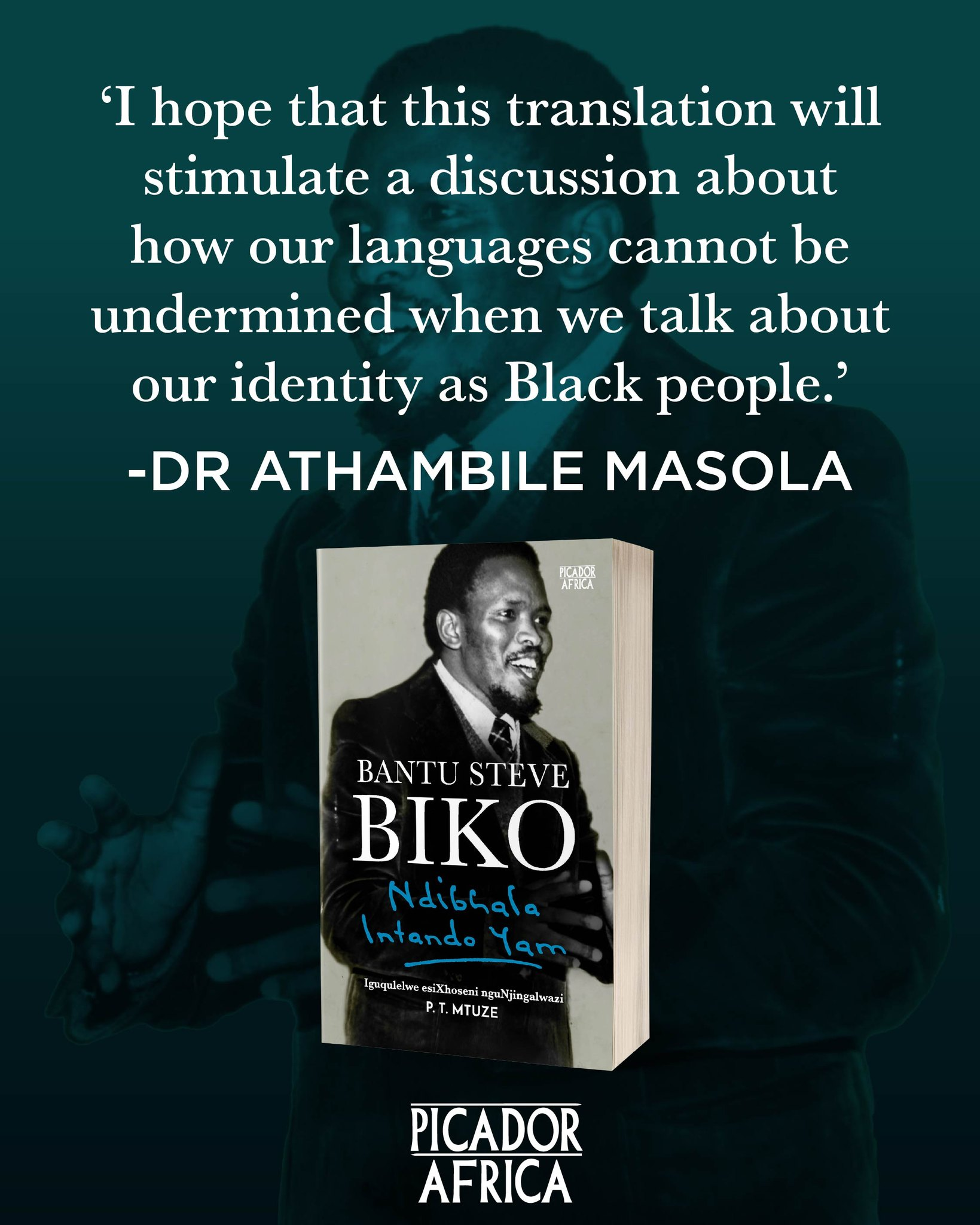
On 21 March 2026, I had the honour of attending the historic launch of the isiXhosa translation edition of Steve Biko’s book I Write What I Like at the Steve Biko Centre in Ginsberg. I have no doubt that I represent the entire nation in doffing my hat to the Biko family for a job well done.
Having passed on shortly before the publishing of this edition in 2025, Prof Peter Tshobisa Mtuze who did this isiXhosa translation could not be present to lead the presentation. Biko’s son Nkosinathi Biko and Dr Athambile Masola were there to do the good work. Anyway, Dr Masola did the sweeping and umpiring work to have the last word between the informed and learned opinions of Translator Prof Mtuze and Editor Prof Simphiwe Sesanti, while Nkosinathi Biko blessed the edition with the Introduction.
Reading the voluminous CVs of Mtuze, Sesanti and Masola before critically going through the isiXhosa edition might just have the unintended effect of planting self-doubt in the reader to review their great work. Mtuze held two PhDs – one in African Languages and another in Theology. He translated into isiXhosa Nelson Mandela’s book Long Road To Freedom. Not to be left behind, Sesanti holds his two PhDs in Journalism and Philosophy, while Masola is an accomplished researcher in Black Women’s Historiography.
From the onset, and based on my extremely limited knowledge, I must concede that I found nothing of substance that subtracts from the accuracy and greatness of this historic work. My red ink just turned black and got frozen. However, I took note of the fact that Biko wrote his seminal essays within the time space of the late 1960s and early 1970s, while Father Aelred Stubbs collated and got them published into the book I Write What I Like in 1978.
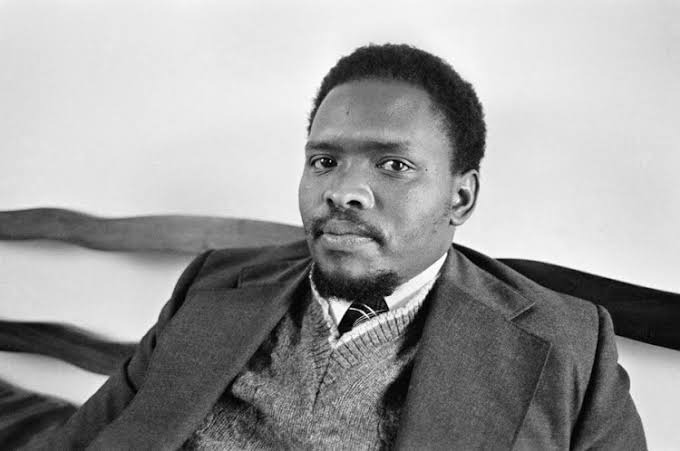
Tragically, it has taken about 48 years to give rise to the isiXhosa translation! It took the realisation that “Biko family you are on your own” for something to be done. In his Introduction, Nkosinathi Biko is pained by the realisation that this African language effort comes years after the Portuguese, French and Italian translations. As they say, it is better late than never.
In his presentation at the book launch, Nkosinathi Biko hastened to put in proper perspective the fact that this isiXhosa edition should in no way be viewed as the “Xhosalisation” of Biko. The objective was to translate I write What I Like in all the African languages. For this reason, he said he encouraged those who made enquiries about translations in other African languages to help in making a contribution towards initiatives to accomplish those translations, including KiSwahili.
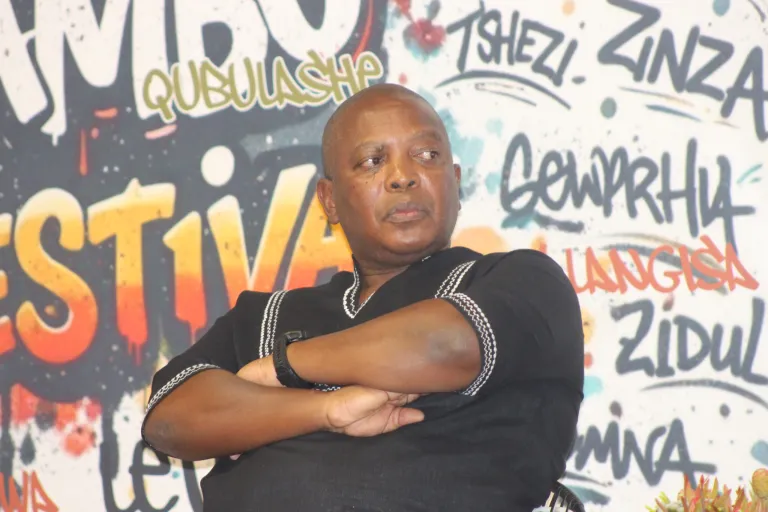
Those who know better warn that about 400 African languages are facing extinction. Engulfed by the wave of urbanisation, the younger generations find themselves systematically induced to prefer foreign languages for their educational pursuit and economic activities. African politicians rub salt to the African linguistic wound by prioritising the English and other foreign languages in conducting state business. In so doing, they rudely and degradingly undermine the majority of the population that voted them into the various legislatures. The ordinary people are condemned to having to wait for the news outlets to later translate the speeches or debates of the “people’s representatives” into the African languages.
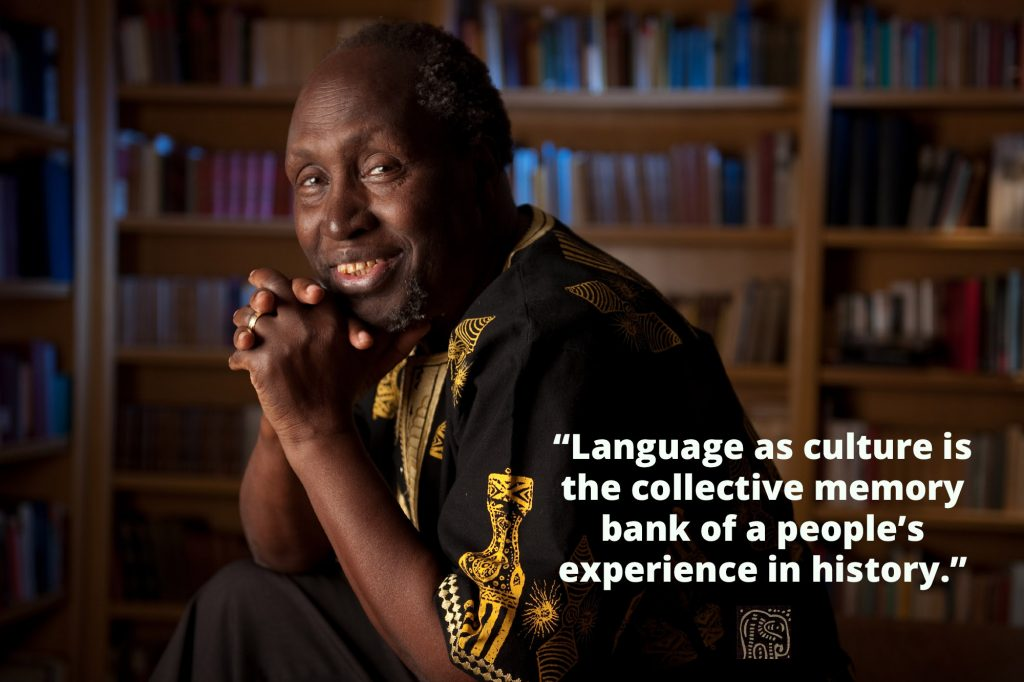
Nevertheless, the translation of Biko’s book into an African language underscores the intellectually authoritative argument by the African intellectual Ngũgĩ wa Thiong’o in his Decolonising the Mind that “language is a carrier of culture”. In this regard, the preservation and development of the African languages constitute a critical and fundamental part of the anti-colonial struggle insofar as the indigenous languages serve as an active repository of the of the culture, identity and history of the colonised people.
This critical approach is relevant for South Africa (our Azania) because the white ruling class did no more than conceding political office to the managerial class from the ranks of struggling people, while it (white ruling class) continues to cling onto economic power.
Accordingly, settler-colonialism changes in form into neo-colonialism or coloniality, while crude racism retreats and hides in the structures of society as institutionalised racism. The South African freedom (not liberation) which is landless and devoid of economic power to the people is the dangerous phase of struggle which is “enemy-less”, so to speak. This is the phase in which the white ruling class hides behind its convenient buffer, which is the black politicians and their ruling parties.
It is at this political juncture that the Italian Marxist’s concept of “manufacturing consent” finds relevance. In this context, the neo-colonial forces rely on political or cultural hegemony, rather than naked military force. The revolutionary infrastructure is dismantled, while the masses are demobilised and immobilised. Meanwhile, linguistic euphemisms like “post-colonial state” and “rainbow nation” are unleashed to “manufacture consent” as the buy-in of the people in their own oppression and exploitation.
It is within this context of linguistic and political euphemisms that my heart bled when the competent translators preferred the term “Ntsundu” (Brown) over “Mnyama” (Black) in reference to the African indigenous people and the broader struggling masses as defined in the South African Students’ Organisation (SASO) Policy Manifesto. Of course, in its formative stages SASO used the unfortunate term “non-whites”, which was discarded towards SASO’s December 1971 Formation School where Biko presented his paper on the Definition of Black Consciousness. That “non-white” term was thenceforth reserved for ridiculing sellouts and puppets.
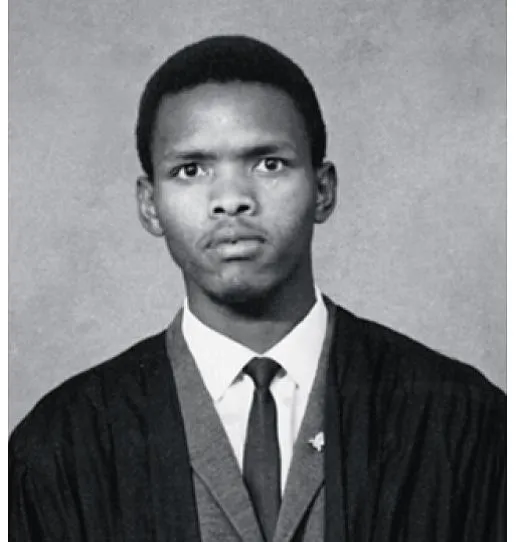
It is however true that that the isiXhosa-speaking communities did use the term “Brown”, which in recent times is ironically used by those Black people who negatively prefer to keep a distance from their fellow Black folks. As presently used, “Brown” is a term of self-alienation. What its users miss is the fact that “Ntsundu” (Brown) was also embraced and used by the very same political relatives with whom they hate to be related.
Consequently, we are kindly reminded that Biko and SASO consciously preferred “Black” over “Ntsundu” or “Brown” for political reasons. They deliberately defined Black people as those who were by law or tradition, socially discriminated against, politically oppressed, economically exploited, and further identified as a group in fighting for the repossession of their and total liberation in the Azanian context.
Biko explained that “Black” was the colour of the oppressed people more than the colour of their skin. In this regard, there were black-skinned people whose political interests were white. Such people were not Black, but non-white. The point being emphasised here is that it was for a good political reason that Biko and his Comrades rejected the available option of referring to Black people as “Ntsundu” or “Brown” people. If they did, the Black Consciousness philosophy would unrecognisably be “Brown Consciousness”.
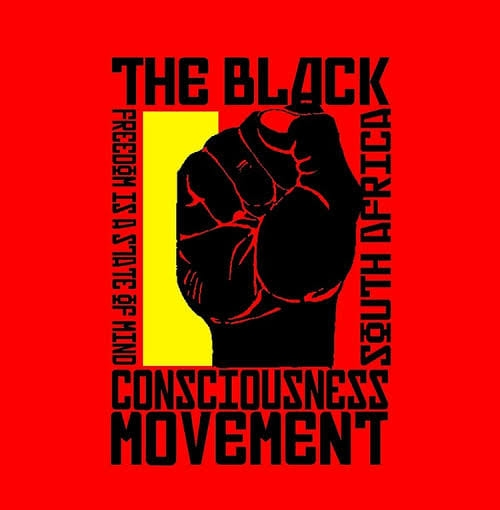
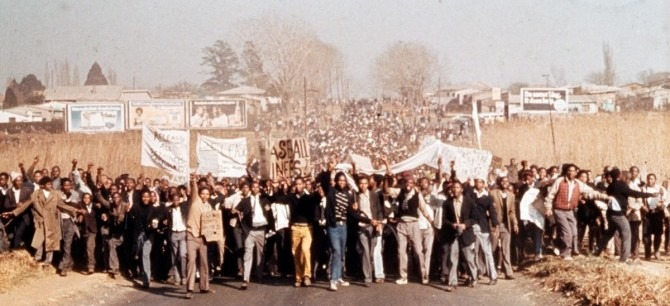
The Black Consciousness Movement would bizarrely have been the “Brown Consciousness Movement”. Outrageously, Black Power would have been “Brown Power”. The unthinkable is that SASO’s symbol of the clenched black fist would have been shaded brown. More than the rejection of the term “Ntsundu”, which the indigenous people embraced at some stage in history, one is arguing that it is both a misrepresentation of the political history and symbolical identity of the Black Consciousness Movement to revise or erase the intellectually preferred term Black in favour of “Ntsundu” or “Brown”. Black or Mnyama is the true identity of the Liberation Struggle that once experienced its highest point in the June 16 Uprisings in Azania.
Having reaffirmed Blackness, one can now deal with the translation of “I Write What I like” as “Ndibhala Intando Yam”. The concession and appreciation must be made that this translation is unassailably accurate. Other correct translations would have been “Ndibhala Okusenyongweni” or “Ndibhala Endikuthandayo”. With reasons, my personal preference would have been ”Ndibhala Unothanda”. Those who understand a bit of isiXhosa would immediately grasp the vicious defiance contained in this version.
If we appreciate the fact that Biko’s close friend and Comrade Mapetla Mohapi was known more in his English name “Frank” at the time, we would have an expanded sense of why Biko used “Frank Talk” as his pen name. More than implying that he wrote what he liked, the closer meaning would be that Biko defiantly wrote whatever he felt like writing even against the death threats by the system. “Ndibhala Unothanda” emphatically expresses this political and cultural defiance.
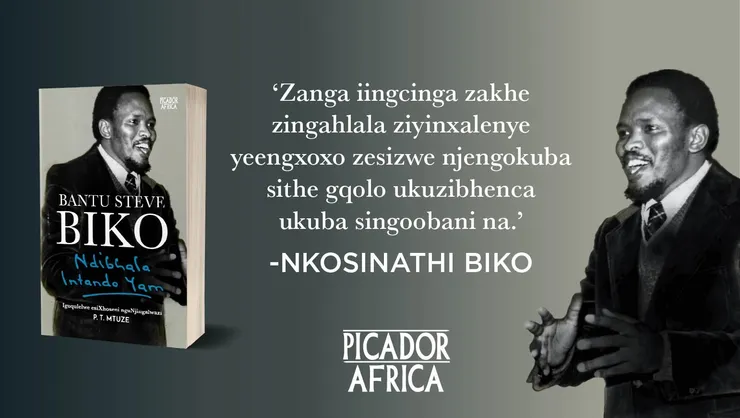
In all fairness, this isiXhosa translation restores linguistic justice in favour of Biko and leaves intellectually stranded those Black people that sought to unjustifiably accuse Biko of being “sexist” in using English terms like “man” in referring to humanity or people. Biko suffered the misfortune of using a patriarchal foreign language in the context of his time, space and context. Our competent translators had the presence of the cultural appreciation that the African languages don’t use the gender differentiation between pronouns like “him” and “her”. Whether you are a female or male, the African language pronoun is “yena”. And “man” would be “umntu” or “motho”.
Accordingly, the translators got the war cry “Black man you are on your own” so correct as to defend Biko beyond the grave in translating it as “Mntu ontsundu [omnyama] uzimele ngenkqayi elangeni”.
A round of applause to our competent translators for teaching us that Black Consciousness in isiXhosa is “UkuZazi KwabaNtsundu”. By now you know that my politically charged preference is “UkuZazi KwabaMnyama”.