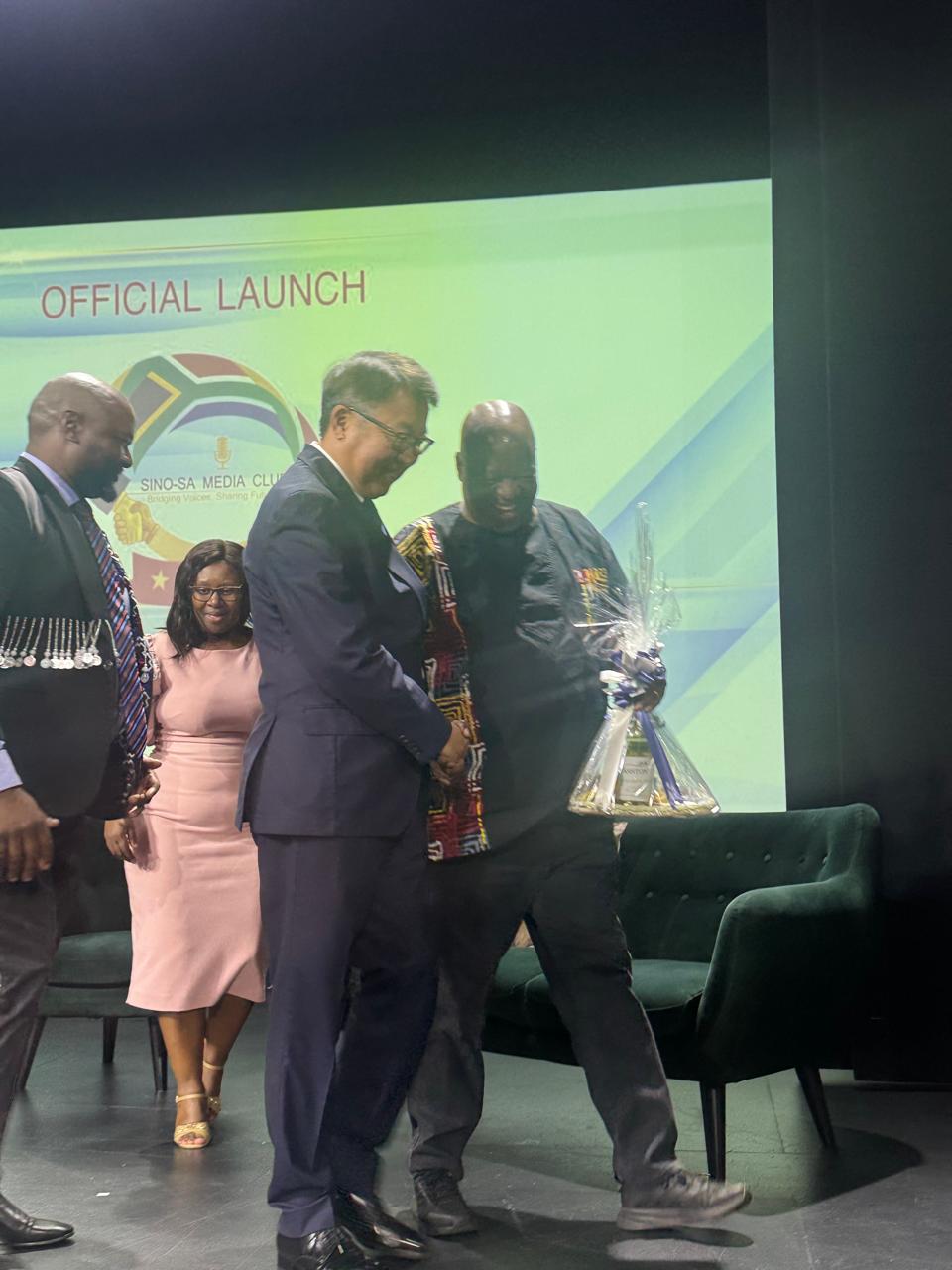
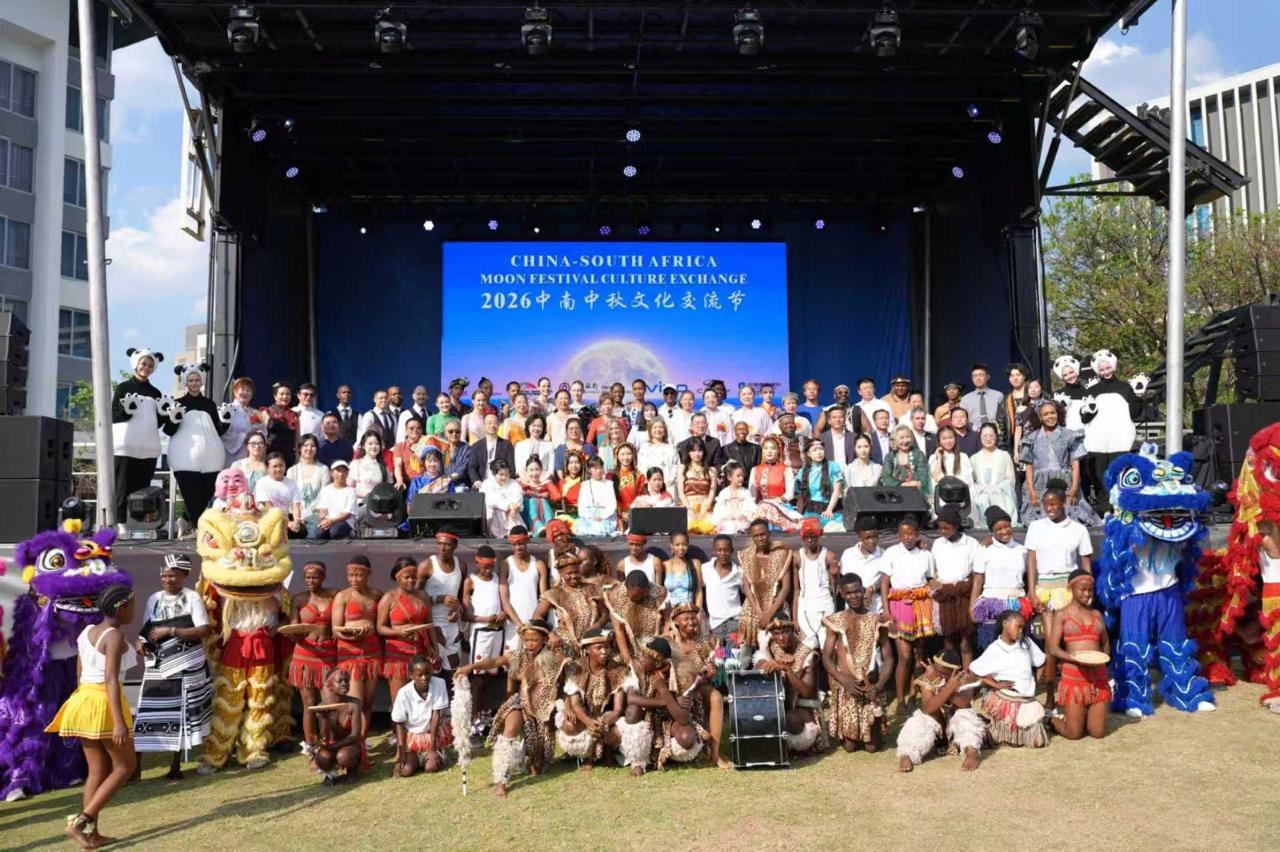
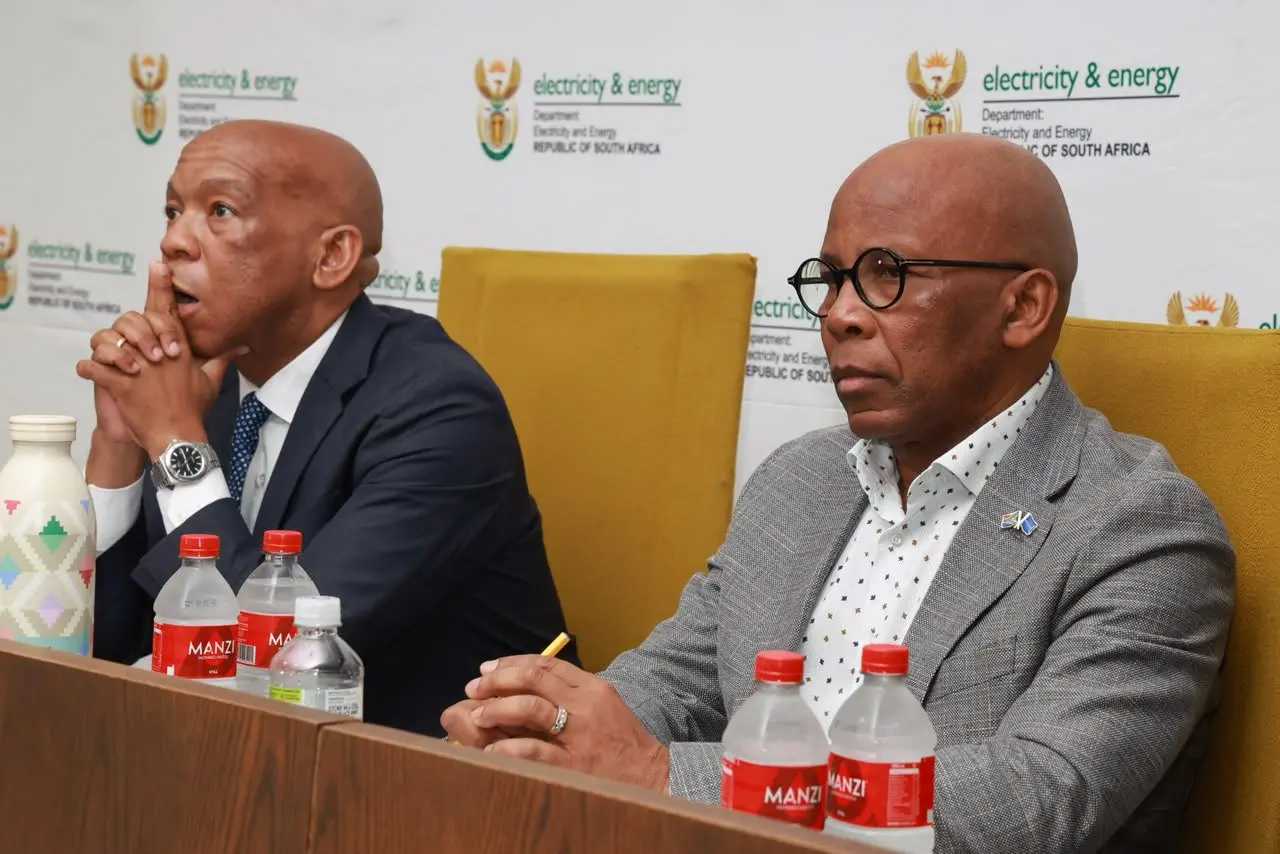
This week, bilateral cooperation between the People’s Republic of China and South Africa were elevated to a much higher level with the establishment of the Sino-SA Media Club.
Led by the Chinese embassy in SA, and the Government Communications and Information Services (GCIS), the media club aims to enhance mutual understanding between Beijing and Pretoria in a way that yields win-win outcomes.
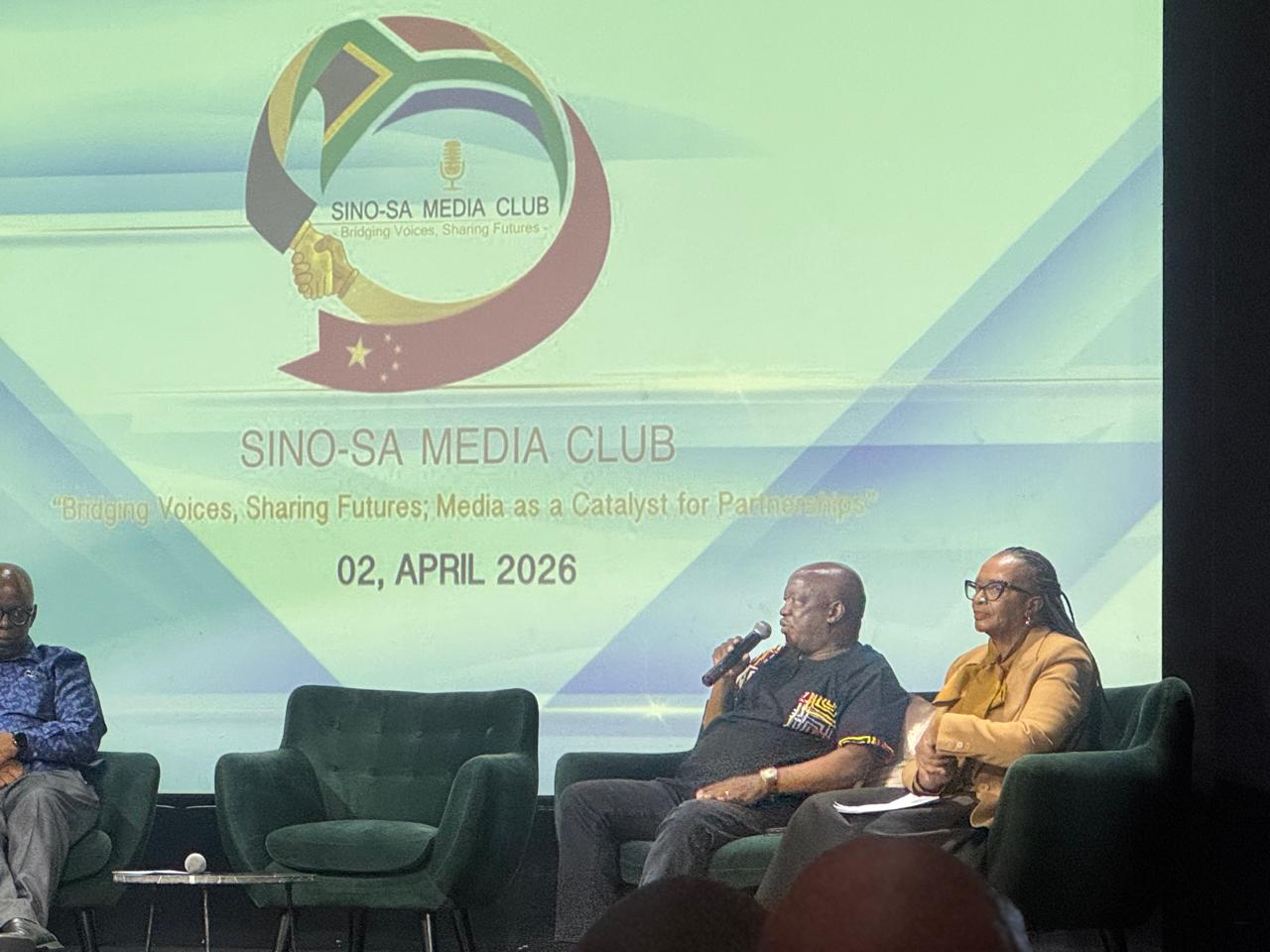
The official launch of the rare media club took place in Menlyn, Pretoria, under the theme: “Bridging Voices, Sharing Futures: Media as a Catalyst for Partnerships.”
The new media club was described as a “pioneering platform dedicated to strengthening media collaboration, balanced reporting, and people-to-people ties between the Republic of South Africa and the People’s Republic of China”.
Now, for the uninitiated, China has been SA’s biggest trading partner for the past 15 years in a row. This shows the significance of the bilateral relations betweenthe two nations that boast one of the most cordial ties in world affairs.
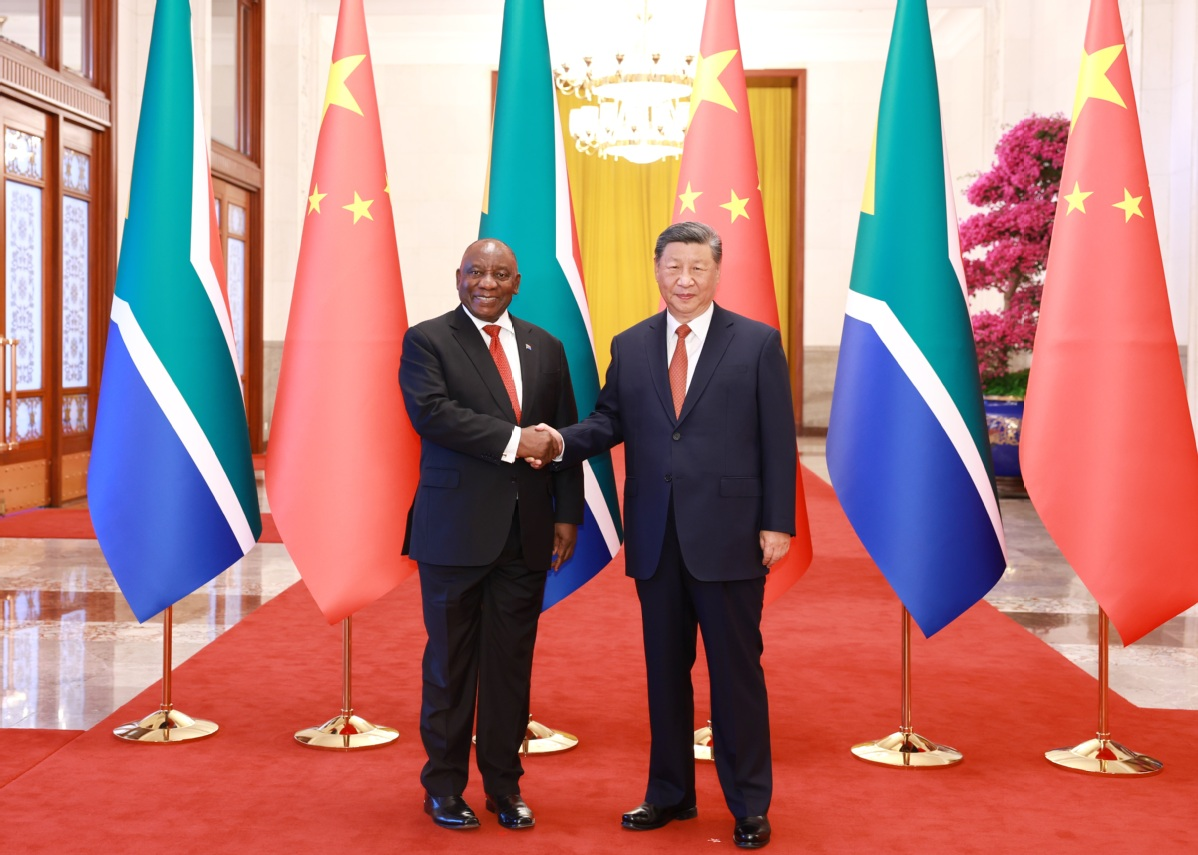
There are more than 200 Chinese companies in SA, and collectively, they are credited with creating more than 400 000 direct jobs.
The role of the media in society cannot be overstated. Every nation-state requires a vibrant media to communicate with all stakeholders, nationally and globally.
Participation of the SA Government in the launch of the Sino-SA Media Club was significant for several reasons. Among others, the government needs an informed media to disseminate information in a fair, balanced and accurate manner.
Media practitioners and journalists in particular are no super humans. As veteran broadcast journalist Sophie Mokoena explained during the launch of the media club, journalists need access to news makers as well as information.
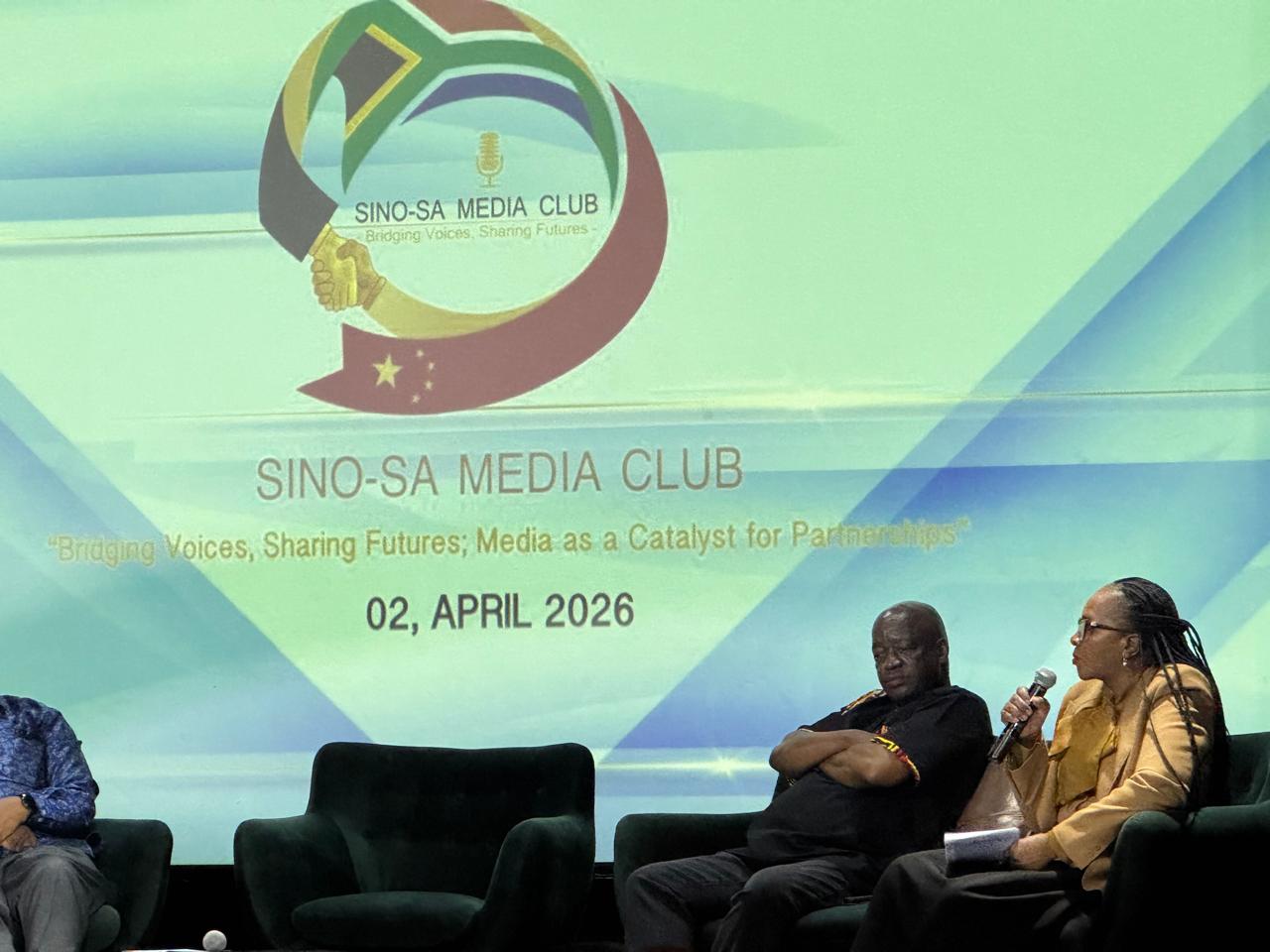
The establishment of this media club will assist greatly, therefore, if it can make available news makers and government spokespersons to interact with members of the media club under circumstances of mutual respect and common sense of patriotism.
The GCIS acting Director-General, Nomonde Mnukwa, said the SA government’s reputation is pro-media and pursuing a friendly collaborative engagement with journalists was a matter of public knowledge.
The media practitioners’ understanding and appreciation of SA’s national interest was also a matter GCIS was keen to foster and pursue with great determination.
Mnukwa was dead right.
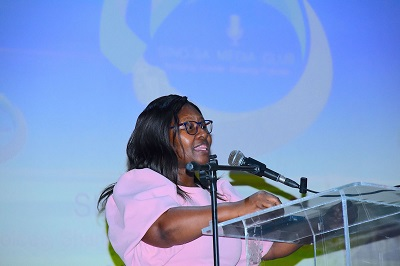
Media in SA – be it national or foreign owned, operates with unfettered freedom and in a constantly enabling environment. Imperfect as it is, the SA government is famous for regular media briefings through individual local, provincial and national departments. Additionally, every time Cabinet concludes meetings, it is followed by a certain media alert and invite from William Baloyi, the deputy national government’s spokesperson, where members of the media are taken through decisions of the government.
In the greater scheme of bilateral relations between Beijing and Pretoria, the certain interaction of journalists from the two nations will further enhance the people-to-people diplomacy.
This is hugely important in the context of a globalized world order that is inter-connected and inter-dependent. The advent of social media has disrupted the traditional comfort of journalism in both theory and practice.
The burden of responsibility and access to information for practicing journalists is enormous. Competition is no longer merely about breaking news, and who is first to break the news. Of greater significance is accuracy in this era of AI, where concoction and dissemination of fake news is real.
Institutions such as Sino-SA Media Club will in their own way and right pluck the gap of disinformation by becoming swiftly available to journalists, particularly when they know they have an established relationship or association within it. In the business of news gathering and reporting, trust between journalists and their sources is sacrosanct. It was refreshing to witness the desire by both the GCIS and Embassy of China in SA pledge to work respectfully with members of the media club in particular without excluding anyone who does not belong to the club.
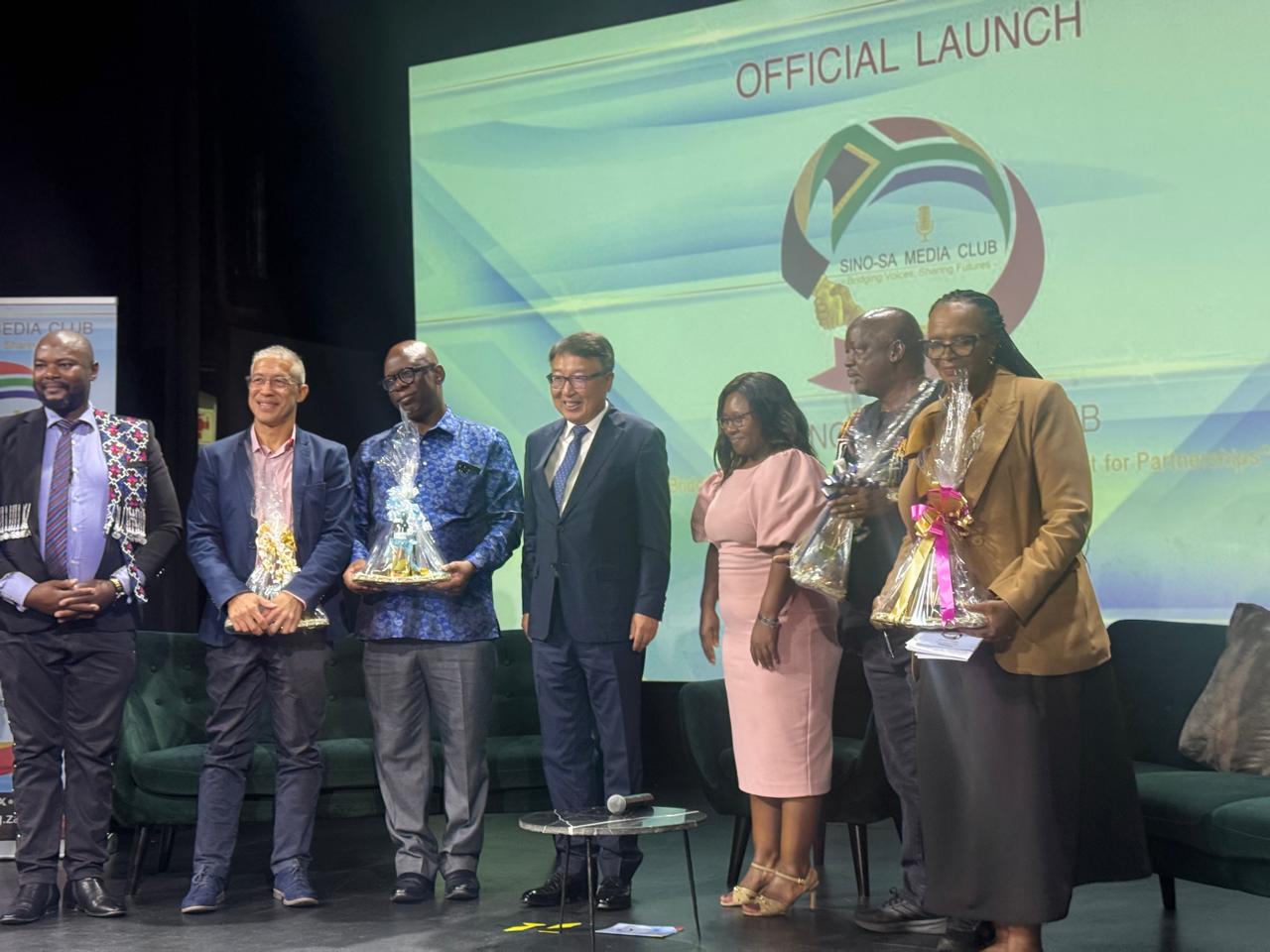
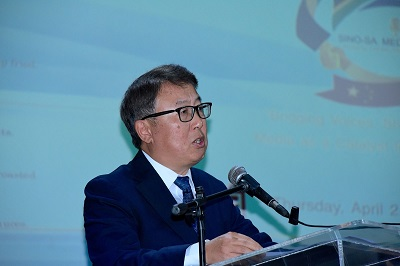
The Chinese ambassador in SA, Wu Peng, is a reputable communicator who interacts effortlessly with the media in both formal and informal environments. He sees SA is his second home, and has frequently expressed a desire to take bilateral relations between China and SA to greater heights during his tenure. Among his key interests is to assist in poverty-alleviation programs in collaboration with the Department of Social Development.
The Sino-SA Media Club will therefore, in my view, indeed serve to “bridge the voices” in pursuit of a shared future based on mutual respect. The biggest beneficiaries will be the readers, listeners and viewers who will be treated to breaking news that is authentic, on-the-record and official line of either government.
From a standpoint of a patriotic news publisher and editor, I share the same view as dozens of journalists who attended the launch when I express my full support for this pioneering initiative.
My hope is that it will be extended to wiser relations such as BRICS. In the current changes of great significance currently unfolding in world affairs, it is vitally crucial that the increasingly united voice of the Global South is reported accurately, fairly and timeously.
For far too long, the stories of the Majority World have been determined and told by the powerful Global North media and institutions from their own point of view.
As the African proverb says: “Until the lion learns to write, every story will glorify the hunter.” Indeed, colonialism and its rampant legacy continue to teach us that history is inevitably written by the victors. The narrative of any conflict favours those with the power to tell it.
It is in this light, therefore, that through proper cooperation and collaboration between media of both SA and China, our stories will no longer be told as if we are the vanquished. We have the resources, the know-how and desire to emulate the lions, and write our own stories. Hopefully, far from propaganda and mouthpieces, members of the Sino-SA Media Club will adhere to the fundamental ethos of journalism, which include reporting fairly and accurately.