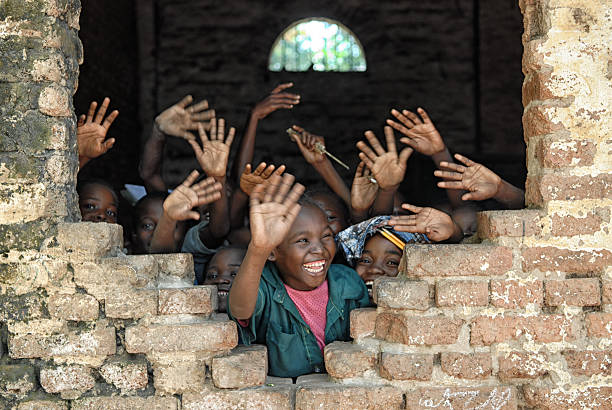
A friend shared a post reading nothing searches a soul like a group of men sitting at the back of a van and looking at you driving behind in the comfort of your car. Since then, I have had many encounters driving behind an open van with people sitting at the back. Each time the piercing awkward feeling of wonder, how the guys sitting in a cold van might be feeling and thinking looking at my seeming comfort in the car behind them. This short interaction always takes me to deeper thoughts of how one may contribute to improve people who may be experiencing poorer conditions than I am having.
When I was at university, I used to pass Hillbrow on my way to class. Hillbrow was and is still known for having a high concentration of vulnerable and homeless youth and seeing young boys in that situation on a daily commute really stuck with me. My engagement with the community in Hillbrow, led me to be part of the Twilight Shelter for Street Kids.
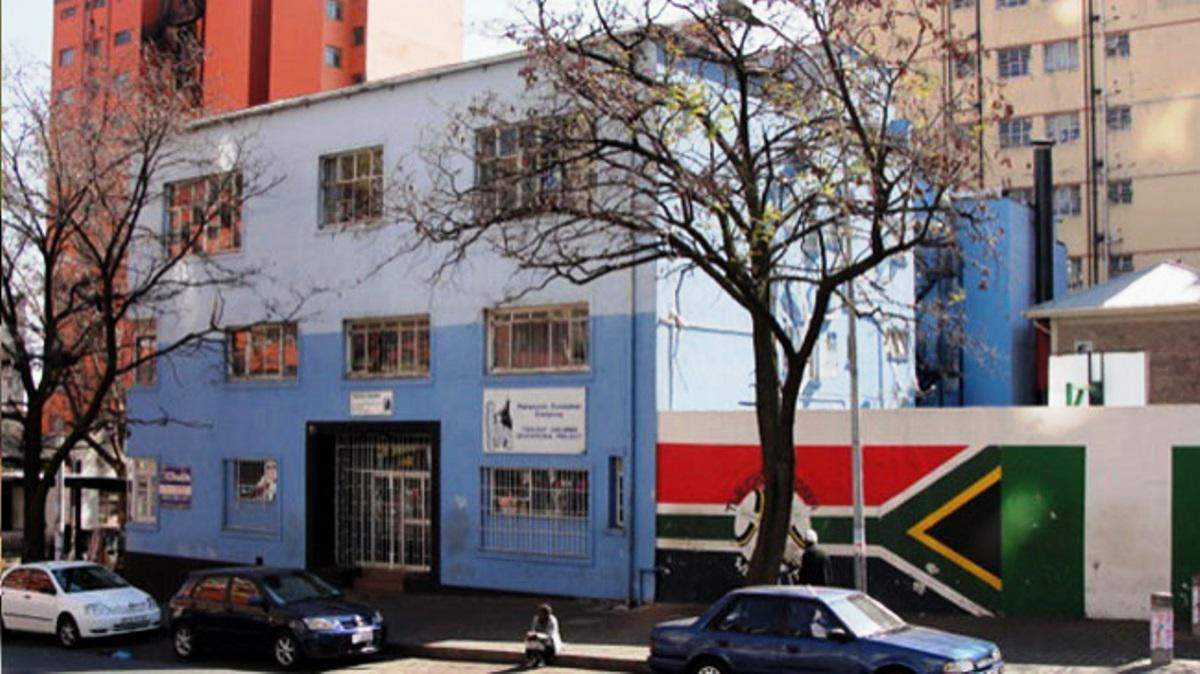
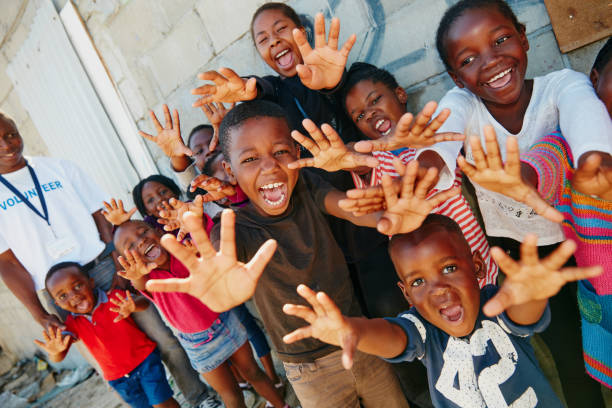
Upon visiting the shelter, I was shocked by the living conditions of the 120 boys that were calling the shelter their home. While the home was providing vital refuge, those kids were often dealing with a mix of challenges that included family breakdown, poverty, migration, or even abuse, many were ending up surviving days without proper food, schooling, or adequate support. Their bedrooms, showers, kitchen, and food they ate, left too much to be desired.
Being in my early twenties, I was still close enough in age to feel that “that could’ve been me” connection. Seeing young boys in Hillbrow living like that can hit especially hard because I could recognize their stages in life, their hopes, their confusion, and their need for guidance… That kind of empathy isn’t something everyone allows themselves to feel. It can be uncomfortable, but it said something important about myself, and I could not just look past them.
I took a decision to get involved and became an important part of a team that took the challenge head on, to change lives of some homeless young people in Hillbrow. For several years we raised funds, improved the structure and conditions in the home, took the kids to school, and re-unified several kids with their families. In the process I learnt that the good work we were doing was part of a fancy word called philanthropy. We often associate philanthropy with substantial financial donation to a particular cause, in this case it was street children. Raising funds is an important part of the equation, but philanthropy goes beyond the money. It includes a bigger commitment to social impact that encompasses time, talent, and expertise delivered in a focused, sustainable manner.
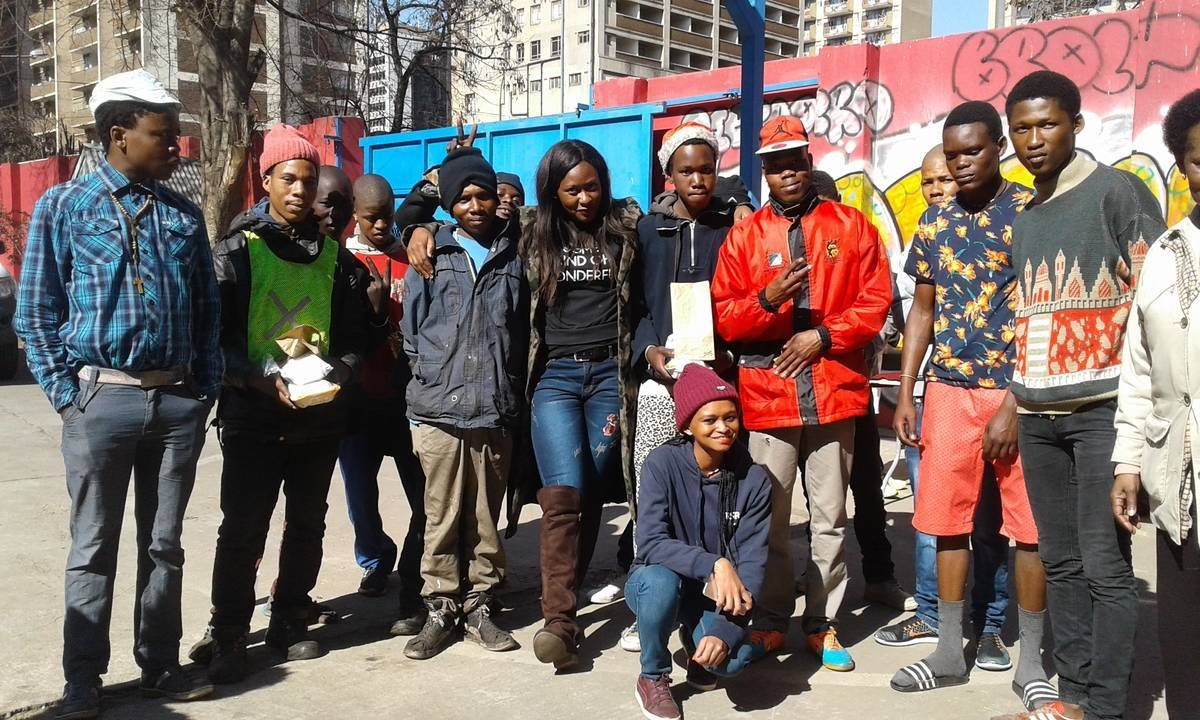
As we think about the guys at the back of the van, we may not have the answers to every problem. We may philosophise and debate about capitalism, communism, dictatorship, democracy, and all the eloquent descriptors. What remains for all of us is that we carry a responsibility on our shoulders to care more, to improve the plight of our fellow human beings. We can do this by committing and giving time and effort, taking one event at a time.
While money is vital, the most enduring impact of philanthropy will likely come from strategic, long-term engagements that leverage intellectual capital, networks, and personal commitment rather than isolated, one-time donations.
I urge every entrepreneur like myself to heed to the cries of the needy and do something about it.