More than 30 countries are said to have applied for a full membership of BRICS, signaling the growing significance of the strategic bloc in international relations.
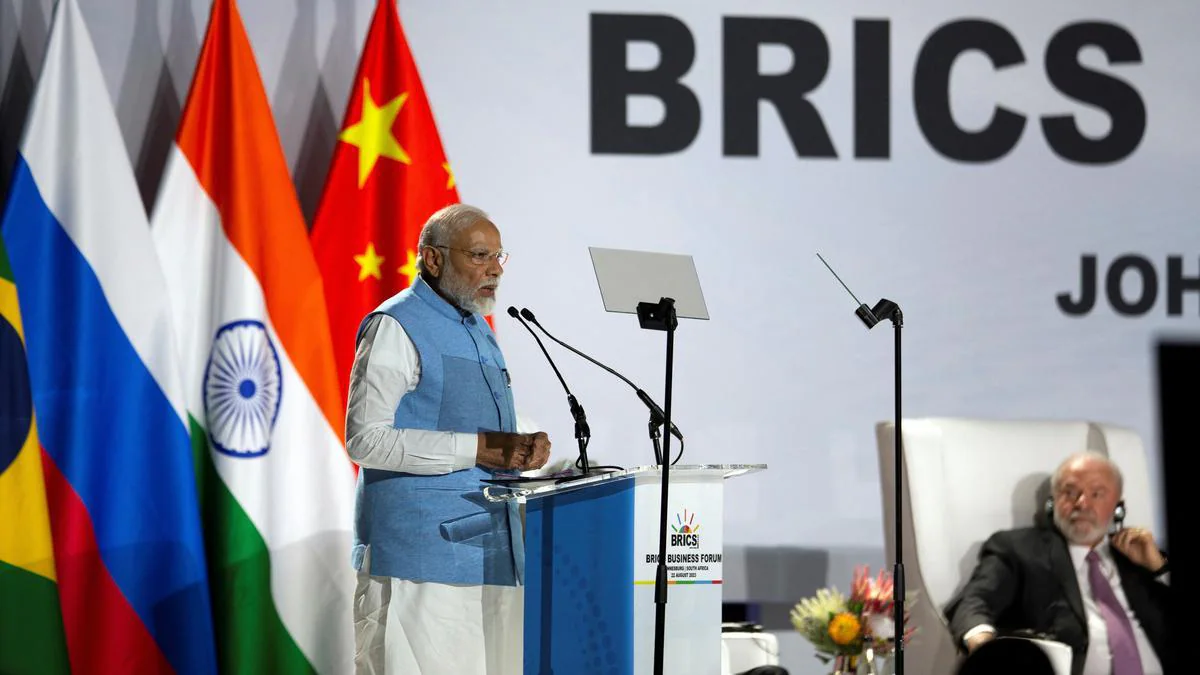
The decision of whether or not to expand the existing 11-member bloc will be taken at the next BRICS heads of state summit, also known as the 18th BRICS Summit, next month. It will be held in the Indian capital New Delhi under the custodianship of President Narendra Modi.
India is the current Chair of BRICS, having assumed the 2026 mantle from Brazil.
In August 2023, when the BRICS summit was held in South Africa, there were more than 20 countries that sought to join BRICS. The increasing interest in BRICS is not coincidental. It is intentional in every respect. The rush to BRICS is necessitated by the rapid reconfiguration of the international world order with major implications.
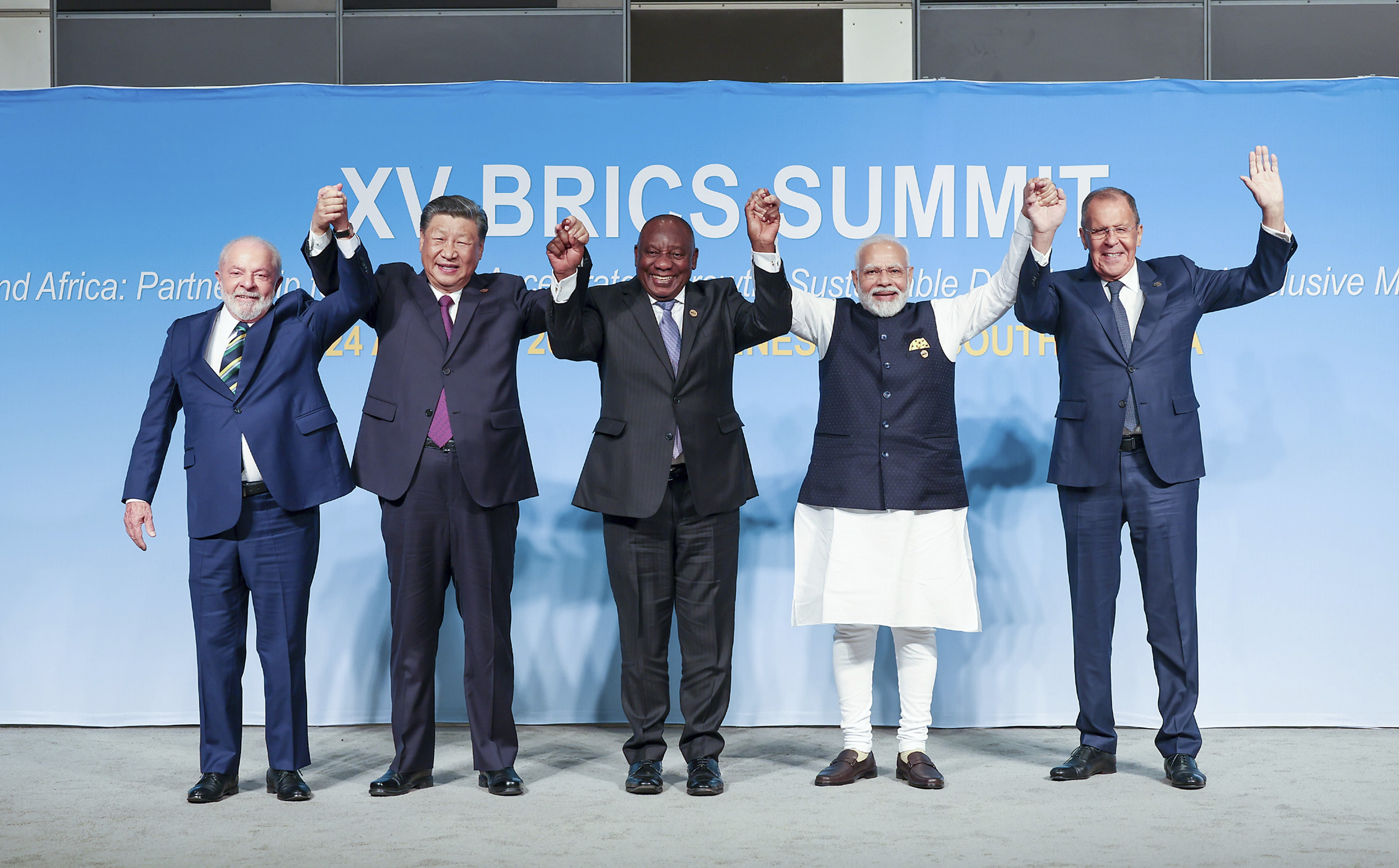
New alliances are carefully being formed. The voice of the previously inaudible members in the global affairs architecture is becoming brazenly louder. South-South relations continue to take new meaning, enhancing inclusive growth and cooperation. The Global South, also known as the Majority World, is undergoing rejuvenation that has gradually challenged the dominance of the West in media representation, agenda-setting as well as the control of the narrative.
At the heart of these changes of “great significance” – as international relations scholars describe it, lays BRICS as a catalyst for change.
Social Sciences contend that change is two-fold: good change or bad change. Paraphrased, the resurgence of BRICS as a force to reckon with is akin to “one man’s meat is another man’s poison”.
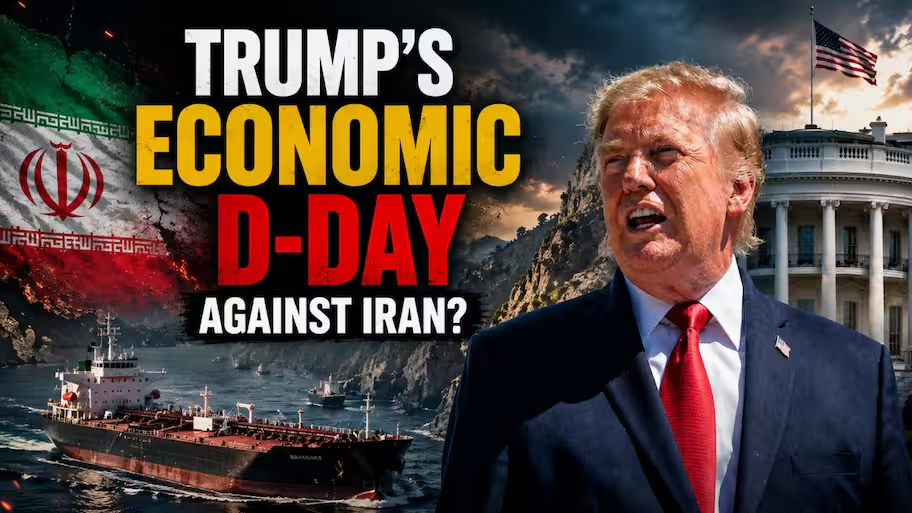
For instance, the US President has consistently threatened to impose tariffs on any BRICS country that participate in the so-called “de-dollarization”. This is a development that seeks to end Global South dependence on the US-led SWIFT payment system. Or use dollar as a currency of trade in transactions that has nothing to do with Washington.
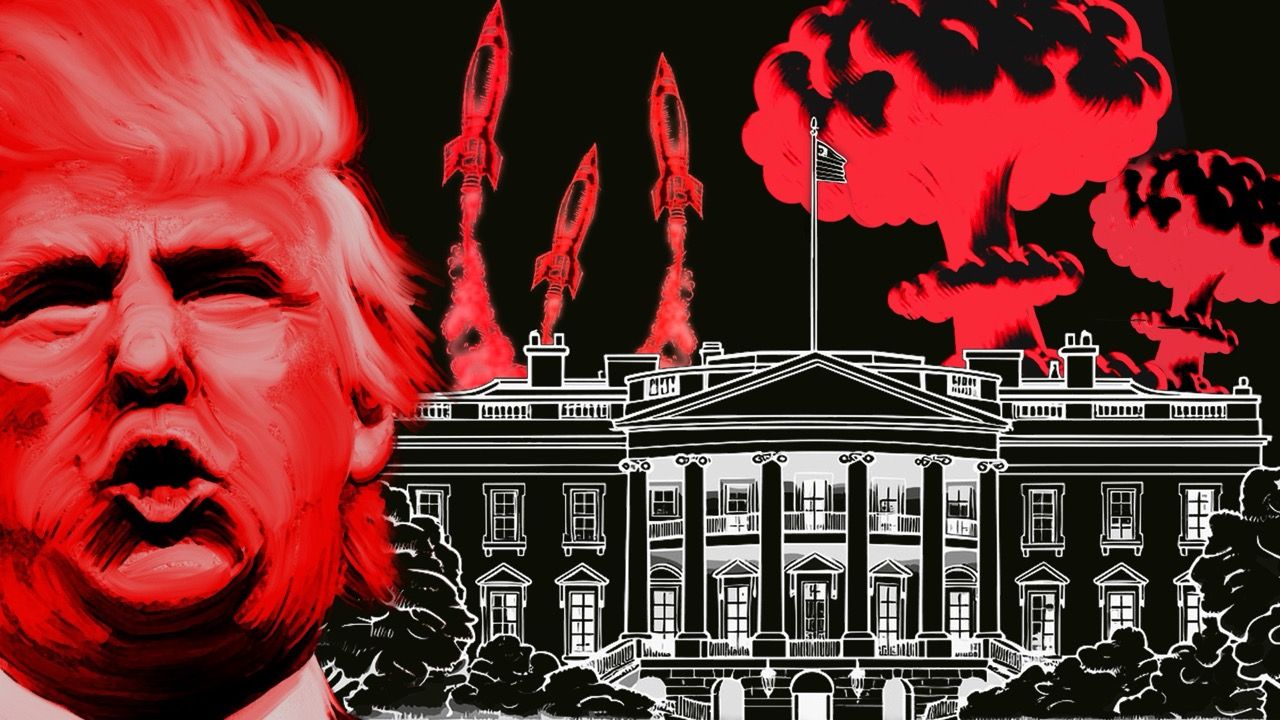
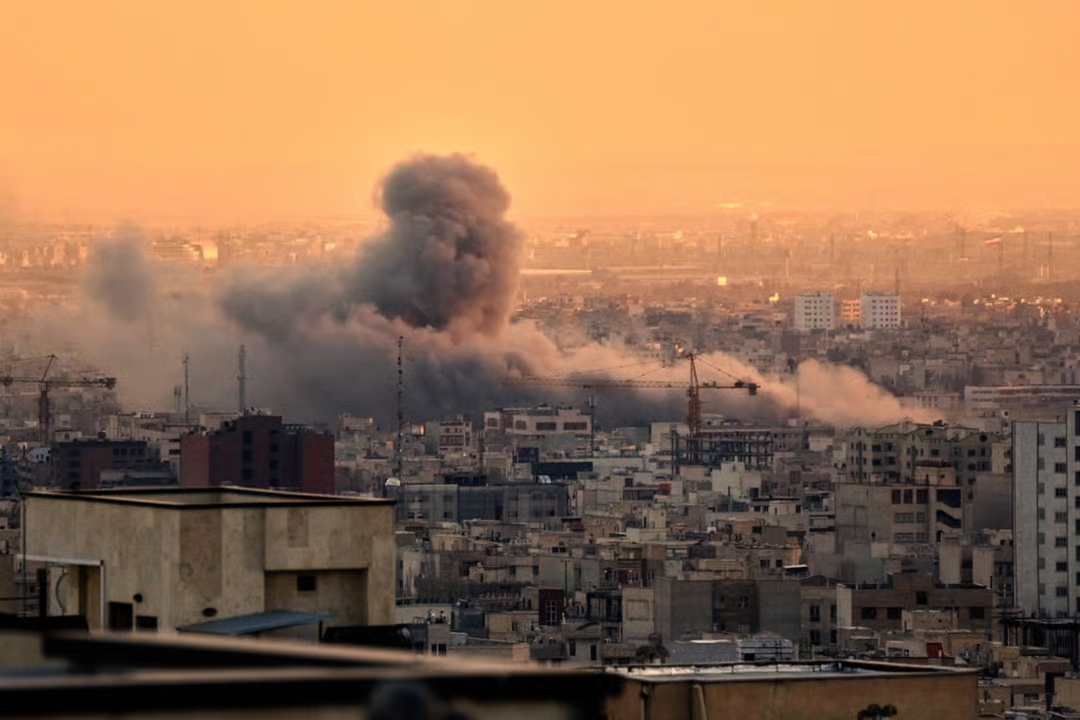
Such a move will of course adversely affect the ailing US economy. Washington’s continued entanglement in endless wars is taking a toll on the population. America’s war of choice against Iran has lasted a lot longer than the Trump administration had anticipated. The White House had thought Iran would be just like Venezuela – a get in and get out military exercise with swift precision. The grave miscalculation has come back to bite President Trump and his GOP base.
In November, the mid-terms will be held amid a rising tide of disdain against the Republican administration and President Trump’s plummeting approval rating. Like Shakespeare’s Julius Caesar, Trump must “Beware the Ides of March”.
Through all these mammoth political challenges, which are aggravated by Washington’s unilateralism, BRICS is seen as an alternative magnetic force for “good change”. Change that see so-called emerging economies bound together by the ethos of unity in purpose.
Now, desire to join BRICS is no longer a matter of sheer diplomatic curiosity. It is a force inside the winds of change that are blowing. BRICS membership has assumed great importance in geopolitics. It influences trade, international debt and its settlement, security and that revolutionary principle: Solidarity.
The shift in global relations is now impacted by countries that no so long ago easily paled into geopolitical insignificance. The 11 BRICS member-states combined represent almost 50% of the global population, 40% of global GDP and nearly 30% of global trade.
In addition, BRICS has ramped up a growing list of “partner countries”. These are cautious countries that fear repercussions from the West for aligning with BRICS. As a result, the partner countries see BRICS as some kind of an on-ramp for alignment without full political exposure associated with membership dynamics. BRICS partner countries are allowed, among other benefits, to participate in key meetings.
Among countries that have formally applied to join BRICS include NATO member Turkey, Cuba, Venezuela and Azerbaijan.
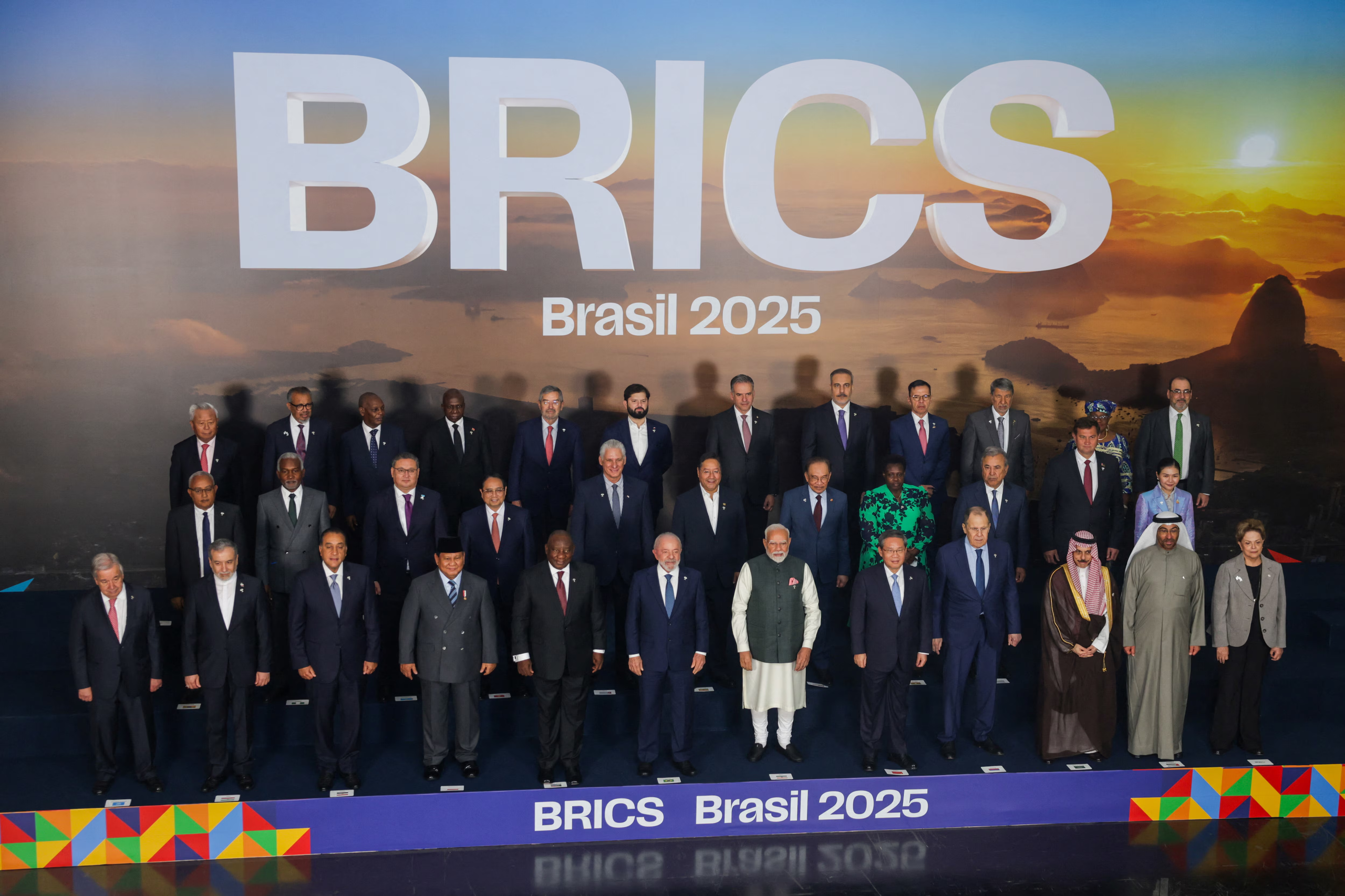
Among strategic reasons often cited for joining BRICS are: Trade re-routing and finance alternatives under geopolitical pressure, commodity development and infrastructure finance optionality and diversification, strategic connectivity and non-Western funding and geopolitical exposure.
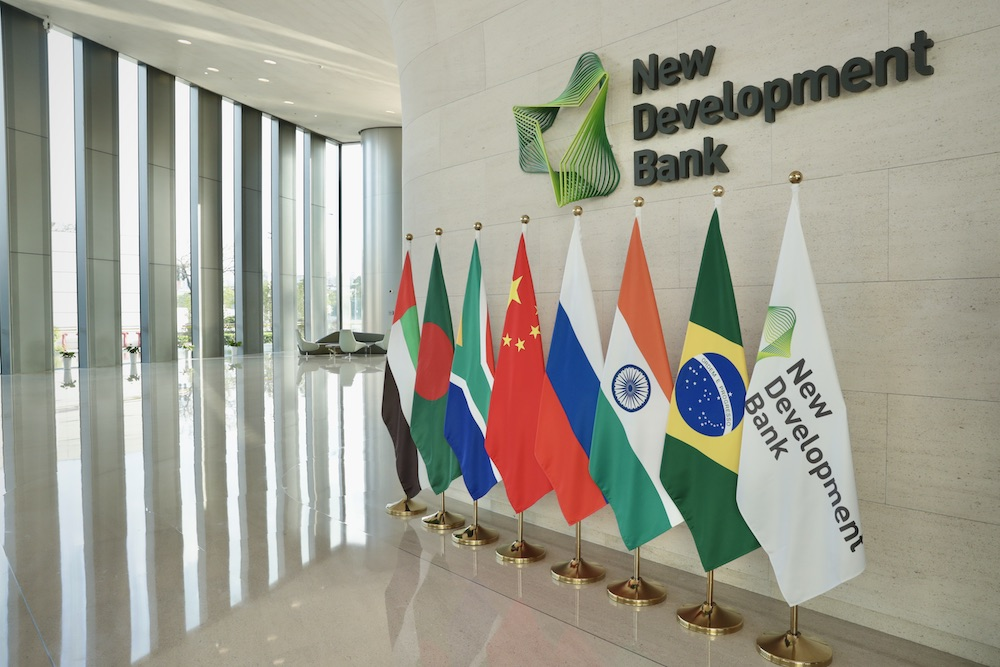
The New Development Bank, also known as the BRICS Bank, offers alternatives modalities and alternative forms of funding, far different to the stringent financial controls associated with the World Bank and the IMF, which interferes in the domestic politics and sets the economic policy and direction of indebted countries.
The fault lines in the international governance system – seen through the impunity of Western-aligned powers such as Israel, feeds in the stance that unless and until the Global South nations club and sticks together, the colonial strategy of divide and rule will work against the development of emerging economies.
BRICS is thus seen as the answer to latter-day sophisticated forms of subjugation. I bet membership of the bloc will be increased further in India.