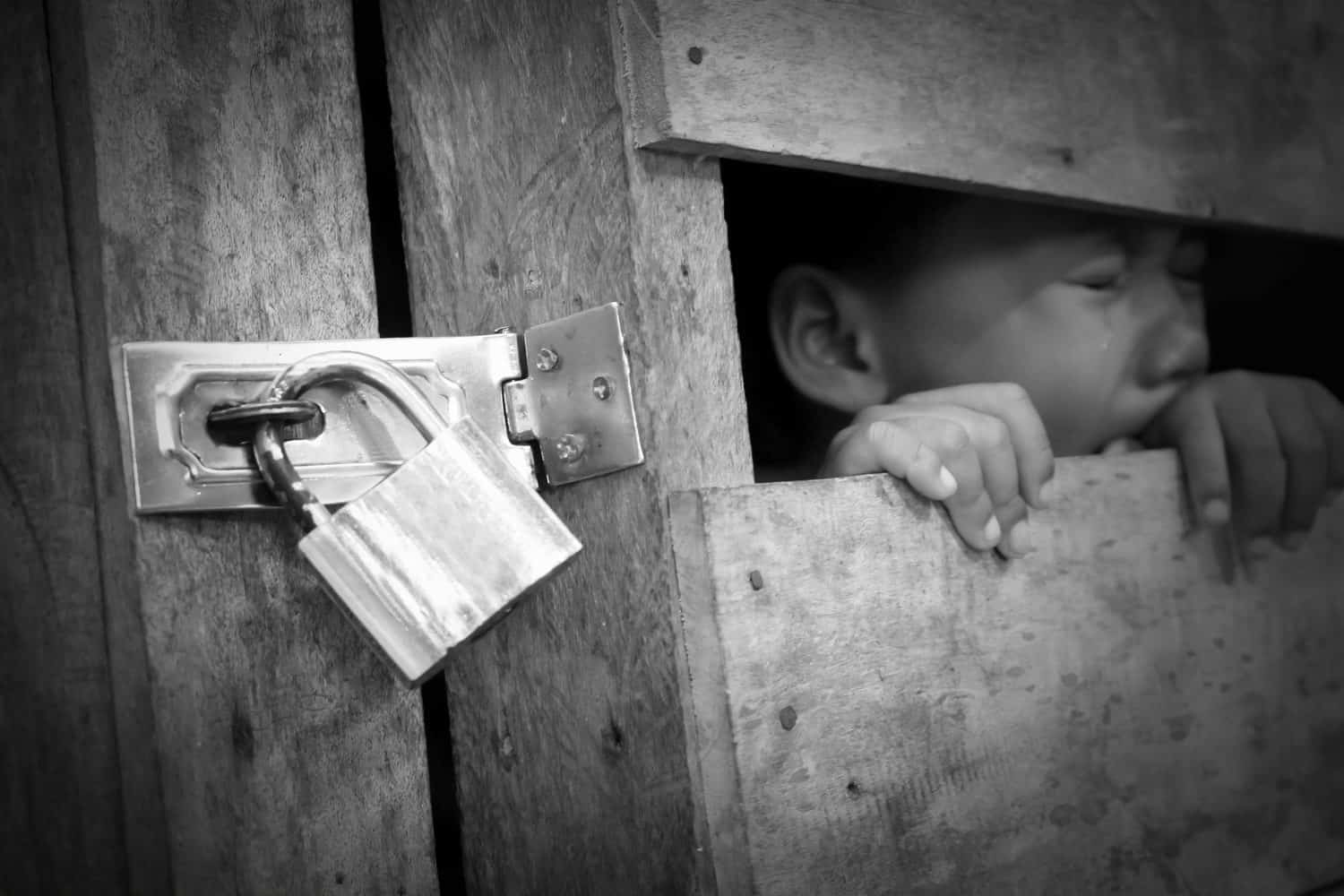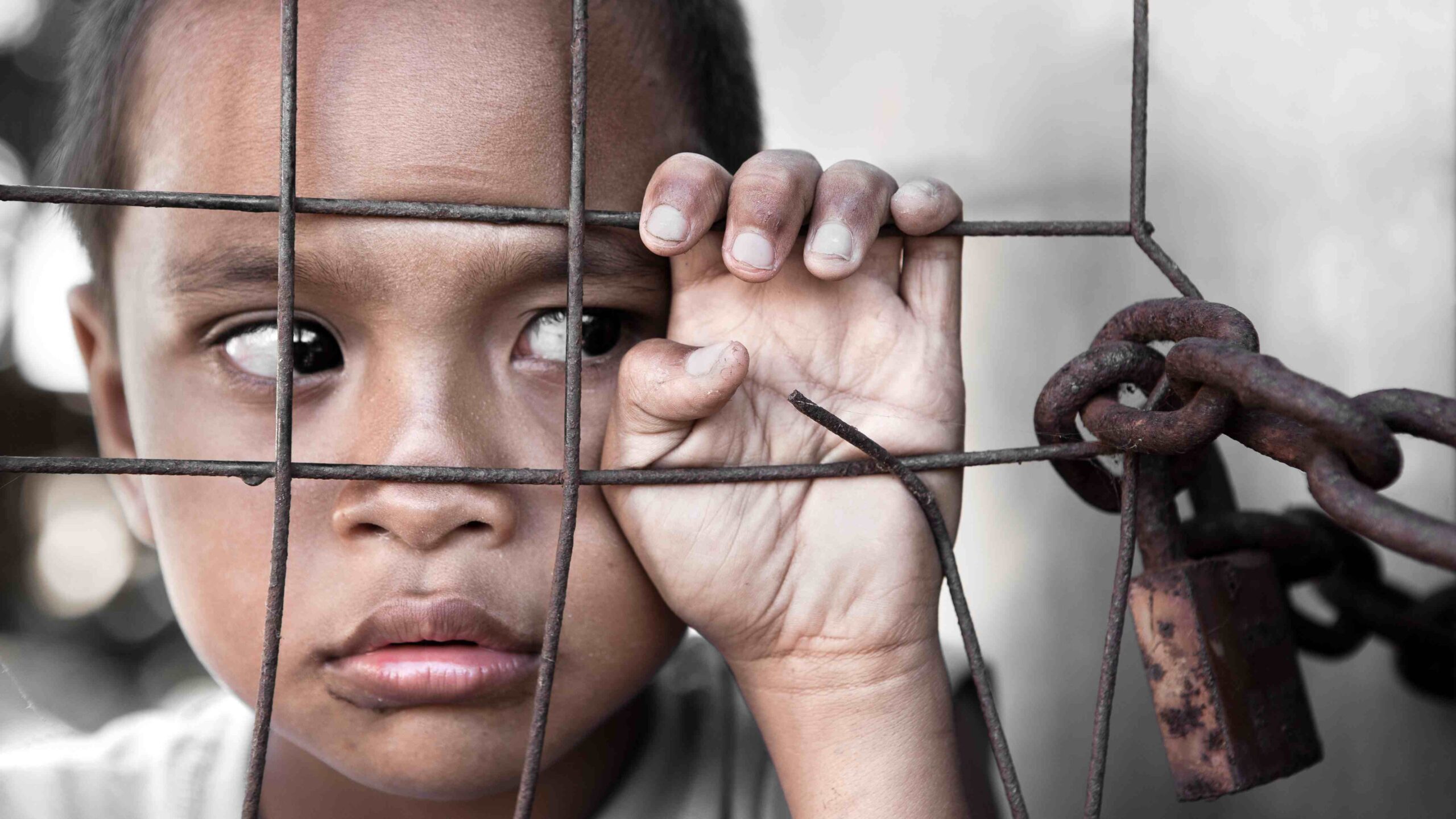
There is something profoundly disturbing about the idea that an 11-year-old child could be treated as a source of income. But what should disturb us even more is that we can look at a case like this, call it horrific and move on, without asking how many other children are being exploited right under our noses.
In Strandfontein, a community resident has raised the alarm over allegations that an 11-year-old girl was being sexually exploited for as little as R100. A video in which he appeals for help has since trended across social media.
According to the resident, the father allegedly said the girl had to “work” because he had no money, expecting an 11-year-old child to earn whatever he fails to provide.
Regardless of the torrid details, this is not simply a story about a desperately poor family making desperate decisions. It is a story about what happens when a child’s vulnerability becomes something adults believe they can profit from.
That is where South Africa needs to have a much bigger conversation about child trafficking. From Joshlin Smith, to Omphile Sithole, to Lebone and Lethabo Phalatse, and so many more, children are being snatched up from right under our noses, and too little is being done to stop this ruthlessness.
According to the SAPS Missing Persons Bureau data, approximately 1 700 children are reported missing every year. That’s one child disappearing every five hours. Worse, these do not even constitute the countless cases that go unreported.
When we hear the word “trafficking”, many of us still imagine something distant and organised: children being smuggled across borders, strangers luring children into cars, criminal syndicates operating somewhere beyond our view. But exploitation does not always announce itself that way. Sometimes it happens inside our communities, schools and homes. Sometimes it happens through people children know. Sometimes the person who is supposed to protect the child is the person putting them at risk. And sometimes, poverty is used as an excuse to make the unthinkable sound inevitable, when actually, it isn’t.
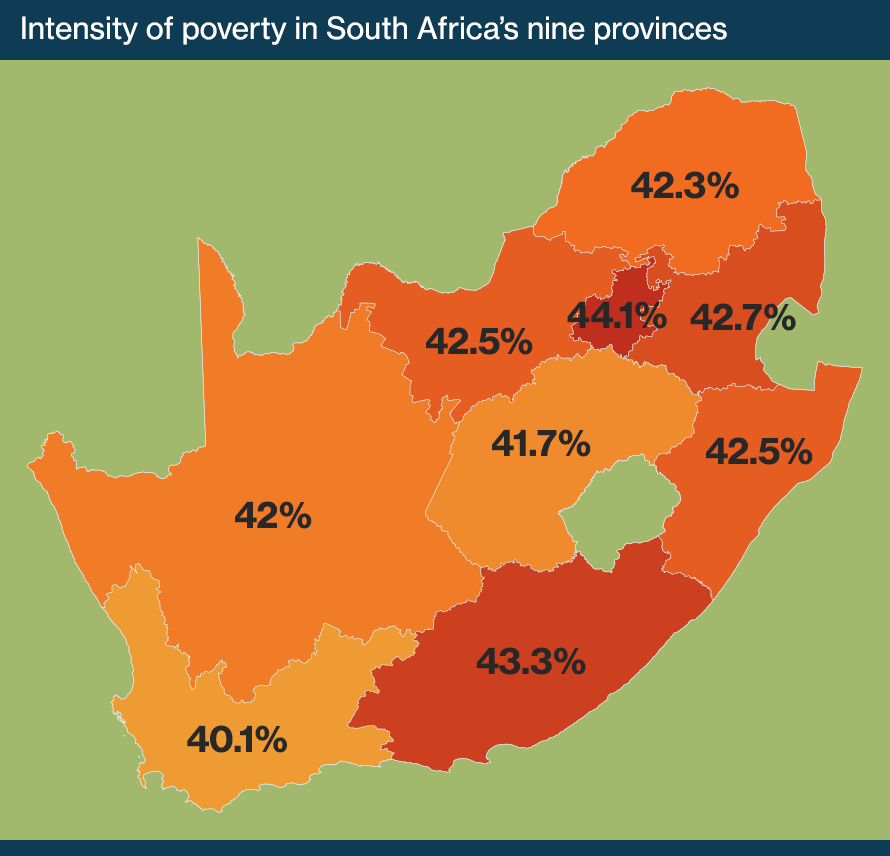
South Africa is one of the most unequal countries in the whole world. We know what poverty looks like. We know how unemployment ravages households. We know what happens when families are forced to survive without enough food, decent housing or meaningful economic opportunities. But there has to be a line we refuse to cross. A child’s body cannot become that line.
The moment we start explaining the sexual exploitation of children primarily through poverty, we risk making exploitation sound like an unfortunate consequence of being poor, rather than the deplorable abuse of power that it is.
Children are particularly vulnerable because they have little-to-no power to escape exploitation. That is why South Africa’s response to trafficking cannot begin and end with arresting perpetrators, often long after a child has been irreparably traumatised.
We need communities that know what the warning signs look like. We need social workers and law enforcement agencies that respond swiftly and effectively. We need schools and institutions that know how to identify vulnerable children. And we need a justice system capable of ensuring that those who exploit children face serious consequences, rather than a mere slap-on-the-wrist.
Most importantly, we need to confront the demand that allows exploitation to thrive in our society. Women and children are certainly not being sexually exploited because there is no market for it. They are being exploited because there are always nefarious perpetrators, waiting and willing to pay. That is the uncomfortable truth, but it is one we cannot afford to avoid!
The Western Cape Department of Social Development has also confirmed that it is cooperating with the investigation and conducting an internal investigation into allegations of a delayed response to concerns involving the children. But this isn’t just a Western Cape issue; it is a nation-wide pandemic! Our society is already smothered under the pressures of rampant crime, drug abuse, poverty, homelessness, and so much more. Human trafficking, and the targeting of children, is sure to send us over the edge, if we do not address this crisis with serious conviction.
Because somewhere in South Africa, there is another child who may be vulnerable right now. She may not have a viral video. She may not have a neighbour willing to intervene. She may not have anyone asking where she is, who she is with or what is happening to her. And that is the part that should keep us awake.
We cannot keep waiting for children to become headlines before we decide they were worth protecting.
An 11-year-old should never have to “work” to keep a household alive. She should never be treated as something that can be bought for R100. And she should never have to carry the consequences of failures that belong to adults.
If South Africa is serious about ending child trafficking, then we need to stop measuring our success by how loudly we respond after a child has been exploited. The real measure is whether we build a country where no one ever gets the chance to put a price on a child’s life.