The first week of every August month in history exposes, in my view, the depths of the failures and deep-seated false pretenses of international diplomacy as a vehicle for civil resolve of differences and consensus-building mechanism.
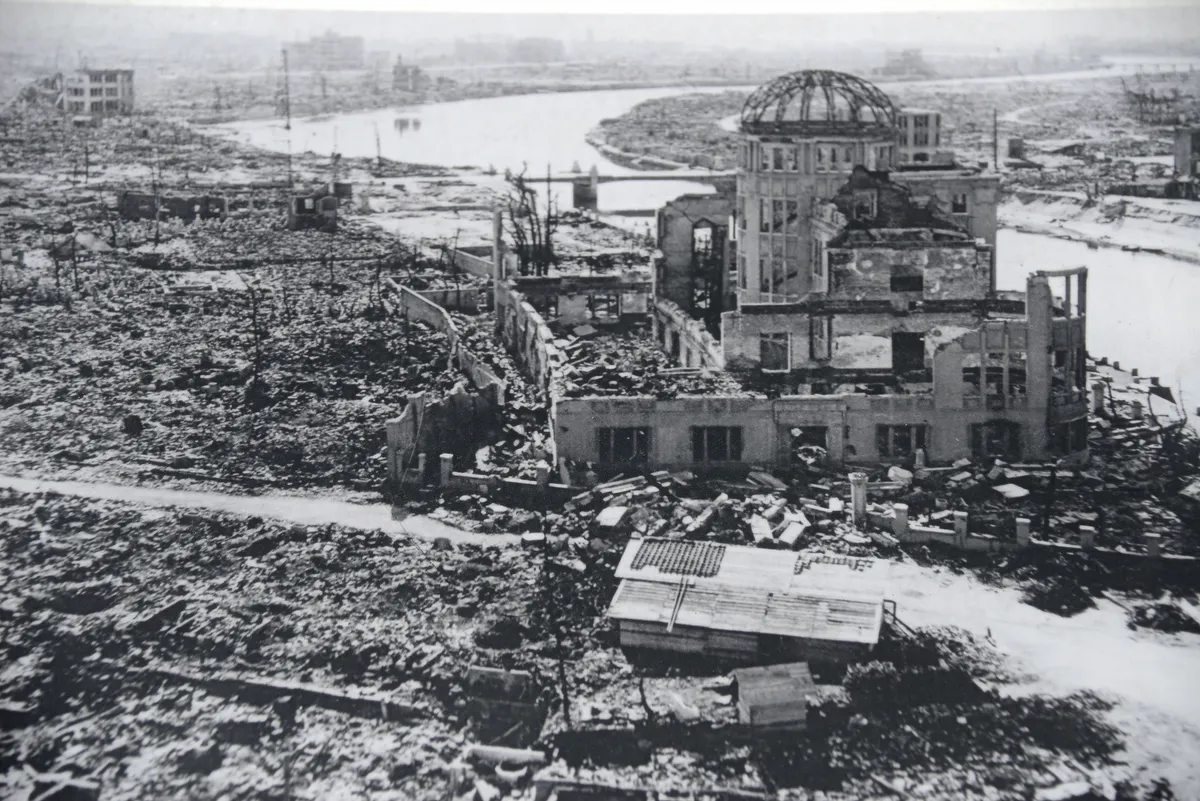
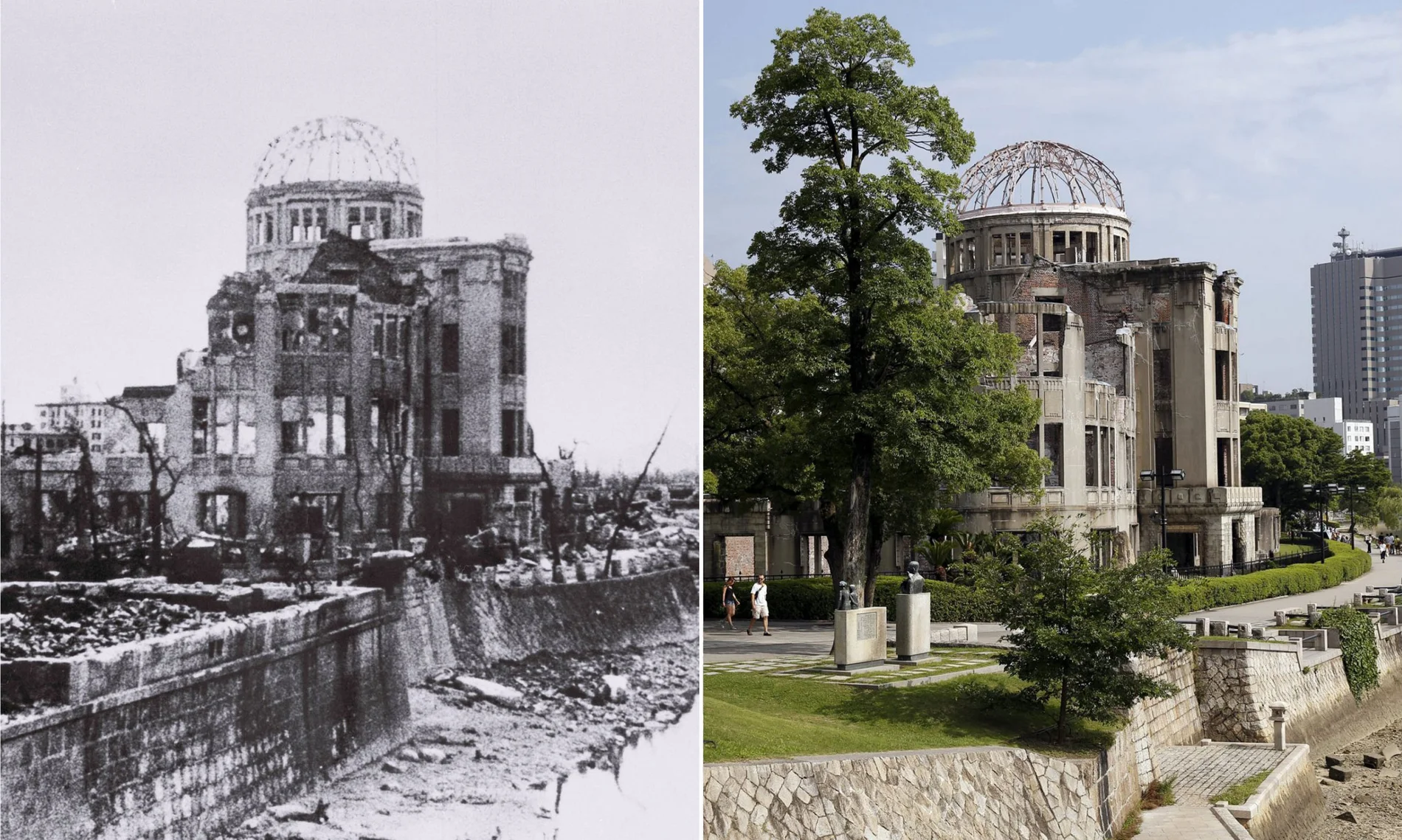
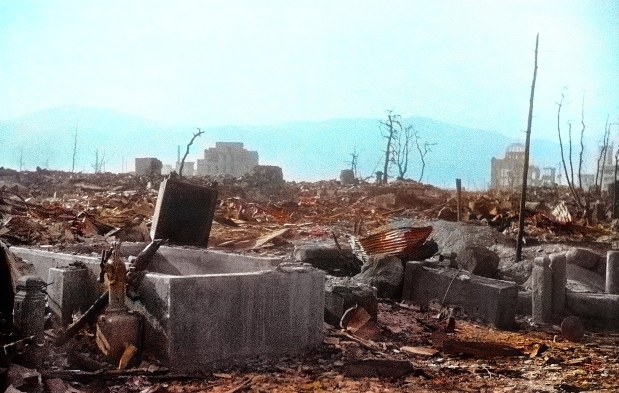
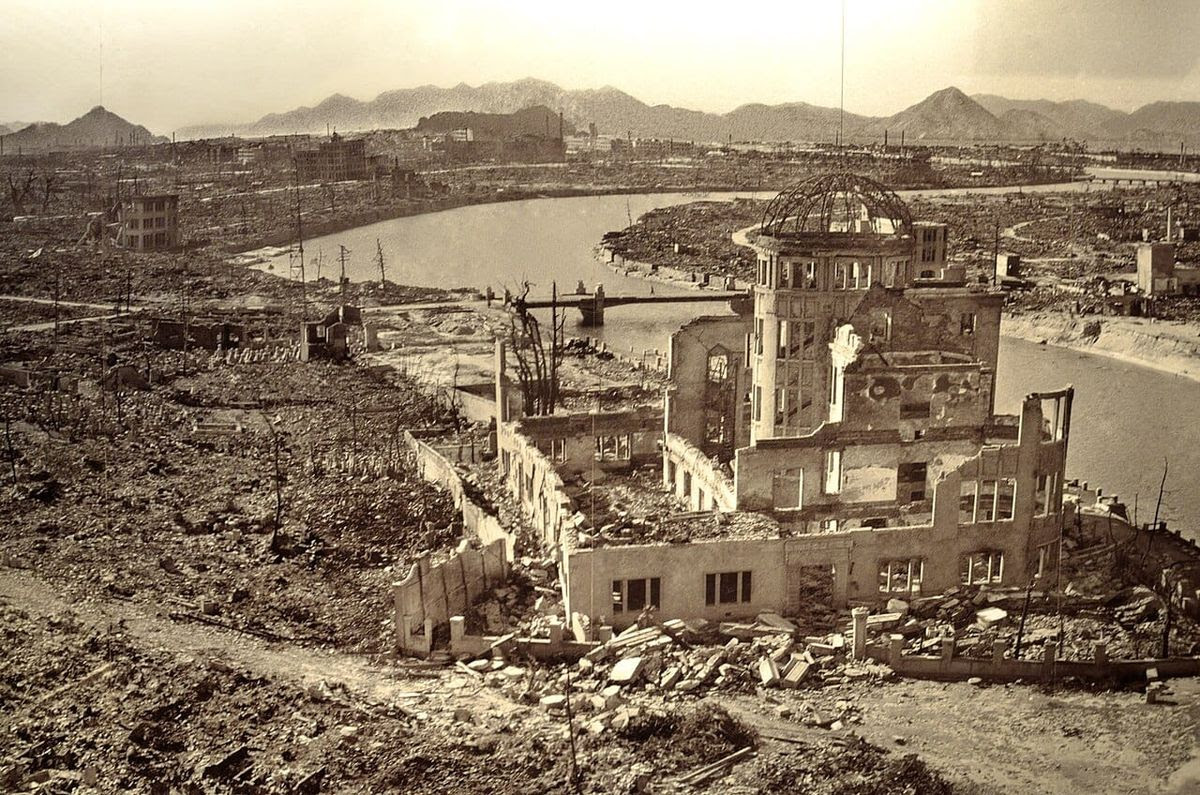
It was on August 6 and 9 respectively, 80 years ago when the US dropped atomic bombs on Hiroshima and Nagasaki within three days apart, killing and maiming tens of thousands of innocent people in an unprecedented and unexpected jiffy.
Many around the world oftentimes ill-advisedly places tremendous importance on the total fatalities from nuclear bombardment of the two Japanese cities in 1945. However, methinks of greater significance is the world’s response in the aftermath all these years later. It is in the lackadaisical global response that I take umbrage. The disingenuity and deceitful nature and form of diplomatic engagements that has followed the dreadful events in Hiroshima and Nagasaki has steadfastly exposed what social scientists refer to as the disordered faults of progress in the post-WWII international world architecture built on the cooperative nature of the UN Charter.
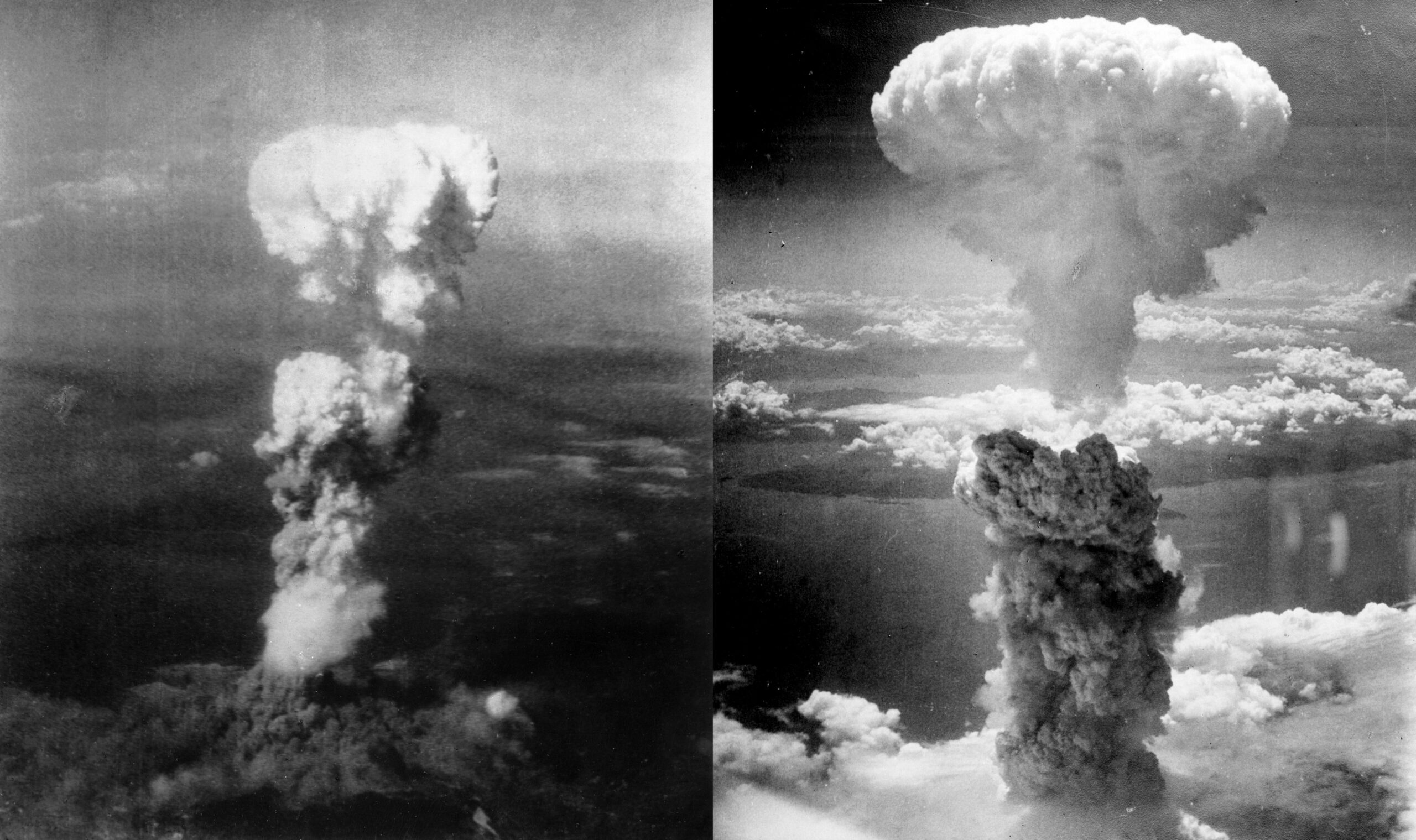
Every year on August 6 and 9, Japan holds “Peace Ceremonies” in Hiroshima and Nagasaki. It is a painful period of annual reflection for the entire Japanese nation. It is a time when historical wounds are reopened. History revisited with tears and heartbreak. Over and above, it is a time to mitigate the pains of lingering yet unanswered question: Why did the US bomb the cities and secondly, perhaps more importantly, why has the US not apologized throughout 80 years?
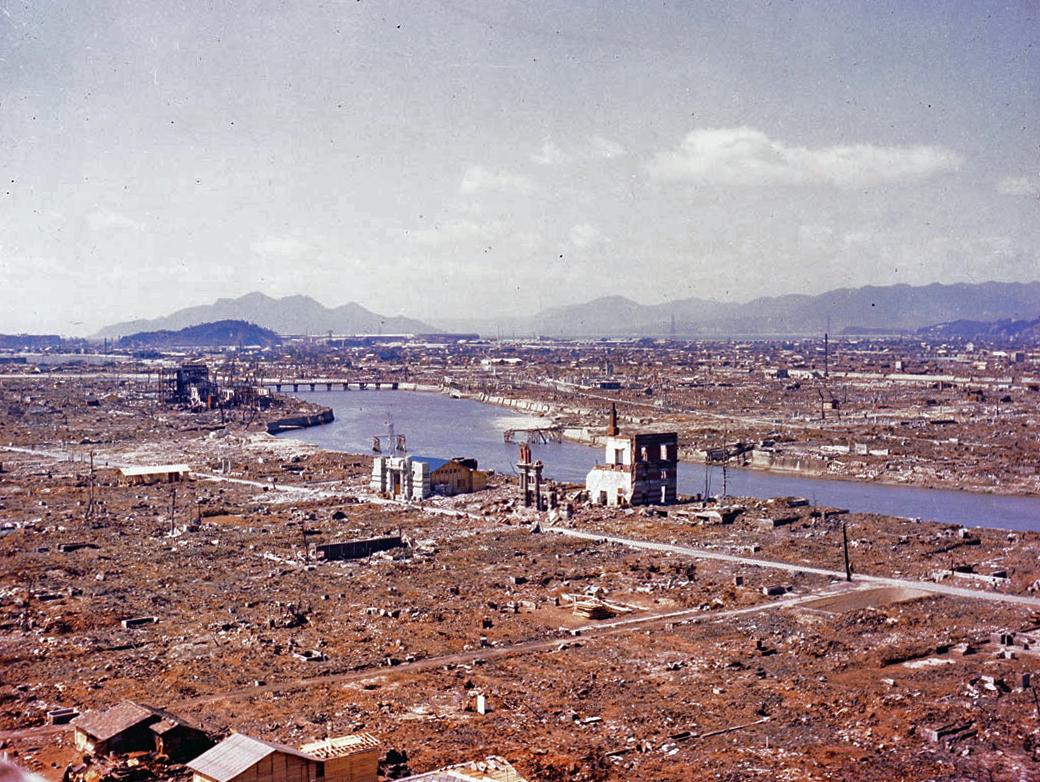
For the uninitiated, let me recap: From Hiroshima alone, then a city of 350,000 people, America’s atomic explosion killed a total of 140,000 innocent civilians.
In Nagasaki, 74,000 people perished shortly after the US pilots had dropped the atomic bombs on the city.
This year Russia, a leading global nuclear power, expressed its exasperation with the seeming double-standards in international relations which have permeated every sphere of society including the highest office at the UN.
In a Global North-dominated world order, led by the US through its hegemony dating back to immediately the end of the WWII in 1945, the narrative around Hiroshima and Nagasaki have been dominated by the West, which has refrained from blaming the US for the atomic bombings.
Responding to Washington’s failure to apologize for the unprecedented atomic bombardment in Japan, and the world’s failure to demand accountability, Russia’s Foreign Ministry’s spokesperson Maria Zakharova was vividly livid.
She said Western politicians deliberately echo one another, consciously avoiding to mention that it was the US that dropped the atomic bombs on Hiroshima and Nagasaki. Instead, added Zakharova, they push a line that says “both the US and Russia had failed to learn lessons from those mistakes”.

She called it an unbelievable fake narrative. “And yet the UN Secretary General Antonio Guterres,” she charged, followed suit, issuing a statement on the occasion of this tragedy that fully omitted any mention of the United States.” She added that the narrative was intended to erase the Hiroshima and Nagasaki guilt from the US, and in doing so they apportion to blame to Russia. It is the West’s nuclear hypocrisy, she said.
Zakharova further asked: “What does lack of condemnation mean for the US? It creates a comfort zone for them. It doesn’t push them out of it. It keeps them in it so they don’t have to wonder over questions like: Do you regret it? Would you do it again?”
Emmanuel Pastreich, President of the Asia Institute, said the 80th commemoration of the Hiroshima and Nagasaki bombings should mark a time for truth and accountability.
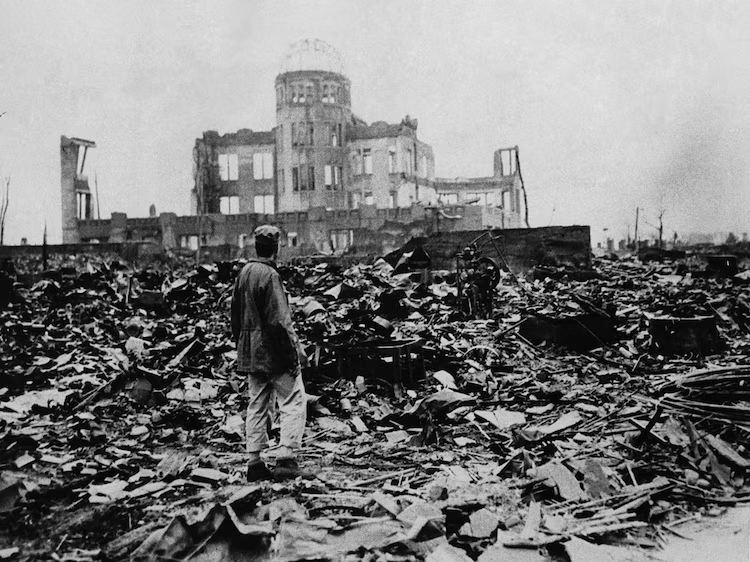
He said the 1945 bombings “weren’t militarily necessary – they were a demonstration – a test of power, a message to the world and a geopolitical gambit targeting the USSR”.
He added: “Eighty years later the US still refuses to apologize, clinging to nuclear dominance as a rickety crutch. Instead of disarmament, they have modernized those weapons, spending trillions while science and ethics decay.”
The Western narrative over Hiroshima and Nagasaki continues to be domineering to such an extent that, now a close ally of the US and a member of the US-led G7, finds itself egg-dancing around the authentic history of bombings.
At this week’s ceremony at the atomic memorial site of the tragedy, the Japanese Prime Minister Shigeru Ishiba, could only express mourning for “100, 000 precious lives” – but never named the US, the nation that everybody knows had dropped the bombs.
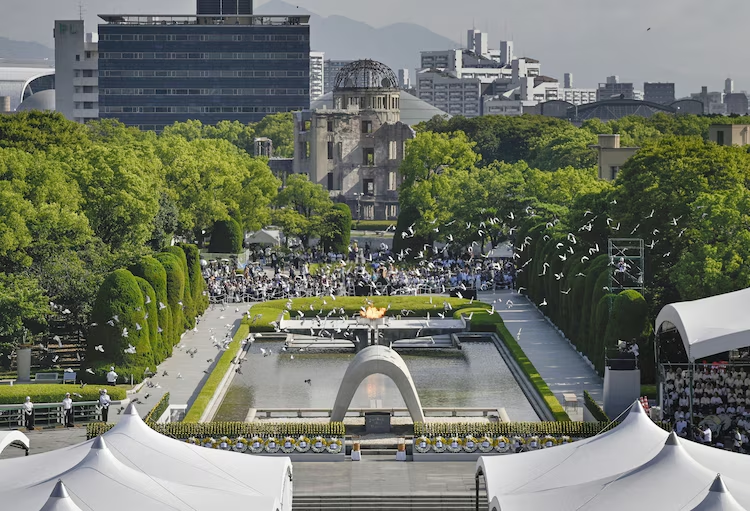
Such is an example of the manifestation of bogus diplomacy that dominates the US-led unipolar world order.
This blatant attempt to misrepresent history cannot succeed. It has been correctly documented by upright historians and instead of tweaking the naked facts, the US and the West would do well to own up and do good by the people of Japan who still hurt to this day.
In an ideal international world order based on the UN Charter of equality and mutual regard for one another, the spectre of unilateralism would never have succeeded to the point where the G7 has all but replaced the UN governance system.

The dishonesty in global diplomacy and the brazen usurp of the global governance by the West, based on their ideological prescripts such as their brand of democracy, has become the international yardstick that blatantly disregard cultures, traditions and indigenous epistemology of the individual UN member-states.
Consequently, such acts of inequity among the nations of the world based on their ideology and geography has divided the global village despite the advent of globalization in which the world has contracted and become inter-connected and inter-dependent.

The 21st century has brought about rapid technological advancements and disparities in international development. Sadly, the more developed nations have taken it upon themselves to be the leaders of the world, forming and solidifying their respective poles of power. The deliberate distortion – by commission or omission – is the repercussion of the balkanization of the international system that has gradually erased the notion of equality among the nations of the world.
Yet, if truth be told, it is never too late to make amends.