“Dumelang. Avuxeni. Ndi Matsheloni. Lotjhani. Sanibonani. Goeie môre. Molweni. Good morning.
Greetings to all the women of South Africa. It is an honour to be here in Limpopo to celebrate Women’s Day with our mothers, our grandmothers, our sisters and our daughters. We, the fathers, grandfathers, uncles and sons of our nation celebrate alongside you today. We honour you, we pay tribute to – the ones who are the very fabric of our nation.
Men and women complement each other. We are equal. Under our constitution. Before the law. And so should it be in our homes, in our communities, in our marriages and in our families. When a woman is empowered – everyone gets empowered. When women prosper, we all prosper. When women rise, we all rise.

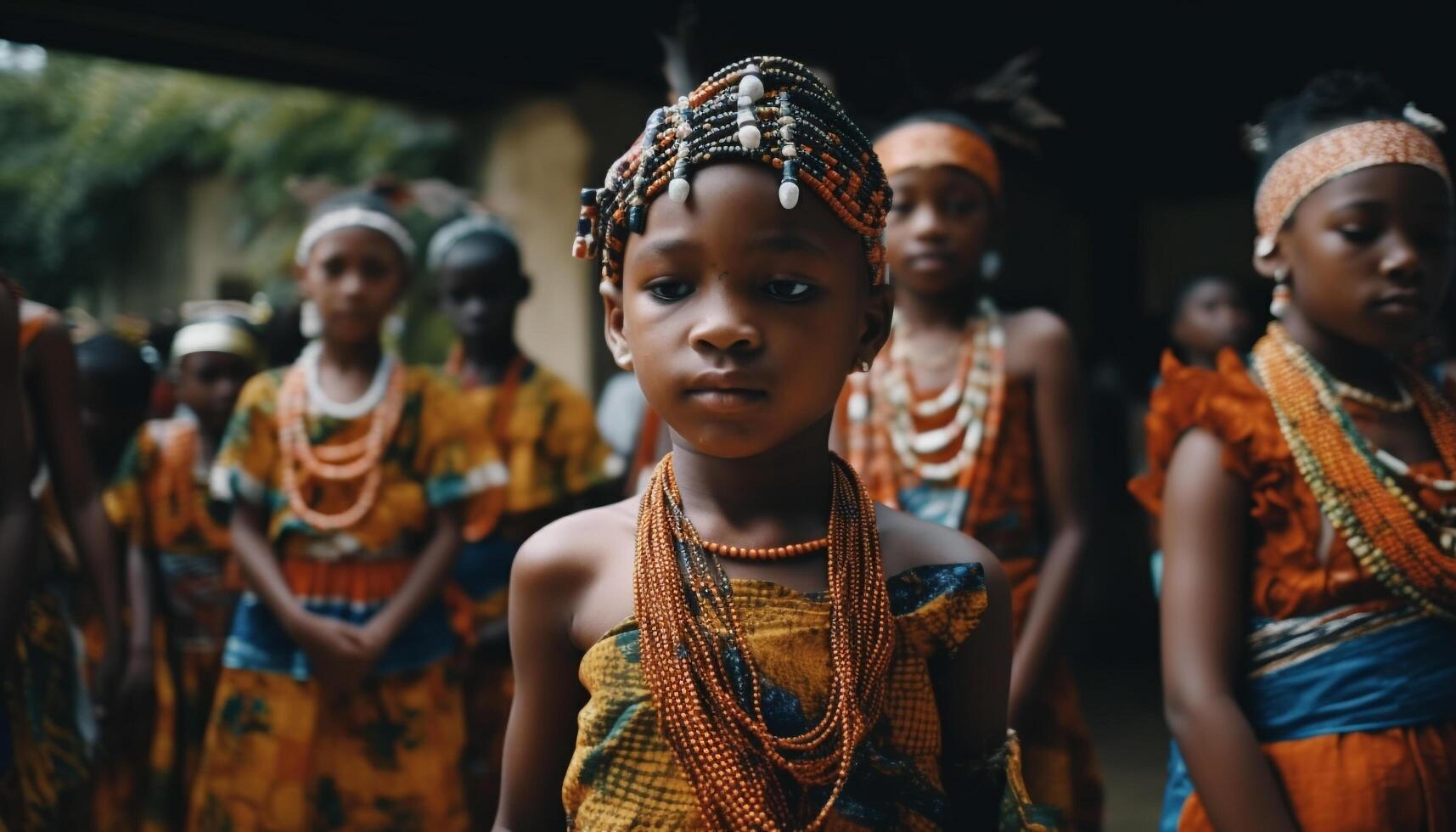
Today we pay tribute to all women of South Africa – Izimbokodo. Our Helpers. Our Anchors. The possessors of unique empathy, kindness and compassion.
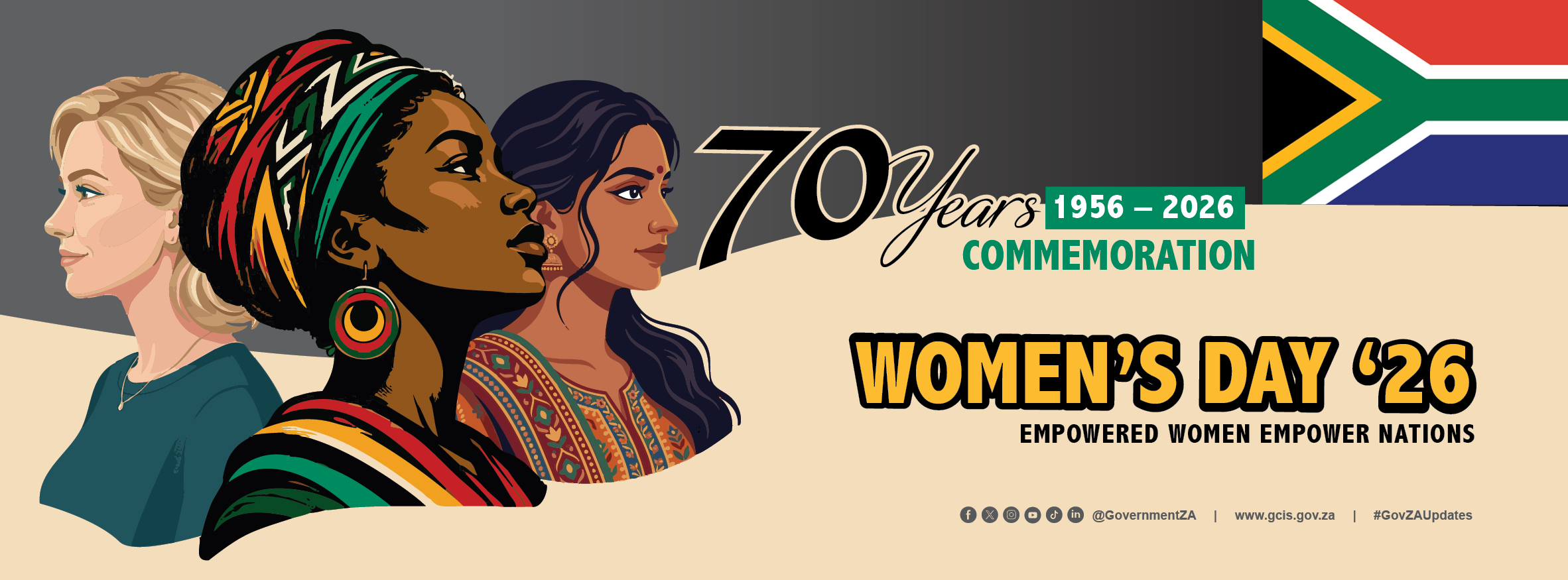
On this day we pay homage to the more than 20 000 women who marched to the Union Buildings on the 9th of August 1956 to protest against the extension of the pass laws. Men were already subjected to the humiliation of carrying the dreaded dompas but it took women who were considered as minors at the time to stop the apartheid government in its oppressive tracks.
As we commemorate Women’s Day and Women’s Month, we salute the achievements of women over the years, including their pivotal role in transforming the nation, and in contributing to socio-economic development. This celebration is also a clarion call to accelerate the role of women in the economy and empower them as well as tackle the complex barriers, such as poverty, inequality and unemployment, that hinder their development.

The theme for this year’s Women’s Month celebration is: “Building Resilient Economies for All”. The overarching purpose of this commemoration is to promote women’s participation and representation in leadership and the economy. It is focused on advancing women’s access to decent work, entrepreneurship, financial inclusion and care infrastructure. It reinforces the paradigm that resilient economies are those that are inclusive, equitable and gender responsive.
As government, we have enacted robust policies to increase women’s participation in the workforce and bridge the gender pay gap. These developments indicate South Africa’s resolute drive towards establishing gender parity. We have consistently grown the number of women taking on leadership and decision-making roles.
The heroic women of 1956 and many others paved the way for equal rights, including gender equality and empowerment. Their courageous actions culminated in the creation of a non-sexist, non-racial state cemented through our constitution, and policies and legislation that advance women’s social and economic development.

There is greater inclusion of women in every sector of the economy, including leadership positions. Over a quarter of top managers in the private sector are women. Today, South Africa ranks second out of the G20 countries in terms of female representation. Forty-two per cent of our MP’s are women, this is higher than a number of developed countries. This is progress. But it is not enough. We cannot rest until we have achieved gender equality throughout society.
Today the women of our country continue to reap the benefits of the changes that were ushered in through the brave actions of the women of 1956. Over the years government has accelerated women’s access to basic services, including social welfare provisions and economic opportunities, lifting millions out of absolute poverty.
The Employment Equity Act and other progressive laws have paved the way for more equitable representation of women in the economy – and by this one must add all women, whether they are black or white. The proportion of women in the workforce has been increasing. The empowerment of women contributes to sustainable development, inclusive growth and the cultivation of resilient communities.

About 40 percent of preferential procurement in the public sector is awarded to women-owned businesses. Women-owned SMMEs are also supported through the National Empowerment Fund, the Small Enterprise Finance Agency and National Infrastructure Fund.
Government continues to work towards enhancing gender equality and women empowerment. As government, we are committed to expanding economic opportunities for women through skills training, entrepreneurial support, access to funding and multi-sectoral partnerships to place women in key sectors of the economy.
We also continue our work to increase the participation of women in sectors such as science, technology, engineering and maths, as well as the green economy and industrial sectors.
Government also seek to increase women’s role in digital finance which includes digital banking, payments, access to finance and investments.

Women-led enterprises are being supported through policies, mentorships and funding. Through capacity building initiatives, we aim to increase the participation of women in politics, business and civil society. In Greater Tzaneen, women make up a significant portion of the population and continue to play critical roles in education, health, agriculture and the informal economy.
And yet, much like in most parts of the country, women battle unacceptable levels of gender-based violence, high unemployment rates, teenage pregnancy, limited access to economic opportunities, and patriarchal social structures that are barriers to their full empowerment.
Women struggle with access to basic services, especially water. Many of you rely on boreholes but they are often non-functional due to theft, lack of maintenance and infrastructure failure.

We cannot and we will not leave anyone behind – including the people of Tzaneen and Limpopo at large. There are therefore serious questions that need to be answered when it comes to service delivery in this area, and around the need for accountability. I want to call on the leadership of the province to honour the women of 1956 by ensuring their descendants, the women of today, are able to lead lives of dignity through the provision of basic services.
Even as we have come a long way with respect to gender equality – we are still on this arduous journey – we dare not give up, or the next generation will be left with no inheritance. The greatest challenge we face in this country is the pandemic of violence against women and children. We condemn the many high cases of gender-based violence and femicide recorded in our nation.

Real men do not abuse women. Real men do not rape women. Real men do not kill women.
Let us strive to be a society where we teach young boys that women are to be protected, and respected, and not abused. A society where men and boys understand the meaning of consent in sexual relationships. A society where men do not use their money and influence to engage in predatory behaviour towards women. A society that does not condone the ill-treatment of women and children under the guise of culture or tradition.
Let us strive to be a society where someone’s sexual orientation is their business, and where we are clear that nobody, not a man, not a boy, not another woman, has the right to discriminate against or use violence against another because of how they choose to identify. Ending the scourge of gender-based violence and femicide requires the efforts of government, business, labour, civil society and every member of society.

We must break the silence. This criminality thrives in a culture of silence.
We have introduced new legislation to enhance protection of women and children and strengthen the punishment of perpetrators. Government has also increased the number of sexual offences courts and a number of police stations across the country are now better equipped to manage gender-based violence cases. These include the facilities at the Bolobedu police station, and the upgraded family law facilities at the Ga-Kgapane Magistrates Court.
To all the perpetrators of violence against women and children I’d like to say: you can run but you cannot hide. We have zero tolerance for the abuse of women and children. It will never be acceptable, not now, not ever.

Fellow South Africans, as a people and as a country we have emerged from situations that destroyed other nations. Our unity is our strength. We may differ politically, religiously and socially but the glue that connects us all is our respect for human rights. And women’s rights are human rights. They cannot be separated.
On this important day, let us collectively recommit ourselves to playing our part in building a future where the equality of men and women is not something on paper, but a reality.
I wish all the women of South Africa a happy Women’s Day. I thank you.”