By Sikho Matiwane
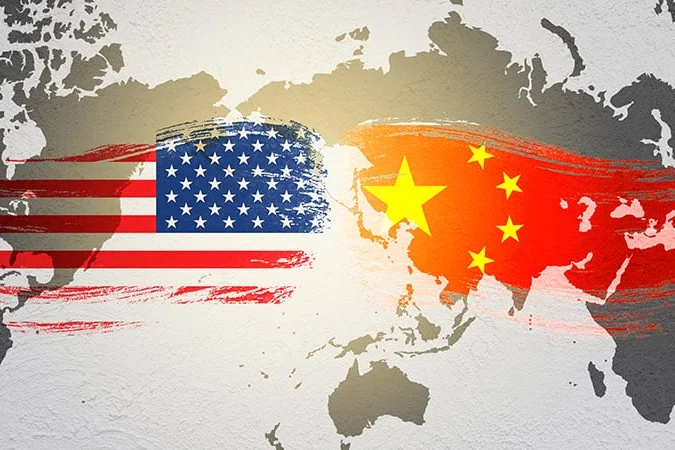
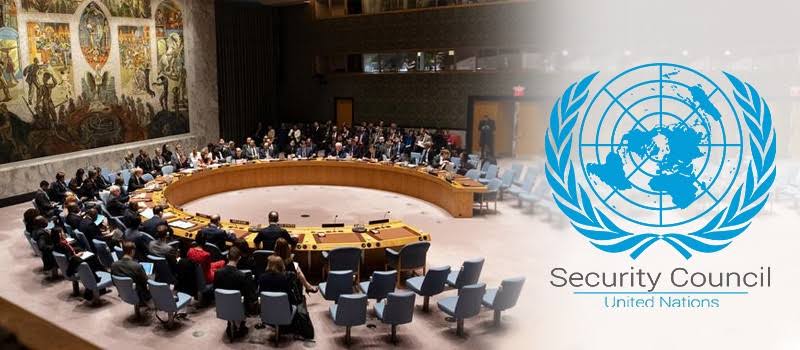
The debate over reforming the United Nations Security Council (UNSC) has gained momentum in recent years, with widespread recognition that Africa deserves greater representation. Among the most prominent proposals is the call to add two permanent seats for African nations, a move that has garnered apparent support from global powers, including the United States. However, beneath the surface of U.S. endorsement lies a crucial caveat: these new permanent members should not possess veto powers.
While the U.S. claims to advocate for Africa’s inclusion, its position reveals a more troubling reality. This proposal is nothing more than a hollow gesture—a superficial attempt to maintain the illusion of inclusivity, while preserving the interests of the existing powers. As South African President Cyril Ramaphosa astutely remarked, offering Africa “second-class participation” is an affront to genuine reform. If new members are to be added, they must be granted the same rights as the five permanent members, including the veto, or else their inclusion will remain purely symbolic.
By denying new members the veto, the U.S. ensures that the entrenched power dynamics remain undisturbed. Seats without veto power would lack true influence, relegating African nations to mere spectators in global security matters. This isn’t reform—it’s a facade, designed to uphold the status quo and maintain Western dominance.
The Problem with the USA’s Proposal
The U.S. stance reflects a broader issue inherent in Western-dominated international institutions. By advocating for limited powers for new permanent members, the USA reveals its desire to retain control over global governance, using bodies like the UNSC to steer global affairs according to its interests. Allowing African nations seats without the power of the veto would only create a semblance of inclusivity while reinforcing existing imbalances.
African nations, alongside others like India, have strongly rejected this unequal treatment, rightly condemning the U.S. approach. The argument is straightforward: if the UNSC is to truly reflect the global community, then all permanent members must be granted equal privileges. Anything less would continue to marginalize the Global South in critical international decision-making processes.
A Broader Pattern of Exclusion
The U.S.’ reluctance to share real power is not isolated to the UNSC. Western-led institutions like the G7 have long been criticized for excluding voices from the developing world. The G7’s persistent failure to provide meaningful representation to Africa and other regions has fuelled frustration and led to the emergence of alternative platforms like BRICS, which offers a more inclusive approach to global cooperation.
The rise of BRICS represents a direct response to the exclusion many nations feel in Western-dominated systems. Unlike the G7, BRICS welcomes diverse voices and has increasingly challenged Western hegemony in international governance. The USA’s position on UNSC reform aligns with this broader pattern of seeking to retain control, even in the face of growing demands for a more equitable and representative system.
China and Russia’s Perspective on Reform China and Russia have shown a far more constructive approach toward UNSC reform. Both nations have expressed consistent support for the inclusion of African nations with full rights, including veto power. They recognize that true reform requires granting new members equal footing, ensuring that the global South is no longer sidelined in the world’s most critical decision-making body.
China, in particular, has emerged as a champion of developing nations, advocating for a more inclusive global order through initiatives like the Belt and Road and its active role in BRICS. Russia, too, has positioned itself as a counterbalance to Western dominance, consistently supporting efforts that promote a multipolar world. Unlike the USA’s conditional support, China and Russia have offered genuine backing for Africa’s rightful place in global governance.
Real Reform vs. Superficial Gestures
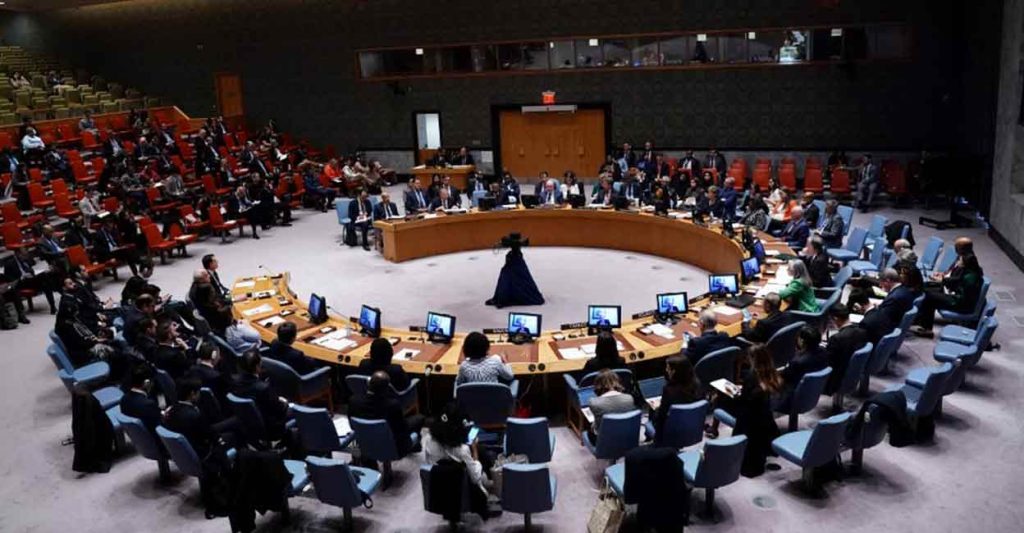
The USA’s conditional support for adding African permanent members without veto power is emblematic of a broader pattern of exclusion and superficial reform. By offering this incomplete proposal, the U.S. seeks to project an image of progress while preserving its dominance. Real reform, however, must involve equal rights for all permanent members—anything less would merely reinforce the existing power imbalances.
The global landscape is evolving, and Western-led institutions like the UNSC must evolve with it. As more nations call for reform, the failure of the U.S. and other Western powers to embrace genuine power-sharing could lead to further alienation of the countries they claim to support. Superficial gestures will not suffice. The rise of alternative platforms like BRICS shows that nations are ready to pursue meaningful global engagement elsewhere if necessary.
True reform requires inclusivity, equity, and a commitment to genuine power-sharing. China and Russia have recognized this reality and have taken steps to champion a more just international system. The U.S., on the other hand, risks losing its global influence by clinging to outdated models of governance that fail to reflect the aspirations of the world’s growing powers. The time for real reform has come, and only through equal representation can a more fair and representative global order be achieved.
Sikho Matiwane is a seasoned entrepreneur and the founder and Director of Matiwane Diplomatic Consulting. He also serves as the Chairperson of Global South Affairs. As a diplomatic commentator, he specialises in International Relations and Geopolitics.