

Honouring Hugh Masekela and the Spirit of Jazz that travels the world
There are places where music is performed, and then there are places where music lives. Jazz, perhaps more than any other genre, requires a home that allows it to breathe, rooms where improvisation hangs in the air like incense, where the distance between musician and listener dissolves, and where every note carries the weight of memory.
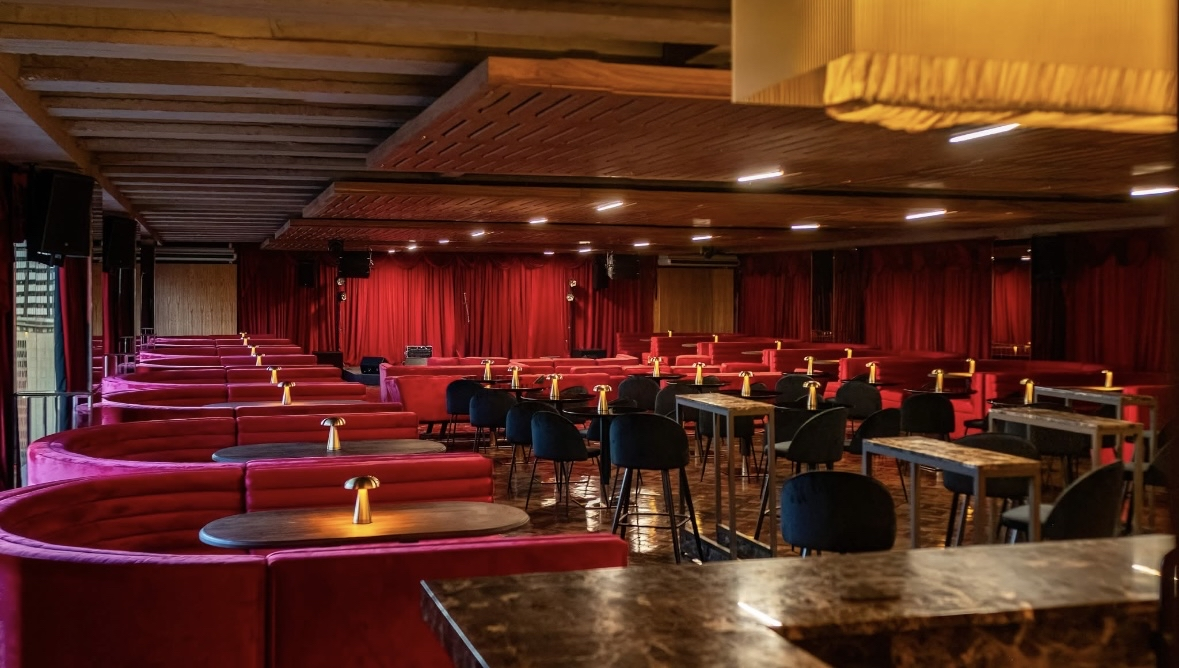
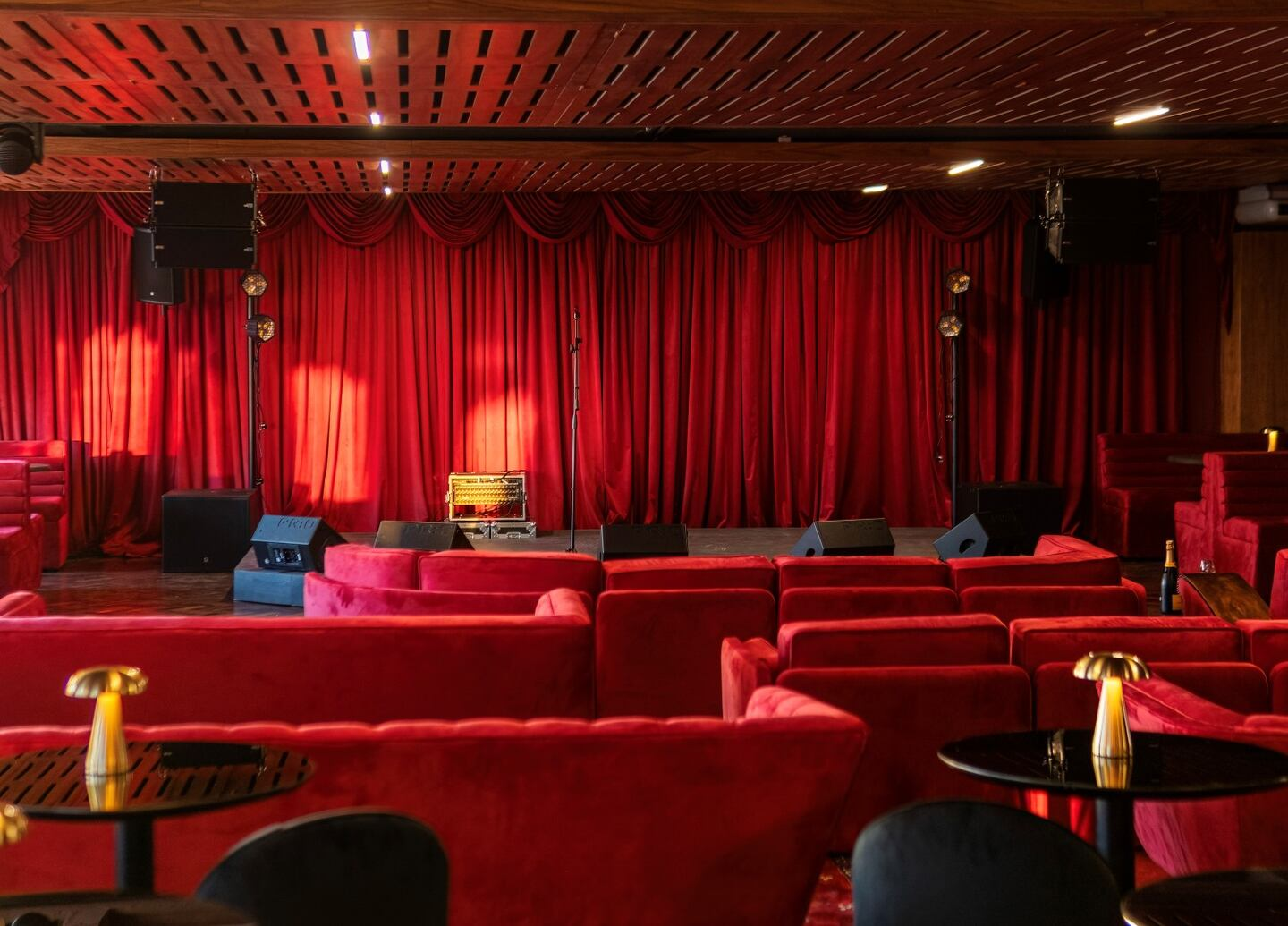
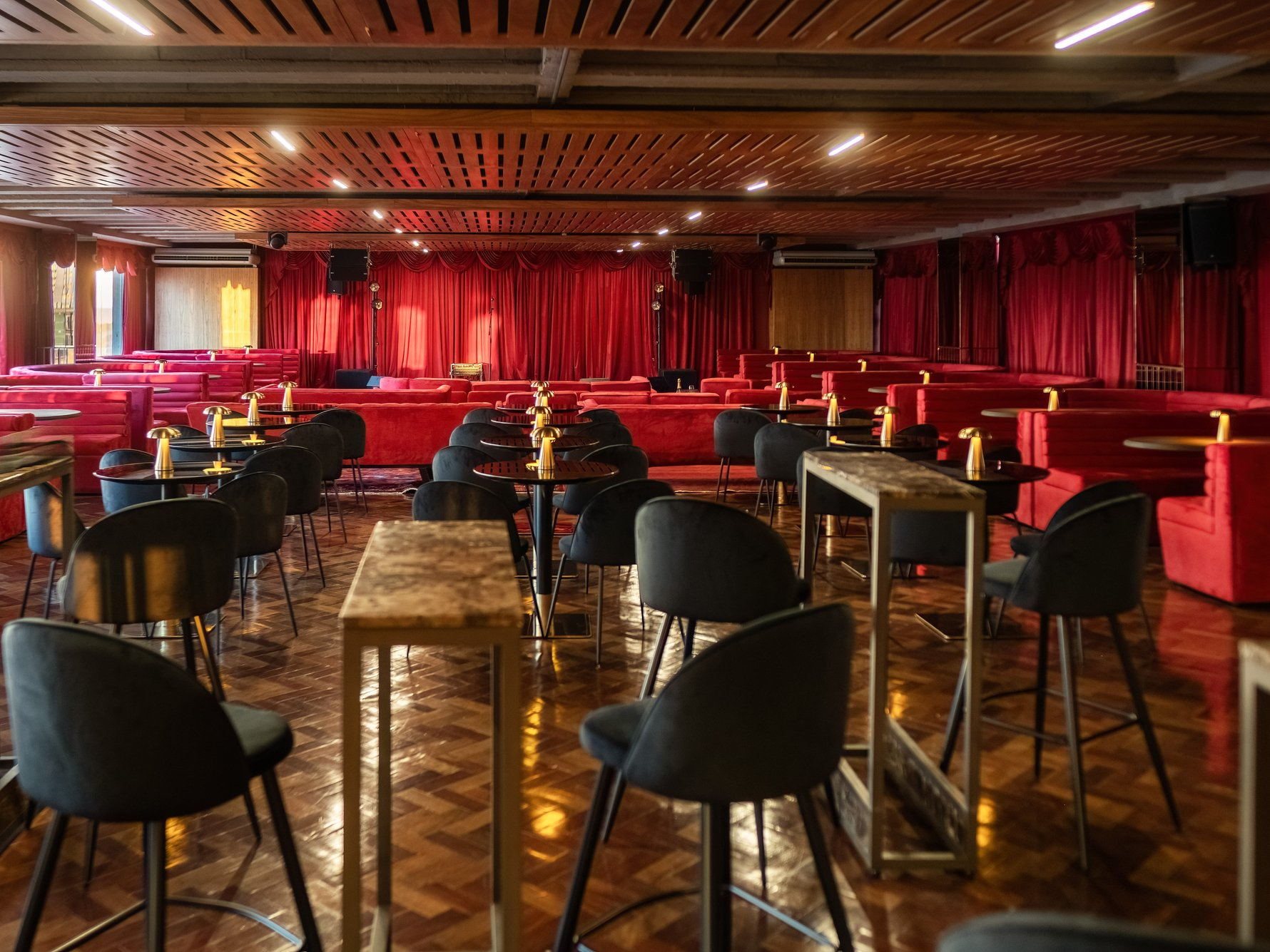
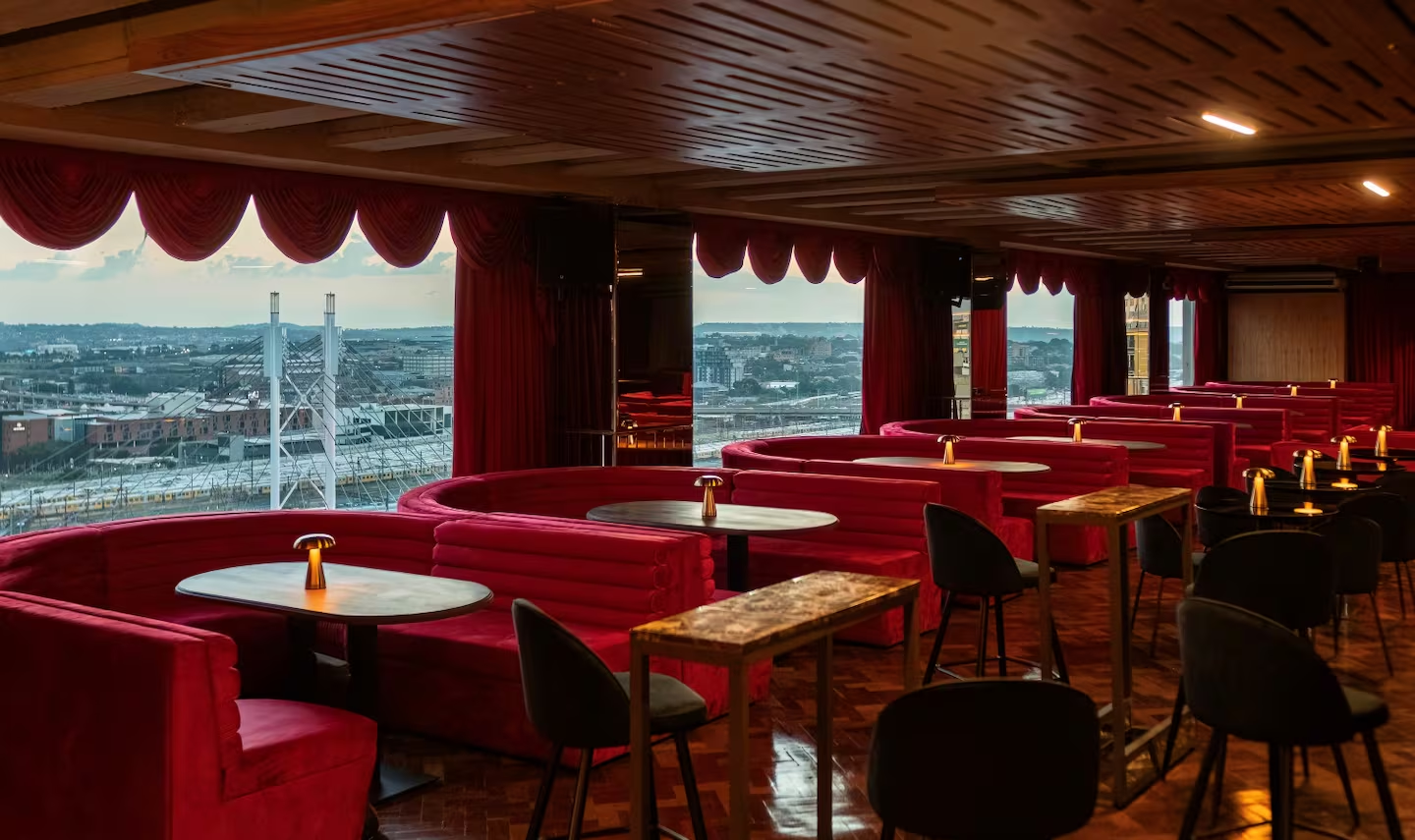
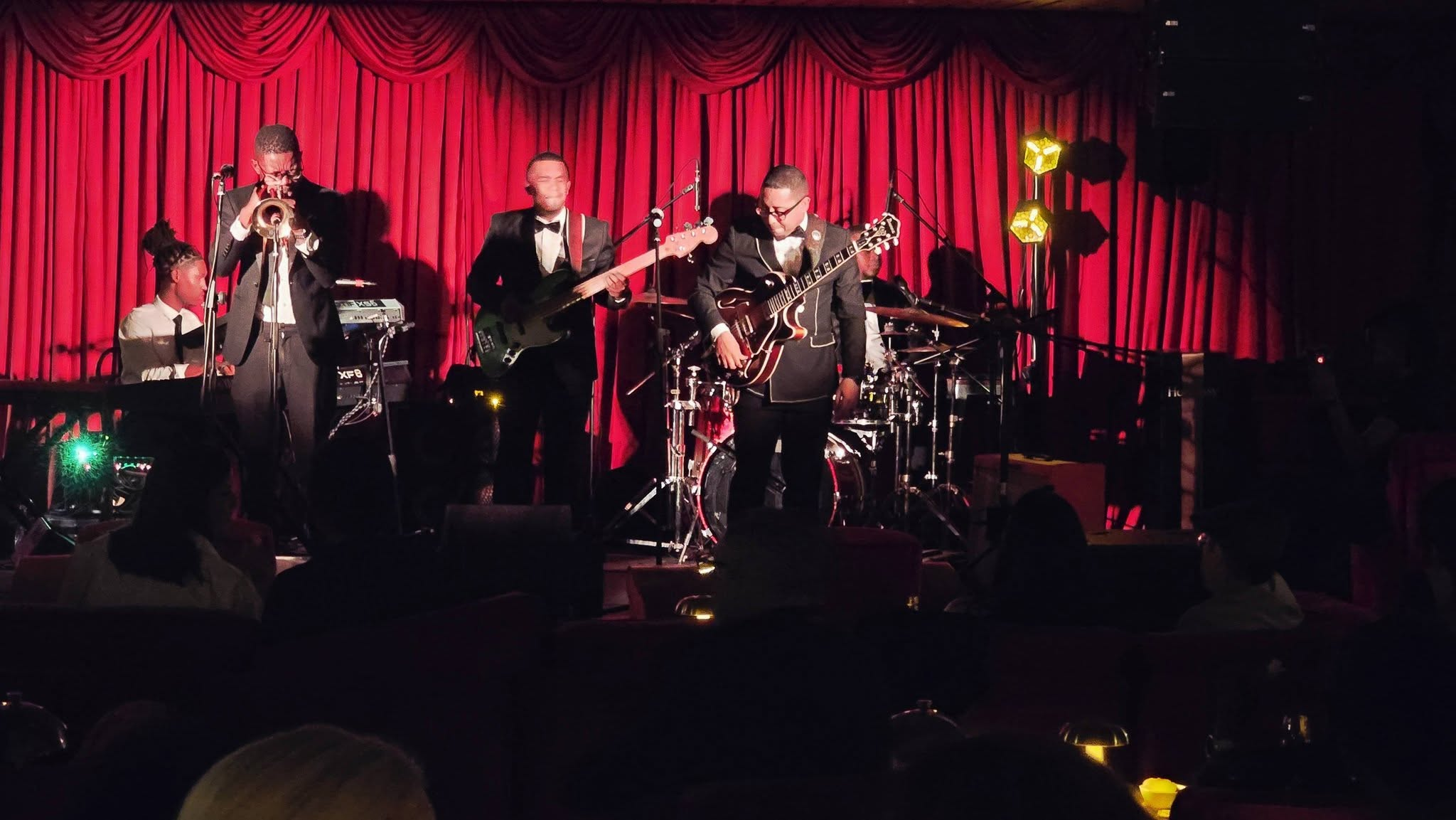
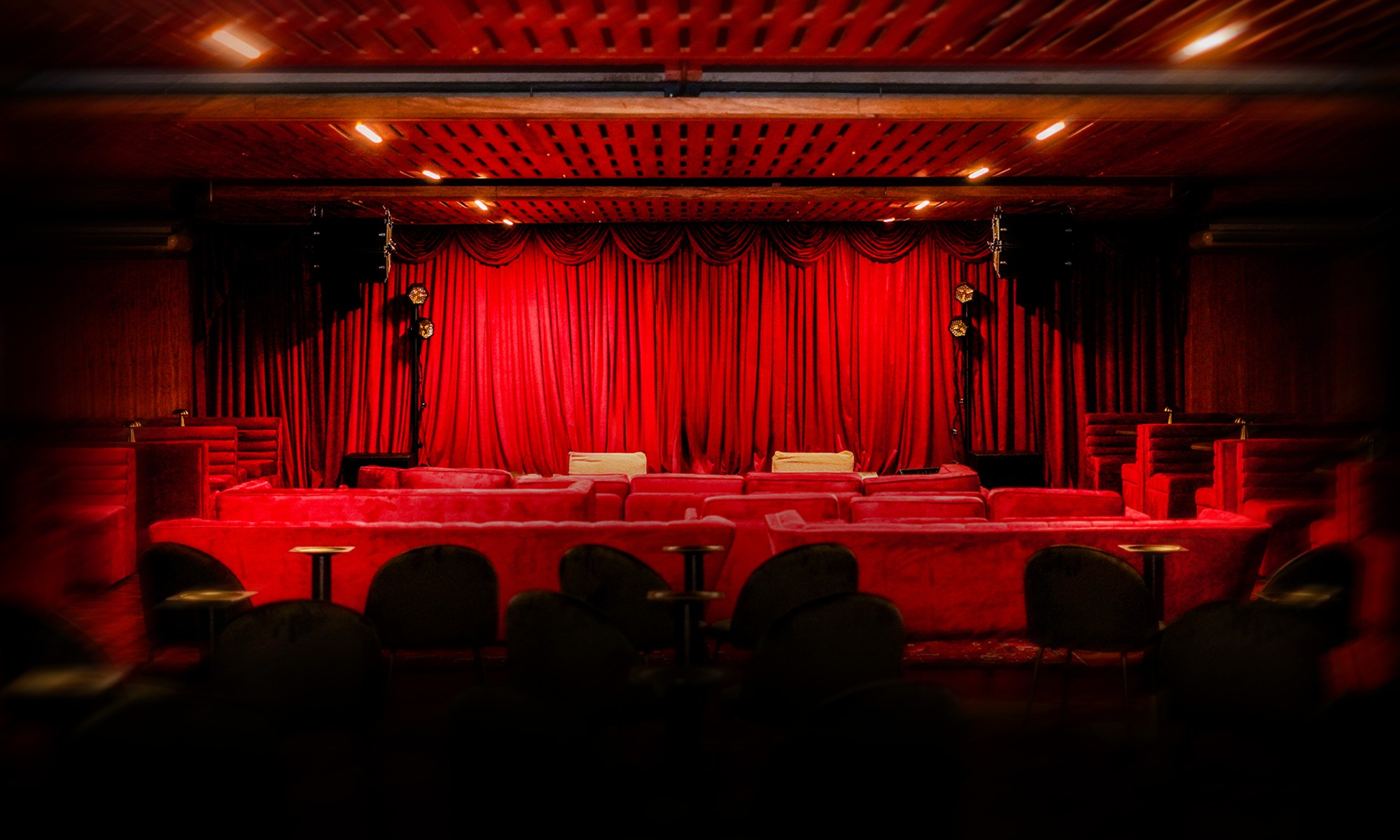
The opening of Hugh’s Jazz Club seeks to create precisely such a space.
Named in honour of the incomparable Hugh Masekela, the club stands not merely as a venue but as a cultural statement, aliving tribute to one of South Africa’s most beloved musical sons and one of the world’s greatest jazz voices.
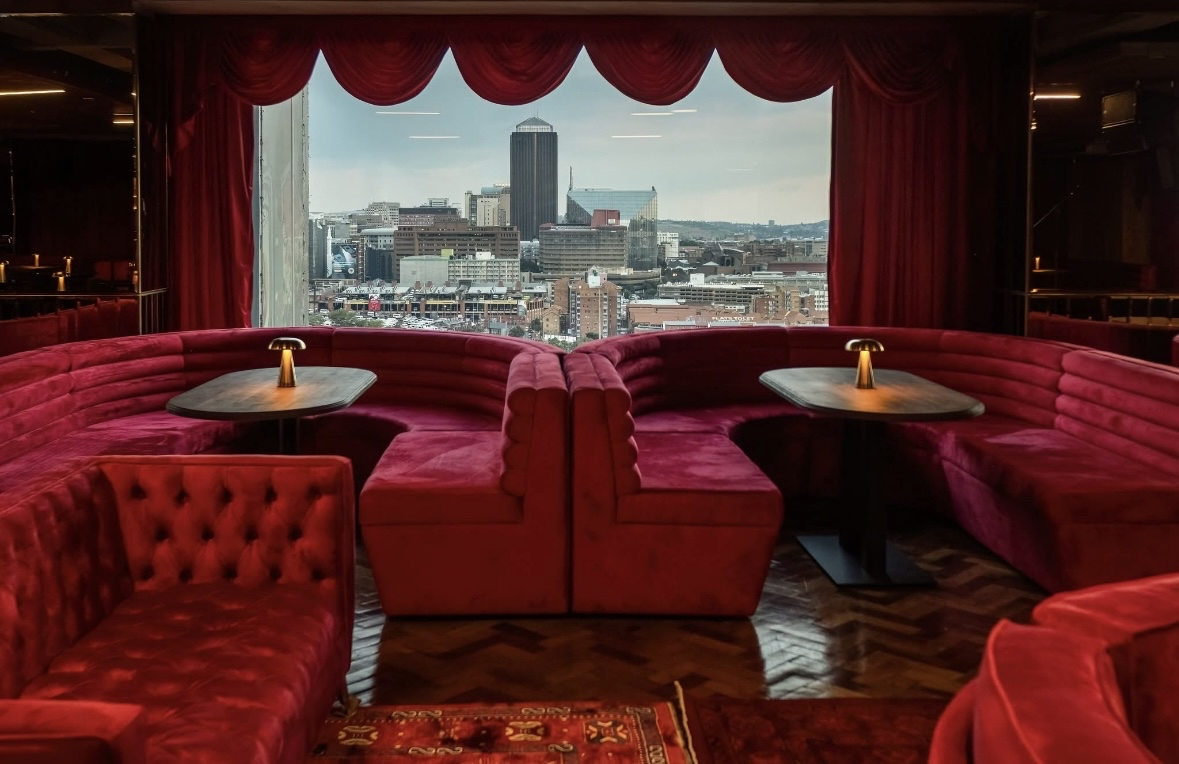
Walking into Hugh’s evokes the atmosphere of the great jazz rooms that have shaped the music across continents. There is an immediacy to it, the closeness of the stage, the hum of anticipation, the quiet reverence that precedes the first note. It recalls legendary venues such as Ronnie Scott’s Jazz Club in London, Blue Note Jazz Club and Village Vanguard in New York, the Parisian elegance of Le Duc des Lombards, and the historic bebop birthplace of Minton’s Playhouse. These are not simply clubs; they are institutions. Rooms where jazz history unfolded night after night. Hugh’s feels like it belongs in that lineage.
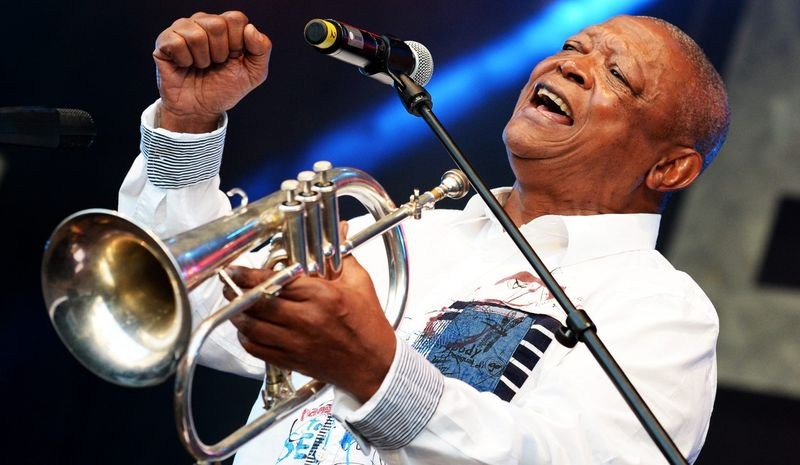
A musician who carried South Africa to the world
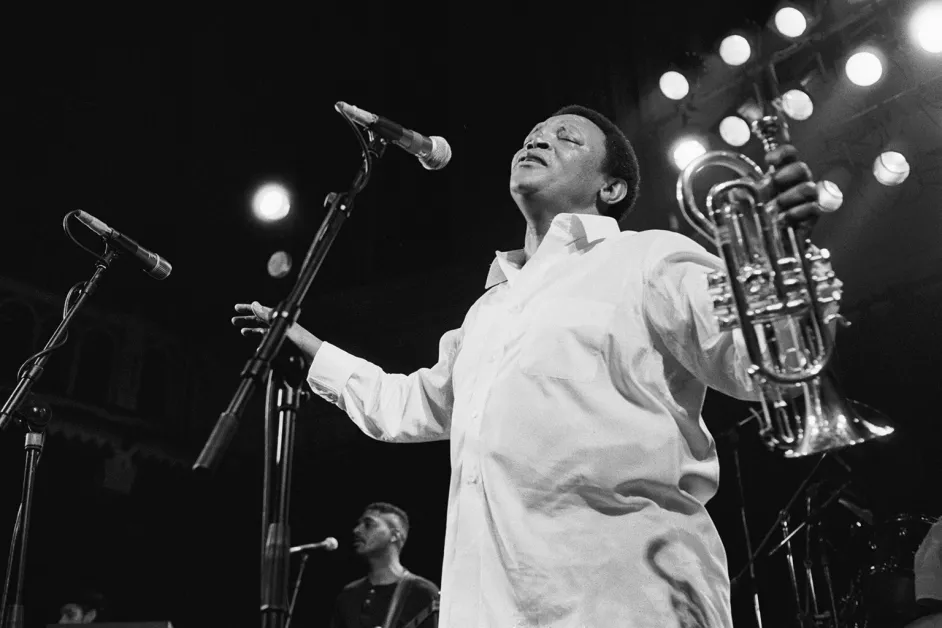
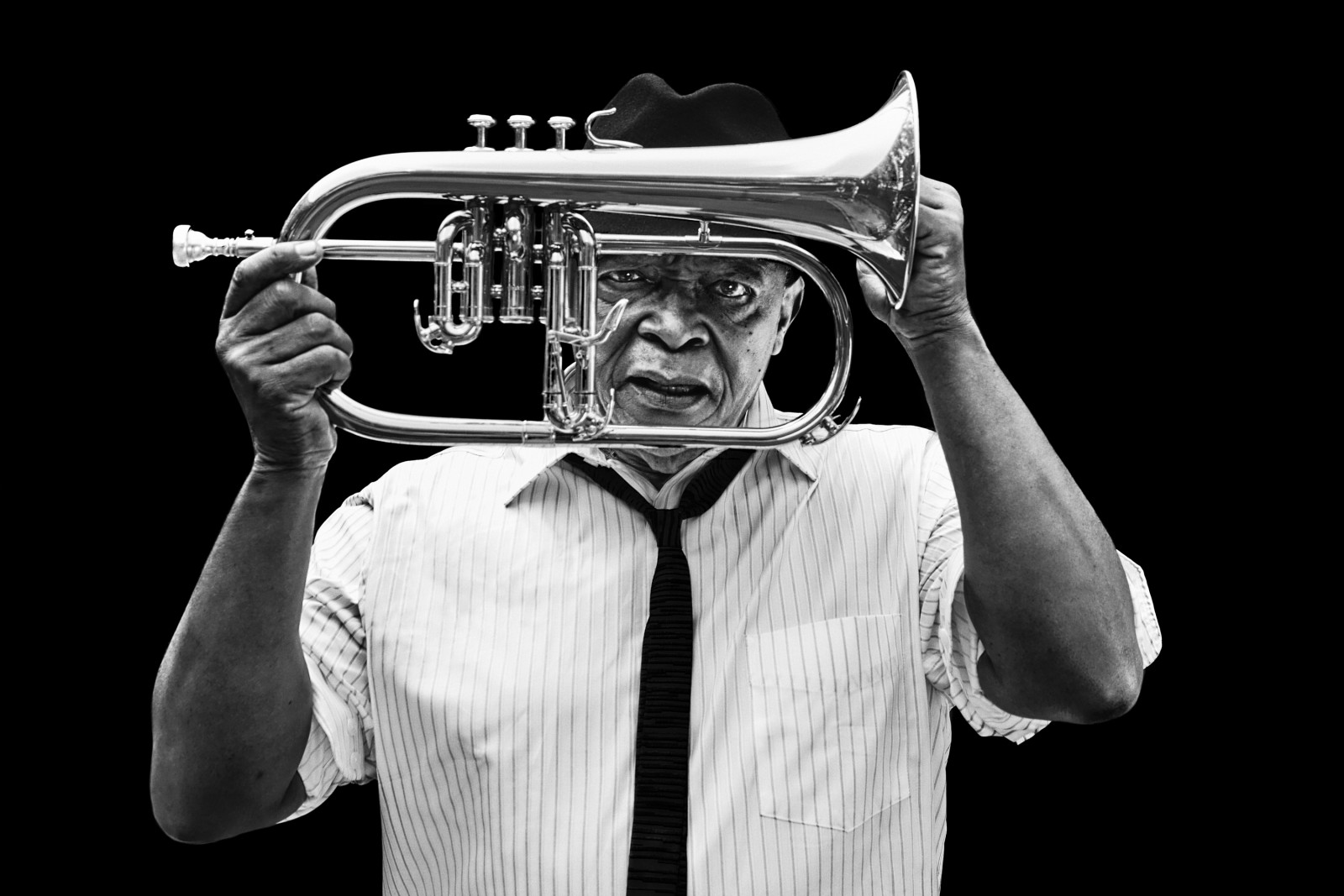
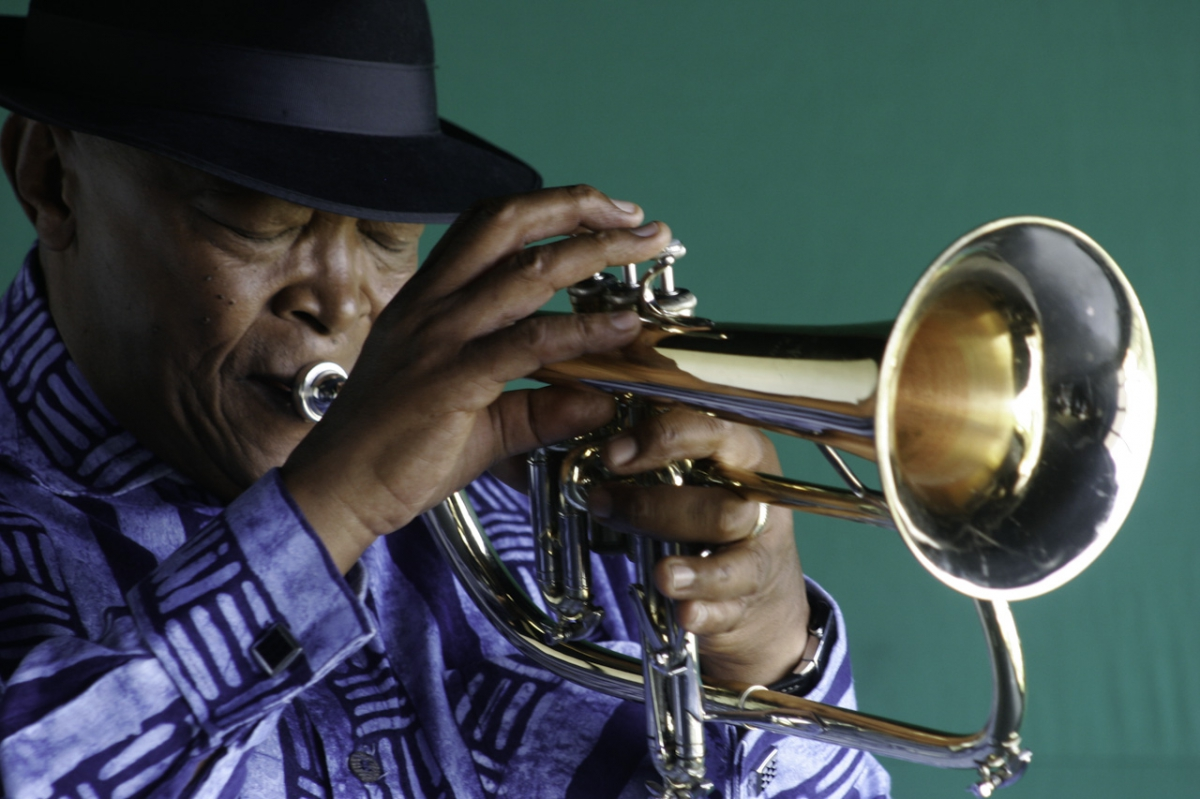
To understand the significance of Hugh’s Jazz Club, one must begin with the extraordinary life of Hugh Masekela. Born in Witbank in 1939, Masekela’s journey through music paralleled the tumultuous history of South Africa itself. His trumpet became both an instrument of joy and a voice of resistance. Encouraged early by mentors including Trevor Huddleston, the young Masekela received his first trumpet while still a teenager. That instrument would eventually carry him across the globe.
Exile during apartheid propelled him into the international jazz world, where he studied at the Manhattan School of Music and collaborated with many of the leading figures of the era. But Masekela was never simply a jazz musician. He was a musical storyteller.
His compositions fused jazz with the rhythmic languages of Southern Africa. Township grooves, marabi harmonies, mbaqanga pulse. The result was a sound that was unmistakably his own. Songs such as Grazing in the Grass made him a global star, while works like Bring Him Back Home became anthems of the anti-apartheid struggle.
Throughout his life, Masekela remained a bridge between worlds, between Africa and America, between jazz tradition and African modernity. His music travelled everywhere. But its spirit always pointed home.
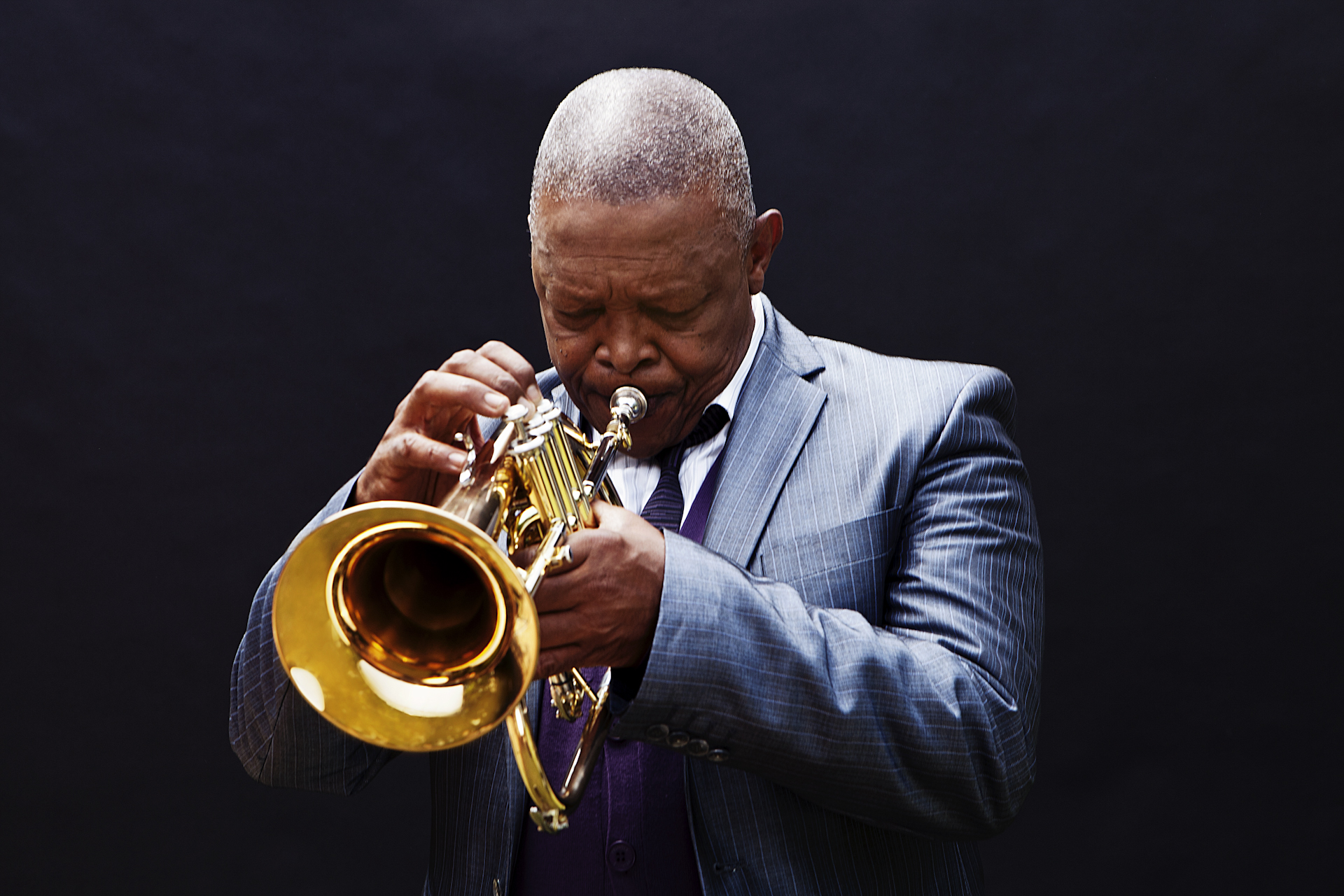
The idea of the jazz club
Jazz clubs occupy a special place in music culture. Unlike large concert halls, they create intimacy. Unlike festivals, they foster continuity. They are spaces where musicians return week after week, shaping a sound in real time. Historically, these rooms have served as laboratories of innovation.
At Minton’s Playhouse in Harlem, bebop was born. At the Village Vanguard, countless legendary recordings were made. Ronnie Scott’s became Europe’s gateway for American jazz giants. What unites these venues is not luxury or size. It is atmosphere.
The great jazz club is an ecosystem. Dim lighting, attentive listeners, musicians close enough that you can hear the breath before the note. Conversation quiets when the music begins. Hugh’s captures that sensibility. It understands that jazz thrives in proximity. That improvisation demands a listening audience. That music becomes most powerful when the room itself participates. In that sense, Hugh’s does not imitate the world’s famous jazz rooms. It joins them.
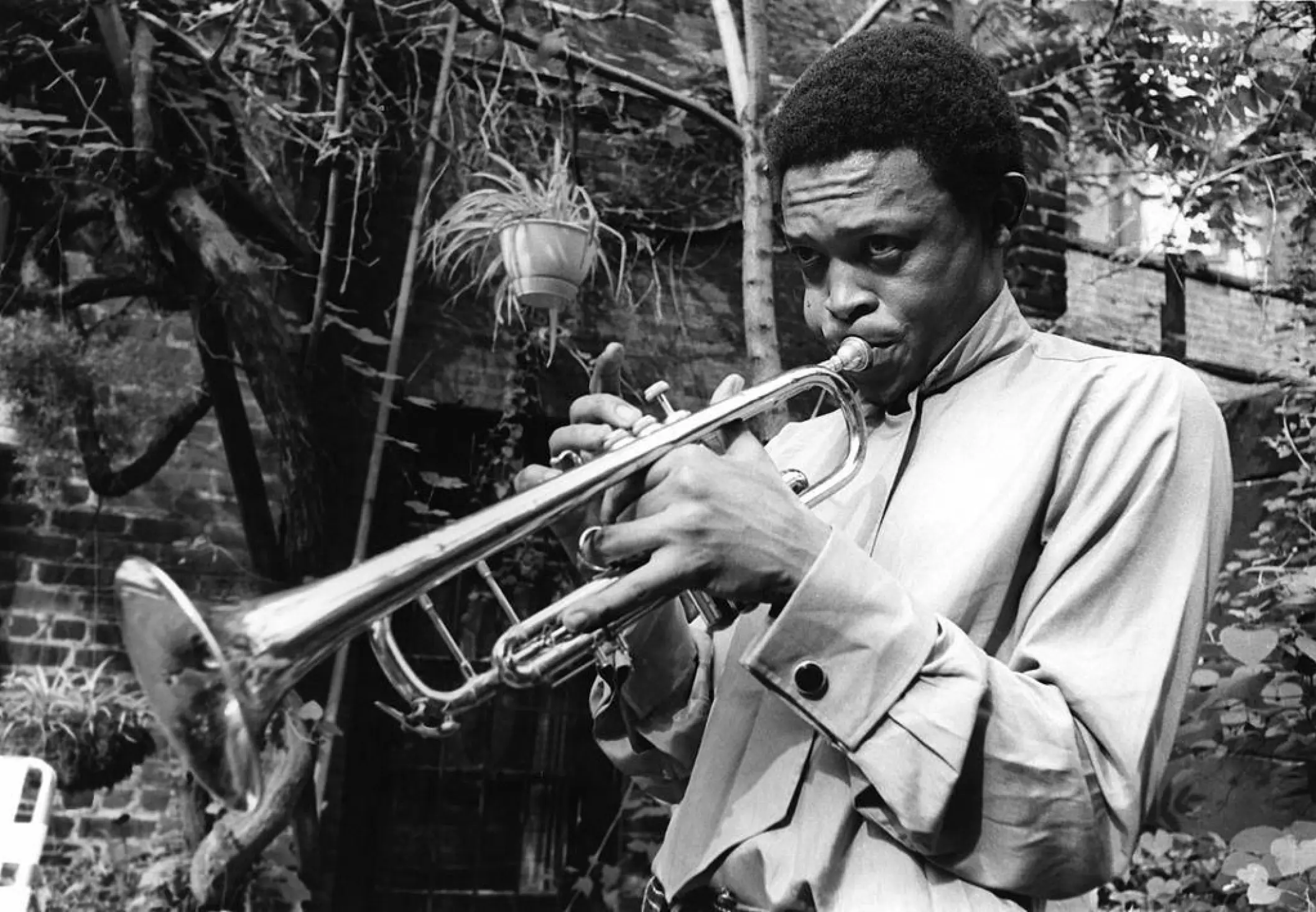
[Image: Don Paulsen|Michael Ochs Archives|Getty Images]
The International Spirit of Hugh Masekela
Hugh Masekela’s story is inseparable from the global story of jazz. During his years abroad he shared stages with many of the music’s giants, absorbing influences while remaining rooted in African rhythms. In the United States, jazz was evolving rapidly from swing to bebop, from hard bop to fusion. Masekela absorbed these developments while simultaneously bringing African musical ideas into the conversation.
He performed at major festivals, collaborated with leading musicians, and recorded extensively. His music found audiences across Europe, the Americas, andAfrica. Yet for all his international success, Masekela remained deeply connected to South African musical identity. When he returned home after the end of apartheid, his mission expanded beyond performance. He became a mentor, advocate, and cultural elder supporting younger musicians and reminding audiences of the deep heritage from which their music emerged.
Hugh’s Jazz Club reflects that spirit. It is both local and global. A South African room with international ears.
The Family that guards the Legacy
No cultural legacy survives without guardians. The continuing work of the Hugh Masekela Heritage Foundation has been central to preserving and extending the spirit of Hugh Masekela’s life and music.
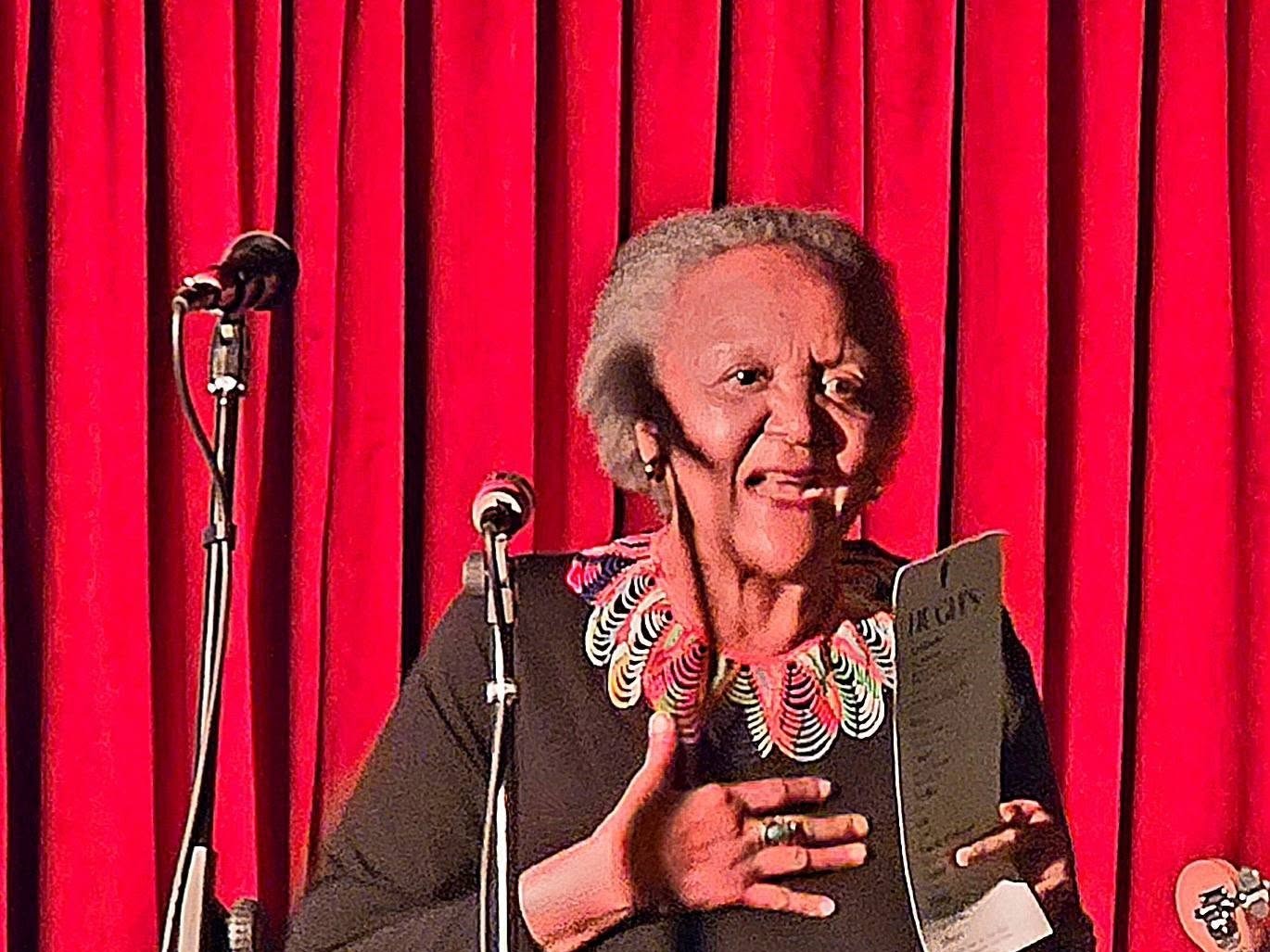
At the heart of that effort stands his sister, Barbara Masekela. A distinguished diplomat, poet and intellectual, Ambassador Barbara Masekela has long been one of the most respected voices in South African cultural life. Her stewardship ensures that Hugh’s story continues to be told not merely as biography but as living heritage. Alongside her is Hugh’s nephew, Mabusha Masekela, a respected music executive whose work has shaped South Africa’s contemporary music industry. His role brings industry experience and vision to the preservation of the Masekela legacy. And there is Hugh’s daughter, Motlalepula Masekela, whose work in music and cultural production represents the continuation of a family tradition deeply intertwined with South African artistic life. Together they form a generational bridge ensuring that Hugh Masekela’s influence continues to inspire musicians, audiences and cultural institutions alike.
Hugh’s Jazz Club stands partly as an expression of gratitude to their ongoing work. Without custodians of heritage, memory fades.
With them, it grows.
One of the remarkable things about great jazz clubs is how they transform ordinary evenings into moments of discovery. You may enter expecting a performance. You leave having witnessed something unrepeatable. Jazz, after all, exists in the moment. Improvisation ensures that no two performances are identical. In a club like Hugh’s, that spontaneity becomes the central attraction. The stage becomes a gathering place for established masters and emerging talents alike. Young musicians find themselves sharing the same sonic space that honours one of the giants of the music.
The symbolism is powerful. It suggests continuity. Jazz is not a museum piece. It is a living language, constantly renewed by those who speak it. Hugh Masekela himself believed deeply in nurturing younger artists. Throughout his career he championed musicians who would later become major figures in South African music.
Hugh’s carries forward that philosophy.















One Response
Thanks for the well researched and very well presented offering. ALUTA!!