
![Miles Davis standing before a Jean-Michel Basquiat–inspired artwork of his own in the late 1980s. [Image: Art, Artists, Artwork via Facebook]](https://gsmn.co.za/wp-content/uploads/2026/04/471434339_10162436194120120_3200466192645212309_n.jpg)
There is something unsettling about the late works of Miles Davis.
Not the music. We have learned how to speak about that. We have found language for Kind of Blue, for Bitches Brew, for the many revolutions that made Miles legible to history.
It is the drawings that resist us.
In the latter years of his life, as the body began its quiet negotiations with time, Miles turned. Not gently, not ceremoniously but almost abruptly, toward visual art. What he produced was not prolific in the traditional sense. There was no disciplined studio practice, no systematic catalogue, no declared movement. Instead, there were eruptions.
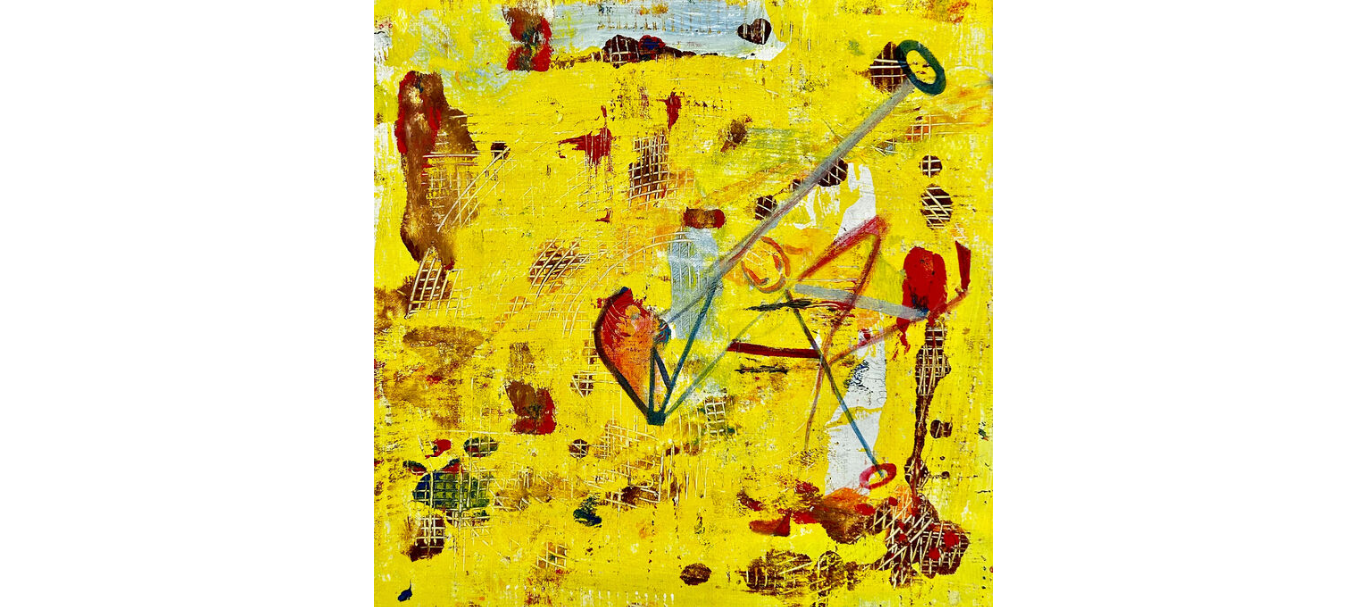
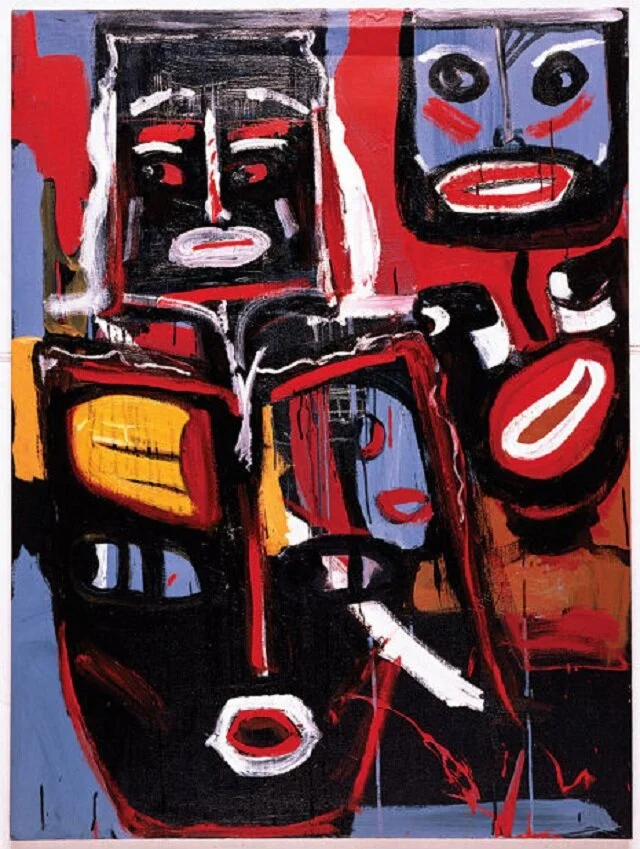
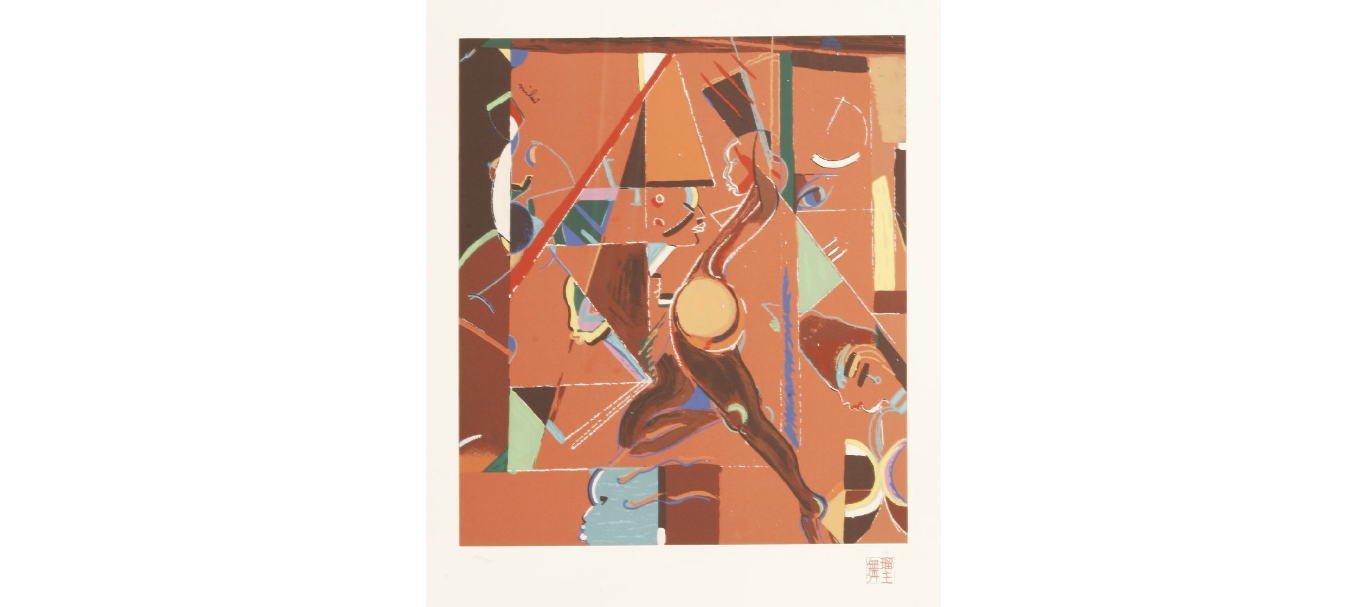
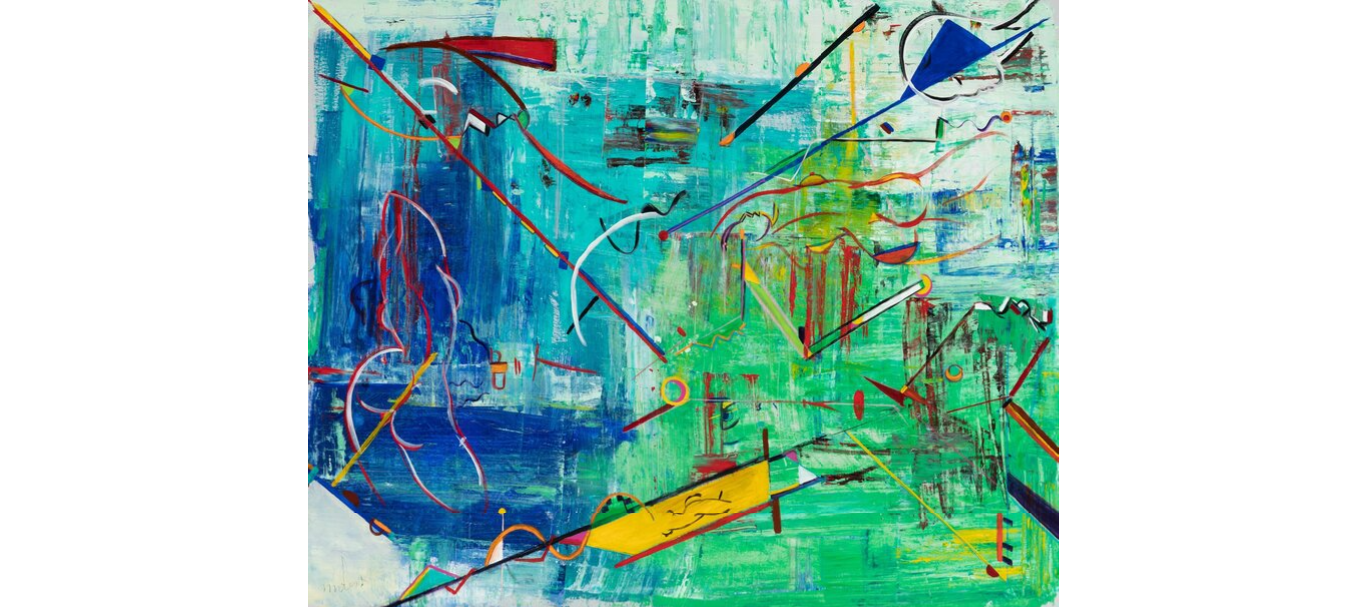
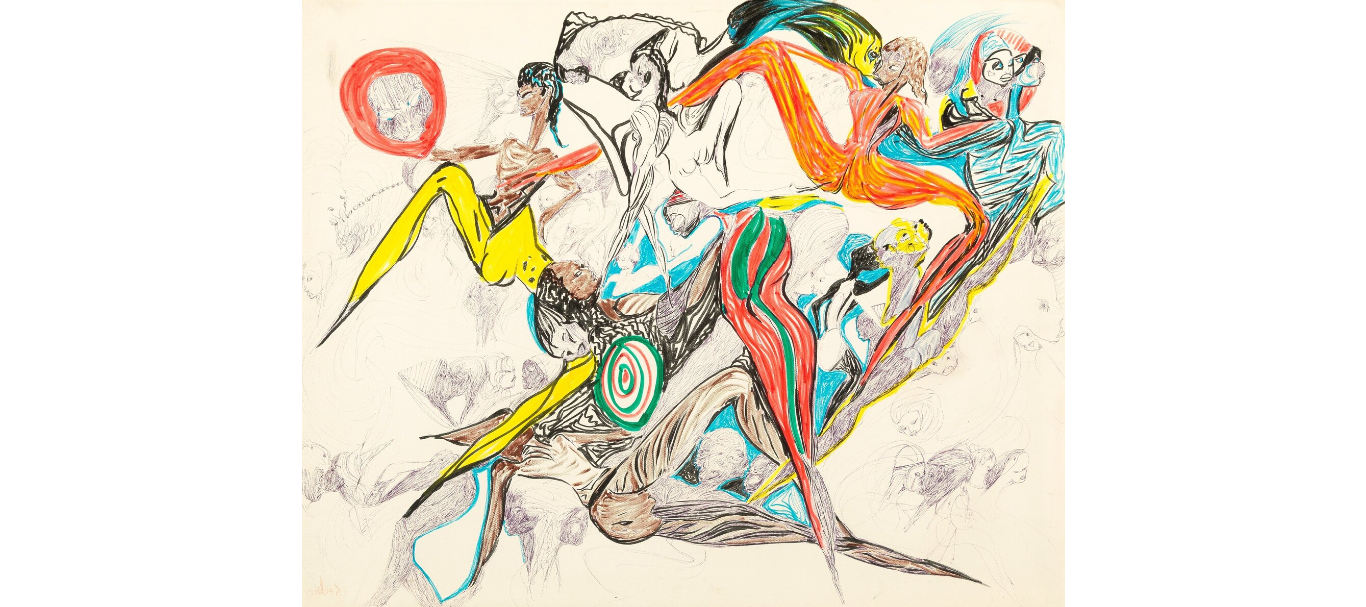
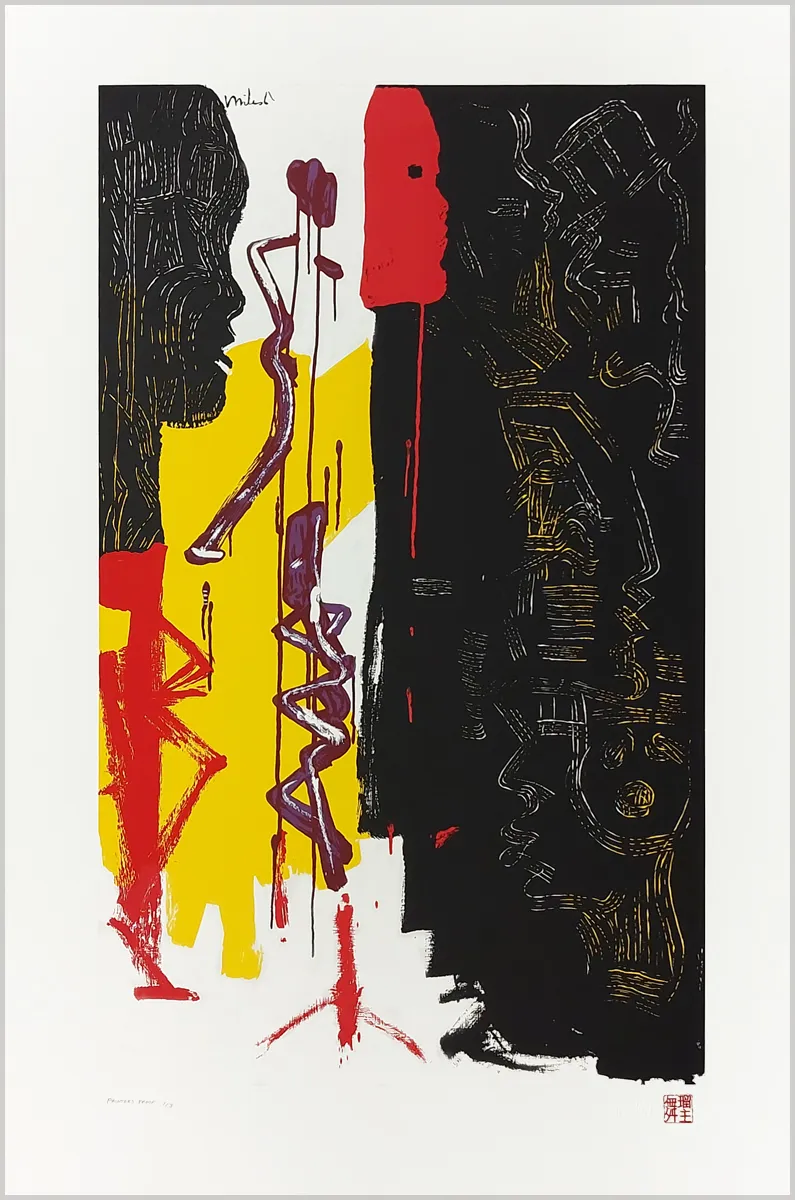
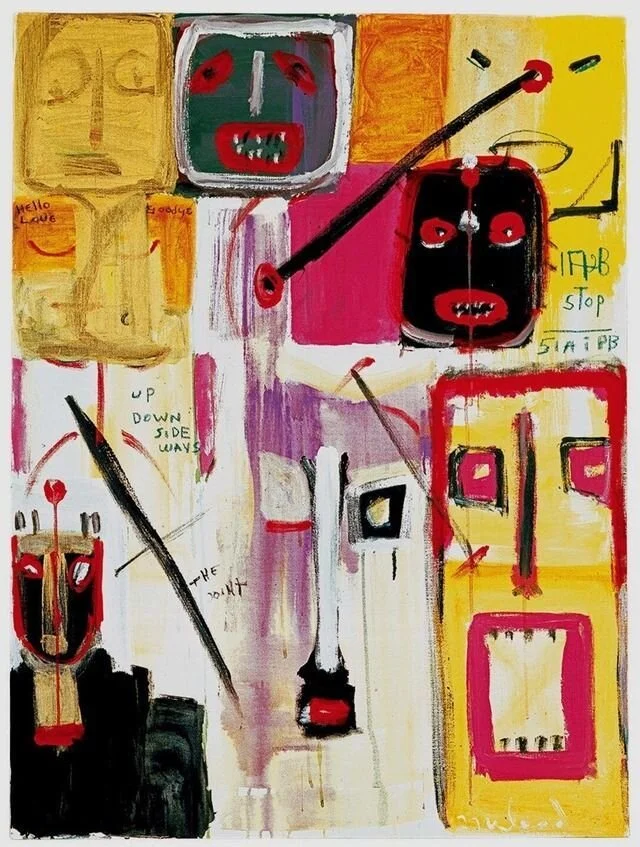
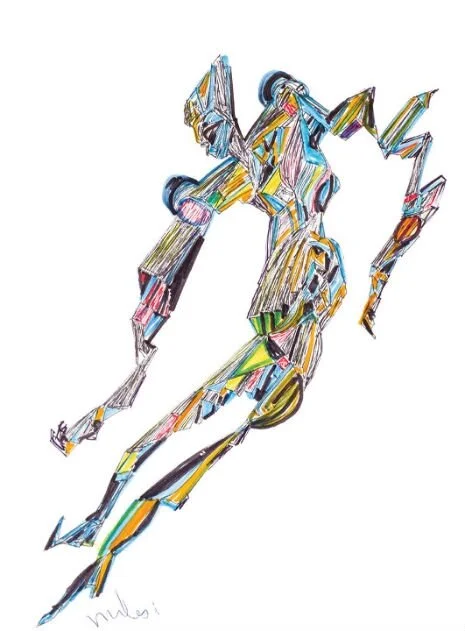
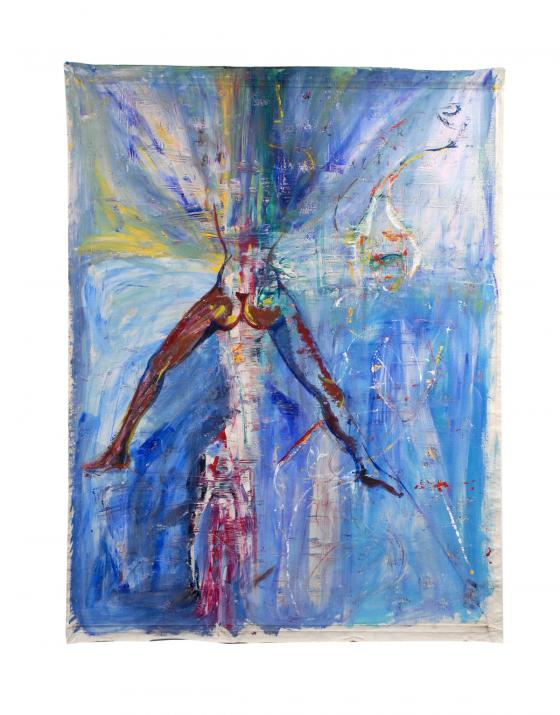
Images that feel less composed than released. Figures that appear mid-transformation. Faces fractured, doubled, sometimes bordering on the grotesque. Not in horror, but in intensity. Colour applied not to harmonise, but to ignite.
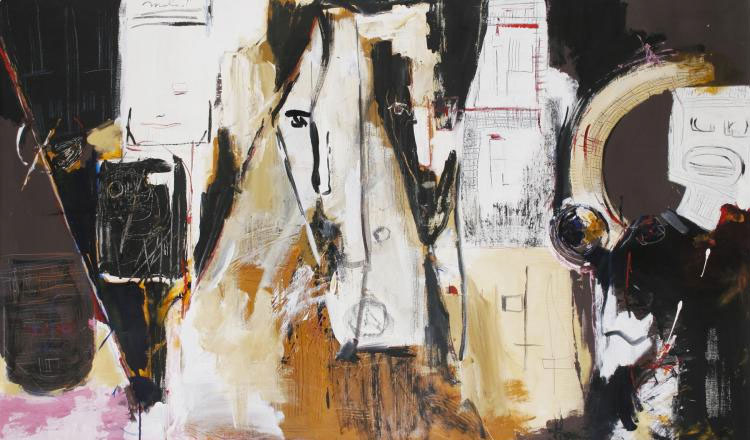
Incandescence. These are not the works of a man discovering a new hobby. They are the works of a man who has exhausted one language and refuses silence.
The Problem of Containment. We have been too quick. Far too quick to explain these drawings as extensions of Miles’s music. They are not. An extension suggests continuity, translation, a kind of orderly migration from one medium to another. This is something else. This is overflow.
By the late 1980s, Miles had already pushed music to its structural limits. He had dismantled harmony, stretched rhythm, weaponised silence. He had made music spacious, then dense, then electric, then almost abstract in its own right. The question then is not why he began to draw. The question is: what happens when even innovation becomes insufficient?
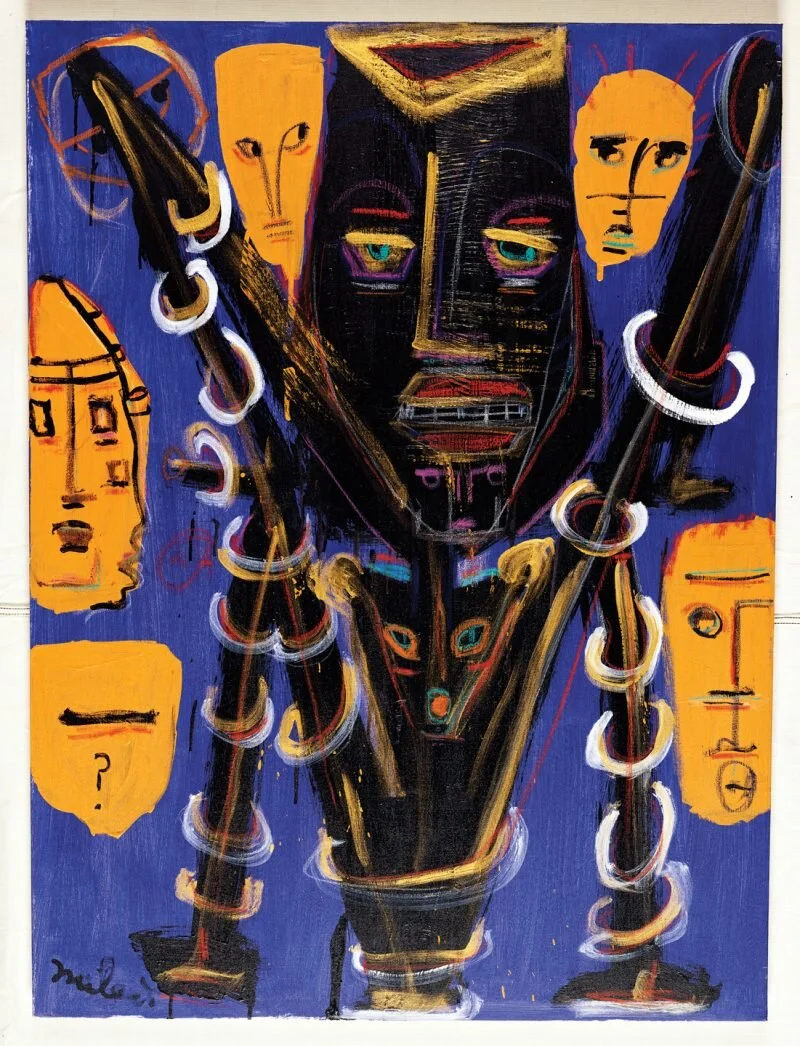
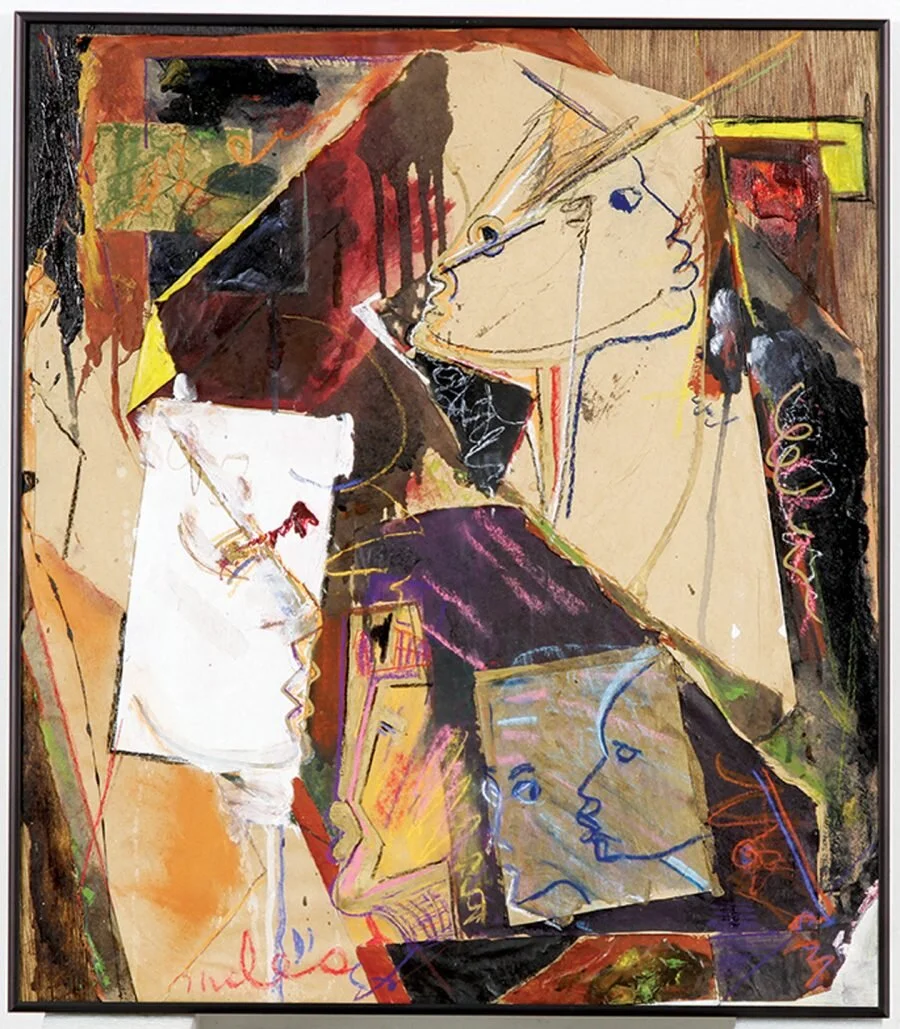
Looking at the Work. The works themselves offer no comfort. Faces multiply and fracture. Eyes appear where they should not. Bodies stretch, collapse, and reform without warning. There is no stable centre from which to observe. The viewer is not invited in, he is destabilised. Colour is not obedient. Reds burn through the surface. Yellows flare against darker planes. Blues refuse to calm the composition; they deepen its tension. Black anchors nothing, disrupts. There is no attempt at illusion. There is only insistence. These are not portraits. They are states of being under pressure.
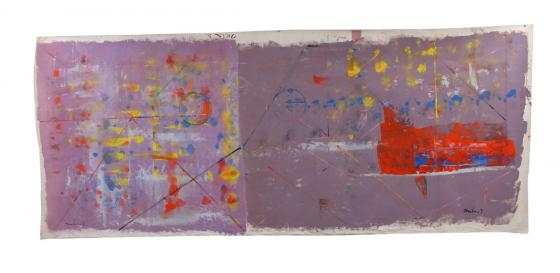
The Late Mind
Sentimentality must be resisted. Miles was not a retired master passing time. He was a man in compression. A body negotiating limitation. A mind refusing reduction. A creative force with no tolerance for stillness.
The trumpet had always demanded breath. It required discipline, stamina, and control. It forced the body into submission. But in the late years, the body began to hesitate. The mind did not. This creates a dangerous imbalance. Expression must find another route or collapse. Miles chose the former. Drawing requires no breath. It requires nerve. And these works are full of nerve.
Then there is Picasso and the Discipline of Destruction. Miles’s proximity to Pablo Picasso is often romanticised, as though it were a symbolic passing of artistic authority. It was something more practical. Picasso understood that once form is mastered, its destruction becomes necessary. He dismantled the face, reassembled it, and in doing so liberated painting from obligation. Miles did not reassemble. He accelerated past reconstruction. Where Picasso fractures with intent, Miles burns through with urgency. There is no patience for analysis. No interest in refinement. These are not studies. They are acts.
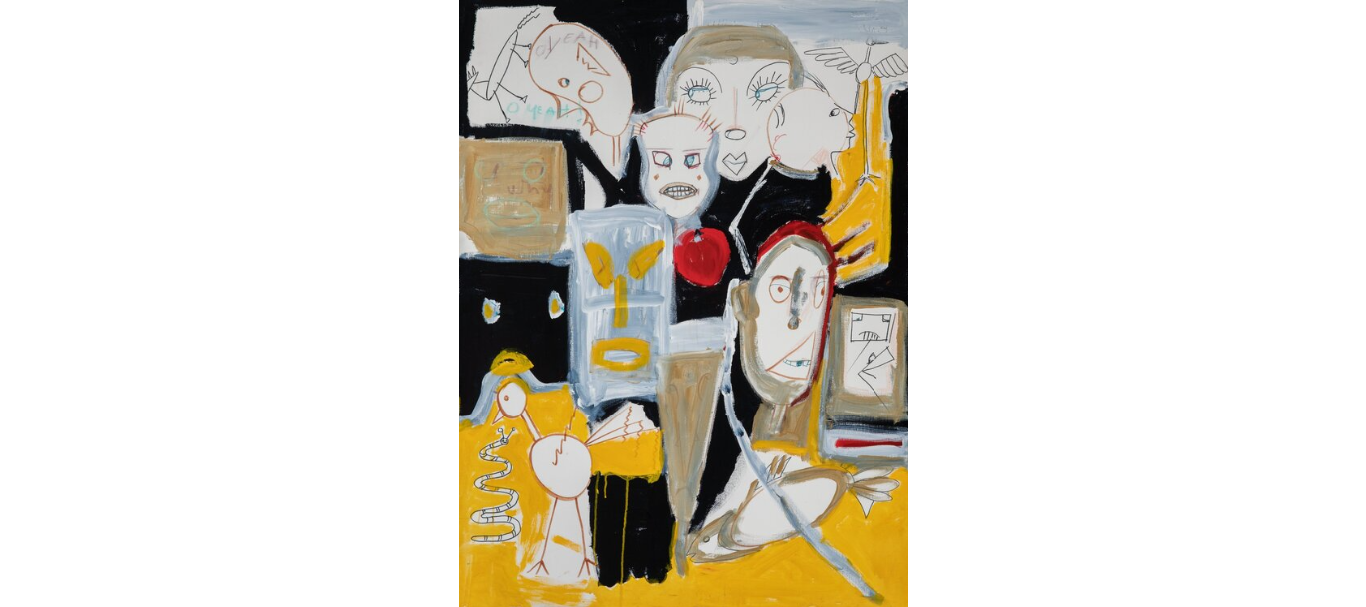
Fashion, Sound, and Visual Insistence. It is convenient but incorrect to isolate Miles’s visual work from the rest of his life. The same impulse that governed his music governed his presence. His fashion was not decorative. It was declarative. He did not dress to align. He dressed to disrupt. Fabric, colour, silhouette each became a site of experimentation. The drawings belong to that same continuum. They are not departures. They are confirmations.
The Grotesque as Accuracy. There are moments in these works that disturb. Faces appear distorted. Eyes misaligned. Bodies unsettled. The immediate instinct is to label this grotesque. But grotesque implies exaggeration. This is not exaggeration. This is exposure. What is being drawn is not the body as seen. It is the self as experienced under strain. Identity in motion. Perception under pressure.
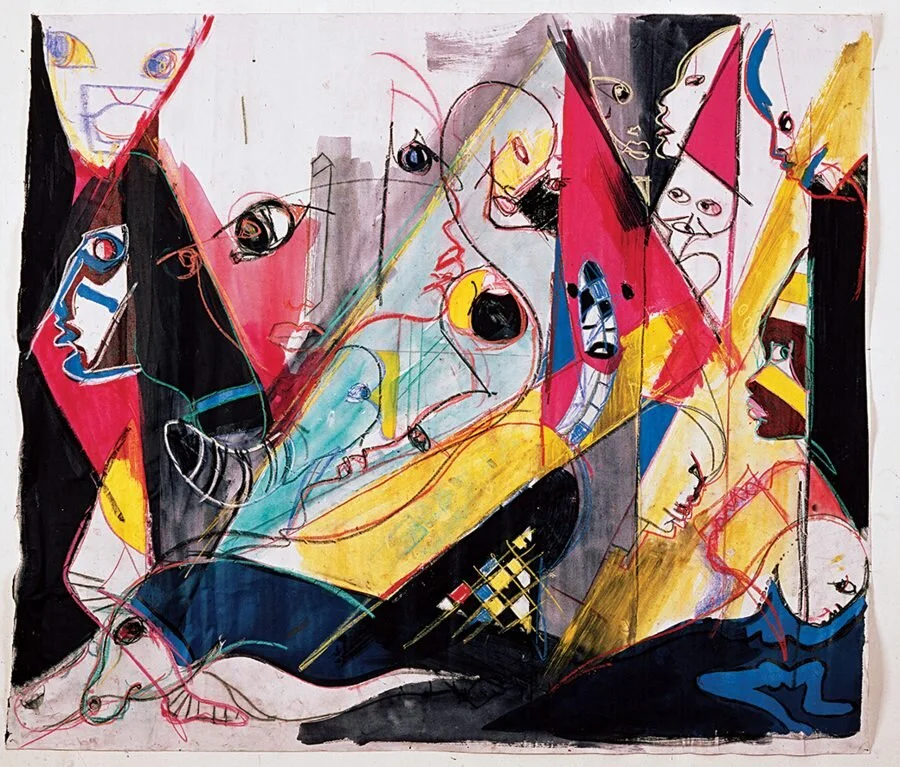
Miles had always done this musically displacing expectation, destabilising form. Here, he does it without sound.
The Incandescence Defined. Incandescence is not beauty. It is not elegance. It is not even clarity. It is what happens when something is subjected to such intensity that it begins to emit light not because it is whole, but because it is burning. Miles Davis, in his final years, did not soften into legacy. He did not retreat into mastery. He heated. The music had already carried him as far as it could. The body began to negotiate. But the mind. relentless, unappeased refused closure. And so, the energy moved. Into line. Into colour. Into distortion. These drawings are not reflections of a career. They are the residue of combustion. They do not show us what Miles achieved. They show us what remained when achievement was no longer the point.
The Refusal of Completion. Nothing in these works resolves. There is no finished figure. No closed form. No stable composition. Completion is deliberately avoided. Because completion implies arrival. And arrival, for Miles, was always a form of death.
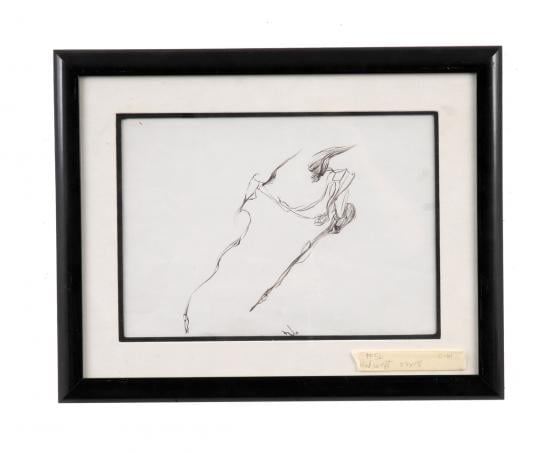
Throughout his musical life, he resisted being understood too easily. Each time the world settled into his sound, he shifted it. Not out of rebellion but out of necessity. The same principle governs these drawings. They do not allow you to finish them.
Beyond Music. It is tempting to read these works as visual equivalents of his music. That temptation must be resisted. They are not translations. They are displacements. Music unfolds in time. These works exist all at once. In music, a note disappears as soon as it is played. Here, the gesture remains visible. The process is exposed. Nothing is hidden behind performance. This is Miles without mediation.
A System Under Pressure. If one were to approach this analytically, the situation becomes clear. A system. Miles Davis as an expressive entity encounters constraint: diminishing physical capacity. Saturated musical language. Persistent creative intensity. Such a system does not stabilise. It reorganises. The drawings are evidence of that reorganisation. They are not optional. They are necessary.
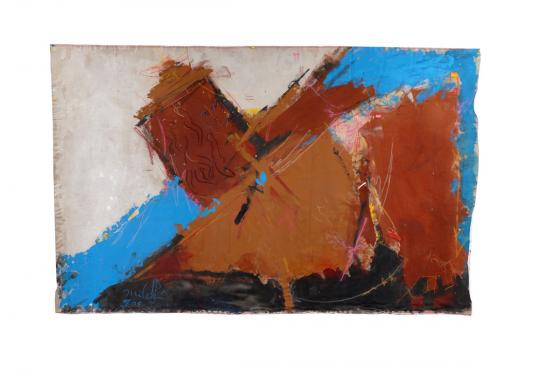
The Unresolved Man. We often speak of Miles in completed terms. Legend. Icon. Revolutionary. These are convenient categories. They are also reductive. Nothing in these drawings suggests completion. They suggest a man still negotiating himself. Still searching. Still refusing the comfort of definition.
This is not an ending. There is no sense of closure here. No final statement. No summarising gesture. The works remain open. Unfinished. Agitated. Alive. Which may be the most honest condition an artist can inhabit.
The Heat Remains. To understand these drawings is not to admire them. It is to confront them. To accept that they do not behave according to expectation. That they resist interpretation. That they refuse to settle into the narratives we have constructed around Miles Davis. They are inconvenient. They are unresolved. They are necessary. And in that necessity, they reveal something far more difficult than mastery: A man who, even at the edge of life, did not cool. Did not conclude. Did not arrive. He burned. And in that burning, he left behind not answers. But heat.












One Response
The infinite indefinable man…