EIR will hold an Emergency Roundtable Dialogue on May 15, 2026 at 11:00 a.m. ET.
“The Iran War and the ‘Controlled Disintegration’ of the World Economy”
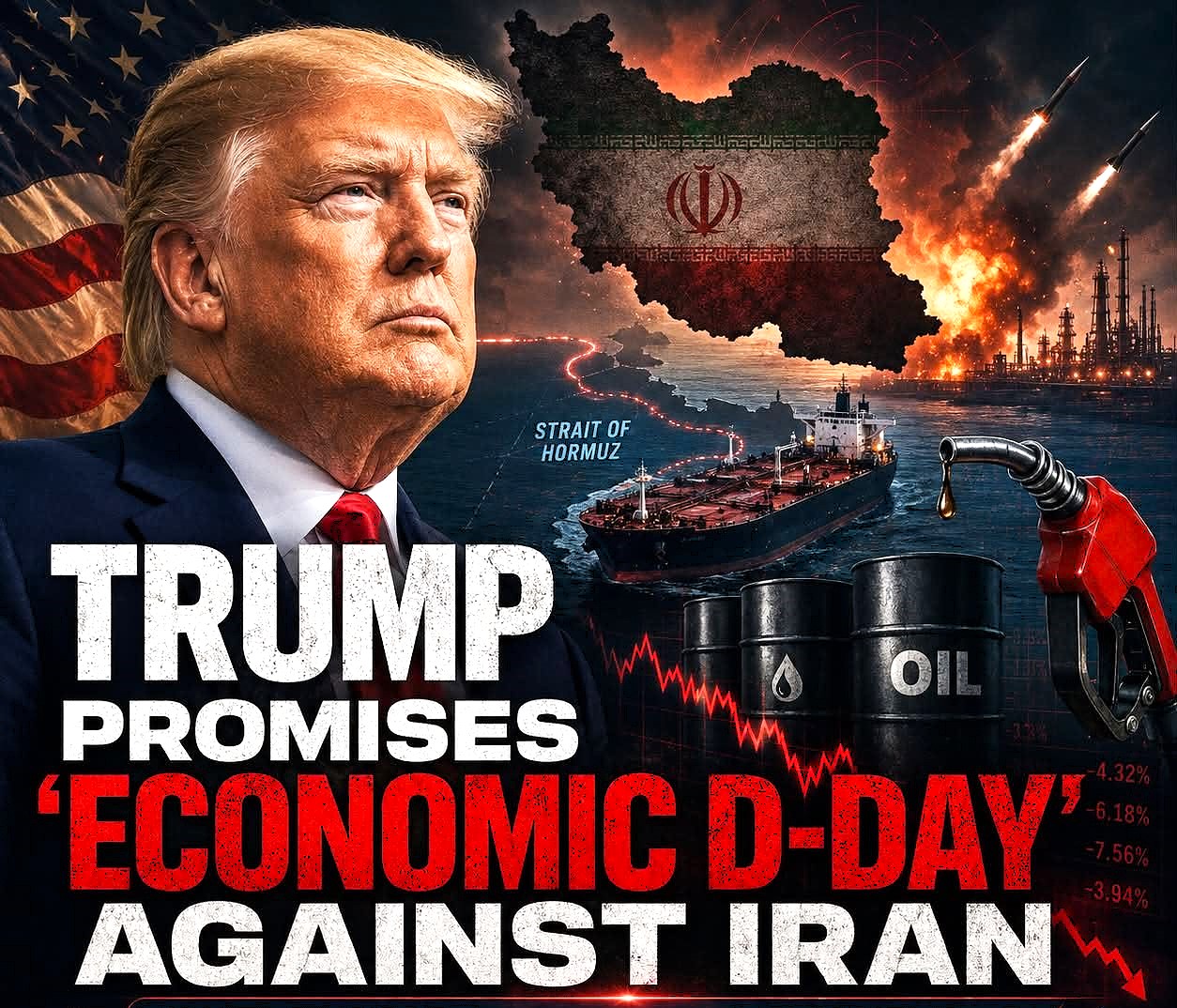
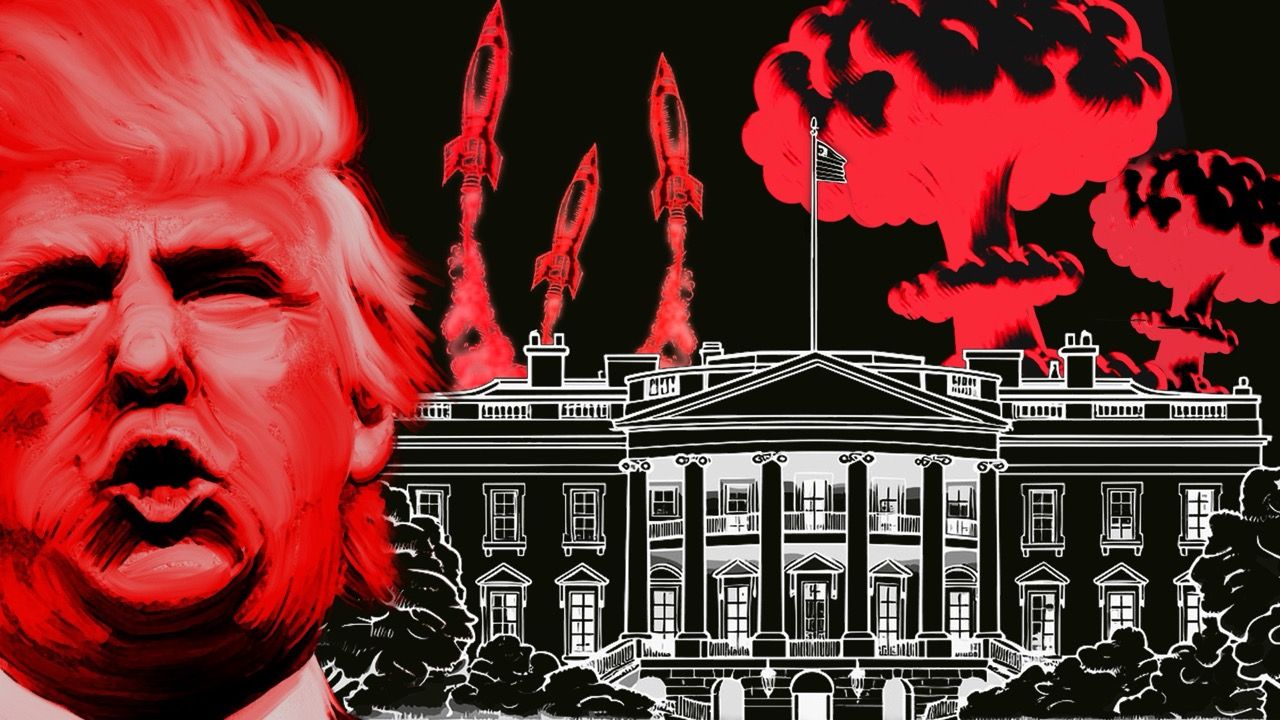
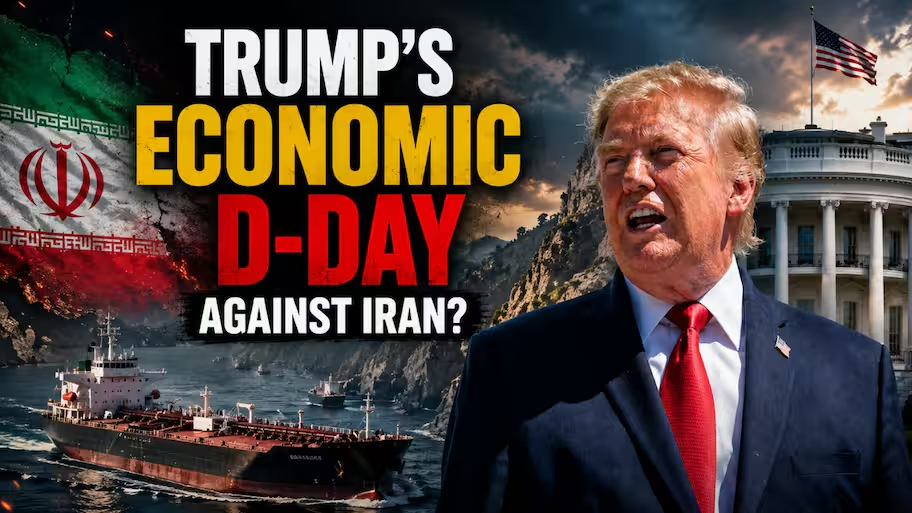
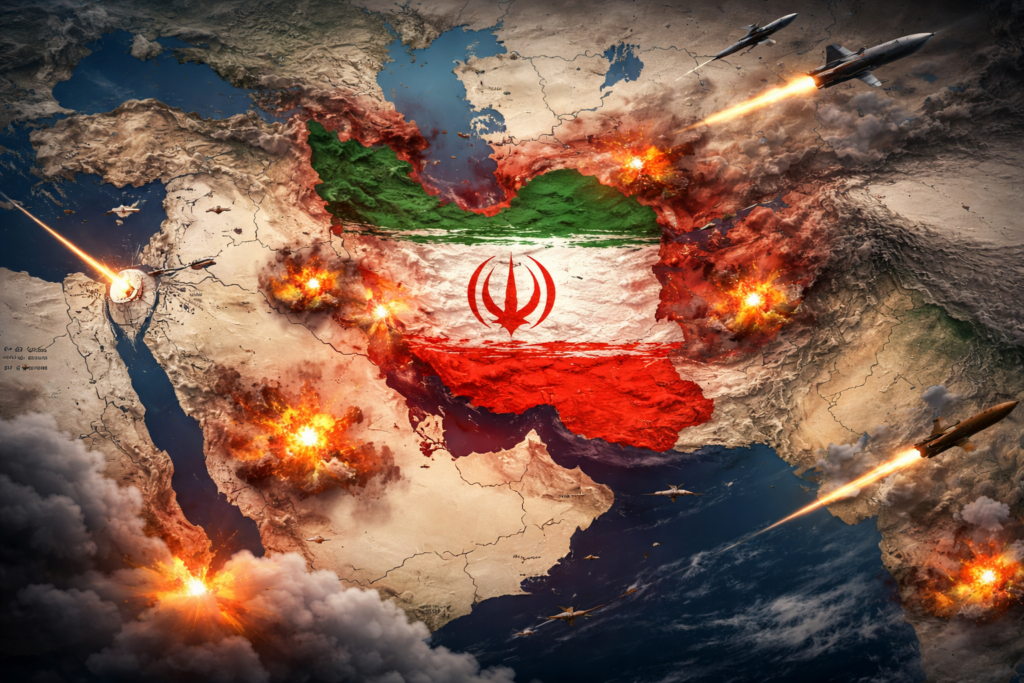
It is now two and a half months since the Feb. 28 closure of the Strait of Hormuz, a predictable—some would argue intended—result of the unprovoked U.S.-Israeli war of aggression against Iran. If this war continues for another few months, it is likely that the world economy will enter into a spiral of collapse leading into a full-scale global depression, including skyrocketing poverty, hunger, industrial collapse, and population dislocation and forced migration—as well as a guaranteed hyperinflationary blowout of the entire $2.4 quadrillion global financial bubble.
It will make the Great Depression of the 1930s pale in comparison. The closest parallel will be with the New Dark Age of the 14th century, with its notorious Black Death that wiped out up to half of the population of Europe.
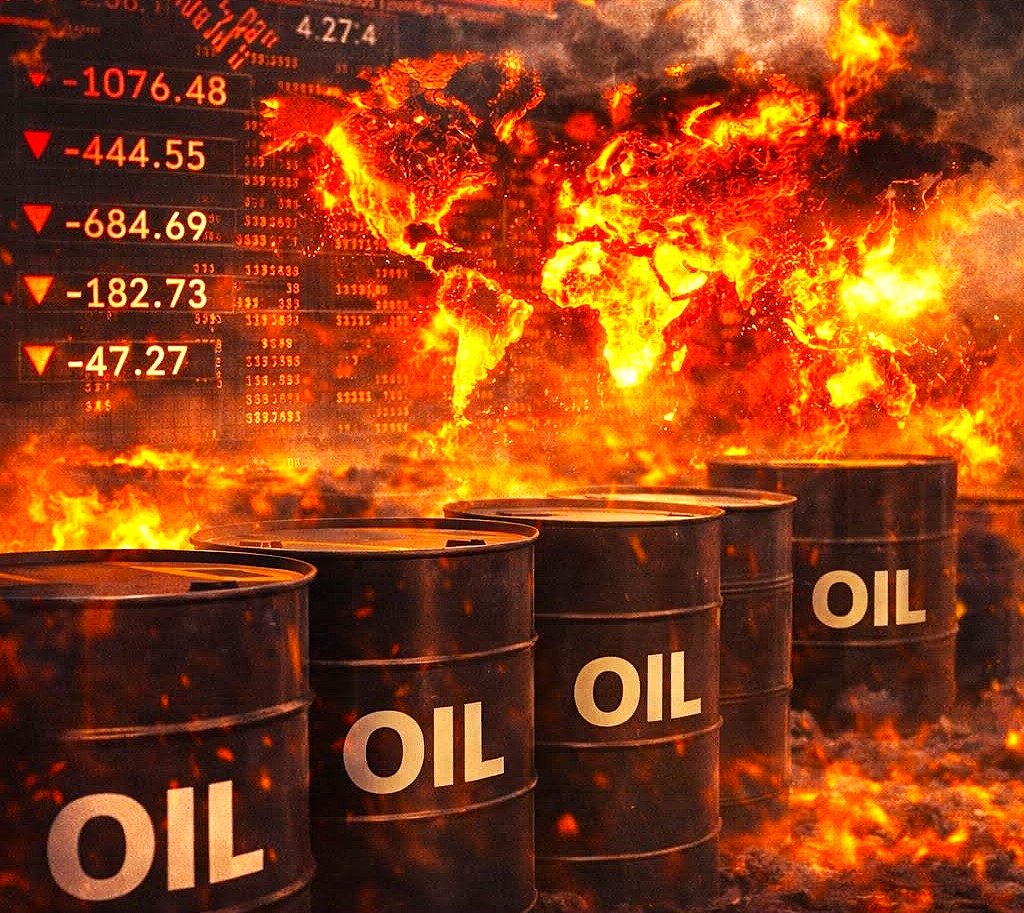
This is because of the massive dislocation of the physical means of survival of billions of people that is well underway, triggered by the closure of the Strait of Hormuz, through which 20% of world oil exports and 30% of the world supply of fertilizer formerly transited. This is already having devastating, non-linear effects:
• World Food Program Deputy Executive Director Carl Skau reported that “an extra 45 million people are projected to be pushed into acute hunger because of rises in food, oil and shipping costs, putting the global tally above its current record level of 319 million…. This would take global hunger levels to an all-time record and it’s a terrible, terrible prospect,” he said.
• Many impoverished nations in east Africa depend on imports of fertilizer for more than 85% of usage. It is estimated that a 10% reduction in fertilizer application will result in up to 25% less rice, corn and wheat there, with devastating human consequences.
• U.S. diesel prices—which is the lifeblood of American farming activity—have soared by more than 50% since the war began, with ripple effects throughout the economy.
• The German industrial economy is in free fall, as a result of the combined effect of the sabotage of the Nord Stream pipeline and now the shortages of gasoline, and especially jet fuel, as a result of the Iran war.
We emphasize physical economy because Man’s productive activity is actually a living process, as the renowned American physical economist Lyndon LaRouche proved scientifically. If one significant area of that process is destroyed, the entirety will tend to collapse in a nonlinear fashion. This is what some observers refer to, simplistically, as a “supply chain” effect.
The real financial cost of the war is also staggering—probably upwards of $4 trillion, according to EIR’s estimates. The Pentagon’s acting comptroller told Congress on April 29 that Operation Epic Fury had cost about $25 billion, but this covered only U.S. munitions and operations through Day 60, with damage to overseas bases explicitly excluded. When that is added in, along with Israeli military expenditures, the total rises to some $200 billion. There is also in the range of $1 trillion in physical damage across Iran and the Gulf states. The IMF’s April Regional Economic Outlook further estimates that as much as 2% of global GDP will also be wiped out by the war—implying $1.5-$2 trillion in lost global output for 2026 alone.
So, $4 trillion is probably on the low side of the real monetary cost of the war to date.
How many productive jobs could be provided if those funds were invested in infrastructure, agriculture and industry? How many bridges, ports and high-speed rail lines could be built? How many lives could be saved by increased investment in hospitals, schools, and essential pharmaceuticals?
Over a longer time period: The war kills hundreds of thousands directly and through cascading food and energy shocks; pushes hundreds of millions into hunger over the next two to three years; and—through the destruction of productive capital and the diversion of $4 trillion from development to destruction and the rebuilding of what once was—could reduce the planet’s mid-century potential population by something on the order of a half-billion to a billion. The war’s most consequential casualties may be people who, had it never been started, would have been born into a more productive global economy and were not.
All of this is clearly unnecessary—but is it also an intentional policy of Malthusian depopulation being implemented by the international financial establishment centered in the City of London and Wall Street? In the mid-1970s, the New York Council on Foreign Relations (CFR)—to this day the premier U.S. Establishment’s foreign policy think-tank and sister organization of Britain’s Royal Institute of International Affairs (RIIA/Chatham House)—published a voluminous study, Project 1980s, which explicitly called for the “controlled disintegration” of the world economy as a means of maintaining their slipping political control. In November 1978, then Federal Reserve Chairman Paul Volcker delivered a speech in England pronouncing that “a controlled disintegration in the world economy is a legitimate object for the 1980s”—and Volcker then proceeded to raise U.S. interest rates to the deadly level of 21.5% in December 1980.
The true economic cost of the Iran war—and the alternative policies to build a new security and development architecture for the world—will be the central topic explored by highly qualified experts at the May 15 EIR Emergency Roundtable Dialogue. Confirmed speakers include:
Helga Zepp-LaRouche (Germany): Editor-in-chief, Executive Intelligence Review; founder, Schiller Institute
H.E. Abolfazl Pasandideh (Iran): Ambassador of the Islamic Republic of Iran to Mexico
Prof. Richard Falk (U.S.): professor emeritus of International Law and Practice at Princeton University
David Hundeyin (Nigeria): investigative journalist, founder, The Spearhead
And others to be announced.