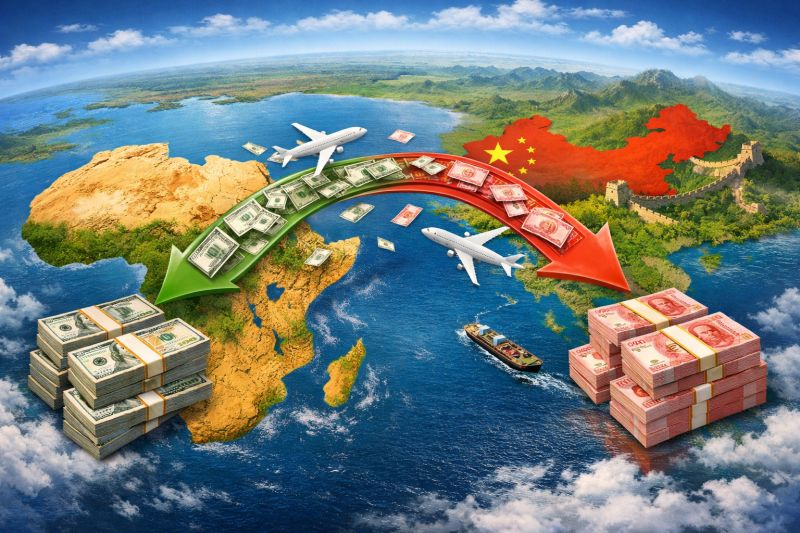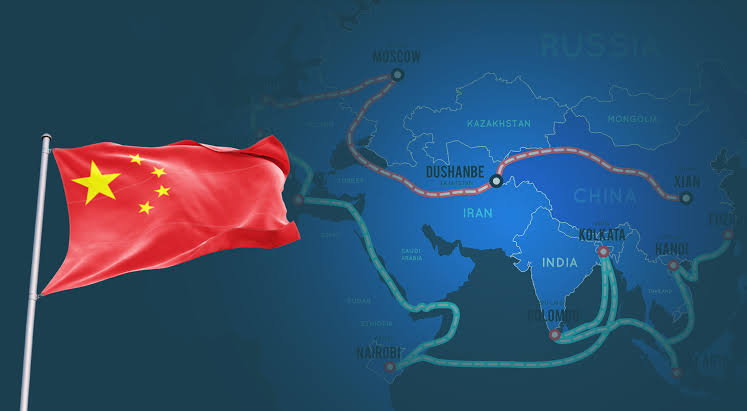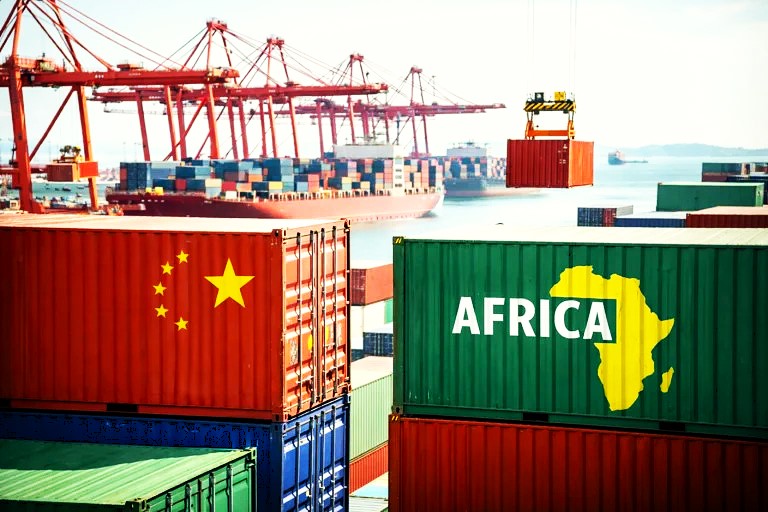
China’s decision to remove tariffs on imports from almost every African country marks one of the most significant developments in modern Africa–China relations. At a time when the global economy is becoming increasingly fragmented by trade wars, sanctions, and protectionist policies, Beijing is positioning itself as a defender of open trade and deeper cooperation with the developing world. For Africa, the announcement presents both major opportunities and serious long-term questions about the future of the continent’s economic relationship with China.
A tariff is essentially a tax placed on imported goods. When tariffs are removed, products entering a country become cheaper and more competitive because importers no longer have to absorb additional costs. China’s new policy grants tariff-free access to goods from 53 African countries that maintain diplomatic ties with Beijing. This means a wide range of African exports — from agricultural products and textiles to minerals and manufactured goods — can now enter the Chinese market without the burden of import taxes.
The move is not entirely new. China had already introduced zero-tariff treatment for a number of least-developed African countries in previous years, but the latest expansion is far broader and more politically significant because it includes larger economies such as South Africa, Nigeria, Egypt, Kenya, and Algeria. In effect, China is opening the door to one of the world’s largest consumer markets for almost the entire African continent.
For many African governments, this policy is being viewed as a breakthrough moment. Access to the Chinese market has long been limited by tariff structures, logistical barriers, and trade imbalances. Now, African exporters have a greater chance of competing in China because their products can enter at lower prices.
Agricultural industries are expected to benefit particularly strongly. South African wine, citrus, macadamia nuts, avocados, and processed foods could all become more attractive to Chinese consumers. Countries such as Ghana and Côte d’Ivoire may see increased demand for cocoa products, while East African economies could expand exports of coffee, tea, flowers, and textiles.
Beyond agriculture, the policy also creates a possible pathway toward industrialisation. For decades, African economies have largely remained exporters of raw materials while importing manufactured goods from industrial powers such as China, Europe, and the United States. This economic structure is the reason Africa has remained trapped at the bottom of global value chains, producing raw commodities while wealthier nations capture the profits from manufacturing and processing.
China’s tariff decision could encourage African countries to move toward value-added production. Instead of exporting raw cocoa beans, countries could export processed chocolate products. Instead of shipping raw minerals abroad, they could invest in refining and manufacturing industries at home.
If African governments combine the tariff opportunity with industrial policies, infrastructure investment, and energy development, the continent could potentially expand local manufacturing and create jobs.