CHINA OPENS THE GATES: WHAT ZERO TARIFFS MEAN FOR AFRICA

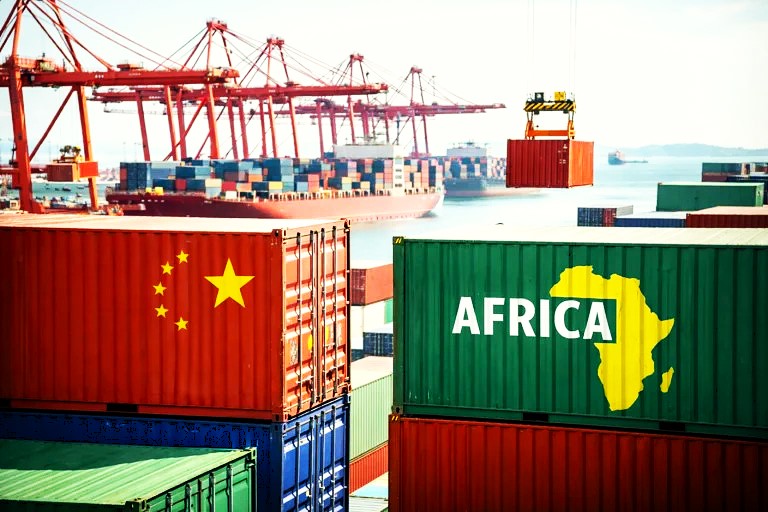
China-Africa trade booming - shipping container - image: Voice of Emirates

China’s decision to remove tariffs on imports from almost every African country marks one of the most significant developments in modern Africa–China relations. At a time when the global economy is becoming increasingly fragmented by trade wars, sanctions, and protectionist policies, Beijing is positioning itself as a defender of open trade and deeper cooperation with the developing world. For Africa, the announcement presents both major opportunities and serious long-term questions about the future of the continent’s economic relationship with China.

A tariff is essentially a tax placed on imported goods. When tariffs are removed, products entering a country become cheaper and more competitive because importers no longer have to absorb additional costs. China’s new policy grants tariff-free access to goods from 53 African countries that maintain diplomatic ties with Beijing. This means a wide range of African exports — from agricultural products and textiles to minerals and manufactured goods — can now enter the Chinese market without the burden of import taxes.

The move is not entirely new. China had already introduced zero-tariff treatment for a number of least-developed African countries in previous years, but the latest expansion is far broader and more politically significant because it includes larger economies such as South Africa, Nigeria, Egypt, Kenya, and Algeria. In effect, China is opening the door to one of the world’s largest consumer markets for almost the entire African continent.

For many African governments, this policy is being viewed as a breakthrough moment. Access to the Chinese market has long been limited by tariff structures, logistical barriers, and trade imbalances. Now, African exporters have a greater chance of competing in China because their products can enter at lower prices.

Agricultural industries are expected to benefit particularly strongly. South African wine, citrus, macadamia nuts, avocados, and processed foods could all become more attractive to Chinese consumers. Countries such as Ghana and Côte d’Ivoire may see increased demand for cocoa products, while East African economies could expand exports of coffee, tea, flowers, and textiles.

Beyond agriculture, the policy also creates a possible pathway toward industrialisation. For decades, African economies have largely remained exporters of raw materials while importing manufactured goods from industrial powers such as China, Europe, and the United States. This economic structure is the reason Africa has remained trapped at the bottom of global value chains, producing raw commodities while wealthier nations capture the profits from manufacturing and processing.

China’s tariff decision could encourage African countries to move toward value-added production. Instead of exporting raw cocoa beans, countries could export processed chocolate products. Instead of shipping raw minerals abroad, they could invest in refining and manufacturing industries at home.

If African governments combine the tariff opportunity with industrial policies, infrastructure investment, and energy development, the continent could potentially expand local manufacturing and create jobs.
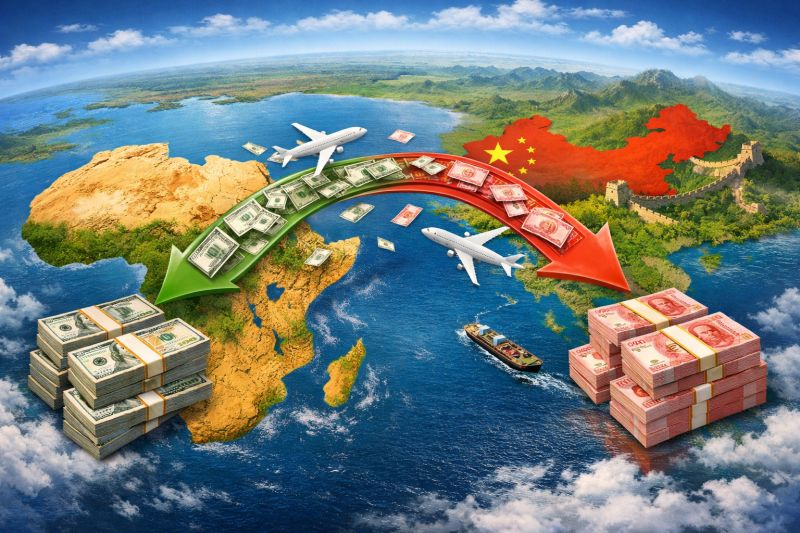

AI illustration showing mutually-benefitial financial prosperity amid China-Africa trade relations [Image: Reuters|Linkedin]
Thabiso Mthembu

Thabiso Mthembu is a political activist and writer with a Bachelor’s degree in International Relations. His work explores global politics, diplomacy, and development in Africa, with a focus on regional cooperation, foreign policy, and social justice. As an engaged activist, Thabiso advocates for inclusive peace and security, governance and equitable international relations, highlighting Africa’s evolving role in global affairs. All views expressed are his own.

Author

  • Thabiso Mthembu is a political activist and writer with a Bachelor’s degree in International Relations. His work explores global politics, diplomacy, and development in Africa, with a focus on regional cooperation, foreign policy, and social justice. As an engaged activist, Thabiso advocates for inclusive peace and security, governance and equitable international relations, highlighting Africa’s evolving role in global affairs. All views expressed are his own.

Recent news

THE FUTURE WE SHARE: XI JINPING AND CHINA-SOUTH AFRICA RELATIONS: THE GEN Z YOUTH PERSPECTIVE
Hordes of students marching against the Bantu Education system and the use of Afrikaans as a medium in schools, during the June 16, 1976, Student Massacres / Soweto Uprisings [Image: GSMN]
JUNE 16 AND THE BETRAYAL OF A GENERATION
Protesters in Benoni, east of Johannesburg, call for the deportation of undocumented immigrants in South Africa. Photograph: Ihsaan Haffejee/Reuters
IMMIGRATION BATTLE: THEY CAME, THEY SAW, THEY CONQUERED
STRAIT OF HORMUZ - IMAGE: CBC
IRAN SAYS IT HAS COMPLETELY CLOSED THE STRAIT OF HORMUZ
USA DECLARATION - IMAGE: SHUTTERSTOCK
‘A DECENT RESPECT TO THE OPINIONS OF MANKIND': THE DRAFTING BEGINS
Hordes of students during the June 16 1976 Soweto Massacres Student Uprisings, Soweto Massacre Image: GSMN
1976 STRUGGLE FATIGUE
Free State Labour Department - image: SABC news
REOPENING OF BOTSHABELO LABOUR CENTRE
MINISTER METH INTERVENES IN LOOMING PICK N PAY RETRENCHMENT OF 22 000 WORKERS, IN SIX-HOUR MARATHON MEETING - image: Algoa fm
MINISTER METH INTERVENES IN LOOMING PICK N PAY RETRENCHMENT OF 22 000 WORKERS, IN SIX-HOUR MARATHON MEETING
ZERO TOLERANCE TO CORRUPTION: LABOUR MINISTER WELCOMES SIU INVESTIGATION INTO UIF AND PSIRA TRAINING CONTRACTS - minister meth - image: gagasi fm
ZERO TOLERANCE TO CORRUPTION: LABOUR MINISTER WELCOMES SIU INVESTIGATION INTO UIF AND PSIRA TRAINING CONTRACTS
Lebanese army chief Rodolphe Haykal - lebanon - image: Lebanese Army website
LEBANON ARMY CHIEF IN PAKISTAN
Nancy Grace Roman Space Telescope - NASA - Image: NASA
NASA'S ROMAN TELESCOPE POISED TO TRANSFORM SCIENCE
Rep. Ro Khanna (D-CA) introduce and motivate his amendment nullifying Section 224 of the National Defense Appropriations Act (NDAA); Section 224, if passed, will fuse together the military-industrial complexes of the United States and Israel, into a single war preparation machine. Credit: house.gov
LESSONS OF THE HUBRIS OF THE COLONIAL POWERS
Department of Employment and Labour South Africa - Image: WorkForGov
FREE STATE LABOUR DEPARTMENT TO HOST CAREER EXHIBITION FOR YOUTH AND WORK-SEEKERS
MINISTER METH LEADS SA DELEGATION TO THE ANNUAL ILO INTERNATIONAL LABOUR CONFERENCE - image: ILO
MINISTER METH LEADS SA DELEGATION TO THE ANNUAL ILO INTERNATIONAL LABOUR CONFERENCE
Dr Ephraim Kgoete - Image: Dr ES Kgoete Inc via Facebook
DR KGOETE: FILLING THE GAPS OF A FAILING SYSTEM 

Enjoyed this content? Pass It On!

Facebook
LinkedIn
X
Email
WhatsApp
Facebook

Leave a Reply

Your email address will not be published. Required fields are marked *