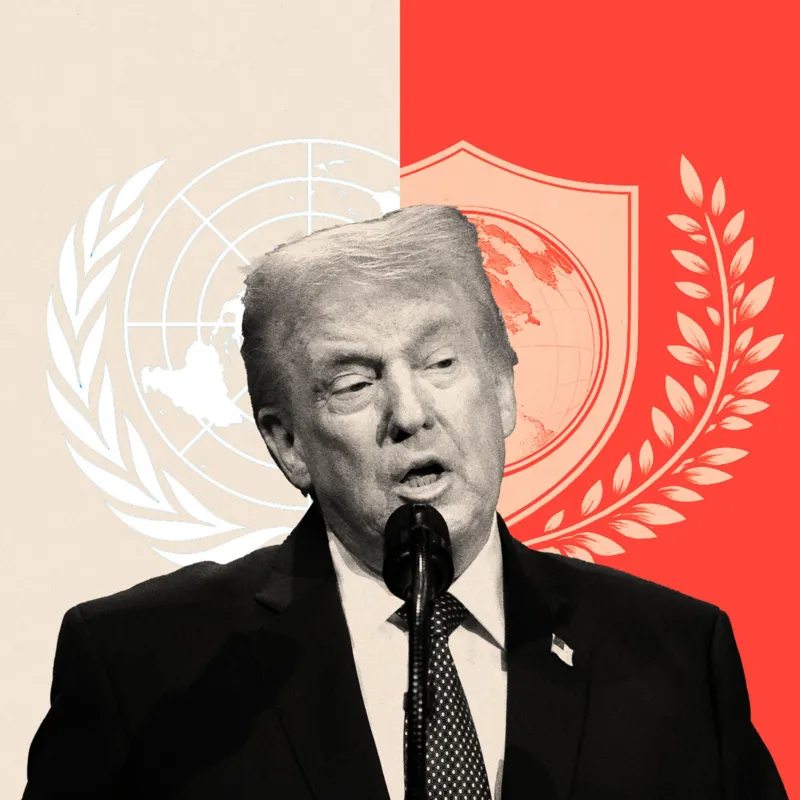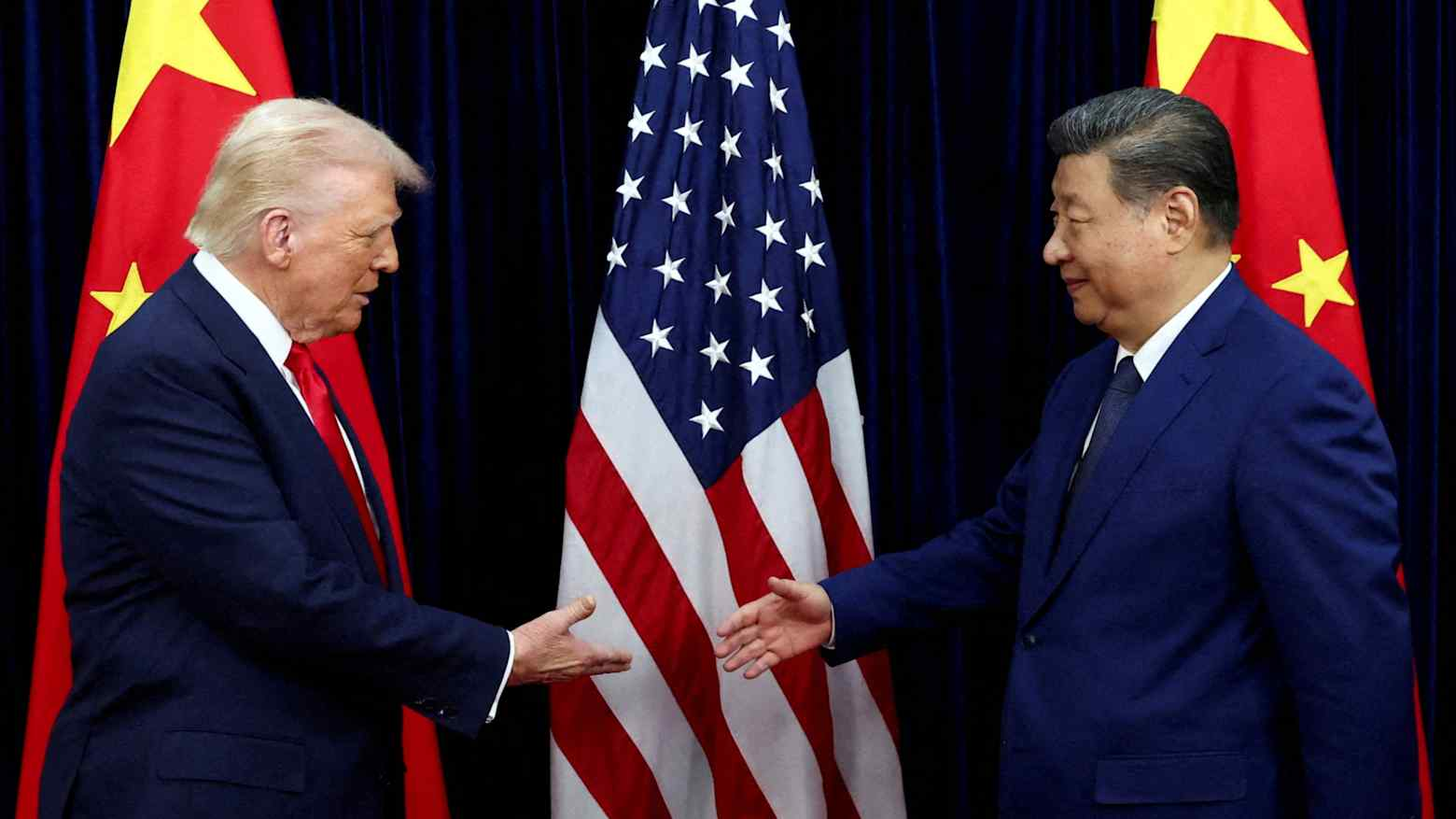
All eyes are on China as U.S. President Donald Trump arrives to begin a two-day state visit which many are hoping will provide some stability in a world situation that grows more chaotic and dangerous by the day. With topics high on the agenda such as bilateral trade (Trump arrives with a high-level business delegation) and the conflict in Iran (“I think we’re going to have a long talk about it,” the U.S. President said).
With Trump continuing to praise Xi Jinping as “an amazing man” with whom he has an excellent relationship, there is reason to hope that head-of-state diplomacy can introduce something new into the global dynamic—and not a moment too soon.
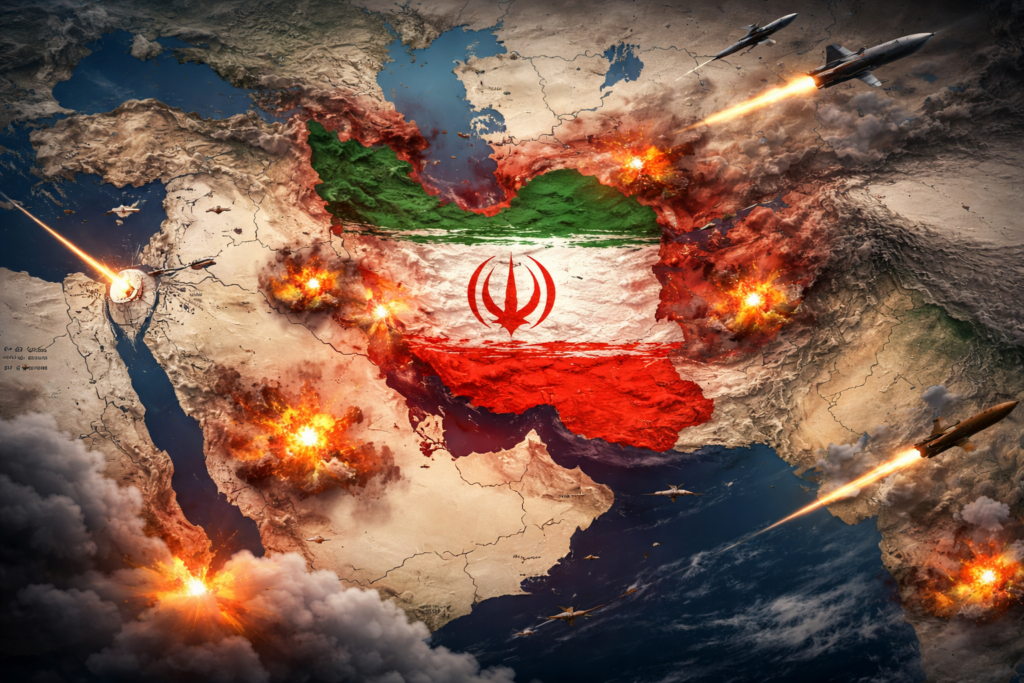
As EIR has estimated, the real financial cost for the world of the unprovoked U.S.-Israeli aggression against Iran is a staggering $4 trillion in just the first 60 days, as seen in total military expenditures, physical damage to the region, and lost global output due largely to the ongoing closure of the Strait of Hormuz. The real physical economic cost is orders of magnitude more, when one takes into account the devastation that is about to hit, given the shortage of fuels, fertilizers, chemical feedstock, and pharmaceutical supplies.
This is not an unintended consequence of the war policy, but rather an intentional, Malthusian (un)controlled disintegration of the global economy on the part of the international financial establishment centered in the City of London and Wall Street, which is rapidly losing its grip over world affairs.
Better to reign in Hell, than serve in Heav’n?
“The world is moving in many different directions simultaneously,” Helga Zepp-LaRouche observed in a discussion with colleagues on May 11, “and that reflects a real lack of clarity on the side of several segments of the establishment in different parts of the world, of how to assess the failure of their policies, how to readjust, how to develop new options. And since most of these establishment figures have not become smarter since they initiated the policies which just failed, one cannot assume that the outcome of such running around will be any better.”
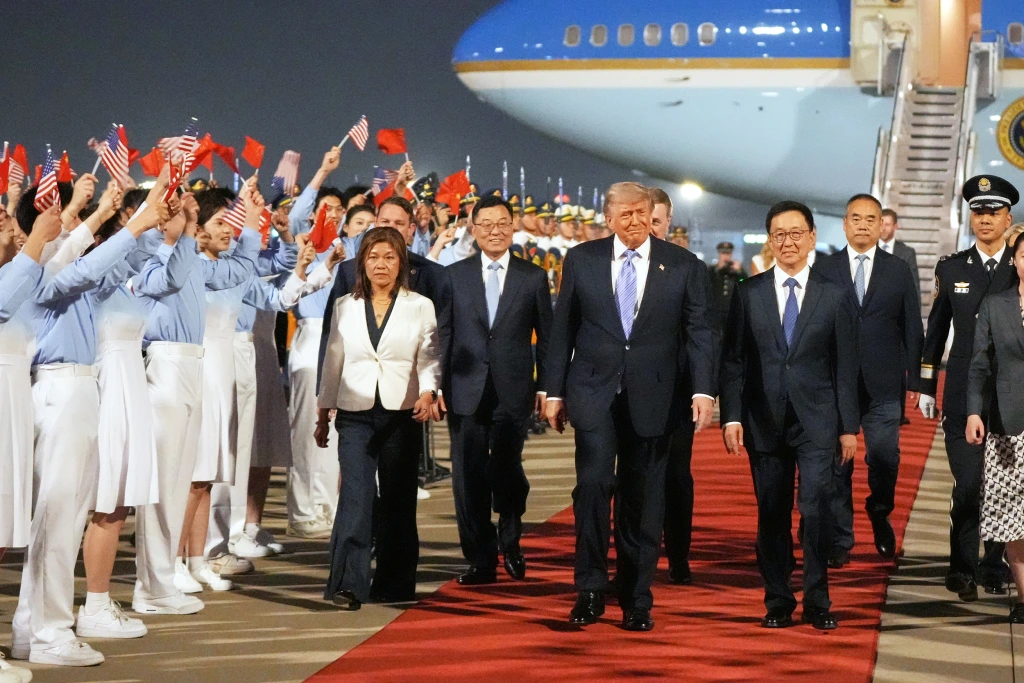
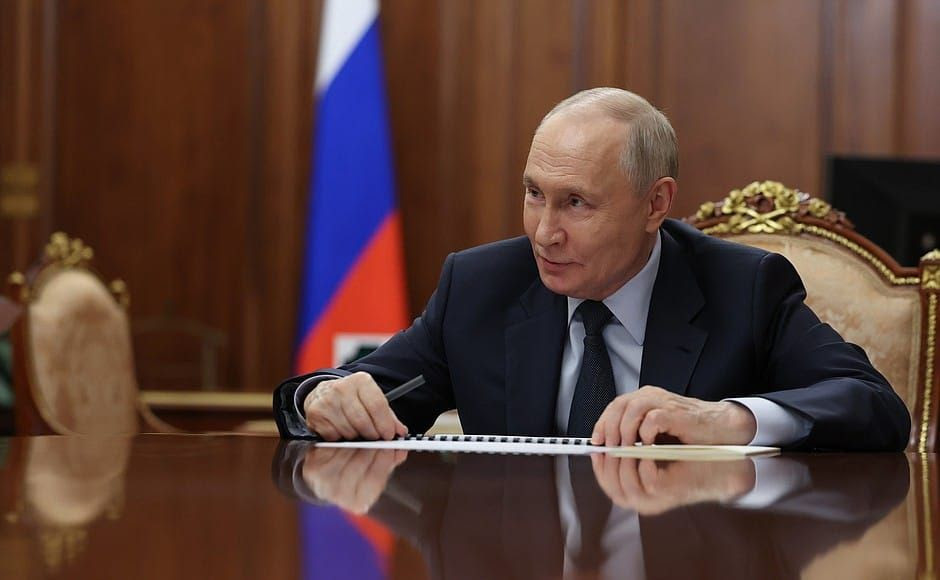
That view is only reinforced by the seeming shift in attitude of several European leaders who are coming to accept the necessity of talking with Russian President Vladimir Putin—a change in tactic rather than strategic goal.
“They … started cranking up the confrontation with Russia,” Putin recounted at a May 9 press conference, “which is continuing to this day. I believe that this business is coming to an end, but nonetheless, it is a serious thing. The question is, why they are doing this? First, they expected a ‘crushing defeat’ of Russia…. It did not work out. And then they got stuck in that groove, and now they cannot get out of it.”
Einstein famously said that the definition of insanity is “doing the same thing over and over and expecting different results”; we have reached a moment in human history when it is only a profound change in the behavior of society, a fundamental shift in the axioms underlying the world system, that can prevent a collapse.
Many nations in the Global Majority are shifting in that direction in their rejection of geopolitics. An editorial in Global Times on the eve of Trump’s visit to Beijing looks toward U.S.-China cooperation as a keystone in such progress for humanity: “True wisdom between major powers lies not in treating the other as an adversary that must be defeated, but in placing differences within the broader framework of coexistence among civilizations, keeping competition rational and manageable, and turning cooperation into outcomes that benefit the world.”
The urgent next step in stabilizing both the economic and security situations in the world is for a new security and development architecture for the world, one which rejects the axioms of geopolitics and takes into account the interests of all countries, to be put on the agenda of nations, as Helga Zepp-LaRouche proposed in 2022.
The West must come onboard, and this will not be led by the failures currently occupying elected (and non-elected) office in those nations. A movement of citizens must decide to lead and demand that their nations join the rest of humanity.
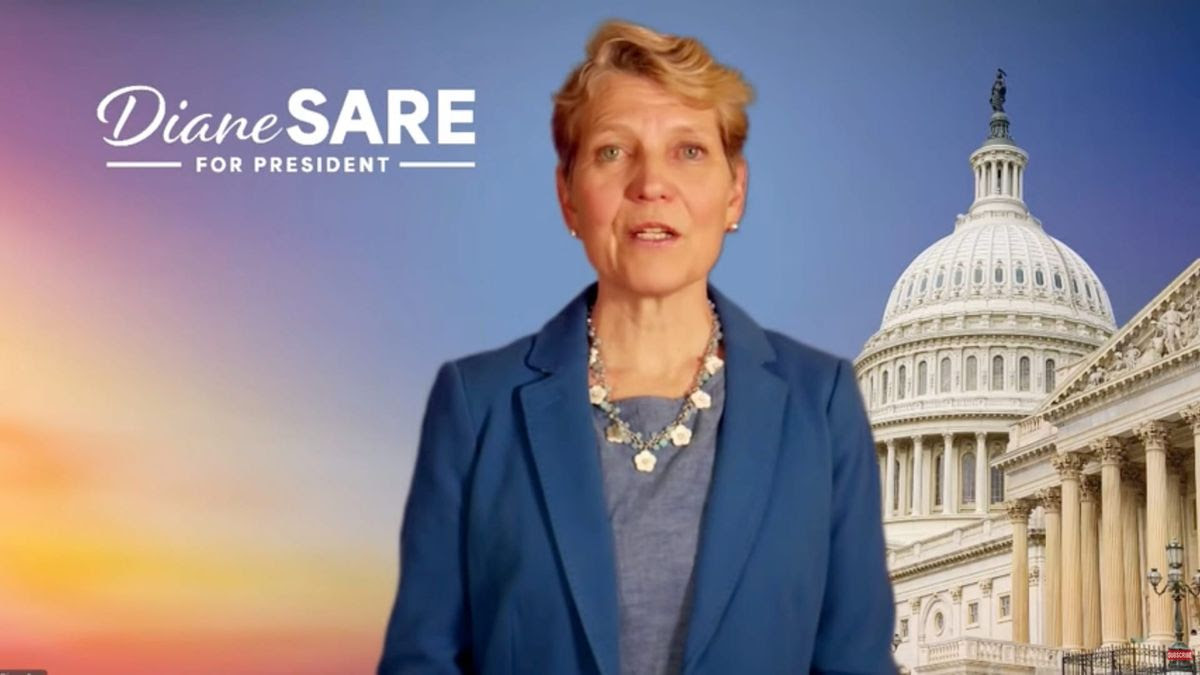
In the United States, LaRouche Independent candidates Diane Sare and Jose Vega are rallying those potential leaders around the needed solutions, as are collaborators around the world. The next opportunity to join them will be Friday, May 15, at 11:00 a.m. ET, as Helga Zepp-LaRouche convenes an EIR Emergency Roundtable, “The Iran War and the ‘Controlled Disintegration’ of the World Economy.” Join them, and organize everyone you know to be there.

![THE BCM PAYS GLOWING TRIBUTE TO FALLEN CADRE [image: supplied]](https://gsmn.co.za/wp-content/uploads/2026/05/5k.jpeg)
![PRESIDENT RAMAPHOSA ADDRESSES THE NATION [Image: GCIS]](https://gsmn.co.za/wp-content/uploads/2026/05/image-26.png)