In little more than one week, on May 26, China, as the rotating chair of the United Nations Security Council, will convene a meeting under the theme “Upholding the Purposes and Principles of the UN Charter and Strengthening the UN-Centered International System.”
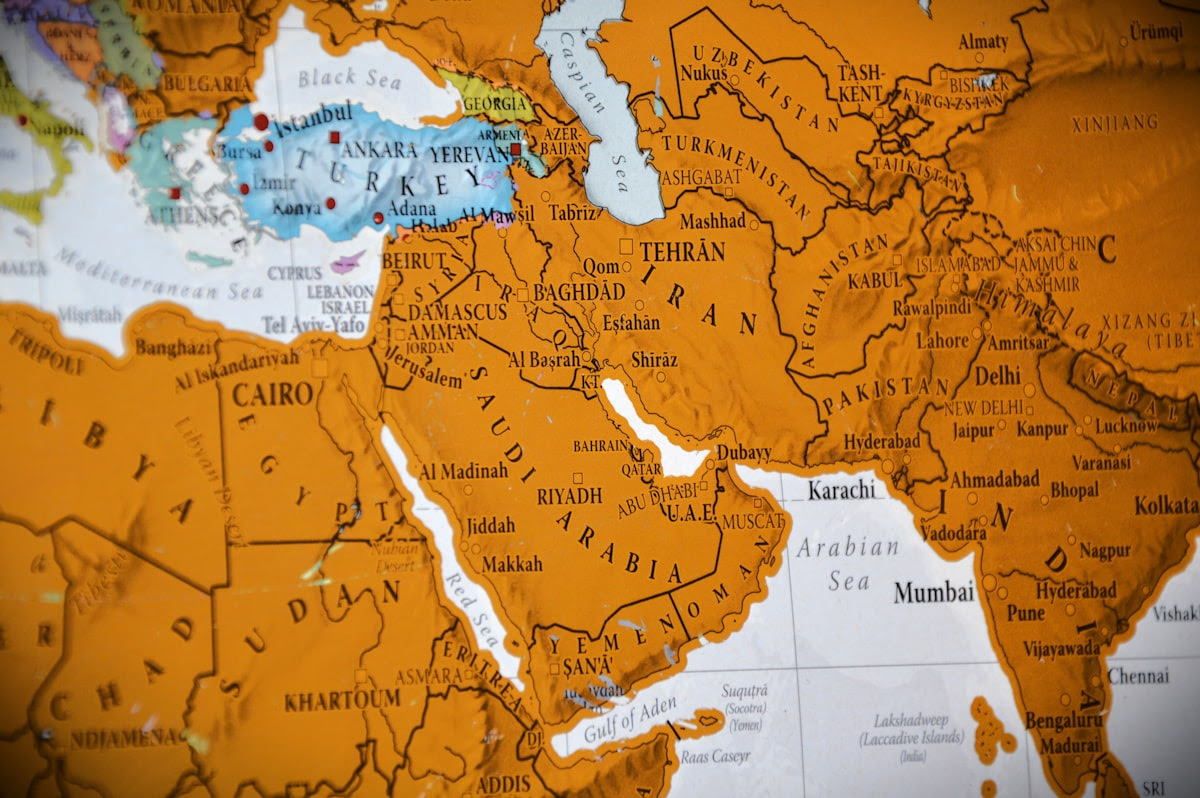
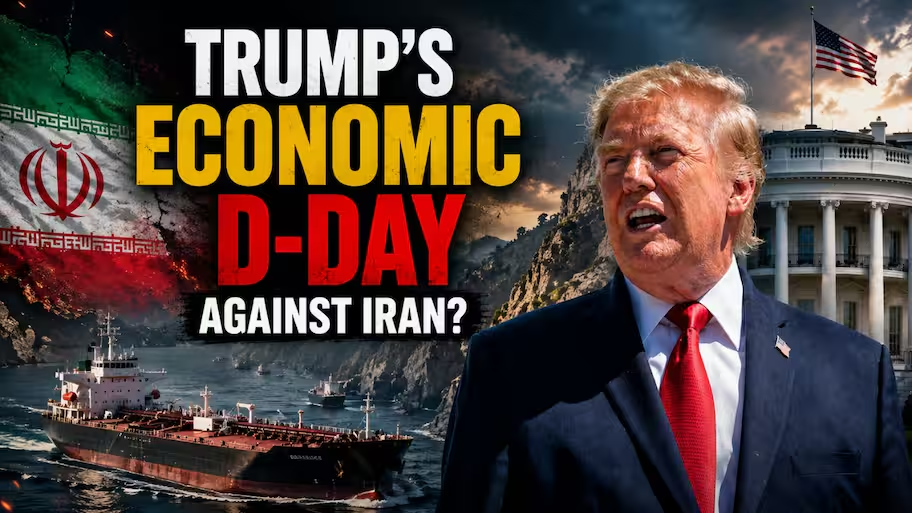
The meeting will occur with the world at a historical branching point, creating opportunities for urgent change that we must not miss. The unprovoked and aggressive war against Iran, and its ensuing effects, has placed Southwest Asia at a dangerous impasse—with one pathway leading to a broader, and possibly nuclear war. At the same time, the meetings between Presidents Donald Trump and Xi Jinping in Beijing have opened the door to a possible new level of cooperation between the world’s two largest economies, creating an opportunity to implement an entirely different policy than that which brought the world to this crisis.
As a result, there is now a workable environment and opportunity for such a global change, not only because of the clear need to radically transform this situation, but also because the main factor that would prevent it—namely, confrontation between the U.S. and China—is now moving on a different trajectory favorable to a resolution. Therefore, this is a golden moment in history that we dare not let slip away.
The outlines of a policy to resolve the Iran war and address the regional crisis was discussed and elaborated at the recent EIR Emergency Roundtable Dialogue on May 15, “The Iran War and the ‘Controlled Disintegration’ of the World Economy.” Speaking there was former Prime Minister and former Foreign Minister of Türkiye Ahmet Davutoğlu, along with Iranian Ambassador to Mexico Abolfazl Pasandideh, former President of Guyana Donald Ramotar, former UN Special Rapporteur for Palestine Richard Falk, and Helga Zepp-LaRouche, Editor-in-Chief of EIR and founder of the Schiller Institute.
Professor Davutoğlu stated to the Roundtable that bilateral U.S.-Iran negotiations cannot resolve the regional crisis, arguing that only “a comprehensive regional framework” can produce sustainable peace. He outlined his recent proposal, made up of four converging issues, where “progress on any one front is unlikely without parallel movement on the others”:
- The Strait of Hormuz: Form a coalition of trusted intermediaries such as Türkiye, Pakistan, Malaysia, and Indonesia to administer the Strait under a UN Security Council mandate.
- Nuclear arrangements: Establish a new agreement whereby Iran would deposit enriched uranium in Türkiye in exchange for fuel for civilian use, reaffirm its commitment not to pursue nuclear weapons, and have its right to peaceful nuclear energy formally recognized by the U.S. Over time, the region would move toward freedom from nuclear weapons “including those held by Israel.” (It should be noted that this was the basis for the 2010 Tehran Agreement, which Davutoğlu helped mediate, along with Brazil and the IAEA, and which was rejected by U.S. President Barack Obama at the time. Notably, President Lula of Brazil recently handed President Trump a copy of this agreement during his May 7 visit to Washington.)
- Regional security architecture: A multilayered structure of confidence-building and regional security, evolving toward “a Middle Eastern equivalent of the 1975 Helsinki Accords.”
- Palestine: Israel would be offered integration into the architecture—full diplomatic normalization and formal guarantees—in exchange for recognizing Palestinian statehood and ending military operations in Lebanon.
In response to Professor Davutoğlu’s conception, Helga Zepp-LaRouche proposed that the extended Oasis Plan for the economic development of the region as a whole be added to it and complement the initiative. After years of foreign intervention and wars, many countries there require “urgent reconstruction,” she noted, so “why not have the four governments you mentioned … put a joint development perspective on the table?” In the end, “you have to have a model which serves the interests of each.” China has already demonstrated that it is technologically feasible to make the deserts bloom, Zepp-LaRouche noted.
“I fully agree,” Davutoğlu replied. “The best way of peace is economic interdependency. There is no other way. You can sign peace plans, you can make many declarations, but the best way of peace is economic interdependency. Whenever you have economic interdependency, nobody will be starting a war. So, economic interdependency means development.”
“The best response to this war,” he added, is to create a sense of “regional belonging, supporting each other. And I fully share your opinion; and we can bring these proposals together, a geopolitical solution framework, as well as a developmental, visionary project together.”
For the stated reasons, the combined Davutoglu/Oasis Plan proposals should be added to the agenda and thoroughly discussed at the upcoming May 26 UN Security Council special session.

![Bishop Joe Seoka during The Funeral Service of Professor Itumeleng Mosala [Image: Mandla Seloane]](https://gsmn.co.za/wp-content/uploads/2026/08/WhatsApp-Image-2026-08-20-at-15.59.13-1.jpeg)